
Keeping tropical plants thriving can be a challenge, especially when pests show up uninvited. This seasonal guide will help you protect your beloved plants, ensuring they flourish all year round.
Table of Contents
Understanding Tropical Plants and Their Vulnerabilities
When I first started growing tropical plants, I was amazed by their lush beauty and vibrant hues. However, I quickly realized that these stunning plants can be more vulnerable than I anticipated. Understanding what makes tropical plants tick—and the pests that love them—was a game changer for me. Read Interesting article: Top 5 Common Pests Harming Your Air Purifying Tropical Plants
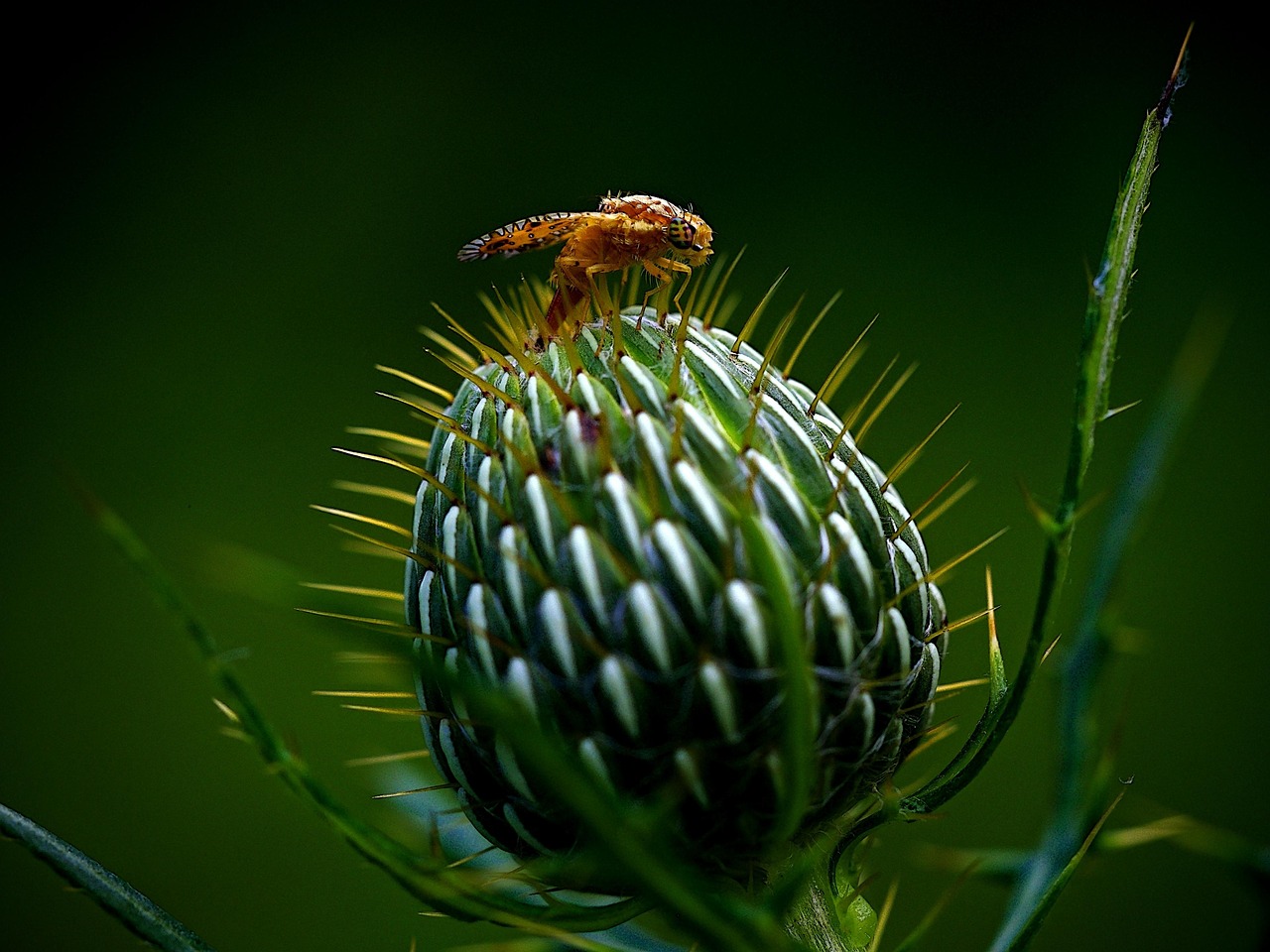
Common Tropical Plants at Home
Many of us might be familiar with popular tropical plants like the Monstera, Bird of Paradise, and Snake Plant. Each of these beauties has specific care needs and unique vulnerabilities. For instance, I remember when my Monstera started to droop, and I learned that it needed more humidity and consistent watering. It’s essential to know the specific requirements of your tropical plants, as this helps in their overall health, making them less susceptible to pests.
Understanding Pest Behavior in Tropical Climates
Living in a warm climate can be a double-edged sword. While it allows my tropical plants to thrive, it also creates an inviting environment for pests. I’ve noticed that pests such as aphids and spider mites love the humidity and warmth that tropical plants provide. Understanding their behavior is crucial. For instance, these pests tend to thrive and reproduce quickly during warm and humid conditions, making it essential to stay vigilant. I often check the undersides of leaves where pests like to hide, and I’ve found that the sooner I can identify a problem, the easier it is to manage.
Another vulnerability I discovered is related to the stress factors like overwatering or nutrient deficiency that can weaken plants, making them more attractive to pests. I learned this the hard way when I neglected my plants during a busy season and found them swarmed by mealybugs. It was a wake-up call to pay attention to their overall health, not just their beauty.
Seasonal Pest Challenges for Tropical Plants
Now that we have a grip on what tropical plants are and their vulnerabilities, let’s dive into the seasonal challenges that come with keeping pests at bay. Each season brings its own set of issues, and I’ve experienced firsthand how important it is to adapt my approach based on the time of year.
Spring: Emerging Threats
As spring rolls around, I find that my tropical plants start to awaken after a quiet winter. However, this is also when I often encounter emerging pests. I’ve seen aphids making their debut, especially on new growth where the tender leaves are juicy and inviting. To combat this, I recommend staying proactive by inspecting your plants regularly as new leaves emerge.
Summer: Peak Pest Activity
Summer is when the real battle begins. The heat and humidity create an ideal breeding ground for pests. I remember a summer when my garden was overrun with spider mites. They multiply so quickly that I had to act fast. I found that keeping up with watering and maintaining humidity helped my plants thrive, but I also made sure to check for signs of pests daily. Regular monitoring became a ritual for me—one I truly appreciated as I saw my plants flourish without the interference of unwanted guests.
Fall: Preparing for Cooler Weather
As the days start to cool, I’ve learned that pests do not just disappear. Instead, some begin to seek shelter, often in the warm nooks of my plants. I recall how I found a few spiders and even some scale insects trying to make a home in my potted plants. This is a good time to clean up any fallen leaves around your plants, as these can harbor pests. I also take this time to prepare my plants for indoor living, reducing the chance of pests hitching a ride inside.
Winter: Indoor Pest Management
Winter can be a tricky time for tropical plants, especially if you’re moving them indoors. I have experienced pest issues despite the cold outside. Aphids can still linger, and I’ve found that the dry indoor air can lead to spider mites returning. To manage this, I’ve started using a humidifier and keeping a close eye on the plants. Regular washing of the leaves with water can help keep pests at bay while also providing a little extra humidity.
By understanding the unique challenges each season brings, I feel more equipped to protect my tropical plants. Every change in the weather reminds me to adjust my care routine, keeping both my plants and myself in the best condition possible. This journey of learning and adapting has become a rewarding experience, one I cherish as I watch my tropical plants thrive.
Identifying Common Pests Affecting Tropical Plants
As I’ve cultivated my love for tropical plants, I’ve come to realize that knowing how to identify pests is just as important as knowing how to care for the plants themselves. It’s almost like learning a new language—one that can save your greenery from distress. Here are some of the common pests I’ve encountered in my gardening journey, along with tips on how to spot them.
Aphids
Aphids are one of the first pests I learned to recognize, and for good reason. These tiny, soft-bodied insects usually gather in clusters on the new growth of plants or the undersides of leaves. I remember the first time I noticed them on my newly sprouting Monstera. They were so small that they blended in perfectly with the foliage! They can be green, black, or even pink, and they tend to suck the sap from the plant, which can lead to wilting and yellowing leaves. If you see sticky residue or a black sooty mold on your plants, it’s likely that aphids are the culprits.
Spider Mites
Spider mites are another pest that can wreak havoc on tropical plants. They’re even smaller than aphids, making them easy to overlook. I often find them on the undersides of leaves, where they spin fine webs. I remember my shock when I first saw the webs on my plants; it was like a scene from a horror movie! These pests thrive in dry conditions and can cause leaf discoloration and drop. A telltale sign of spider mites is tiny yellow spots on the leaves, which are actually the damage from their feeding.
Whiteflies
Whiteflies are another pest that I’ve encountered, especially in my warmer months. They look like tiny, white moths that flutter around when you disturb the plant, which can be quite alarming! They typically gather on the undersides of leaves and feed on the plant sap. In my case, I noticed that my plants were becoming weak and stunted, and the leaves were starting to turn yellow. Whiteflies can also lead to the same sticky residue as aphids, so keeping an eye out for both these pests can save you a lot of trouble.
Mealybugs
Mealybugs have a distinctive appearance with their white, cottony bodies. I remember the first time I spotted them; they looked like tiny cotton balls clinging to the stems and leaf joints of my plants. They thrive in clusters and can weaken the plant significantly by sucking its sap. I found that the best way to deal with them is to gently wipe them off with a cotton swab dipped in alcohol. It felt satisfying to take back control of my plants!
Scale Insects
Scale insects are a bit trickier to spot because they resemble small bumps on the stems and leaves. I often mistook them for natural growth on my plants until I learned to look closely. They can be hard to eliminate since they have a protective shell. I found that using a soft brush to scrub them off works well, followed by a treatment with insecticidal soap. It’s crucial to catch them early, as they can multiply quickly and stress your plants.
By familiarizing myself with these common pests, I feel more empowered to protect my tropical plants. It’s all about being observant and proactive. The sooner we can spot these invaders, the more effectively we can address the problem, ensuring our plants stay healthy and vibrant. This part of my gardening experience has taught me to always keep an eye out and to appreciate the little details in my plants’ growth and health.
Preventive Measures to Keep Pests Away
As I’ve navigated the journey of keeping my tropical plants healthy, I’ve learned that prevention is often the best medicine. Implementing a few simple strategies can significantly reduce the likelihood of pest infestations. Here are some measures I’ve found helpful over the years.
Choosing the Right Location for Your Plants
Finding the perfect spot for my tropical plants was one of the first lessons I learned. They thrive in bright, indirect light, but too much direct sunlight can stress them out and make them more vulnerable to pests. I remember when I placed my beloved Bird of Paradise too close to a south-facing window. The leaves started to scorch, and soon after, I noticed some pests taking advantage of the weakened plant. I’ve since made it a point to observe how much light and airflow my plants receive. Choosing a location that balances light and ventilation has helped my plants stay healthy and resilient.
Soil Health and Drainage
Healthy soil is crucial for thriving plants. I discovered that using high-quality potting soil with good drainage can prevent root rot and other issues that attract pests. I’ve often seen pests thrive in waterlogged conditions, where stressed plants become easy targets. I learned to be careful about how much water I give my plants, allowing the soil to dry out slightly between waterings. Additionally, I often mix in perlite or sand to improve drainage. This not only keeps my plants happy but also creates an environment that’s less appealing to pests.
Companion Planting Strategies
In my experience, companion planting has been a fun and effective way to deter pests naturally. Pairing certain plants together can create a more balanced ecosystem in my garden. For example, I’ve planted marigolds alongside my tropical plants because they are known to repel aphids and other pests. I also like to include herbs like basil and mint, which not only add flavor to my meals but also help deter unwanted visitors. It’s been rewarding to see how these companion plants thrive together while providing protection for my tropical beauties.
Physical Barriers and Traps
Sometimes, a little extra effort can go a long way. I’ve found that using physical barriers, like row covers or mesh fabric, can effectively keep pests away from my plants. This is especially useful during peak pest seasons, like summer. I remember using row covers on my young plants, and it was like creating a safe haven. I also set up sticky traps around my plants to catch flying pests like whiteflies and fungus gnats. It felt satisfying to see those traps doing their job, and it gave me peace of mind knowing I was being proactive.
Implementing these preventive measures has made a significant difference in my gardening experience. By taking the time to create a healthy environment for my tropical plants, I’ve seen fewer pest problems. It’s a continuous learning process, but these small steps have contributed to my plants’ overall health and resilience.
Organic Pest Control Solutions
Despite our best efforts, pests can still find their way into our gardens. When that happens, I prefer to turn to organic solutions that are safe for both my plants and the environment. Over the years, I’ve experimented with several pest control methods that have proven effective and gentle. Read Interesting article: Effective Organic Solutions to Manage Tropical Plant Pests
Neem Oil: Benefits and Application
One product that has become a staple in my gardening toolkit is neem oil. Derived from the seeds of the neem tree, this oil is a natural pesticide that disrupts the lifecycle of many common pests. I remember the first time I used it; I mixed a few drops of neem oil with water and sprayed it on the affected leaves. The results were impressive! Not only did it help to eliminate pests like aphids and spider mites, but it also seemed to strengthen my plants’ defenses. I usually apply neem oil every couple of weeks during peak pest season, and I always make sure to do it in the evening to protect beneficial insects.
Insecticidal Soap: How It Works
Insecticidal soap has also been a lifesaver for me. It works by suffocating soft-bodied insects like aphids and mealybugs. The first time I used it, I thought, “Why didn’t I try this sooner?” I mixed the soap with water and sprayed it directly on the pests. It’s safe for most plants, and I love that it breaks down quickly, leaving no harmful residue. I’ve found that treating my plants with insecticidal soap every few weeks helps keep pests at bay, especially during the growing season.
Homemade Remedies: Garlic and Chili Spray
One of my favorite homemade remedies is a garlic and chili spray. I love cooking with garlic, so it’s easy to whip up this natural pest deterrent. I blend a few cloves of garlic with some hot peppers and water, then strain the mixture into a spray bottle. This pungent spray can deter many pests, and it makes my plants smell interesting! I’ve noticed a decrease in pests after applying this spray, and it’s a great way to use ingredients I already have at home.
Turning to organic solutions has made pest management feel less daunting for me. These methods are not only effective but also align with my values of being environmentally conscious. They allow me to protect my tropical plants while still caring for the planet, which is a win-win in my book.
Chemical Pest Control Options
While I prefer organic methods whenever possible, I’ve learned that sometimes, chemical pest control options are necessary. Understanding the types of pesticides available and how to use them safely has been crucial in my gardening journey. There are times when a more aggressive approach is needed to protect my tropical plants. Read Interesting article: Effective Chemical Treatments for Tropical Plant Pests
Understanding Pesticide Types
The world of pesticides can be overwhelming, but I’ve discovered a few key types that can be effective against pests. There are broad-spectrum pesticides that target a wide range of insects, but I tend to avoid those because they can harm beneficial insects too. Instead, I gravitate towards selective pesticides that focus on specific pests without causing widespread damage to the ecosystem. Knowing the difference has helped me make better choices for my plants and the environment.
How to Safely Use Chemical Treatments
If I decide to use chemical treatments, safety is always my top priority. I remember the first time I used a pesticide; I was so nervous about the potential harm to my plants and the surrounding wildlife. I’ve learned to read labels carefully and follow the application instructions meticulously. I make it a rule to apply pesticides during the early morning or late evening when beneficial insects are less active. Wearing gloves and a mask is also essential to protect myself from harmful exposure. This thoughtful approach has made me feel more confident in using these treatments when necessary.
Environmental Considerations and Safety Precautions
I always consider the environmental impact of chemical treatments. I’ve seen how pesticides can drift and affect nearby plants and wildlife, so I’m mindful about where I spray. Using targeted applications instead of broadcasting the pesticide can minimize this risk. Additionally, I always ensure that the area is well-ventilated if I’m spraying indoors. By taking these precautions, I can feel more at ease knowing I’m being responsible while still addressing pest issues.
Monitoring and Maintenance Tips
Ongoing care is vital for keeping my tropical plants healthy and pest-free. I’ve found that being diligent about monitoring and maintenance can prevent issues before they escalate. Here are some practices that have worked well for me.
Regular Inspection Practices
I can’t stress enough how crucial regular inspections are. I make it a habit to check my plants weekly for any signs of pests or stress. During these inspections, I look closely at both the tops and undersides of leaves, stems, and even the soil. This proactive approach has allowed me to catch problems early. I remember discovering spider mites just in time to treat them before they caused significant damage.
Signs of Pest Infestation
Part of my inspection routine includes knowing the signs of pest infestations. Yellowing leaves, wilting, or a sticky residue are all red flags. I’ve also learned to recognize unusual leaf shapes or spots, as these can indicate a pest problem. By being vigilant and observant, I can take action before my plants suffer too much. It’s amazing how much I’ve learned just by paying close attention.
Pruning and Plant Care for Healthier Growth
In my experience, regular pruning has helped keep my plants healthier and more resilient against pests. I’ve found that removing dead or yellowing leaves not only improves air circulation but also reduces hiding spots for pests. I also take time to ensure my plants are well-fed with nutrients and watered appropriately. This holistic approach to plant care has made a significant difference in their overall health and ability to fend off pests.
Seasonal Calendar for Pest Management
Creating a seasonal calendar has been a game changer for managing pests effectively. By mapping out key tasks for each season, I’ve felt more organized in my care routine.
Spring Checklist for Pest Prevention
As spring arrives, I focus on inspecting my plants after winter dormancy. I check for any leftover pests that may have survived and apply preventive measures, ensuring my plants are healthy and ready for growth.
Summer Care: Active Monitoring
During summer, active monitoring is crucial. I set reminders for daily checks, especially for pests like spider mites and aphids that thrive in the heat. I’ve learned to maintain humidity and watering schedules, which helps keep pests at bay.
Fall Preparation and Cleanup
In the fall, I make sure to clean up fallen leaves and debris around my plants. This not only helps prevent pests but also prepares my plants for winter. I also assess which plants need to be brought indoors and check them for any hitchhiking pests.
Winter Indoor Care Strategies
Finally, winter care is all about keeping an eye on indoor plants. I ensure they receive adequate humidity and light, while also regularly checking for pests that may have come inside with them. This awareness helps me maintain a healthy indoor environment for my tropical beauties.
Final Thoughts
Through my journey with tropical plants, I’ve learned that caring for them isn’t just about keeping pests at bay; it’s about nurturing a thriving ecosystem. By understanding their needs and vulnerabilities, implementing preventive measures, and knowing how to respond to challenges, I feel more equipped to enjoy the beauty these plants bring to my home. Gardening has taught me patience, observation, and the importance of adapting our care strategies as seasons change. In my opinion, taking the time to learn about and understand our plants makes all the difference in creating a lush, vibrant garden that can withstand the tests of nature.
Frequently Asked Questions
What are some common tropical plants that people grow at home?
Common tropical plants that many people grow at home include the Monstera, Bird of Paradise, and Snake Plant. Each of these plants has specific care needs and unique vulnerabilities.
What pests are commonly found on tropical plants?
Common pests affecting tropical plants include aphids, spider mites, whiteflies, mealybugs, and scale insects. Each of these pests has distinct characteristics and can cause various types of damage to plants.
How can I identify aphids on my tropical plants?
Aphids are tiny, soft-bodied insects that usually gather in clusters on the new growth or undersides of leaves. They can be green, black, or pink and often produce sticky residue or black sooty mold on the plants.
What should I do if I find spider mites on my plants?
Spider mites are small pests that can cause leaf discoloration and drop. They are often found on the undersides of leaves and can spin fine webs. Regular monitoring and treating with insecticidal soap or neem oil can help manage them.
What preventive measures can I take to keep pests away from tropical plants?
Preventive measures include choosing the right location for your plants, ensuring soil health and good drainage, using companion planting strategies, and employing physical barriers and traps to deter pests.
What is neem oil, and how can it help with pest control?
Neem oil is a natural pesticide derived from the seeds of the neem tree. It disrupts the lifecycle of pests like aphids and spider mites and can be applied every couple of weeks during peak pest season to strengthen plants’ defenses.
What is the role of insecticidal soap in pest management?
Insecticidal soap suffocates soft-bodied insects like aphids and mealybugs. It breaks down quickly, leaving no harmful residue, making it a safe option for treating pest infestations on most plants.
How can I create a seasonal calendar for pest management?
A seasonal calendar for pest management involves mapping out key tasks for each season, such as inspecting plants in spring, active monitoring in summer, cleanup in fall, and maintaining humidity and light for indoor plants during winter.
What are some signs of pest infestation in tropical plants?
Signs of pest infestation include yellowing leaves, wilting, sticky residue, unusual leaf shapes or spots, and visible pests on the plant. Regular inspections can help catch these issues early.
How can I safely use chemical treatments if necessary?
When using chemical treatments, it’s important to read labels carefully, apply pesticides during early morning or late evening, wear protective gear, and use targeted applications to minimize environmental impact.