
Visiting Death Valley in winter 2026 is an exceptional choice for travelers seeking mild temperatures and unique landscapes. This guide provides essential insights, safety tips, and activities that will make your winter visit memorable.
Why Winter is the Best Time to Visit Death Valley
Winter is a fantastic time to explore Death Valley. With mild temperatures and fewer crowds, you can truly enjoy the park’s stunning beauty. Let’s dive into why winter is the perfect season for your visit.
Mild Weather Conditions
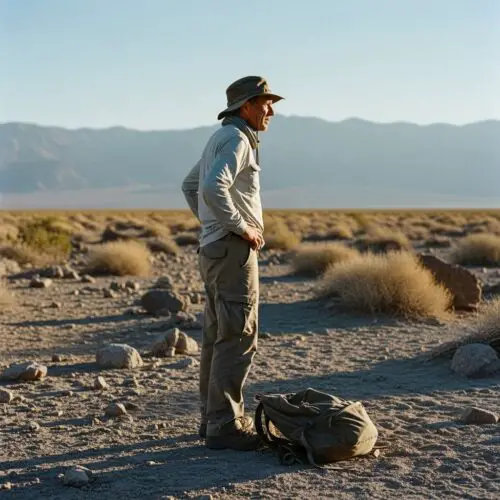
During winter, Death Valley enjoys pleasant temperatures. Daytime highs usually hover in the 70s°F (20-25°C). Nights can get chilly but rarely dip below freezing. This weather makes winter hiking and exploring much more enjoyable than the scorching summer months.
Quick Weather Facts:
- Daytime temps: 70s°F (20-25°C)
- Night temps: Just above freezing
- Rain: Very rare
Fewer Crowds and Enhanced Experiences
Visiting in winter means fewer visitors. December, especially mid-month, sees the least foot traffic. This means you can enjoy the park’s iconic spots without the hustle and bustle. Imagine capturing stunning photos of the Mesquite Flat Sand Dunes at sunset with barely anyone around!
Table of Contents
Benefits of Fewer Crowds:
- More peaceful experience
- Easier access to popular sites
- Better opportunities for wildlife sightings
Unique Winter Landscapes
Winter transforms Death Valley into a breathtaking wonderland. The crisp air and soft sunlight create stunning contrasts in the landscape. You’ll see the stark beauty of the mountains against the clear blue sky. Plus, the cooler temperatures mean you can hike comfortably without breaking a sweat.
Winter Activities to Consider:
- Hiking: Trails are more accessible and enjoyable.
- Photography: Ideal conditions for capturing the park’s beauty.
- Wildlife Watching: Look for unique winter wildlife.
Traveler Insight: One visitor shared, “I loved the tranquility of Death Valley in winter. Hiking through the serene landscapes felt like a dream. I captured some of my best photographs during this time!”
If you’re ready to hit the trails, don’t forget to pack your gear! Consider investing in some Winter hiking gear for Death Valley to make the most of your adventure.
Essential Winter Activities in Death Valley
Winter is a fantastic time to explore Death Valley. The weather is mild, and the landscapes are breathtaking. Here are some of the best activities to enjoy during your winter visit.
Best Hiking Trails for Winter
Hiking in Death Valley during winter is a must. The cooler temperatures make it a comfortable time to hit the trails. Here are some top trails to consider:
- Golden Canyon Trail: A relatively easy hike with stunning views of the canyon walls. It’s about 3 miles round-trip.
- Mosaic Canyon: Explore smooth, polished walls and fascinating rock formations. This hike is short but offers great photo ops.
- Telescope Peak: For the adventurous, this challenging trail rewards you with panoramic views at the summit.
Tip: Start your hikes early in the day. This way, you can enjoy the cool morning air and capture beautiful sunrise photos.
Photography Opportunities During Winter
Winter light in Death Valley is magical. The softer sunlight enhances the colors of the landscape. Here are some prime photography spots:
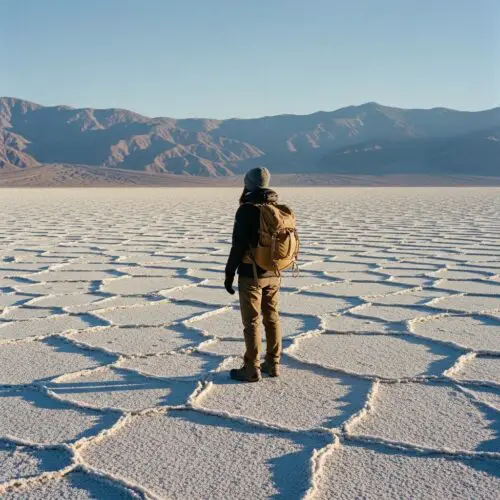
- Badwater Basin: Capture stunning reflections in the salt flats, especially at sunrise or sunset.
- Zabriskie Point: Famous for its unique formations, this spot is stunning at dawn.
- Mesquite Flat Sand Dunes: The changing patterns in the sand create beautiful compositions, especially with morning light.
Tip: Bring a tripod! It will help you stabilize your shots, especially in low-light conditions.
Wildlife Viewing in a Cooler Climate
Winter brings unique wildlife sightings in Death Valley. As temperatures drop, some animals become more active. Keep an eye out for:
- Desert Bighorn Sheep: Often seen in the cooler months, especially in the mountains.
- Coyotes: These clever creatures are more visible during the day in winter.
- Rabbits and Lizards: Look for them during warm afternoons on the trails.
Tip: Bring binoculars for a better view and be sure to maintain a respectful distance from wildlife.
With these winter activities, you’re set for an unforgettable adventure in Death Valley! Don’t forget to gear up for the trails. Consider investing in some Winter hiking gear for Death Valley to ensure you’re well-prepared for your explorations.
What to Wear and Bring for a Winter Visit
Planning a winter trip to Death Valley? You’ll want to be prepared for chilly temperatures and changing weather. Here’s what to wear and bring to ensure your adventure is both safe and enjoyable.
Layering for Comfort
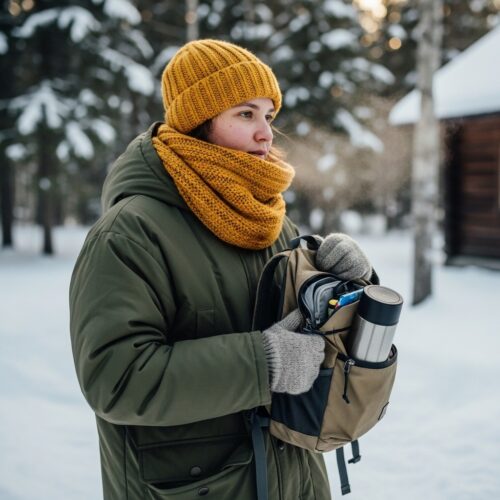
Layering is key when dressing for winter in Death Valley. Mornings and nights can get quite cold, while afternoons warm up nicely. Here’s a simple layering guide:
- Base Layer: Start with a moisture-wicking shirt. This helps keep sweat away.
- Mid Layer: Add an insulating layer like a fleece or a light down jacket. This keeps you warm.
- Outer Layer: Finish with a windproof and waterproof jacket. It protects against unexpected weather.
Essential Gear for Hiking
When hitting the trails, having the right gear is crucial. Here’s a list of essentials:
- Sturdy Hiking Boots: Look for waterproof and insulated options.
- Hat and Gloves: Keep your extremities warm, especially in the early morning.
- Backpack: A comfortable daypack is great for carrying water and snacks.
- Trekking Poles: These can help stabilize you on uneven terrain.
- First Aid Kit: Always good to have on hand, just in case.
What to Pack for Day Trips
For a day trip in Death Valley, packing smart is essential. Here’s a handy checklist:
- Water: At least 2 liters per person.
- Snacks: High-energy foods like nuts, granola bars, or trail mix.
- Camera: Capture those stunning winter landscapes. Winter light is fantastic for photography!
- Binoculars: Great for wildlife watching, especially for spotting the Desert Bighorn Sheep.
- Map or GPS: Know where you’re going and stay safe.
By preparing with the right clothing and gear, you’ll have a comfortable and memorable experience in Death Valley this winter. Don’t forget to check out some Winter hiking gear for Death Valley to ensure you’re well-equipped for your explorations!
Safety Tips for Hiking in Winter
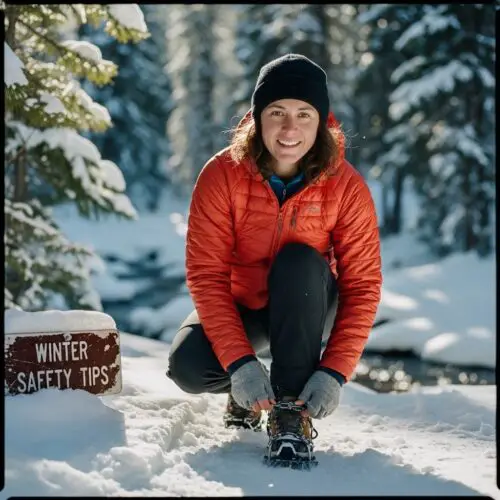
Hiking in Death Valley during winter can be an incredible experience, but safety should always be a priority. Let’s dive into some essential tips to keep you safe on the trails.
Understanding Winter Weather Patterns
Winter weather in Death Valley can be unpredictable. Daytime temperatures can be mild, usually ranging between 60°F to 70°F (15°C to 21°C). However, nights can drop to near freezing.
- Check the forecast: Always look for up-to-date weather reports before your trip.
- Dress in layers: This allows you to adjust as temperatures change throughout the day.
- Be aware of wind chill: It can make cold temperatures feel even colder.
Trail Safety Precautions
Safety on the trails is key. Here’s what you need to know:
- Know your limits: Choose trails that match your fitness level. For beginners, start with well-marked paths like the Badwater Basin and Mesquite Flat Sand Dunes.
- Stay on marked trails: It’s easy to get lost in the expansive park, especially if you stray off the beaten path.
- Hiking times: Start your hikes early. This gives you plenty of daylight to complete your adventure safely.
Emergency Preparedness in the Desert
Being prepared for emergencies can make all the difference. Here are some tips:
- Carry a first-aid kit: A basic kit can resolve minor injuries.
- Bring extra water: It’s essential to stay hydrated. Carry at least 2 liters.
- Tell someone your plans: Share your itinerary with a friend or family member. This way, someone will know where you are if something goes wrong.
Checklist for Winter Hiking Preparation
Here’s a quick checklist to ensure you’re ready for your winter hike:
- Water: Minimum of 2 liters per person.
- Snacks: High-energy foods like nuts or protein bars.
- Warm clothing: Layers are key for temperature changes.
- Map or GPS: Essential for navigation.
- Emergency gear: First-aid kit and flashlight.
By keeping these safety tips in mind, you’ll be well-equipped for an enjoyable and safe winter hiking experience in Death Valley.
Accommodation Options in Death Valley for Winter Travelers
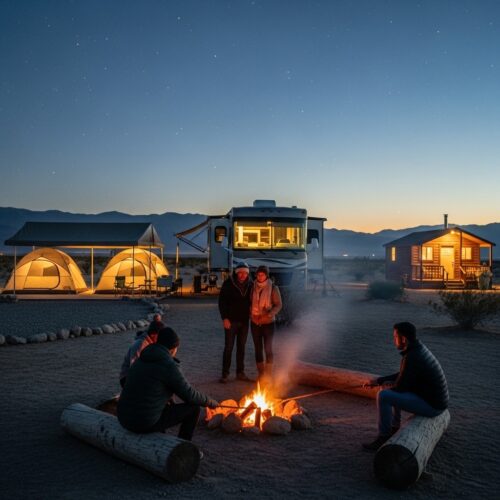
Planning where to stay during your winter visit to Death Valley can enhance your experience. You have a mix of options, from cozy hotels to adventurous campsites. Let’s dive into the best places to rest your head.
Best Hotels and Campsites
Death Valley offers various accommodations to suit different tastes and budgets. Here are some popular choices:
- The Inn at Death Valley: A historic hotel with stunning views and comfortable amenities. Perfect for those who want a bit of luxury.
- Furnace Creek Ranch: A family-friendly spot with a range of lodging options, including cabins and RV sites. It’s a great base for winter explorations.
- Stovepipe Wells Village: Offers rustic charm with easy access to nearby attractions like the Mesquite Flat Sand Dunes. Ideal for nature lovers.
- Camping: For the adventurous, camping under the stars is an unforgettable experience. Check out Furnace Creek Campground or Mesquite Flat Campground for designated sites.
Booking Tips for Winter Visits
Winter is a popular time to visit Death Valley, so booking in advance is key. Here are some tips to consider:
- Reserve Early: Many accommodations fill up quickly during winter. Aim to book at least a few months in advance.
- Check for Deals: Look for winter specials or packages that might include meals or guided tours.
- Flexibility: If possible, be flexible with your travel dates. Midweek stays often offer better rates and fewer crowds.
Dining Options in the Park
When hunger strikes, Death Valley has some unique dining experiences. Here are a few to consider:
- The Inn at Death Valley Dining Room: Offers a refined menu with local ingredients and stunning views.
- Furnace Creek Ranch: Features a casual eatery with hearty meals perfect for refueling after a day of exploring.
- Picnic Areas: For a more relaxed dining experience, pack a lunch and enjoy it at one of the many picnic spots throughout the park.
By keeping these accommodation options and tips in mind, you’ll be well-prepared for your winter adventure in Death Valley!
Planning Your Itinerary: A Sample 3-Day Winter Guide
Ready for an unforgettable winter getaway? Here’s a sample 3-day itinerary for Death Valley that’ll help you make the most of your trip in 2026. Let’s dive into the highlights and activities you won’t want to miss!
Day 1: Arrival and Short Hikes
- Morning: Arrive at Furnace Creek. Check into your accommodation.
- Afternoon: Head to Golden Canyon for a quick hike. It’s an easy trail with stunning views.
- Evening: Catch the sunset at Zabriskie Point. The colors are breathtaking!
Day 2: Photography and Exploration
- Morning: Early morning shoot at Badwater Basin, the lowest point in North America. The salt flats are mesmerizing!
- Midday: Visit Devil’s Golf Course. The unique formations make for great photos.
- Afternoon: Explore Mesquite Flat Sand Dunes. Try some sandboarding or just enjoy the views.
- Evening: Set up for night photography. The stars in Death Valley are incredible!
Day 3: Wildlife and Departure
- Morning: Wake up early for a guided tour or self-guided hike at Telescope Peak. You might spot some desert wildlife, like bighorn sheep.
- Midday: Check out Furnace Creek Ranch for lunch. Refuel and soak in the scenery.
- Afternoon: Before you leave, swing by the Borax Museum to learn about the area’s history.
- Evening: Depart Death Valley, filled with amazing memories and photos.
Quick Tips for Your Trip
- Prepare for Weather: Daytime temperatures are mild, but nights can be chilly. Dress in layers!
- Stay Hydrated: Bring plenty of water, especially if you’re hiking.
- Photography Gear: Don’t forget your camera! The light in winter is perfect for capturing the landscape.
This flexible itinerary can be adjusted based on your interests. Whether you’re a hiker, photographer, or history buff, Death Valley in winter has something special for everyone!
Frequently Asked Questions
These quick answers cover the most common questions about this topic, including key details, practical tips, and common concerns.
Is Death Valley worth visiting in winter?
Yes, winter is one of the best times to visit Death Valley. The weather is mild, with daytime temperatures around 70°F (20-25°C), making outdoor activities comfortable. Fewer visitors mean more peaceful exploration and better photography opportunities. The landscape’s winter transformation offers unique sights like snow-capped peaks and crisp desert air.
When not to visit Death Valley?
Avoid visiting during the peak summer months (June to August) due to extreme heat that can exceed 120°F (49°C), posing serious health risks. Also, be cautious during winter storms or heavy rain, which can lead to road closures or unsafe conditions. Always check current park alerts before planning your trip.
What to wear in Death Valley in December?
Dress in layers to adapt to changing temperatures. Start with a moisture-wicking base layer, add an insulating mid-layer like fleece, and top with a windproof outer shell. Wear sturdy hiking boots, a hat, and gloves for early mornings and evenings when it’s colder. Sun protection is still important during the day.
How many people have died at Death Valley National Park?
Death Valley has a history of fatalities, mainly due to heat-related illnesses, vehicle accidents, and hiking accidents. Exact numbers vary annually, but the park has safety guidelines to prevent incidents. Visitors should stay hydrated, avoid strenuous activities during the hottest parts of the day, and follow park safety advice.
What are the best hikes in Death Valley during winter?
Winter offers comfortable hiking conditions on trails like Golden Canyon, Mosaic Canyon, and Telescope Peak. These hikes provide stunning scenery and wildlife viewing opportunities. Always start early to enjoy cooler temperatures and avoid afternoon heat, and carry plenty of water and navigation tools.
Are there any road closures in winter?
Some roads and access points may close temporarily due to weather conditions, such as snow or rain. The park’s main roads, like Badwater Road and Furnace Creek Road, are usually open year-round, but check current alerts before your trip. Snow is rare but possible at higher elevations like Telescope Peak.
What wildlife can I see in Death Valley in winter?
Winter is a good time to spot desert bighorn sheep, coyotes, and smaller animals like rabbits and lizards. Cooler temperatures bring some animals to more active states, especially in the mornings and evenings. Binoculars help with wildlife observation, and always maintain a respectful distance.
How cold does it get in Death Valley at night?
Nighttime temperatures in winter can drop close to freezing, especially in December. While daytime is mild, be prepared for chilly nights by packing warm clothing and sleeping gear if camping. The clear desert sky also means rapid temperature drops after sunset.