
The snake plant, also known as Sansevieria, is often regarded as a symbol of good luck and prosperity. Many cultures believe that having this resilient plant in your home can attract positive energy and enhance well-being [1]. This guide explores the significance of the snake plant and its beneficial properties.
Table of Contents
Understanding the Snake Plant: A Symbol of Good Luck

The snake plant holds deep cultural significance as a symbol of good luck and prosperity. Many believe that its presence in homes attracts positive energy and enhances well-being. Let’s explore its origins and interpretations across various cultures.
The Origins of Snake Plant Symbolism
The snake plant, or Sansevieria, has roots in African traditions. Historically, it was used as a protective talisman in households, representing strength and resilience. In many cultures, its ability to thrive under harsh conditions symbolizes persistence and success. As a result, people began associating the snake plant with good fortune and prosperity.
Cultural Interpretations of Luck
Across the globe, the snake plant is often referred to as the “Lucky Plant” or “Prosperity Plant.” In Chinese culture, it is believed to bring wealth and positive energy, making it a popular addition to homes and businesses. Many place it near entryways or workspaces to invite good luck and financial success. In Feng Shui, its upright leaves are thought to ward off negative energy and transform it into positive forces. The configuration of its leaves symbolizes strength and stability, enhancing its reputation as a good luck charm [1][3].
Why It’s Called the ‘Lucky Plant’
The nickname “Lucky Plant” stems from its strong cultural associations with good fortune. Its symbolism is prevalent in various belief systems. For instance, in African culture, it signifies protection and vitality. In contrast, Chinese traditions emphasize its role in attracting prosperity and abundance. The plant not only beautifies spaces but also serves as a reminder of resilience and the potential for growth.
Key Benefits of the Snake Plant:
- Air Purification: Known for its ability to filter toxins from the air, improving indoor air quality.
- Low Maintenance: Thrives with minimal care, making it suitable for busy lifestyles.
- Versatile Decor: Fits well in various interior designs, enhancing visual appeal while promoting positive energy.
Incorporating a snake plant into your home decor not only elevates the aesthetic but also invites a sense of tranquility and fortune. Its rich symbolism and practical benefits make it a compelling choice for anyone looking to enhance their living environment.
Feng Shui Principles: Placement for Prosperity
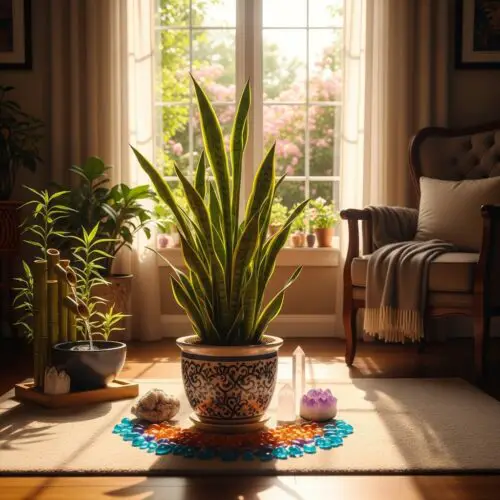
Strategically positioning your snake plant can enhance its ability to attract good luck and positive energy. Follow these tips based on Feng Shui principles to optimize your plant’s placement.
Best Locations to Position Your Snake Plant
- Living Room: Place the snake plant in the living area to invite prosperity. This space is the heart of your home and enhances the flow of positive energy [5].
- Work Area: Position the snake plant on your desk or in your study. It sharpens mental clarity and stimulates creativity, creating an environment conducive to success [2].
- Restroom: Surprisingly, the restroom is an ideal location. The snake plant thrives in low-light conditions, helping to repel negative energy and purify the air [6].
- Entrance: Positioning a snake plant near the entrance welcomes guests and good fortune into your home. Its vigorous growth symbolizes prosperity [1].
Avoiding Common Placement Mistakes
- Neglecting Care: A neglected snake plant can foster negative associations. Ensure it receives adequate light and water to maintain its health [8].
- Crowding: Avoid placing it in overly cluttered areas. Feng Shui emphasizes space for energy to flow freely.
- Ignoring Direction: According to Feng Shui, avoid placing the snake plant in direct line with sharp corners or pointed objects, as these can create negative energy.
How Placement Affects Energy Flow
The position of your snake plant significantly impacts the energy dynamics in your home. Proper placement can enhance its good luck attributes:
- Enhances Air Quality: Snake plants purify the air by removing toxins, contributing to a healthier living environment [7].
- Symbolizes Resilience: The plant’s upright leaves represent strength and resilience. A well-placed snake plant reinforces these qualities in your environment.
By following these guidelines, you can maximize the good luck potential of your snake plant.
The Air Purification Benefits of Snake Plants
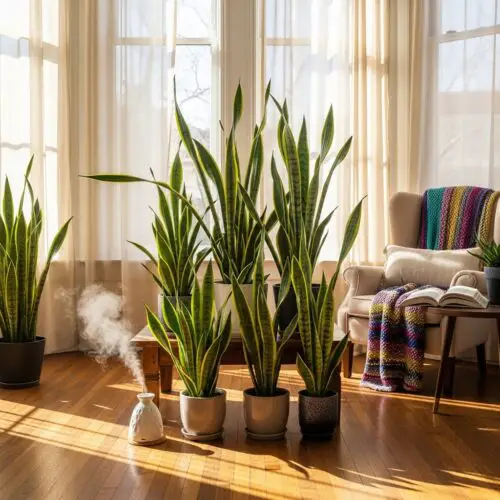
Snake plants are not just symbols of good luck; they are also powerful air purifiers. Their ability to cleanse indoor air enhances not only your home’s aesthetic but also its overall health.
How Snake Plants Clean the Air
These resilient plants effectively remove toxins from the air. They absorb harmful substances like formaldehyde and benzene, improving indoor air quality. Studies show that snake plants can significantly reduce these pollutants, making the environment healthier for you and your family [6][7].
The Science Behind Their Purifying Powers
Research conducted by NASA and other institutions highlights the snake plant’s effectiveness in air purification. The plant’s leaves harbor specialized structures that facilitate the absorption of toxins. For instance, a study found that potted snake plants could remove formaldehyde from indoor air, demonstrating their cleaning capabilities [6].
Ideal Conditions for Optimal Purification
To maximize the air purification benefits of snake plants, consider these factors:
- Light: Snake plants thrive in indirect sunlight but can tolerate low light.
- Watering: Allow the soil to dry out completely between watering to prevent root rot.
- Placement: Position snake plants in rooms with high traffic or areas that feel stagnant.
By ensuring these conditions, you enhance the plant’s ability to purify the air. A well-placed snake plant not only beautifies your space but also reinforces the positive energy associated with good luck and prosperity.
Spiritual Meanings and Symbolism of the Snake Plant
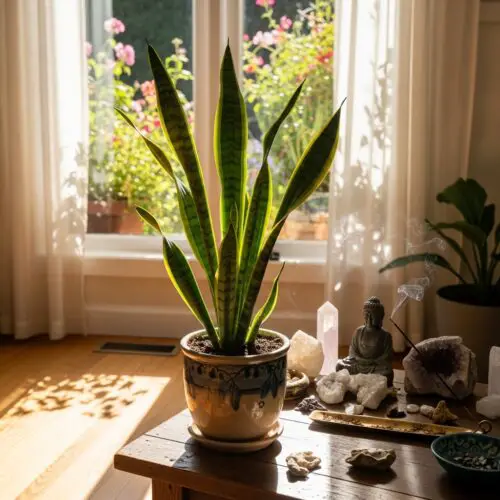
The snake plant, also known as Dracaena trifasciata, holds rich spiritual meanings across various cultures. Many believe it brings good luck and prosperity into the home. Its unique characteristics make it a symbol of protection and resilience.
The Snake Plant as a Spiritual Protector
The snake plant is often referred to as a “guardian plant.” It is believed to ward off negative energies and bad luck. This protective quality is why many people place it near entryways or windows. It acts as a barrier against unwanted influences, ensuring a harmonious atmosphere in your space. By inviting the snake plant into your home, you create a sanctuary filled with positive energy and balance, reinforcing its role as a symbol of good fortune [4].
Enhancing Mental Clarity and Focus
In addition to its protective qualities, the snake plant is known to enhance mental clarity and focus. Its calming presence can help reduce mental clutter, allowing for better concentration. Many individuals choose to place snake plants in their workspaces or study areas. The plant’s ability to purify the air contributes to a more productive environment, supporting creativity and insightful thinking [1][6].
Symbolism of Growth and Resilience
The upright growth of the snake plant represents resilience and vitality. Its ability to thrive in various conditions symbolizes strength and adaptability. This makes it an ideal addition for those seeking to foster growth in their personal or professional lives. By integrating the snake plant into your decor, you invite not only beauty but also a reminder of perseverance and positive progression [9].
-
Key Benefits of the Snake Plant:
- Attracts good luck and prosperity.
- Cleanses spaces of negative energy.
- Supports mental clarity and focus.
- Symbolizes growth and resilience.
Incorporating the snake plant into your life may provide spiritual benefits that enhance both your environment and your mindset. Personal stories abound of individuals experiencing a newfound sense of peace and prosperity after welcoming this remarkable plant into their homes.
Practical Care Tips for Your Snake Plant
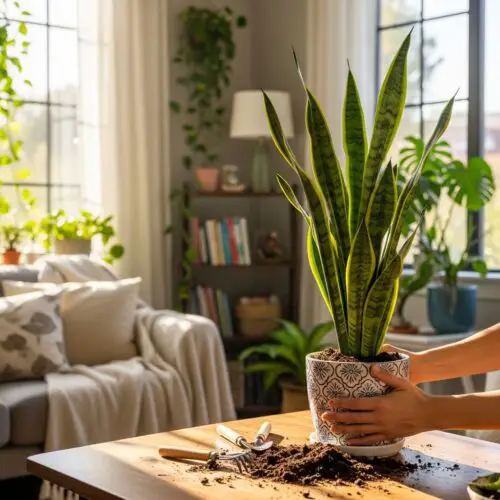
To ensure your snake plant thrives and continues to attract good luck, follow these essential care tips. A well-cared-for snake plant not only enhances your home decor but also boosts its positive energy.
Watering and Light Requirements
- Water Sparingly: Allow the soil to dry out completely between waterings. Overwatering can lead to root rot.
- Light Conditions: Place your snake plant in bright, indirect light for optimal growth. It can also tolerate low light, but growth may slow down.
- Check Soil Moisture: Use your finger to check the top inch of soil. If it’s dry, it’s time to water.
Common Pests and Diseases
- Monitor for Pests: Keep an eye out for spider mites and mealybugs. If detected, treat them with insecticidal soap.
- Signs of Disease: Yellowing leaves may indicate overwatering. Adjust your watering schedule to prevent further issues.
- Avoid Fungal Issues: Ensure proper air circulation around the plant to minimize the risk of fungal infections.
Repotting and Maintenance Tips
- Repot Every 2-3 Years: When roots outgrow the pot, repot into a slightly larger container with fresh potting soil.
- Dust Leaves Regularly: Wipe leaves with a damp cloth to keep them clean and enhance their air-purifying qualities.
- Fertilize Sparingly: Feed your snake plant with a balanced fertilizer only during the growing season (spring and summer).
By following these straightforward care tips, you can maintain your snake plant’s health and maximize its good luck properties. Remember, the right care enhances not just the plant’s beauty but also its ability to bring prosperity and positive energy into your space.
Debunking Myths: Snake Plant Misconceptions

Many people believe snake plants bring bad luck. This misconception can overshadow their true benefits. Understanding the facts can help clarify why snake plants are considered symbols of good fortune.
Myth: Snake Plants Bring Bad Luck
One prevalent myth claims that snake plants attract negative energy. This stems from cultural superstitions and misinterpretations. However, there’s no scientific evidence to support this belief. In fact, snake plants are often regarded as symbols of resilience and prosperity. Their ability to thrive in various environments makes them a favorite among plant enthusiasts.
Fact: The Real Benefits of Snake Plants
Snake plants offer numerous advantages. They purify the air by removing toxins such as formaldehyde and benzene. This contributes to a healthier living space. Additionally, their low-maintenance nature makes them ideal for busy lifestyles.
Here are some key benefits:
- Air Purification: Snake plants improve indoor air quality by filtering pollutants.
- Decorative Appeal: Their striking leaves enhance home decor.
- Feng Shui Applications: In Feng Shui, they attract positive energy and prosperity when placed correctly in your home [1].
Why Misconceptions Persist
Misunderstandings about snake plants often arise from cultural beliefs and anecdotal experiences. Some people misinterpret their appearance or growth habits as signs of bad luck. Others may rely on outdated folklore rather than scientific insights. It’s essential to educate yourself and others about snake plants’ true attributes.
Consider this: homes that incorporate snake plants often report increased feelings of tranquility and well-being. Feng Shui practitioners recommend placing them in living areas to maximize their positive energy. By dispelling myths, we can appreciate the snake plant’s role as a bringer of good luck and prosperity in our lives.
Comparison: Snake Plant vs. Other Lucky Houseplants

When considering good luck houseplants, the snake plant stands out among its peers. Its unique qualities and symbolism make it a popular choice for many. Let’s compare the snake plant with other well-known lucky plants like bamboo and pothos.
How Snake Plants Stack Up Against Bamboo
Bamboo is often celebrated for its ability to attract good fortune. Here are key differences:
| Feature | Snake Plant | Bamboo |
|---|---|---|
| Symbolism | Prosperity and resilience | Luck and flexibility |
| Care Requirements | Low maintenance, tolerates neglect | Moderate care, needs water regularly |
| Feng Shui Benefits | Wards off negative energy | Attracts positive energy |
| Air Purification | Excellent air purifier | Moderate air purification |
The snake plant symbolizes resilience. It thrives even in low-light conditions, making it ideal for busy lifestyles. In contrast, bamboo requires more attention and can’t withstand neglect as well. Both plants enhance home decor and promote positivity, but snake plants excel in resilience and ease of care.
Snake Plants vs. Pothos for Luck
Pothos is known for attracting positive energy. Let’s compare their characteristics:
| Feature | Snake Plant | Pothos |
|---|---|---|
| Growth Rate | Slow, steady growth | Fast-growing |
| Symbolism | Good luck and protection | Prosperity and abundance |
| Placement Benefits | Ideal for entryways | Great for hanging baskets |
| Care Requirements | Low maintenance | Easy but needs regular watering |
Pothos grows quickly and can be a vibrant addition to any space. However, it requires consistent watering and care. The snake plant’s slow growth reflects its steadfastness. Both plants are beneficial, but snake plants are easier to maintain, making them better for those with busy schedules.
Unique Qualities of Snake Plants
The snake plant has several unique attributes that distinguish it from other lucky plants:
- Air Purification: Snake plants are renowned for their ability to purify indoor air, removing toxins and improving air quality. This quality adds to their reputation as a good luck charm [8].
- Cultural Significance: In various cultures, the snake plant represents protection against misfortune. It is often placed near entry points to safeguard the home.
- Versatility: Suitable for various environments, snake plants thrive in both bright and low light. This adaptability makes them a popular choice for different spaces.
Integrating a snake plant into your home decor can enhance its aesthetic while promoting good luck and positive energy. Consider placing it strategically in high-traffic areas to maximize its benefits.
When to Gift a Snake Plant: Special Occasions

Gifting a snake plant can convey meaningful wishes for good luck and positive energy. Here are some special occasions when presenting this resilient plant is particularly significant.
Housewarming Gifts
A snake plant makes an ideal housewarming gift. It symbolizes good luck and prosperity in a new home. Gifting this plant helps create a positive atmosphere, encouraging new beginnings. Friends or family moving into a new space will appreciate its low-maintenance care, making it perfect for busy lives.
Celebrating New Beginnings
Consider gifting a snake plant during milestones like starting a new job or launching a business. This plant represents resilience and growth. Its upright leaves serve as a reminder to strive for personal and professional goals. Presenting it during these transitions can inspire confidence and positivity.
For Wellness and Healing
A snake plant is also a thoughtful gift for someone focusing on wellness. Its air-purifying qualities contribute to a healthier living environment, promoting mental clarity and peace [8]. This makes it suitable for friends recovering from illness or anyone embarking on a journey of self-care.
Here’s a quick checklist of occasions to consider:
- Housewarming: Symbolizes prosperity and warmth.
- New Job: Encourages success and resilience.
- Health Recovery: Promotes healing and mental clarity.
By choosing the right occasion, you enhance the significance of gifting a snake plant, inviting good luck into the recipient’s life.
Addressing Common Issues with Snake Plants
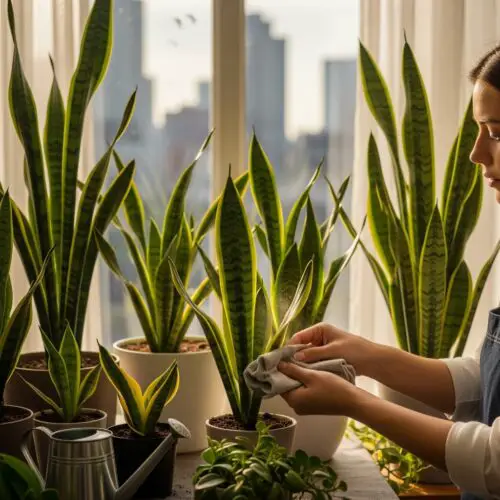
Caring for a snake plant is generally straightforward. However, common issues can arise that may affect its health and luck-bringing qualities. Here are solutions to the most frequent challenges.
Identifying Overwatering and Underwatering
Overwatering is the leading cause of problems in snake plants. Signs include yellowing leaves and root rot. Snake plants prefer indirect light and can tolerate low humidity, but they thrive best when the soil dries out between waterings [12][1].
Identifying symptoms:
- Overwatering: Yellow leaves, mushy roots.
- Underwatering: Wrinkled leaves, dry tips.
Solutions:
- Allow the top 2 inches of soil to dry before watering.
- Ensure proper drainage to prevent root rot [13].
Dealing with Pests and Diseases
Snake plants are resilient but not immune to pests like spider mites and mealybugs. These pests can hinder the plant’s ability to thrive, potentially impacting its ability to bring good luck.
Common pests:
- Spider mites: Look for webbing on leaves.
- Mealybugs: White, cotton-like clusters.
Prevention and treatment:
- Wipe leaves with a damp cloth to remove dust and pests.
- Use insecticidal soap or neem oil for infestations.
How to Revive a Struggling Snake Plant
If your snake plant shows signs of distress, prompt action can help restore its vigor.
Steps to revive:
- Inspect roots: Check for rot. Trim affected roots if necessary.
- Adjust watering: Ensure appropriate moisture levels.
- Relocate: If it’s not thriving, move it to a brighter spot with indirect light.
Example scenario:
A snake plant placed in a dim corner may struggle. Moving it near a window with filtered sunlight can rejuvenate its growth and enhance its luck-bringing properties.
By addressing these common issues, you can maintain your snake plant’s health and ensure it continues to symbolize good luck in your home.
Conclusion: The Enduring Appeal of the Snake Plant

The snake plant, or Sansevieria trifasciata, stands out as a powerful symbol of good luck and prosperity. Its cultural significance and practical benefits make it an ideal choice for any home or workspace.
Cultural Symbolism of Good Luck
The snake plant is widely recognized for its associations with good fortune. Many cultures regard it as a “Lucky Plant” due to its ability to attract wealth and positive energy. Its upright leaves symbolize resilience and strength, making it a fitting presence in spaces where growth and success are desired [7].
Feng Shui and Placement Benefits
In Feng Shui, the snake plant is believed to enhance mental clarity and creativity. Placing it in your workspace can stimulate productivity and foster a positive atmosphere. Ideal locations include entryways and offices, where it can ward off negative energy while inviting prosperity [6].
Air Purification and Care
Beyond its symbolic value, the snake plant improves indoor air quality by removing toxins. It is also incredibly easy to care for, thriving on minimal attention. This resilience makes it a great option for beginners or busy individuals [4][7].
Quick Care Tips:
- Watering: Allow soil to dry out between waterings.
- Light: Prefers indirect sunlight but can tolerate low light.
- Temperature: Thrives in average room temperatures.
Integrating a snake plant into your space not only enhances your decor but also aligns with your aspirations for good luck and prosperity.
Frequently Asked Questions

These quick answers cover the homeowner questions that come up most often about hackberry trees, including growth, care, and common problems.
What are the benefits of having a snake plant at home?
Having a snake plant at home offers several benefits. It is known for its air purification abilities, effectively removing toxins like formaldehyde and benzene from the air, which contributes to a healthier indoor environment [6]. Additionally, snake plants are low-maintenance, making them perfect for busy lifestyles. Their striking appearance also enhances home decor, adding a touch of greenery that promotes a calming atmosphere.
How does the snake plant purify the air?
The snake plant purifies the air through a process called phytoremediation. Its leaves absorb harmful substances and release oxygen, improving air quality. According to research, snake plants can significantly reduce indoor air pollutants, making them a great choice for enhancing the health of your living space [6][7]. Their ability to thrive in low light further adds to their effectiveness as air purifiers.
Where should I place my snake plant for good luck?
To maximize the good luck potential of your snake plant, consider placing it in the following areas:
- Living Room: Enhances the flow of positive energy.
- Work Area: Boosts mental clarity and creativity.
-
Entrance: Welcomes guests and good fortune into your home.
Avoid placing it in direct line with sharp corners or cluttered spaces, as this can create negative energy [5].
Can snake plants really bring prosperity?
Yes, many cultures believe that snake plants attract prosperity and good luck. Their upright leaves symbolize resilience and strength, which are qualities associated with success. In Feng Shui, they are often placed in strategic locations to ward off negative energy while inviting financial abundance into the home [4][1].
What are common myths about snake plants?
One common myth is that snake plants attract bad luck. This misconception arises from cultural superstitions rather than scientific evidence. In reality, snake plants are celebrated for their ability to purify the air and enhance indoor environments, making them symbols of good fortune and resilience [8]. Educating yourself about their true benefits can help dispel these myths.
How often should I water my snake plant?
Water your snake plant sparingly. Allow the soil to dry out completely between waterings to prevent root rot. Typically, watering every 2-6 weeks is sufficient, depending on environmental conditions like light and humidity [12]. Always check the top inch of soil; if it’s dry, it’s time to water.
Are there any downsides to having a snake plant?
While snake plants are generally low-maintenance, there are a few downsides to consider. Overwatering can lead to root rot, which is the most common issue. Additionally, they can be toxic to pets if ingested, so it’s essential to keep them out of reach of animals [12]. Regular monitoring and proper care can mitigate these risks.
What other plants bring good luck?
Several plants are also associated with good luck, including:
- Bamboo: Symbolizes flexibility and luck.
- Pothos: Represents prosperity and abundance.
-
Jade Plant: Known for attracting wealth and good fortune.
Each of these plants has its unique symbolism and care requirements, making them great alternatives to consider alongside snake plants [10][11].
References

1. Dracaena trifasciata (Golden Birds Nest, Good Luck Plant …
2. Sensational Sansevieria | Home and …
3. Snake Plant: Benefits, Types, Cautions, and How to Grow
4. Snake Plant: A Forgiving, Low-maintenance Houseplant
5. Feng Shui – National Geographic Education
6. Removal of formaldehyde from indoor air by potted … – PMC
7. Benefits of Indoor Houseplant for Toxic Air Removal in Living …
8. NASA didn’t publish study on snake plants providing life …
9. The Tale of the Snake Plant
10. Lucky Bamboo – Arkansas Cooperative Extension Service
12. Snake Plant – Dracaena trifasciata – UF/IFAS Extension
13. Symptoms of overwatering indoor plants
14. Sansevieria trifasciata hort. ex Prain