
Aquatic bladderwort, or Utricularia, is a genus of carnivorous plants known for their unique bladder-like traps that capture and digest small aquatic organisms. These fascinating plants thrive in nutrient-poor environments and play a significant role in aquatic ecosystems, making them a captivating addition to any aquatic habitat.
Understanding Aquatic Bladderwort
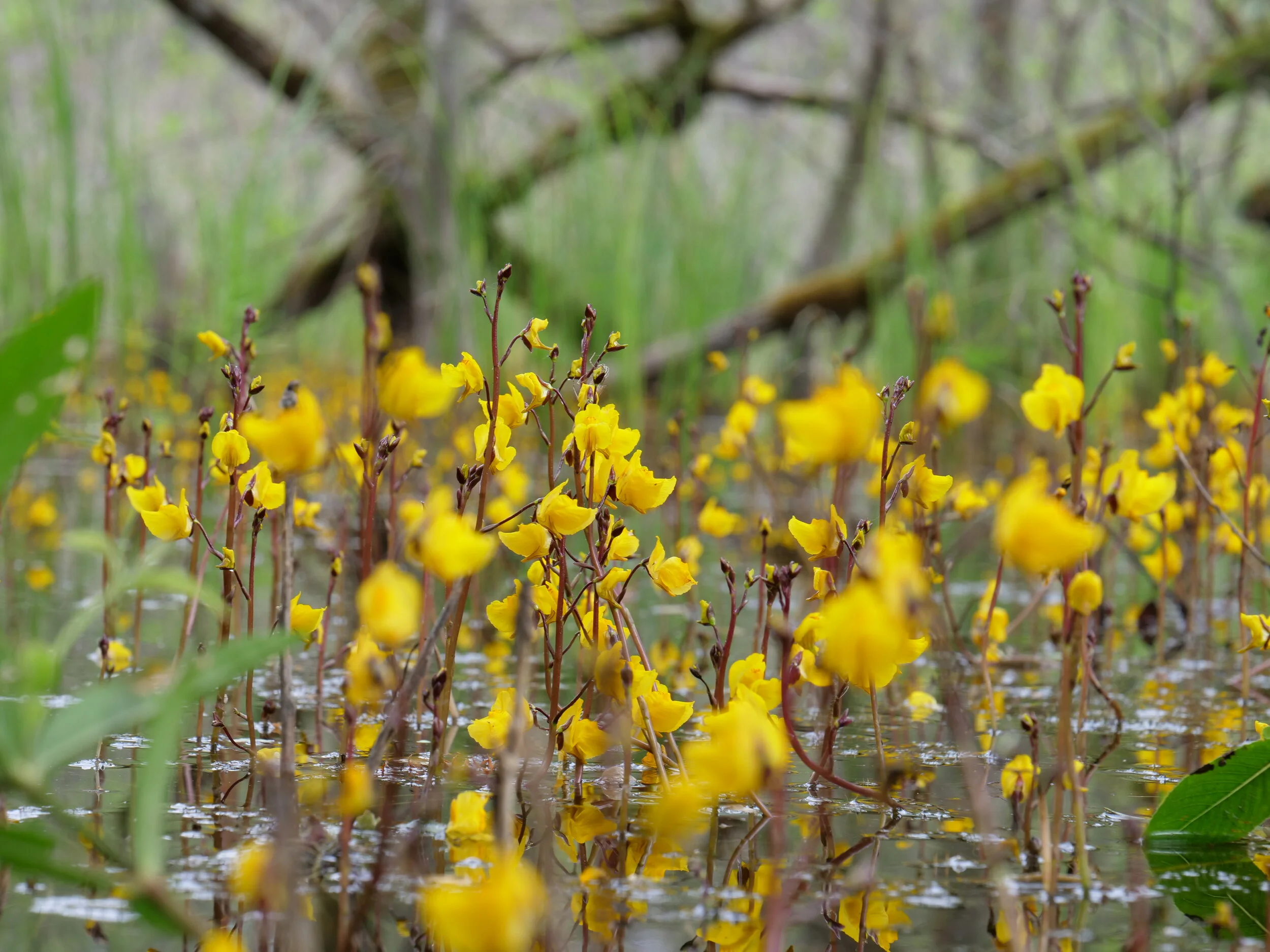
Aquatic bladderworts belong to the genus Utricularia, a fascinating group of carnivorous plants that thrive in freshwater environments. They are unique in their adaptations, particularly their bladder-like traps that capture and digest small aquatic organisms. With approximately 220 species, these plants can be found in a variety of habitats, from lakes and ponds to waterlogged soils across the globe.
One of the defining characteristics of bladderworts is their specialized trap mechanism. These traps are small, hollow sacs that create a vacuum-like environment. When tiny creatures, such as water fleas or nematodes, brush against the delicate trigger hairs on the trap door, the suction pulls them inside almost instantly. This rapid response, occurring in about 1/35 of a second, is a marvel of nature. The traps can be transparent or dark, depending on the species, and are a crucial adaptation for surviving in nutrient-poor environments where traditional roots might struggle to gather sustenance.
Aquatic bladderworts lack traditional root systems, which allows them to float freely and move with the currents. Instead, they have a horizontal floating stem that supports their simple or divided leaves and numerous traps. This structure not only aids in buoyancy but also ensures that they can access sunlight for photosynthesis while efficiently capturing prey.
These plants play a vital role in aquatic ecosystems. By controlling populations of small organisms, they help maintain a balanced food web. Additionally, the decomposition of their leaf litter contributes essential nutrients back into the water, supporting other aquatic life forms.
When cultivating aquatic bladderworts in an aquarium setting, it’s important to recreate their natural habitat as closely as possible. They thrive in slightly acidic waters, often enriched with tannins from decaying organic matter. To support their growth, consider using an Aquarium Plant Fertilizer for Carnivorous Plants. This can help provide necessary nutrients without overwhelming their delicate systems. Check Price on Amazon.
Overall, the unique adaptations and ecological roles of aquatic bladderworts underscore their importance in both natural environments and aquascaping. Their remarkable ability to capture prey and thrive in challenging conditions makes them a captivating choice for enthusiasts and researchers alike.
Unique Trapping Mechanisms of Aquatic Bladderwort
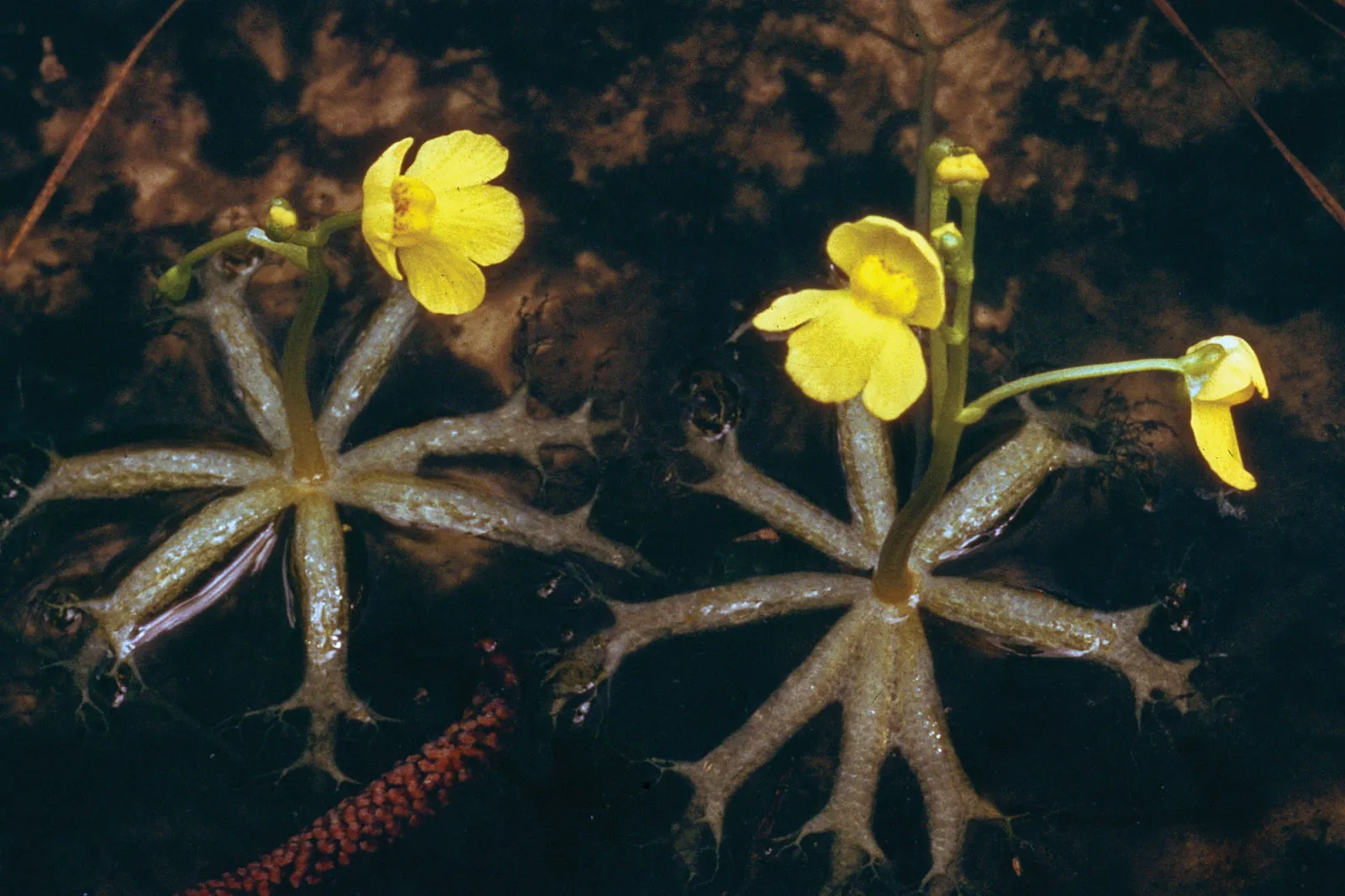
Aquatic bladderworts, part of the Utricularia genus, employ some of the most fascinating trapping mechanisms found in the plant kingdom. These carnivorous plants have developed specialized bladders that act like tiny suction traps. This unique adaptation allows them to thrive in nutrient-poor environments by capturing and digesting small aquatic creatures.
How the Trap Mechanism Works
The trap mechanism of bladderworts is a marvel of evolution. Each bladder is a small, hollow sac that operates under a state of negative pressure. When a small organism, like a water flea or an insect larva, brushes against sensitive trigger hairs located on the trapdoor, the mechanism is activated. Here’s how it works:
- Triggering the Trap: The moment prey touches the trigger hairs, the door of the bladder opens almost instantaneously.
- Rapid Inflow: Thanks to the negative pressure, water rushes in along with the prey, creating a suction effect that can occur in less than a millisecond.
- Sealing the Trap: Once the bladder is filled with water, the door closes again, trapping the prey inside where it will be digested.
This rapid action not only showcases the efficiency of aquatic bladderworts but also illustrates how well-adapted they are to their environments. These bladders can capture prey in a blink, making them formidable hunters in their aquatic ecosystems.
Types of Prey Consumed
Aquatic bladderworts typically feed on:
- Small Invertebrates: This includes tiny creatures like water fleas, copepods, and various larvae.
- Aquatic Worms: These organisms often wander close to the bladders, making them easy targets.
- Microorganisms: Even smaller prey, like protozoa, can fall victim to the sophisticated traps.
This diet is crucial for the survival of Utricularia species, especially in water bodies where nutrients are scarce. By capturing and digesting these small animals, bladderworts gain essential nutrients such as nitrogen and phosphorus, which are vital for their growth.
Ecological Role
The trapping mechanism not only benefits the bladderwort but also plays a significant role in aquatic ecosystems. By controlling the populations of small invertebrates, they help maintain a balance within their habitats. Furthermore, the decomposition of captured prey provides nutrients back into the water, contributing to the overall health of the ecosystem.
The complex interplay of these trapping mechanisms and their ecological impact makes aquatic bladderworts a remarkable subject of study within carnivorous plants. Their unique adaptations enable them to thrive in challenging environments, showcasing the wonders of nature’s design. For those interested in cultivating these plants, ensuring they have the right conditions will enhance their ability to capture prey effectively.
Habitat and Distribution of Aquatic Bladderwort
Aquatic bladderworts, belonging to the genus Utricularia, thrive in a variety of wet environments, showcasing their incredible adaptability as carnivorous plants. These fascinating plants are commonly found in:
- Bogs: Aquatic bladderworts often inhabit bogs, where the water is typically dark and rich in tannins. This unique environment provides the perfect conditions for their growth, as the nutrient-poor waters encourage their carnivorous nature. The bladders of these plants effectively trap small invertebrates, enhancing nutrient uptake in these low-nutrient settings.
- Lakes and Ponds: Many species of bladderwort can be found in shallow lakes and ponds. They flourish in still water, where they can form dense mats on the surface. This not only provides them with a stable habitat but also positions them ideally for capturing prey using their sophisticated trap mechanisms. For example, Utricularia vulgaris, commonly known as common bladderwort, is frequently found in these freshwater bodies.
- Streams: Aquatic bladderworts are also present in slow-moving streams, where they adapt to the conditions by anchoring themselves to the substrate or floating just below the surface. The continuous flow of water can help in the dispersal of their seeds, ensuring their distribution across various aquatic ecosystems.
Geographically, Utricularia species are widely distributed around the globe, found on every continent except Antarctica. They can be spotted in regions ranging from North America to Europe and Asia, adapting to diverse climates and water conditions. Their ability to thrive in a range of habitats underscores their resilience and ecological significance.
Care and Cultivation of Aquatic Bladderwort in Aquariums
Growing aquatic bladderwort, or Utricularia, in an aquarium can be a rewarding experience. These fascinating carnivorous plants are known for their unique trap mechanisms, which allow them to thrive in nutrient-poor environments. To successfully cultivate bladderwort, pay attention to the following factors:
Water Conditions
Aquatic bladderwort prefers clean, slightly acidic water with a pH level between 5.0 and 6.8. It’s essential to maintain low nutrient levels to mimic their natural habitats, which are often boggy and rich in tannins. Regular water changes will help keep your aquarium clean while preventing the buildup of excess nutrients.
Light Requirements
Bladderwort loves light but should be placed in a spot where it receives bright, dappled sunlight. Too much direct light can promote algae growth, which can compete with the bladderwort for resources. A balance of light will encourage healthy growth and vibrant trapping mechanisms.
Substrate Selection
While bladderworts can grow floating in the water column, a suitable substrate can enhance their health. Using a layer of peat moss or leaf litter at the bottom of your aquarium helps create a natural environment. Peat not only provides essential tannins but also supports the growth of beneficial microorganisms that serve as food for your bladderwort.
Common Challenges
One common challenge with aquatic bladderwort is maintaining optimal water conditions. Since these plants thrive in nutrient-poor environments, avoid adding standard fertilizers that may overwhelm them. Instead, consider using an Aquarium Plant Fertilizer for Carnivorous Plants to enrich your substrate without disrupting the delicate balance they require.
Another potential issue is the presence of algae, which can outcompete bladderwort for light and resources. To combat this, ensure you have adequate water circulation and introduce algae-eating inhabitants that won’t disturb the bladderwort.
Maintenance Tips
- Trim excess growth regularly to prevent overcrowding.
- Monitor for pests that could harm the delicate traps of the bladderwort.
- Ensure proper CO2 levels, which can be enhanced with a yeast-based generator if needed.
With proper care, aquatic bladderwort can thrive in your aquarium, adding both beauty and ecological function to your aquatic ecosystem.
Ecological Significance of Aquatic Bladderworts
Aquatic bladderworts, particularly those from the genus Utricularia, play a vital role in their ecosystems. These unique carnivorous plants contribute significantly to the biodiversity of aquatic environments. By capturing and digesting small organisms, such as water fleas and insect larvae, bladderworts help regulate prey populations. This predatory behavior supports the balance of the ecosystem, ensuring that no single species dominates.
The trap mechanism of bladderworts is a fascinating aspect of their ecological role. Each bladder is equipped with trigger hairs that respond to the slightest movement, creating a rapid suction that pulls in unsuspecting prey. This efficient method not only provides nutrient uptake in nutrient-poor environments but also influences the dynamics of the food web. The presence of bladderworts can attract various aquatic organisms, making them essential contributors to local biodiversity.
Bladderworts also enhance nutrient cycling within aquatic ecosystems. As they capture prey, they break down and assimilate nutrients from these organisms, which may include nitrogen and phosphorus. These nutrients are then made available to other organisms in the ecosystem, promoting a healthy aquatic environment. Additionally, the decomposition of bladderworts and their prey contributes organic matter to the substrate, enriching the habitat for microorganisms and invertebrates.
In terms of habitat, bladderworts can be found in diverse locations, from lakes and ponds to wetlands. They often form dense mats, providing shelter and breeding grounds for various aquatic life forms, including fish and amphibians. The underwater leaves and bladders create a complex structure that supports microhabitats for small invertebrates, which, in turn, serve as food for larger animals.
Moreover, bladderworts can act as indicators of ecological health. Their presence in an aquatic environment often signifies a balanced ecosystem, whereas their decline may indicate changes in water quality or habitat disruption. Protecting these carnivorous plants is crucial, as they are not only fascinating organisms but also essential components of their ecosystems.
Identifying Common Species of Aquatic Bladderwort
Aquatic bladderworts, belonging to the genus Utricularia, showcase a variety of species that thrive in water and contribute significantly to aquatic ecosystems. Each species possesses unique characteristics and adaptations that make them remarkable carnivorous plants.
Utricularia vulgaris (Common Bladderwort)
- Distinguishing Characteristics: This species features elongated stems with small, bladder-like traps scattered along them. The traps can be up to 1.2 cm in size and are designed to capture small aquatic creatures like water fleas and mosquito larvae.
- Habitat Preferences: Utricularia vulgaris typically resides in shallow, nutrient-poor waters such as ponds and marshes. It prefers acidic conditions, often found in dark, tea-colored waters rich in tannins.
- Unique Adaptations: The trap mechanism of Utricularia vulgaris is highly efficient; it uses negative pressure to suck prey into the bladder, closing the trapdoor almost instantaneously when triggered by unsuspecting prey. This adaptation allows it to thrive in environments where nutrients are scarce (source).
Utricularia graminifolia (Grass Bladderwort)
- Distinguishing Characteristics: Known for its grass-like appearance, Utricularia graminifolia makes an excellent carpeting plant in aquariums. Its bladders are small and can only trap minute organisms, making it a favorite among aquarists.
- Habitat Preferences: This species thrives in shallow, slow-moving waters, often found in rice paddies and wetlands. It enjoys warm temperatures and can tolerate a variety of light conditions, from full sun to partial shade.
- Unique Adaptations: The compact growth form and rapid propagation through stolons help Utricularia graminifolia establish itself in aquatic habitats, forming lush mats that support diverse aquatic life (source).
Utricularia australis (Australian Bladderwort)
- Distinguishing Characteristics: Utricularia australis is recognized for its distinctive yellow flowers, which rise above the water on thin stalks. The bladders are transparent and designed to capture tiny aquatic invertebrates.
- Habitat Preferences: This species is predominantly found in shallow lakes and ponds, where it forms dense populations. Utricularia australis prefers soft, nutrient-poor waters and can often be spotted in boggy areas.
- Unique Adaptations: The plant’s ability to float and its lack of roots allow it to move freely in search of prey. The efficient trap mechanism enables it to supplement its nutrient intake from its carnivorous diet, making it well-suited for nutrient-poor environments (source).
Utricularia reflexa (Reflexed Bladderwort)
- Distinguishing Characteristics: Utricularia reflexa features a unique reflexed growth habit, with its traps positioned in a manner that aids in catching prey effectively. Its traps are typically larger than those of other species.
- Habitat Preferences: This species thrives in shallow, slow-moving waters, often found in wetlands or marshy areas. It prefers warmer climates and can be found in various freshwater settings.
- Unique Adaptations: The trap mechanism of Utricularia reflexa is quick and efficient, allowing it to maintain its carnivorous diet even in challenging environmental conditions. Its ability to adapt to varying water levels makes it resilient in fluctuating habitats (source).
These species of aquatic bladderwort exemplify the diverse adaptations and strategies that allow Utricularia to flourish in various aquatic ecosystems. Their unique trapping mechanisms not only enhance their survival but also play a vital role in maintaining the ecological balance of their habitats.
Managing Pests and Diseases in Aquatic Bladderwort
Aquatic bladderworts (Utricularia) are fascinating carnivorous plants, but they can face threats from various pests and diseases that might compromise their health and vitality. Understanding these challenges is crucial for maintaining flourishing populations in aquatic ecosystems.
Common Pests
-
Tadpoles and Small Fish: While many consider these creatures harmless, they can be problematic for bladderworts. Tadpoles and young fish might nibble on the delicate traps, disrupting the plant’s ability to catch prey.
- Management Strategy: Introduce suitable barriers or companion plants that offer shelter for these animals, reducing their direct impact on the bladderwort.
-
Snails: Certain snail species can feed on aquatic bladderwort, potentially damaging its structures.
- Management Strategy: Keep an eye on snail populations and consider introducing natural predators, like certain types of fish, that won’t harm the bladderwort but will keep snail numbers in check.
-
Algae: Algal blooms can occur in nutrient-rich waters, overshadowing the bladderwort and impeding its access to light.
- Management Strategy: Maintain a balanced ecosystem by controlling nutrient levels. Regularly prune excess algae and consider using companion plants that compete for nutrients.
Diseases
-
Root Rot: Although bladderworts lack traditional roots, they can still suffer from rot in their root-like stolons if submerged in overly stagnant or nutrient-rich water.
- Management Strategy: Ensure good water circulation and avoid over-fertilization. Using a peat-based substrate can help maintain the right balance of nutrients.
-
Fungal Infections: These can thrive in moist environments, particularly if the water quality is poor.
- Management Strategy: Keep water clean and clear of decaying organic matter. If a fungal infection is spotted, consider using a mild fungicide that is safe for aquatic plants.
Prevention Tips
- Water Quality: Regularly test your aquarium’s water parameters. Bladderworts thrive in slightly acidic water (pH 5.0-6.8) and prefer low nutrient levels.
- Regular Maintenance: Conduct routine checks on your bladderworts for signs of pests or disease. Early detection is key to effective management.
- Companion Plants: Use compatible plants that can help create a balanced habitat, enhancing the overall health of the aquatic ecosystem.
By being proactive and attentive, you can ensure that your aquatic bladderwort remains a vibrant and integral part of its environment, continuing to thrive as a unique carnivorous plant. For further insights on caring for aquatic bladderworts, check out resources such as AquaPlant and Carnivorous Plant Nursery.