
Yes, hermaphrodite cannabis seeds can grow, but they present unique challenges and implications for cultivators. Understanding the causes, identifying characteristics, and managing these plants is crucial for successful cultivation and yield optimization. This guide delves into everything you need to know about hermaphrodite cannabis seeds.
Understanding Hermaphrodite Cannabis Seeds
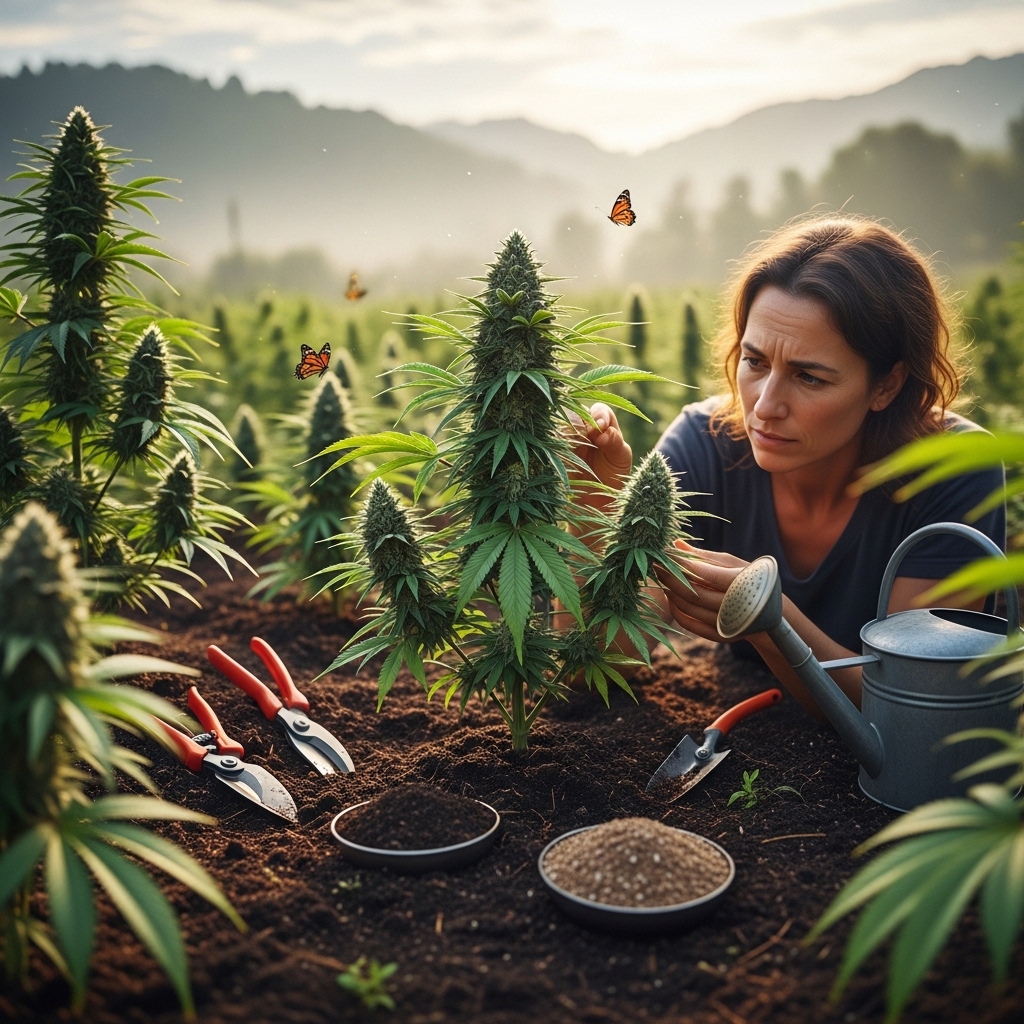
Hermaphrodite cannabis seeds are unique because they can produce plants that have both male and female reproductive organs. This characteristic is often a result of specific genetic traits or environmental stress factors. Unlike standard cannabis seeds, which typically produce either male or female plants, hermaphrodite seeds blur the lines, creating a fascinating yet complex cultivation scenario.
Genetic Characteristics of Hermaphrodite Seeds
The genetics behind hermaphrodite cannabis seeds can be quite intricate. Certain strains are predisposed to hermaphroditism, meaning their genetic makeup makes them more likely to develop both male and female flowers. This genetic tendency can lead to challenges for growers aiming for a stable crop. If a strain has not been properly stabilized through selective breeding, it may carry the potential for hermaphroditism.
Environmental Stress Factors
Environmental stress plays a significant role in the development of hermaphrodite cannabis plants. Factors such as fluctuating temperatures, inconsistent lighting schedules, or physical damage can trigger a plant’s survival response, leading it to produce male organs for self-pollination. This ability to self-pollinate is crucial for survival in the wild but can pose problems for growers who want to maintain high-quality yields without seeds.
Self-Pollination and Its Implications
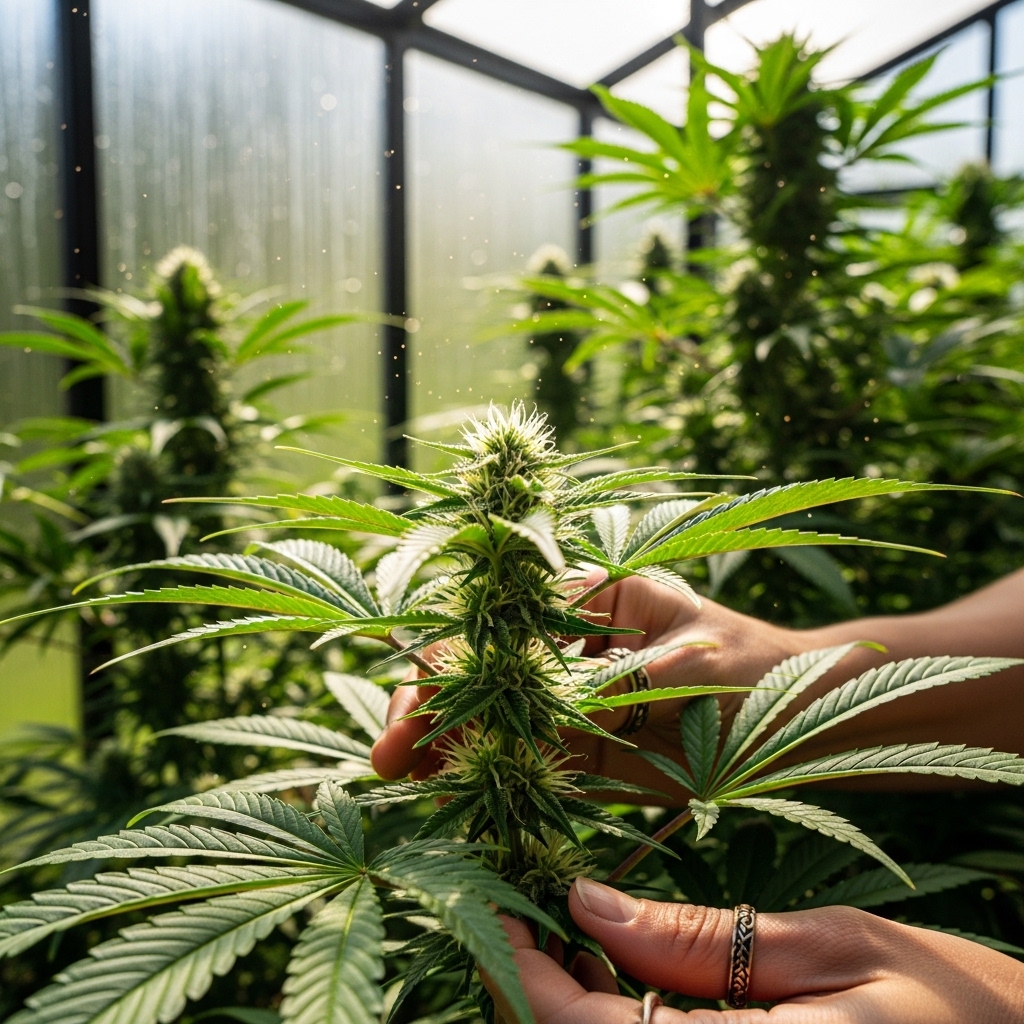
One of the most notable features of hermaphrodite cannabis plants is their potential for self-pollination. When a hermaphrodite plant produces both pollen and ovules, it can fertilize itself, leading to seed production without the need for another plant. While this can be advantageous for breeding, it can significantly reduce the quality of the buds, as the plant diverts energy from flower production to seed development.
For growers, this means that managing hermaphrodite cannabis plants requires careful monitoring and intervention. Identifying hermaphrodite traits early can help prevent unwanted pollination, allowing cultivators to focus on maximizing yield and potency. By understanding the genetic and environmental factors that lead to hermaphroditism, growers can make informed decisions about strain selection and cultivation practices.
For more detailed insights into the effects of growing hermaphrodite cannabis seeds, check out The Effects Of Growing Hermaphrodite Cannabis Seeds.
Causes of Hermaphroditism in Cannabis

Hermaphroditism in cannabis occurs when a plant develops both male and female reproductive structures. This phenomenon can be attributed to various genetic and environmental factors, and understanding these causes is crucial for growers who want to optimize their yields and quality.
Genetic Factors
Certain cannabis strains have a higher likelihood of exhibiting hermaphroditism due to their genetic makeup. For instance, some poorly stabilized strains, often bred quickly for commercial purposes, can carry hermaphroditic traits. Strains like Thai Sativas are known to have a genetic predisposition to hermaphroditism, where they can express both male and female characteristics simultaneously. If you choose to grow these strains, be prepared for the possibility of hermaphrodite cannabis plants.
Environmental Stressors
Environmental factors play a significant role in triggering hermaphroditism. Common stressors include:
- Light Interruptions: Changes in light schedules can confuse the plant. For example, if there are light leaks during the dark period, it can signal to the plant that it needs to self-pollinate to ensure survival.
- Temperature Changes: Fluctuations in temperature can cause stress. Extreme heat or cold can lead to a survival response, prompting the plant to develop male flowers.
- Nutrient Imbalances: Both deficiencies and toxicities in nutrients can stress cannabis plants. If a plant lacks essential nutrients, it may trigger hermaphroditism as a last-ditch effort to reproduce.
- Physical Damage: Any physical injury, whether from pruning or accidental mishandling, can push a cannabis plant into hermaphroditism.
Strains Prone to Hermaphroditism
Certain strains are more susceptible to becoming hermaphroditic. For example:
- OG Kush: While popular for its potency, it has been known to exhibit hermaphroditic traits under stress.
- Banana Kush: This strain is another example where growers may encounter hermaphroditic characteristics, especially if not cultivated under optimal conditions.
Identifying Hermaphrodite Cannabis Plants
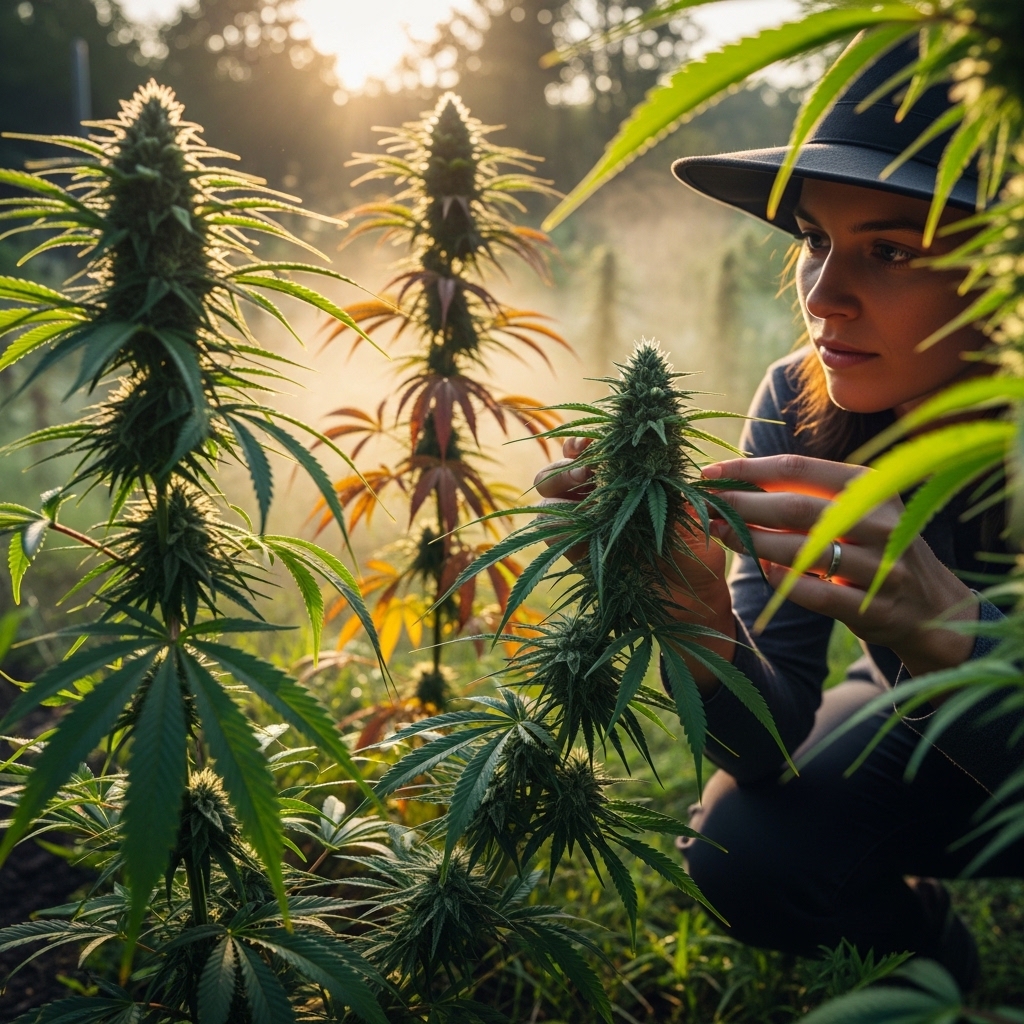
Identifying hermaphrodite cannabis plants early is crucial for maintaining a healthy grow and maximizing yield. When cannabis plants exhibit both male and female reproductive organs, it can lead to unwanted pollination and a drop in the quality of your harvest. Here are some key signs to look for:
Visual Characteristics
- Male Flowers: These typically appear as small, round sacs that resemble tiny grapes. They may cluster in groups along the stems. If you see these forming, it’s a clear indicator of a male trait.
- Female Flowers: Female buds will show white, wispy pistils emerging from calyxes. These are the parts that eventually develop into flowers.
- Hermaphrodite Traits: A true hermaphrodite will display both male sacs and female buds on the same plant. This can include male pollen sacs at some nodes and female flowers at others. You might also notice “bananas,” which are elongated male flowers that develop directly on female buds as a survival mechanism, indicating significant stress.
Tips for Early Detection
- Regular Inspections: Frequent checks during the flowering stage are essential. Look for early signs of male flowers or any unusual growth. Catching these signs early can help you remove hermaphrodites before they pollinate your female plants.
- Monitor Environmental Conditions: Pay close attention to light cycles, temperature, and humidity. Stress from factors like inconsistent light schedules, high temperatures, or physical damage can trigger hermaphroditism. Keeping your plants in optimal conditions reduces the risk of them turning hermaphrodite.
- Genetics Awareness: Be mindful of the genetics of your seeds. Some strains are more prone to developing hermaphrodite traits due to their lineage. Research strains before planting to make informed choices.
- Feminized Seeds: If you’re looking to avoid hermaphrodite cannabis, consider using reputable feminized seeds. These are bred to produce female plants and reduce the chances of hermaphroditism, although no method is foolproof.
Managing Hermaphrodite Cannabis in Cultivation
Managing hermaphrodite cannabis plants is crucial for maintaining crop quality and maximizing yield. If you discover a hermaphrodite in your grow, it’s important to act quickly to prevent unwanted pollination that can compromise your entire harvest.
Identification and Removal
Early detection is key when dealing with hermaphrodite cannabis. Look for these signs:
- Banana-like structures: These are male flowers that appear on a female plant, often referred to as “nanners.”
- Mixed sex organs: A true hermaphrodite will have both male and female flowers on the same plant.
Once identified, it’s best to remove hermaphrodite plants immediately to minimize the risk of pollination. Make sure to handle them carefully to avoid spreading pollen to other plants. Use sterilized tools to cut the plant at the base and dispose of it securely.
Minimize Environmental Stress
Environmental factors play a significant role in the development of hermaphrodite traits. To lessen the chances of your cannabis plants turning hermaphrodite, consider the following:
- Consistent Light Schedule: Ensure your light cycles are uninterrupted. Light leaks can confuse plants and trigger hermaphroditism.
- Ideal Temperature and Humidity: Keep your grow environment stable. Fluctuations can stress plants, prompting them to develop male flowers.
- Proper Nutrient Management: Both nutrient deficiencies and toxicities can lead to stress. Regularly test your soil and use the right nutrient solutions, as poor soil can lead to hermaphrodite cannabis growth source.
Grower Experiences and Best Practices
Many experienced growers emphasize the importance of choosing the right genetics. Some strains are inherently more prone to hermaphroditism due to their genetic background. Here are practical tips that have proven effective:
- Choose Stable Strains: Opt for strains known for stability. Research strains before planting, focusing on their hermaphrodite tendencies.
- Regular Monitoring: Keep a close eye on your plants during the flowering stage. Early intervention can save your crop from being over-pollinated.
- Use Feminized Seeds: While these are bred to reduce hermaphroditism, always buy from reputable sources to ensure seed quality. Even with feminized seeds, be aware that environmental stress can still lead to hermaphrodite cannabis plants.
By actively managing your grow environment and staying vigilant, you can reduce the risk of hermaphrodite cannabis plants impacting your overall crop quality and yield.
Preventive Measures for Growing Hermaphrodite Cannabis Seeds
To successfully cultivate hermaphrodite cannabis seeds, it’s crucial to implement preventive measures that minimize the risk of hermaphroditism. Here are several strategies to consider:
Optimal Growing Conditions
- Stable Environment: Maintain consistent temperature and humidity levels. Fluctuations can stress plants, leading them to develop hermaphroditic traits. Aim for temperatures between 70-85°F (20-30°C) during the day and slightly cooler at night.
- Light Management: Provide a consistent light schedule, especially during the flowering stage. Light leaks can confuse the plants and trigger hermaphroditism. Use high-quality timers and ensure your grow space is light-tight.
- Proper Nutrients: Use balanced nutrients tailored for cannabis. Over or under-fertilization can put your plants under stress. Monitor soil pH and nutrient levels regularly to keep plants healthy.
Proper Training Methods
- Gentle Pruning: Use low-stress training (LST) techniques to shape plants without causing trauma. Avoid excessive pruning, especially during the flowering stage, as this can lead to stress and potential hermaphroditism.
- Avoid Transplant Shock: Handle plants carefully during transplanting. Shock from rough handling can lead to stress responses, increasing the risk of hermaphrodite cannabis plants.
Strain Selection
- Choose Stable Strains: When selecting feminized seeds, focus on strains known for their stability and low hermaphrodite tendencies. Research each strain’s genetic background to understand its predisposition to hermaphroditism. For instance, some strains like OG Kush are renowned for their consistent performance and lower chance of developing hermaphrodite traits.
- Feminized Seeds: While feminized seeds are bred to produce female plants, not all feminized seeds are created equal. Always purchase from reputable sources to ensure you receive quality seeds that are less likely to develop hermaphrodite characteristics. Blimburn Seeds emphasizes the importance of strain selection and genetic stability in promoting healthy growth.
Regular Monitoring
Frequent checks on your plants during their life cycle, especially in the flowering stage, can help identify signs of stress or hermaphroditism early on. Look for unusual growth patterns or the appearance of male flowers and be ready to act quickly to maintain the quality of your crop.
By focusing on these preventive measures, you can significantly enhance the chances of successfully growing hermaphrodite cannabis seeds while minimizing the risk of undesirable traits impacting your yield and overall cultivation experience.
Long-term Effects of Hermaphroditism on Cannabis Breeding
Hermaphroditism in cannabis plants can have significant long-term implications for breeding programs. When hermaphrodite cannabis seeds are cultivated, they can introduce both genetic variability and instability into future generations. This variability might be advantageous for breeding new strains, but it also poses risks to the genetic integrity of existing lines.
Impact on Genetic Stability
- Genetic Mixing: Hermaphrodite plants can self-pollinate, leading to the creation of seeds that carry mixed genetic traits. Over time, this can result in a population of cannabis plants that exhibit a wide range of characteristics. While some growers might appreciate this diversity, it can also complicate breeding efforts aimed at stabilizing specific traits.
- Increased Risk of Hermaphroditism: If hermaphroditic traits are inherited, future generations of cannabis plants may be more prone to developing hermaphroditism. This could lead to a cycle where the cultivation of hermaphrodite cannabis seeds produces more hermaphrodites, which can negatively impact yields and the overall quality of the crop.
- Selection Pressure: Breeders may need to exert greater selection pressure to eliminate unwanted hermaphrodite traits from their breeding lines. This can be a time-consuming process, requiring careful monitoring and selection to ensure that only stable, high-quality plants are propagated.
Yield Considerations
- Reduced Yield Quality: The presence of hermaphrodite plants within a breeding program can lead to lower-quality yields. When plants divert energy to produce seeds instead of flowers, the overall potency and market value of the product can decline. Growers focused on flower production will find that managing hermaphroditism is crucial for maintaining yield quality.
- Pollination Challenges: If hermaphrodite cannabis plants are allowed to pollinate female plants, the resulting seeds can lead to a crop that is less desirable for consumers. This is particularly significant for growers aiming for high-quality, seedless buds. The risk of unintentional pollination increases when hermaphroditic traits are present in the breeding population.
- Cultivation Adjustments: Breeding programs must adapt their cultivation practices to manage the effects of hermaphroditism. This includes implementing stringent monitoring techniques and employing environmental controls to minimize stress factors that could trigger hermaphroditism. By doing so, growers can enhance the stability of their strains and ensure higher-quality yields.
FAQs About Hermaphrodite Cannabis Seeds
Can hermaphrodite cannabis seeds grow?
Yes, hermaphrodite cannabis seeds can grow, but their viability may vary. These seeds have the potential to produce plants that exhibit both male and female traits, allowing for self-pollination. However, because hermaphrodite plants can be genetically unstable, the resulting plants may not always thrive as expected. It’s crucial to understand that while hermaphrodite seeds can germinate, they might not always yield high-quality crops.
What effects do hermaphrodite cannabis seeds have on yield?
Hermaphrodite cannabis plants often divert their energy from producing high-quality buds to developing seeds. This can lead to reduced yields and lower potency. Growers may find that hermaphrodite plants produce fewer desirable flowers, as the presence of both male and female reproductive organs can compromise the overall quality of the harvest. It’s essential to manage environmental stressors effectively, as these factors can exacerbate yield issues associated with hermaphroditism.
Are hermaphrodite cannabis plants safe to harvest and consume?
Yes, hermaphrodite cannabis plants can be harvested and safely consumed, but there are some considerations. While the buds can still be potent, they may contain seeds, which could affect the smoking experience. Additionally, since hermaphrodite plants often arise due to stress, it’s vital to monitor the health of these plants closely. Proper cultivation practices can help ensure that even hermaphrodites produce usable cannabis. Remember, the quality of the final product may vary significantly based on the genetics of the strain and the environmental conditions during growth.
How can I identify hermaphrodite cannabis plants?
Identifying hermaphrodite cannabis plants involves looking for specific signs. These plants will display both male pollen sacs and female pistils. Early detection is key, as it allows growers to manage the plants effectively. If you notice bananas (male flowers) forming on your plants, it’s a clear indication of hermaphroditism. Regular monitoring during the flowering stage is crucial to spotting these traits early and taking appropriate action.
What are the main causes of hermaphroditism in cannabis?
Hermaphroditism in cannabis is primarily influenced by genetics and environmental stress. Factors such as inconsistent light schedules, temperature fluctuations, and physical damage can trigger this condition. Some cannabis strains have a higher genetic predisposition to developing hermaphroditic traits, making it essential for growers to choose stable genetics when planning their cultivation. Understanding these causes can help in managing the likelihood of hermaphroditism in your grow.