
Leucocoprinus birnbaumii, commonly known as the Flowerpot Parasol, is a yellow mushroom found in houseplants that can cause gastrointestinal discomfort if ingested [1]. While not considered highly toxic, caution is advised, especially around children and pets. This guide provides comprehensive information on its toxicity, identification, and management.
Identifying Leucocoprinus Birnbaumii
The Leucocoprinus birnbaumii, or Flowerpot Parasol, is a striking yellow mushroom commonly found in houseplants. Recognizing its characteristics is essential, especially considering its potential toxicity to humans and pets.
Physical Characteristics
- Size: This mushroom typically grows to a height of about 2 to 5 centimeters (about 1 to 2 inches) tall. It may appear small, but its bright color makes it very noticeable in potting soil.
- Color: The cap of Leucocoprinus birnbaumii is a vibrant lemon-yellow when young. As the mushroom matures, the color can fade to a paler yellow or even white, which can lead to confusion with other species [1].
- Cap Shape: The cap starts off oval or bell-shaped and matures into a broadly convex or umbrella-like shape. It often has a slight central bump (umbo) that can help in identification [1].
- Gill Structure: Underneath the cap, the gills are closely spaced and free from the stem, maintaining the same pale yellow hue as the cap [2]. This gill structure is a key feature that differentiates Leucocoprinus birnbaumii from other yellow mushrooms.
Differentiating from Similar Mushrooms
When identifying this yellow mushroom, it’s crucial to differentiate it from other yellow fungi that may appear in your houseplants. Here are some tips:
- Other Yellow Mushrooms: Some yellow mushrooms, like those from the genus Aspergillus, can appear similar but usually grow in different conditions. Leucocoprinus birnbaumii prefers the moist, nutrient-rich environment of potting soil, whereas Aspergillus often thrives on decaying organic matter outside of pots.
- Physical Features: Look for the fragile, delicate structure of the Flowerpot Parasol. Unlike some other yellow mushrooms, Leucocoprinus birnbaumii has a membranous ring (annulus) on its stem, which can help in accurate identification [1].
- Growth Habitat: This mushroom is commonly found in indoor environments, especially in potted plants and greenhouses. If you notice yellow mushrooms in a different habitat, they are likely not Leucocoprinus birnbaumii.
Understanding these characteristics not only aids in identification but also highlights the importance of handling this yellow mushroom carefully due to its toxicity. Ingesting Leucocoprinus birnbaumii can lead to gastrointestinal symptoms like nausea and vomiting, making accurate identification crucial for safety [1].
Toxicity and Health Effects of Leucocoprinus Birnbaumii
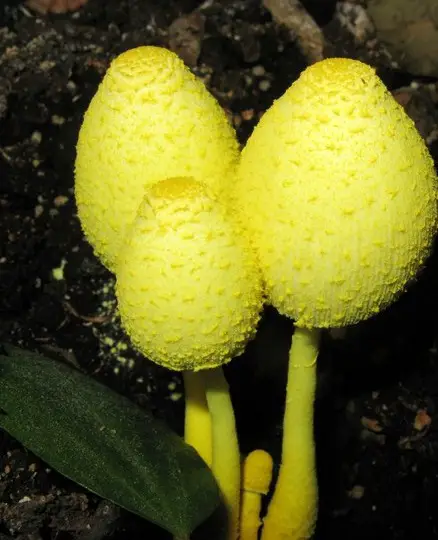
Leucocoprinus birnbaumii, commonly known as the Flowerpot Parasol or yellow mushroom, is not just a colorful addition to your houseplants; it also comes with toxicity concerns. This mushroom contains compounds that can irritate the gastrointestinal tract, leading to uncomfortable symptoms if ingested. While it might look harmless, caution is essential when dealing with this fungus, especially in homes with pets or small children.
When consumed, the toxins in Leucocoprinus birnbaumii can cause a range of gastrointestinal symptoms, which include:
- Nausea: Many individuals report feeling queasy shortly after ingesting this mushroom [1].
- Vomiting: This is a common response, as the body tries to expel the harmful substances [1].
- Diarrhea: Loose stools can occur, leading to further discomfort and dehydration [1].
These symptoms can manifest quickly, often within a few hours after consumption. While the toxicity is generally classified as mild to moderate, the experience can still be distressing. The severity of symptoms may vary depending on the amount ingested, but in most cases, they are not life-threatening. However, for pets and small children, even mild symptoms can escalate quickly.
In cases where ingestion is suspected, it’s crucial to seek medical advice. Immediate actions might include contacting a local Poison Control Center or a veterinarian if a pet is involved. Medical professionals may recommend supportive care to manage symptoms. For instance, intravenous fluids may be necessary to treat dehydration resulting from vomiting or diarrhea [1].
If you notice Leucocoprinus birnbaumii mushrooms in your houseplants, it’s wise to remove them promptly to prevent accidental ingestion. While the mushrooms are not infectious, their presence can pose risks, especially in homes with young children or curious pets.
Long-term Effects of Exposure to Leucocoprinus Birnbaumii Spores
Exposure to the spores of Leucocoprinus birnbaumii, commonly known as the Flowerpot Parasol or yellow mushroom, can lead to several potential long-term health implications, especially for sensitive individuals. While this mushroom is primarily known for its mild toxicity when ingested, its spores can also pose health risks.
- Allergic Reactions: Some individuals may develop allergic reactions to the spores of Leucocoprinus birnbaumii. Symptoms can include sneezing, skin rashes, or more severe respiratory issues, particularly in those who already have allergies or asthma [3].
- Respiratory Issues: Long-term exposure to the spores can lead to respiratory problems. Those with pre-existing conditions, such as asthma or chronic obstructive pulmonary disease (COPD), may find their symptoms exacerbated [2]. The spores can irritate the respiratory tract, leading to persistent coughing and difficulty breathing.
- Gastrointestinal Symptoms: Although primarily a concern with ingestion, exposure to the spores may indirectly cause gastrointestinal discomfort in sensitive individuals. This could occur due to inhalation and subsequent swallowing of spores when clearing the throat or through other means.
- Environmental Presence: Leucocoprinus birnbaumii thrives in moist, nutrient-rich environments typical of houseplants. The spores can easily spread throughout a home, especially in poorly ventilated spaces, potentially increasing exposure over time.
- Impact on Vulnerable Populations: Children and pets, who may be more susceptible to the effects of these spores, could experience heightened allergic or respiratory symptoms. This makes it crucial for households with young children or pets to monitor for the presence of these mushrooms and their spores.
Understanding the potential long-term effects of exposure to Leucocoprinus birnbaumii spores is essential for maintaining a safe environment, especially in homes with sensitive individuals.
Control and Removal Methods for Leucocoprinus Birnbaumii
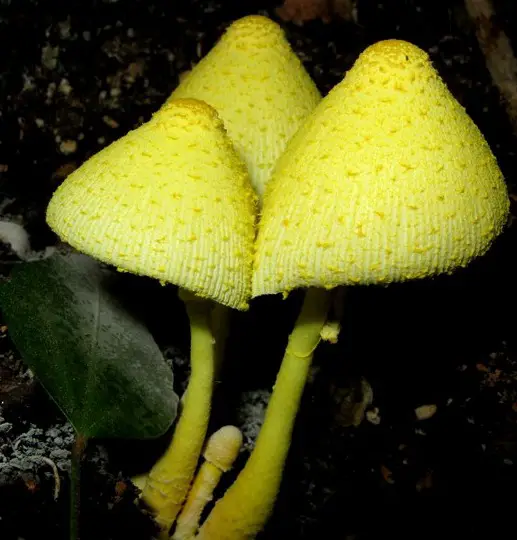
When you spot the vibrant yellow mushrooms of Leucocoprinus birnbaumii, also known as the Flowerpot Parasol, in your houseplants, it’s essential to act quickly. Although these mushrooms are not highly toxic, they can cause gastrointestinal discomfort if ingested, making it crucial to manage their presence effectively. Here are some effective strategies for controlling and removing this yellow mushroom from your indoor plants.
Manual Removal
One straightforward approach is manual removal. Wearing disposable gloves, gently pluck the mushrooms from the soil. Be cautious not to disturb the surrounding soil too much, as this could release spores into the air [4]. Since Leucocoprinus birnbaumii can regrow from remaining spores or mycelium, it’s beneficial to remove them as soon as you notice them. Regular checks can help keep your plant healthy and free from these fungi.
Replacing Potting Soil
If the problem persists, consider replacing the potting soil entirely. This method can be quite effective in controlling Leucocoprinus birnbaumii, as it removes the spores and mycelium embedded in the old soil [1]. When doing so, ensure that you use fresh, spore-free potting soil. After replacing the soil, it’s a good idea to clean the pot thoroughly to eliminate any lingering spores.
Maintaining Optimal Growing Conditions
Preventing the regrowth of Leucocoprinus birnbaumii relies heavily on the conditions in which your plants thrive. This saprotrophic fungus flourishes in warm, humid environments, so maintaining optimal conditions can significantly reduce its chances of returning [5].
- Humidity Control: Keep the soil slightly moist but avoid overwatering. Excess moisture encourages mushroom growth, so ensure your pots have good drainage.
- Ventilation: Improve airflow around your plants. Proper ventilation helps reduce humidity levels and can deter fungi from establishing.
- Hygiene: Regularly clean the area around your plants to remove decaying organic matter, which can provide nutrients for Leucocoprinus birnbaumii [5].
By implementing these strategies, you can effectively control and remove Leucocoprinus birnbaumii from your houseplants. Keeping an eye on conditions and acting promptly will help safeguard your plants and minimize any potential toxicity from accidental ingestion.
Environmental Conditions Favoring Leucocoprinus Birnbaumii Growth
Leucocoprinus birnbaumii, commonly known as the Flowerpot Parasol or yellow mushroom, thrives in specific environmental conditions that can elevate its presence in your houseplants. Understanding these factors can help you minimize the risk of encountering this fungus and its associated toxicity.
Humidity and Moisture Levels
One of the primary contributors to the growth of Leucocoprinus birnbaumii is high humidity. This yellow mushroom flourishes in environments where moisture levels are elevated, particularly in potting soil that remains consistently damp [2]. When soil is overwatered or poorly drained, it creates a perfect breeding ground for this saprotrophic fungus. The spores can quickly establish themselves, leading to the emergence of mushrooms that may pose a risk if ingested, especially to curious pets and children.
Soil Composition
The type of potting soil used can also influence the growth of Leucocoprinus birnbaumii. Many commercial potting mixes contain organic matter, such as wood chips and compost, which serve as food sources for this fungus [6]. When these materials decompose, they create an ideal environment for the yellow mushroom to thrive. Ensuring that your potting soil is free from decaying organic matter can help reduce the chances of these mushrooms appearing.
Temperature
Leucocoprinus birnbaumii prefers warm conditions, typically thriving in temperatures between 15°C and 27°C (59°F to 81°F). This temperature range is often found in indoor environments, especially during warmer months [2]. By maintaining cooler temperatures or utilizing air conditioning during hot weather, you can create less favorable conditions for the proliferation of this mushroom.
Ventilation
Good airflow around your plants is essential for reducing humidity levels, which can, in turn, deter the growth of Leucocoprinus birnbaumii. Proper ventilation helps to keep the environment dry, making it less conducive for the yellow mushroom to sprout [6]. If your houseplants are in a closed or humid room, consider moving them to a well-ventilated area to lower the risk of mushroom growth.
Hygiene Practices
Maintaining cleanliness around your plant area is crucial. Regularly removing any decaying organic matter will help eliminate potential nutrients that Leucocoprinus birnbaumii requires to grow [6]. This practice not only keeps your plants healthy but also minimizes the risk of encountering these yellow mushrooms.
By controlling these environmental factors, you can effectively limit the growth of Leucocoprinus birnbaumii in your houseplants, reducing the potential for toxicity and ensuring a safer environment for your family and pets.
Common Misconceptions About Leucocoprinus Birnbaumii Toxicity
When it comes to the Leucocoprinus birnbaumii, often known as the Flowerpot Parasol or yellow mushroom, many myths surround its toxicity. One common misconception is that these mushrooms are dangerous to touch. In reality, Leucocoprinus birnbaumii is considered safe for human skin contact. You can handle them without worry, as they don’t pose a risk of skin irritation or poisoning through touch [1].
However, the story changes when it comes to ingestion. While the toxicity level of Leucocoprinus birnbaumii is generally low, consuming this yellow mushroom can lead to gastrointestinal symptoms. Ingesting it may cause nausea, vomiting, and diarrhea, as the mushroom contains compounds that can irritate the digestive tract [1]. This makes it important to keep an eye on children and pets, as their curiosity might lead them to sample this brightly colored fungus.
Pet owners should be particularly cautious because while Leucocoprinus birnbaumii is not highly toxic, it can still lead to discomfort if ingested by animals. Symptoms in pets could include vomiting and upset stomach, similar to those observed in humans [1]. Therefore, if you have pets that might explore your houseplants, it’s wise to remove any yellow mushrooms promptly to avoid any health issues.
Another myth is that the presence of these mushrooms indicates a sick plant. In truth, Leucocoprinus birnbaumii is a saprotrophic fungus that thrives on decaying organic matter in potting soil. It does not harm the living plant but can compete for nutrients [6]. This means that while they might look appealing, their growth could weaken your houseplant over time.
Lastly, many believe that once these mushrooms appear, they are impossible to remove. While challenging, it is feasible to eliminate Leucocoprinus birnbaumii. Regular maintenance of your plants, such as changing the potting soil and controlling moisture levels, can help reduce their occurrence [6]. Keeping your gardening area clean and dry is key to preventing these yellow mushrooms from becoming a recurring issue.
Comparative Toxicity: Leucocoprinus Birnbaumii vs Other Houseplant Fungi
When it comes to the toxicity of fungi found in houseplants, understanding how Leucocoprinus birnbaumii, commonly known as the Flowerpot Parasol, stacks up against other species is essential for any plant lover. This yellow mushroom is often found in potting soil and can pose health risks, especially if ingested.
Leucocoprinus birnbaumii is classified as mildly toxic. Its primary concern lies in gastrointestinal distress when consumed, leading to symptoms like nausea, vomiting, and diarrhea. While these reactions can be uncomfortable, they are generally not life-threatening. The toxins in this fungus irritate the lining of the digestive tract, causing acute reactions that usually resolve within 24 to 48 hours after ingestion [1].
In contrast, other common fungi found in houseplants, such as certain species of mold, may not exhibit the same specific toxic effects as the Flowerpot Parasol. For example, some molds can cause allergic reactions or respiratory issues, particularly in sensitive individuals, but they do not typically lead to gastrointestinal symptoms [7]. This differentiation is important; while some household molds might just cause sneezing or skin irritation, Leucocoprinus birnbaumii can lead to more immediate digestive discomfort if ingested.
Moreover, the health risks associated with Leucocoprinus birnbaumii are considerably higher than with benign fungi that may simply feed on decaying plant matter. Other fungi like Trichoderma species are often beneficial, as they help decompose organic material without presenting toxicity risks to humans or pets [1]. In this way, the presence of Leucocoprinus birnbaumii in your indoor garden requires more caution and management compared to these beneficial fungi.
It’s also essential to be aware that ingestion of the Flowerpot Parasol can be especially risky for pets and small children, who might be tempted by its bright yellow color [1]. Symptoms in pets mirror those in humans, leading to the same gastrointestinal issues, which can escalate if not addressed promptly.
In summary, while Leucocoprinus birnbaumii is indeed toxic, its effects are primarily limited to gastrointestinal symptoms. This contrasts with other common houseplant fungi that may lead to allergic reactions or respiratory problems, emphasizing the need for careful monitoring and management of this particular yellow mushroom in your houseplants.
Potential Benefits of Leucocoprinus Birnbaumii in Soil Health
While Leucocoprinus birnbaumii, commonly known as the Flowerpot Parasol, is often viewed with caution due to its toxicity, this vibrant yellow mushroom also plays a role in promoting soil health as a saprotrophic fungus.
- Nutrient Recycling: Leucocoprinus birnbaumii contributes to the breakdown of decaying organic matter in potting soils. This process enriches the soil by releasing nutrients that other plants can use, enhancing the overall health of houseplants in the vicinity [2].
- Soil Structure Improvement: The presence of this yellow mushroom can help improve soil structure. As it breaks down organic material, it creates a more aerated and crumbly texture, which benefits root growth and water retention for houseplants [1].
- Microbial Activity Enhancement: This fungus can stimulate microbial activity in the soil. A diverse microbial community is crucial for nutrient cycling and plant health. The decomposition processes initiated by Leucocoprinus birnbaumii can lead to a more biodiverse and active soil ecosystem [2].
- Composting Benefits: Even though Leucocoprinus birnbaumii is toxic, its role in composting processes cannot be overlooked. It aids in the decomposition of plant matter, which is essential for creating nutrient-rich compost that can be used for various gardening purposes, including houseplants [1].
- Saprotrophic Nature: As a saprotrophic fungus, Leucocoprinus birnbaumii thrives on dead and decaying organic matter. This characteristic allows it to play a pivotal role in the natural recycling of nutrients, which is beneficial for creating a balanced environment for plants [2].
By understanding the ecological benefits of Leucocoprinus birnbaumii, gardeners can appreciate its presence in potting soil, while also being mindful of its potential toxicity.
References
1. Leucocoprinus birnbaumii (Flowerpot Parasol, Lemon-Yellow …
3. Mushroom allergy and anaphylaxis – PMC – NIH
4. Greenhouse Updates: September 3, 2021
5. Tom Volk’s Fungus of the Month for February 2002
6. A Basic Guide to Mushrooms Commonly Encountered in …
7. Toxicity of House Plants to Pet Animals – PMC – PubMed Central