
For those of us captivated by nature’s beauty, orchids are nothing short of mesmerizing. Their stunning variety and exotic charm make them a favorite among tropical plant lovers. Let’s dive into the fascinating world of orchids! Read Interesting article: Ultimate Guide to Popular Orchid Types for Your Garden
Understanding Orchids: A Brief Overview
What are Orchids?
Orchids belong to one of the largest families in the plant kingdom, known as Orchidaceae. This remarkable family includes over 25,000 species and more than 100,000 hybrids! I remember the first time I saw an orchid; its intricate petals and unique shapes left me in awe. These plants are admired not only for their beauty but also for their incredible adaptability to various environments. The majority thrive in tropical climates, often growing on trees, and some even find a home in rocky terrains. Each variety has its own distinct traits, making the world of orchids endlessly fascinating.
Why Choose Tropical Orchids?
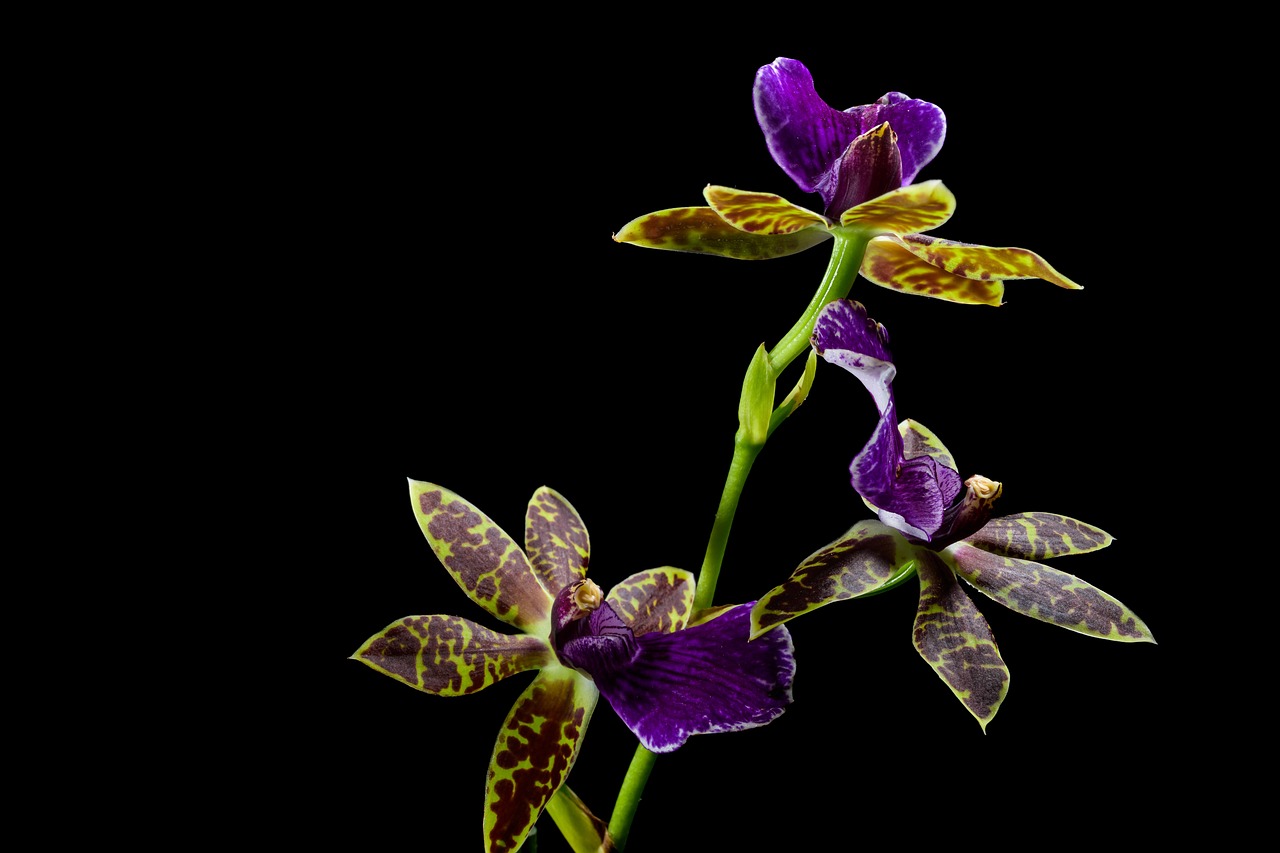
As someone who adores tropical plants, I can confidently say that tropical orchids are among the most vibrant and exotic. They often boast vivid colors and unique patterns that can easily brighten up any space. Choosing tropical orchids allows us to bring a piece of that lush, tropical environment into our homes. I’ve found that nurturing these beauties can be incredibly rewarding. Their blooms can last for weeks, and with the right care, they can thrive for years. Plus, they often have captivating fragrances, adding another layer of charm to their allure. Read Interesting article: Discover Stunning Tropical Fern Varieties for Your Garden
Common Characteristics of Tropical Orchids
Tropical orchids tend to share some common characteristics that make them unique. Here’s what I’ve learned about them over the years:
- Growth Habits: Many tropical orchids are epiphytic, meaning they grow on other plants or trees for support but do not harm them. This growth habit allows them to access sunlight and moisture in their native habitats.
- Fascinating Flowers: The blooms of tropical orchids are known for their intricate structures and dazzling colors. They come in various sizes and shapes, which I find endlessly captivating. Some flowers can even resemble other objects, like butterflies or even faces!
- Varied Lifecycles: Depending on the species, tropical orchids can display different growth patterns. Some bloom once a year, while others may flower multiple times in a season. I love keeping track of their lifecycles—it feels like a delightful surprise every time they bloom!
- Adaptability: While they prefer certain environmental conditions, many tropical orchids are surprisingly adaptable. This adaptability means with the right care, we can grow them in various settings, from indoor spaces to backyards.
As I’ve grown my collection of tropical orchids, I’ve become increasingly fascinated by their unique characteristics and the effort it takes to keep them thriving. Understanding these features has helped me become a better orchid caretaker. I believe anyone passionate about plants can find joy in nurturing these delightful specimens.
Top 10 Stunning Orchid Varieties
Cattleya Orchids
If you’re looking for a classic showstopper, Cattleya orchids should be on your list. Known for their large, vibrant flowers, they can bloom in a range of colors, from bright pinks to deep purples. I remember being taken aback by the sheer size and beauty of a Cattleya I received as a gift. They are often referred to as the “corsage orchids” due to their popularity in floral arrangements. Cattleyas thrive in bright but indirect light, making them perfect for a brightly lit room.
Dendrobium Orchids
Dendrobiums are another fantastic choice for tropical plant enthusiasts. They have a reputation for their versatility. I’ve seen Dendrobiums bloom in clusters, creating a stunning display. What I find most interesting is that they can adapt to many growing conditions, which is a boon for us plant lovers. With proper watering and a little care, their long-lasting flowers can bring joy for months.
Phalaenopsis Orchids (Moth Orchids)
Phalaenopsis, commonly known as moth orchids, have become one of the most popular types of orchids for beginners. Their elegant, flat flowers resemble moths in flight. I started with a Phalaenopsis in my collection, and I was amazed at how easy they were to care for. They flourish in low-light conditions and can bloom several times a year, making them a rewarding choice for any plant lover.
Oncidium Orchids (Dancing Lady Orchids)
Oncidium orchids, often dubbed “dancing lady orchids,” are known for their unique flower shapes that resemble dancing figures. The first time I saw one, I couldn’t help but smile at its whimsical appearance. They prefer bright light and moderate temperatures, which makes them relatively easy to care for. Their cheerful blooms can bring a playful touch to any home.
Cymbidium Orchids
Cymbidium orchids are prized for their long-lasting flowers and impressive size. I’ve seen them bloom in stunning clusters, creating a breathtaking display. These orchids are incredibly resilient and can tolerate cooler temperatures, making them a favorite among growers. They thrive outdoors in warmer climates but can also do well indoors with ample light.
Vanda Orchids
For those looking for a splash of color, Vanda orchids are a fantastic choice. They come in vibrant hues and have long-lasting, fragrant flowers. I love how they can be grown in pots or suspended in hanging baskets, showcasing their stunning blooms. Vandas require bright light and humidity, which can sometimes be a bit tricky, but the reward of seeing them flourish is worth the effort!
Phragmipedium Orchids
Phragmipedium orchids, known as the “slipper orchids,” have captivating blooms that resemble slippers. Their unique shape and vibrant colors make them stand out in any collection. I remember being fascinated by their intricate petals the first time I saw one. They prefer moist conditions, which requires a bit more attention, but the beauty they bring is unmatched.
Paphiopedilum Orchids (Lady Slipper Orchids)
Paphiopedilum, or lady slipper orchids, are captivating with their unique pouch-like blooms. They come in various colors and patterns, which I find enchanting. These orchids thrive in lower light conditions, making them ideal for indoor spaces. I’ve found that their elegant appearance can add a touch of sophistication to any room.
Miltoniopsis Orchids (Pansy Orchids)
Lastly, Miltoniopsis orchids, often referred to as pansy orchids, are adored for their charming, pansy-like flowers. They offer a delightful range of colors and patterns. I’ve enjoyed growing them for their sweet fragrance and vibrant blooms. They prefer cooler temperatures and bright, indirect light, making them a lovely addition to any collection.
These stunning orchid varieties are just a glimpse into the vibrant world of tropical orchids. Each one has its own unique beauty and care requirements, making the journey of cultivating them an exciting adventure. I can’t wait to share more about how to care for these beauties in the next sections!
Top 10 Stunning Orchid Varieties
Brassia Orchids (Spider Orchids)
Brassia orchids, often called spider orchids, are truly a sight to behold. Their long, spindly petals give them a unique appearance that reminds me of a spider gracefully spinning its web. I was first introduced to a Brassia during a visit to a local orchid show, and I was immediately captivated. These elegant flowers typically bloom in shades of yellow and green, sometimes sprinkled with intricate markings. What I appreciate most about Brassia orchids is how they thrive in bright, indirect light and can handle varying humidity levels, which can be a game-changer for us novice orchid growers. Their exotic look adds a dramatic touch to any collection, making them a favorite among enthusiasts.
Care Tips for Tropical Orchids
Light Requirements
Understanding the light needs of tropical orchids has been a game-changer for me. I’ve learned that most tropical orchids love bright, indirect sunlight. Direct sunlight can scorch their delicate leaves, which I experienced firsthand with one of my earlier plants. A south or east-facing window often provides the ideal conditions. Observing how my orchids respond to light has helped me adjust their placement over time. If they’re stretching toward the light, I know I need to move them closer to the window. Conversely, if the leaves start to yellow, it’s a sign they might be getting too much sun. It’s all about finding that balance!
Watering Techniques
Watering is another crucial aspect of orchid care that I’ve become quite particular about. Orchids like to dry out a bit between watering, so I’ve adopted a routine that works for me. I usually stick my finger into the potting medium to check the moisture level. If it feels dry to my touch, it’s time for a drink! I’ve found that using room temperature water helps them absorb it better. Additionally, I let the excess water drain completely to prevent root rot, which can be a real threat. This practice has made a significant difference in the health and longevity of my orchids.
Humidity and Temperature Levels
Humidity is a key player in keeping my tropical orchids happy. I’ve noticed that these beauties thrive in environments with a humidity level of around 40% to 70%. To maintain this, I often mist my orchids a few times a week or use a humidity tray filled with water and pebbles. I remember when I first started, I didn’t pay much attention to humidity, and some of my orchids didn’t fare well. Now, I’m much more attentive. Temperature-wise, most tropical orchids prefer conditions between 65°F and 75°F during the day and a bit cooler at night. Keeping my home within these ranges has helped my orchids flourish.
Fertilization Best Practices
Fertilizing my orchids has been a bit of a learning curve, but it’s also rewarding. I typically use a balanced orchid fertilizer that’s diluted to half strength. I fertilize every two to four weeks during the growing season, which usually starts in the spring. It’s fascinating to see how a little nutrition can make such a difference; I’ve noticed that my orchids bloom more vibrantly and frequently when I stay consistent with fertilization. I also make sure to flush the potting medium with plain water every few months to clear out any salt buildup from the fertilizer, ensuring the roots stay healthy.
Common Pests and Diseases
Dealing with pests and diseases has been one of the more challenging aspects of orchid care for me. I’ve encountered a few common pests like aphids, mealybugs, and scale. I’ve found that a gentle wipe with a damp cloth or a spray of insecticidal soap usually does the trick. It’s important to keep an eye on the leaves and flowers regularly, as catching these issues early can make all the difference. I also learned to avoid overwatering, which can lead to root rot and fungal diseases. Ensuring proper air circulation around my orchids has really helped in preventing these problems and keeping them thriving.
By following these care tips, I’ve managed to create a thriving environment for my tropical orchids, and I believe that anyone can do the same with a little patience and commitment. The joy of seeing them flourish is worth every effort!
How to Display and Arrange Orchids in Your Home
Choosing the Right Pots and Medium
When it comes to displaying our tropical orchids, selecting the right pots and potting medium can make a significant difference. I’ve learned that orchids thrive in pots that allow for good drainage and air circulation. Terracotta pots are my go-to because they help absorb excess moisture, preventing root rot. However, plastic pots are also popular due to their lightweight nature and variety of designs.
As for potting medium, orchids don’t do well in traditional soil. Instead, I’ve found that a mix of bark, sphagnum moss, and perlite works wonders. This combination mimics their natural growing conditions, allowing for airflow around the roots while retaining some moisture. When I first repotted my orchids, I made sure to choose a medium that suited the specific needs of each variety. It’s fascinating how different mixes can impact their growth and overall health!
Creative Display Ideas
One of my favorite parts of orchid care is the creative aspect of displaying them. There’s something incredibly rewarding about finding the perfect spot for these beauties. I enjoy arranging my orchids in various ways to highlight their stunning blooms. For example, I often group different varieties together in a decorative pot or basket to create a vibrant display that draws the eye.
Another idea I love is using hanging baskets. I’ve hung a few orchids near a sunny window, and watching them dangle gracefully has been a delightful addition to my home decor. It gives the space a tropical feel and allows the flowers to flourish with plenty of indirect light. Terrariums or glass vases can also be charming for displaying orchids. I’ve experimented with layering decorative stones, moss, and the orchid itself, creating a visually striking centerpiece.
Indoor vs. Outdoor Placement
Deciding whether to keep my orchids indoors or outdoors has been an exciting journey. For many tropical orchids, the indoor environment can be perfect, especially if you have a sunny spot. I’ve found that placing my orchids near east-facing windows provides them with just the right amount of light. However, I’ve also ventured into outdoor placement during the warmer months. I love moving my orchids outside to enjoy the fresh air, as long as the temperatures remain within their preferred range.
Outdoor placement requires some caution, though. I’ve learned that while many orchids enjoy bright light, direct sunlight can be harmful. I usually find a shaded area or place them under a tree where they can receive filtered sunlight. This way, I can keep them safe from the harsh afternoon rays while still allowing them to soak up some natural warmth. Watching them thrive in a garden setting has been one of my greatest joys!
Orchid Care FAQs
How often should I water my orchids?
This is a common question I had when I first started caring for orchids. The frequency of watering really depends on the type of orchid, the potting medium, and the environmental conditions. I usually check the potting medium every week. If it feels dry to the touch, it’s time for a drink. During the warmer months, I tend to water more frequently, while in the cooler months, I may space out the watering a bit more. It’s all about observing and understanding your plant’s needs.
What is the best fertilizer for orchids?
Choosing the right fertilizer has been crucial in my orchid care journey. I typically use a balanced orchid fertilizer, like a 30-10-10 formula, diluted to half strength. I fertilize during the growing season, every two to four weeks, which helps promote healthy growth and vibrant blooms. I also make sure to flush the potting medium every few months to prevent salt buildup. I’ve found that consistent fertilization has led to happier, more colorful orchids!
How can I tell if my orchid is healthy?
Monitoring the health of my orchids has become second nature over time. I look for signs like healthy, green leaves that aren’t wilting or yellowing. The roots should be firm and greenish in color. If my orchid is blooming, I also check the flowers for any signs of browning or wilting. Regularly examining my orchids makes it easier to catch any issues early, allowing me to adjust care as needed. I feel that being attentive to their needs strengthens the bond between us, making the journey even more rewarding!
Where to Buy Tropical Orchids
Local Nurseries and Garden Centers
Visiting local nurseries and garden centers has always been a favorite outing for me. There’s something special about seeing orchids in person, surrounded by knowledgeable staff who can offer advice. I’ve discovered some hidden gems in my area that carry a variety of tropical orchids, and I love supporting local businesses. Plus, I often find unique varieties that aren’t available online!
Online Orchid Retailers
While I enjoy in-person shopping, I also appreciate the convenience of online orchid retailers. There are several reputable websites where I’ve ordered orchids, and I’ve had good experiences with shipping and quality. It’s a great way to explore different species and hybrids that might not be available in my local shops. Just be sure to read reviews and check return policies before placing an order!
Orchid Shows and Expos
Attending orchid shows and expos is one of my favorite ways to immerse myself in the orchid community. I always leave inspired and often with a new addition to my collection! These events allow us to see so many varieties in one place, and often, vendors offer exclusive plants and deals. I remember my first orchid show; I was amazed by the sheer beauty and diversity on display. It’s a wonderful opportunity to learn more about orchids, connect with other enthusiasts, and, of course, add to our growing collections! Read Interesting article: Alocasia Bisma: Rare Varieties Overview