
Drip irrigation is a game-changer for anyone growing tropical plants. It delivers water directly to the roots, ensuring that these vibrant plants thrive in the heat and humidity. Let’s explore the ins and outs of drip irrigation and why it matters. Read Interesting article: Master Drip Irrigation: Transform Your Tropical Garden
Table of Contents
Understanding Drip Irrigation
What is Drip Irrigation?
Drip irrigation is a method that delivers water directly to the base of plants through a system of tubing and emitters. This technique allows for precise control over how much water each plant receives, making it incredibly efficient compared to traditional watering methods. I remember when I first learned about it; I was amazed at how much water could be saved while ensuring my plants received just what they needed. Instead of soaking the soil and hoping for the best, I could provide a steady supply of moisture right where it was needed most.
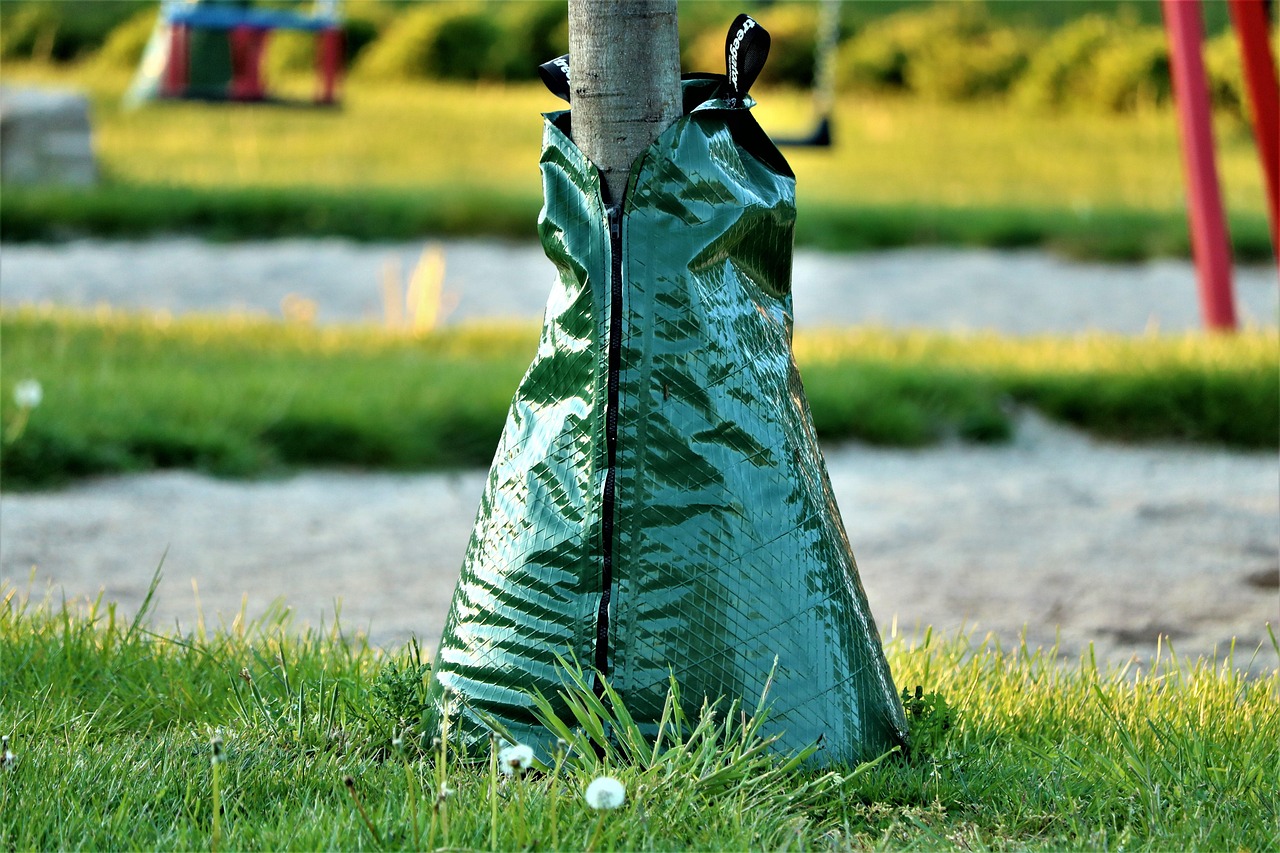
Benefits of Drip Irrigation for Tropical Plants
As someone who has dabbled in gardening in tropical climates, I can truly appreciate the benefits of drip irrigation. Here are some reasons why this system stands out for tropical plants:
- Water Efficiency: Tropical regions often experience heavy rainfall, but they can also face dry spells. Drip irrigation minimizes water waste by delivering water directly to the roots, reducing evaporation and runoff.
- Reduced Disease Pressure: By keeping the foliage dry, drip irrigation helps prevent fungal diseases that thrive in humid environments. I’ve seen fewer issues with mildew since I switched to this method.
- Improved Plant Health: Consistent moisture levels lead to stronger plants. Tropicals like orchids and hibiscus thrive when their roots are well-hydrated, and I’ve noticed healthier blooms since I adopted drip irrigation.
- Time-Saving: Setting up a drip system means I can spend less time watering and more time enjoying my garden. I often set it up on a timer, so my plants get the hydration they need even when I’m busy.
Components of a Drip Irrigation System
Understanding how a drip irrigation system works is essential. Here are the key components that make it all happen:
- Water Source: This can be a tap, rainwater collection tank, or even a well. My system uses harvested rainwater, which feels great for both the environment and my plants.
- Filter: Before the water gets to the plants, it’s filtered to remove debris and particles that could clog the system. I learned the hard way that neglecting this can lead to issues!
- Pressure Regulator: This component ensures that water flows at the right pressure for effective distribution. I’ve found that maintaining consistent pressure is key to keeping everything running smoothly.
- Mainline Tubing: This is the backbone of the system, carrying water from the source to the various plant areas. I prefer using durable materials that can withstand the tropical sun.
- Emitters: These are the devices that release water directly to the plants. They come in various flow rates, allowing for customization based on plant needs. I have a mix of emitters to cater to different types of tropical plants in my garden.
- End Caps and Connectors: These help finish the system and connect different sections. They’re small, but essential for a well-functioning setup.
Having a grasp of these components has really empowered me to troubleshoot and optimize my system. I often find myself tinkering with it, adjusting the emitters or rerouting the tubing as I add new plants or expand my garden. It feels satisfying to see how each piece works together to support my tropical oasis.
Top 5 Drip Irrigation Techniques
1. Surface Drip Irrigation
Surface drip irrigation is the most common technique, and it’s exactly how it sounds. The system is set up above ground, with emitters placed along the soil surface. I’ve found this method particularly effective for my tropical garden, where the heat can be intense. With the emitters strategically placed around each plant, I can directly target their roots, ensuring they get the moisture they need without wasting any water. I remember watching my plants perk up after switching to this method; it felt like they finally got the hydration they craved.
2. Subsurface Drip Irrigation
This technique involves burying the drip lines beneath the soil surface. I was initially hesitant to try it, but I learned that subsurface drip irrigation can be a great way to minimize evaporation, especially in hot climates. With this method, the water seeps directly into the root zone. I noticed that my tropical plants thrived because they weren’t exposed to the scorching sun. It also helps keep the soil cooler, which can be a significant advantage during the hottest months.
3. Point Source Drip Irrigation
Point source drip irrigation uses individual emitters placed at the base of each plant. I’ve enjoyed using this technique for my more delicate tropical plants, like my beloved orchids. Each emitter delivers a specific amount of water, allowing me to customize the watering based on the plant’s needs. I often adjust the flow rate for different plants, and I love how it gives me the flexibility to cater to each plant’s unique requirements.
4. Line Source Drip Irrigation
Line source drip irrigation is similar to point source but uses a continuous drip line that runs along the planting rows. I’ve found this particularly useful for larger areas of my garden, as it allows for a more uniform distribution of water. It’s like a gentle rain that falls directly where needed. I remember setting it up for my vegetable patch and being thrilled with how evenly the water was distributed. My plants grew lush and full, and I spent less time worrying about uneven watering.
5. Micro-Spray Systems
This technique is a bit different but has its place in a tropical gardener’s toolkit. Micro-spray systems use small sprinklers that deliver water in a mist, covering a wider area. I’ve experimented with this for my larger flowering plants and found it particularly useful during the hotter afternoons when I want to cool them down a bit. They love the extra humidity, and I’ve seen a noticeable boost in their health and blooms since adding this option to my drip irrigation setup.
Choosing the Right Technique for Your Tropical Plants
Factors to Consider
Choosing the best drip irrigation technique for your tropical plants can feel overwhelming with so many options. I’ve learned that considering a few key factors can help narrow things down. First, think about the size of your garden and the types of plants you’re working with. If you have a small space with delicate flowers, point source might be your best bet. On the other hand, if you’re watering a large vegetable garden, line source could be the way to go. Each technique has its strengths and knowing your plants’ needs greatly influences your decision. Read Interesting article: Maximize Growth with Effective Irrigation Systems for Tropicals
Soil Type and Plant Needs
The soil type in your garden is another important consideration. I discovered that sandy soils tend to drain quickly, so techniques that provide consistent moisture, like subsurface irrigation, work wonders. In contrast, clay soils retain water longer, which might call for a more surface-based approach to prevent over-saturation. I often test my soil to see how it retains moisture, and this helps me adjust my irrigation strategy accordingly. Understanding your plants and their specific moisture needs can also guide your choice. Some of my tropical plants flourish with a bit more water, while others prefer to dry out between watering.
Water Quality and Availability
Lastly, consider the quality and availability of your water source. If you’re using rainwater, you might want to look into filtration systems to keep your drip lines free of debris. If your water has high mineral content, it could clog emitters over time. I’ve had to adjust my setup based on these factors, ensuring that my plants get the purest water possible. Having a reliable water source is crucial too, especially during dry spells. I’ve experienced how a consistent supply makes all the difference in keeping my tropical paradise thriving.
Installation Tips for Drip Irrigation Systems
Planning Your Layout
One of the most exciting parts about setting up a drip irrigation system is planning the layout. I remember spending hours sketching out my garden and figuring out the best placement for each emitter. The goal is to ensure that every plant gets the right amount of water without overlapping. I recommend starting with a simple diagram of your garden, marking where each plant is located. This way, you can visualize how the water will flow and where to position the mainline tubing and emitters. It’s also a good idea to consider the sun’s path and how it might affect your plants’ water needs during different parts of the day.
Choosing the Right Equipment
Once you have a layout in mind, it’s time to choose the right equipment. I found it helpful to invest in quality components right from the start. This includes durable tubing, reliable emitters, and good connectors. I recommend visiting a local gardening store or searching online for options that suit your needs. If you’re unsure about the sizes or types of emitters, many suppliers offer charts that can guide you based on your plants’ water requirements. In my experience, selecting the right equipment can save a lot of headaches later on, especially when it comes to fitting everything together.
Step-by-Step Installation Guide
Installing a drip irrigation system can seem daunting, but I assure you it’s manageable if you break it down into steps. Here’s a simple guide based on my own experience:
- Gather Your Materials: Ensure you have all the necessary equipment, including tubing, emitters, connectors, and stakes.
- Attach the Filter and Regulator: Start by connecting the filter and pressure regulator to your water source. This is crucial to protect your system from debris and maintain proper water pressure.
- Lay Out the Mainline Tubing: Run the mainline tubing from the water source to the areas where your plants are located. I usually lay it along the garden edges for easy access.
- Install Emitters: Cut the tubing at intervals where you want to place your emitters. I’ve found it helpful to use emitters that can be adjusted for flow rate. Just insert them into the tubing and secure them as needed.
- Connect Everything: Use connectors to link sections of tubing. Ensure all connections are tight to prevent leaks, as I learned the hard way when I discovered wet spots in my garden!
- Test the System: Before burying any tubing, turn on the system to check for leaks and make sure each emitter is functioning. Watching the water flow gives such a satisfying feeling!
- Secure Tubing: Once everything is in place, secure the tubing with stakes to keep it from moving around. This is especially important in windy areas.
- Cover it Up: If you’re using subsurface irrigation, you can bury the tubing now. Just be mindful not to cover emitters too deeply, as they need to release water directly to the roots.
Following these steps helped me set up my system effectively, and I felt a sense of accomplishment when it was all done. It’s a rewarding experience to see your plants flourish with the new irrigation setup!
Maintenance of Drip Irrigation Systems
Regular Checks and Repairs
Once your drip irrigation system is installed, maintenance is key to ensuring it runs smoothly. I learned quickly that it’s important to check the system regularly. I usually make it a habit to walk through my garden once a week to inspect the tubing and emitters. It’s easy to spot any leaks or clogs early on that way. If I notice a plant looking a bit droopy, I investigate to see if there’s a problem with its emitter. I’ve found that a little attention can prevent bigger issues down the road.
Cleaning Filters and Emitters
Cleaning the filters and emitters is another crucial part of maintaining your drip irrigation system. I remember when I first started, I didn’t clean them as often as I should have, and my system became clogged. Now, I take the time to clean the filter every month, especially if I’m using rainwater. For emitters, a quick soak in vinegar can help remove any mineral build-up. It’s become part of my gardening routine, and I find it’s worth the effort to keep everything flowing well.
Seasonal Adjustments for Tropical Climates
In a tropical climate, seasonal changes can affect how much water your plants need. I’ve learned that adjusting my drip irrigation system based on the weather can make a huge difference. During the rainy season, I might reduce the watering schedule since Mother Nature usually takes care of it for me. In contrast, during dry spells, I sometimes increase the flow rates to ensure my tropical plants stay hydrated. Keeping a close eye on the weather and adapting my system accordingly has helped me maintain a thriving garden. Read Interesting article: Essential Guide to Irrigation for Tropical Garden Designs
Common Mistakes to Avoid
Overwatering and Underwatering
One of the biggest challenges when using a drip irrigation system is finding the right balance between overwatering and underwatering. I’ve certainly had my fair share of mishaps in this area. In the beginning, I was so excited about my new setup that I ended up overcompensating, thinking more water would be better. I noticed my plants starting to droop, and some even developed root rot. On the flip side, I’ve also experienced underwatering when I set my timer too low or forgot to adjust it during dry spells. It’s crucial to monitor your plants and adjust the watering schedule based on their needs. I suggest regularly checking the soil moisture and observing your plants; they usually give you hints about how they feel!
Ignoring Soil Moisture Levels
Another mistake I’ve made is neglecting to check soil moisture levels consistently. Just because the system is delivering water doesn’t mean it’s reaching the roots effectively. I invested in a moisture meter, and it has been a game changer. I remember one instance where I thought my tropical plants were doing fine, but the meter revealed dry pockets in the soil. Since then, I’ve made it a habit to check moisture levels in various spots around my garden. It not only helps me avoid problems but also gives me peace of mind knowing my plants are getting what they need.
Neglecting System Maintenance
Skipping regular maintenance is a common pitfall that can lead to bigger issues down the line. I used to think once the system was set up, I could just forget about it. However, I quickly noticed that clogs and leaks would develop if I didn’t stay on top of things. Now I have a dedicated day each month for system maintenance, which includes checking for leaks, cleaning filters, and inspecting emitters. It’s amazing how a bit of effort can keep everything running smoothly and prolong the life of my drip irrigation system. I can’t stress enough how important it is not to overlook this aspect!
Final Thoughts
Using a drip irrigation system has transformed my gardening experience and allowed me to nurture my tropical plants more effectively. The journey has been filled with valuable lessons about water efficiency, plant health, and the importance of regular maintenance. I feel a real sense of accomplishment every time I see my plants thriving, thanks to the careful attention I’ve given to their watering needs.
As you explore your own gardening adventures, I encourage you to embrace drip irrigation. With the right techniques and a little patience, you can create a lush paradise of tropical plants that flourish under your care. Remember, it’s about listening to your plants and adjusting as necessary. Each garden is unique, and I believe that with the right approach, you can cultivate a thriving ecosystem right in your backyard.
Frequently Asked Questions
What is drip irrigation?
Drip irrigation is a method that delivers water directly to the base of plants through a system of tubing and emitters, allowing for precise control over the amount of water each plant receives, making it more efficient than traditional watering methods.
What are the benefits of drip irrigation for tropical plants?
Drip irrigation offers several benefits for tropical plants, including water efficiency by reducing evaporation and runoff, reduced disease pressure by keeping foliage dry, improved plant health through consistent moisture levels, and time-saving convenience by allowing for automated watering.
What are the key components of a drip irrigation system?
The key components of a drip irrigation system include a water source, filter, pressure regulator, mainline tubing, emitters, and end caps and connectors. Each component plays a crucial role in ensuring efficient water delivery to plants.
What are some common techniques used in drip irrigation?
Common drip irrigation techniques include surface drip irrigation, subsurface drip irrigation, point source drip irrigation, line source drip irrigation, and micro-spray systems. Each technique has its unique benefits and suitability based on garden size and plant types.
How can I choose the right drip irrigation technique for my tropical plants?
When choosing a drip irrigation technique, consider factors such as the size of your garden, the types of plants you are growing, soil type, plant moisture needs, and the quality and availability of your water source.
What are some installation tips for setting up a drip irrigation system?
Key installation tips include planning your layout carefully, choosing quality equipment, gathering all necessary materials, attaching the filter and regulator first, laying out the mainline tubing, installing emitters, connecting everything securely, testing the system, and securing the tubing.
How should I maintain my drip irrigation system?
Regular maintenance involves checking the system for leaks and clogs, cleaning filters and emitters, and making seasonal adjustments based on weather changes to ensure your tropical plants receive the right amount of water.
What common mistakes should I avoid with drip irrigation?
Common mistakes to avoid include overwatering or underwatering plants, ignoring soil moisture levels, and neglecting system maintenance. Monitoring plants and soil conditions can help prevent these issues.
How can I ensure my water source is suitable for drip irrigation?
Consider the quality and availability of your water source. If using rainwater, ensure it is filtered, and if your water has high mineral content, know that it can clog emitters. A reliable water source is crucial for maintaining a thriving garden.
Why is regular maintenance important for a drip irrigation system?
Regular maintenance is essential to prevent clogs and leaks, ensuring the system functions effectively. It helps prolong the life of the system and keeps your plants healthy by ensuring they receive adequate water.