
If you’re looking to add a touch of the tropics to your home, using tropical plants in stylish pots is a fantastic way to do it. Let’s dive into the wonderful world of tropical plant pot styles that can elevate your decor! Read Interesting article: Explore Stunning Tropical Plant Pots for Every Space
Understanding Tropical Plant Pot Styles
What Are Tropical Plants?
Tropical plants are fascinating and vibrant, often characterized by their lush foliage and striking colors. These plants typically thrive in warm, humid environments, making them popular choices for indoor decor. Some of my favorites include the Monstera, Bird of Paradise, and various types of palms. I remember the first time I brought a vibrant Pothos into my home; it instantly transformed my living space. Tropical plants not only bring color and life to our environments, but they can also create a serene atmosphere reminiscent of a tropical getaway.
Benefits of Using Tropical Plants in Decor
Incorporating tropical plants into our decor offers numerous benefits. For one, they can improve indoor air quality by filtering toxins and increasing humidity. I’ve noticed that having plants around me makes the space feel fresher and more inviting. Additionally, tropical plants can serve as natural focal points in a room. Their large leaves and vibrant colors draw the eye, adding an element of interest to any decor style. Whether you have a modern aesthetic or prefer a bohemian vibe, tropical plants can seamlessly blend in and elevate your overall design.
Top 5 Tropical Plant Pot Styles
1. Ceramic Pots
Ceramic pots are a classic choice for tropical plants. They come in various designs, sizes, and colors, allowing us to find the perfect match for our decor. I love how they can range from sleek and modern to intricately painted with tropical motifs, making them versatile for any room.
Design Variations
When it comes to ceramic pots, the design variations are endless. From matte finishes to glossy glazes, you can find something to suit your taste. I’ve seen pots with beautiful patterns that can add a pop of personality to a neutral space. There are also minimalist styles that look fantastic in contemporary settings.
Color and Finish Options
The color options for ceramic pots are abundant. I often gravitate toward earthy tones that complement my plants, but vibrant colors can also make a statement. The finish can dramatically change the pot’s appearance; for example, a shiny finish can bring a touch of elegance, while a matte finish creates a soft, understated look.
Benefits for Tropical Plants
Ceramic pots are great for tropical plants because they maintain moisture while allowing for adequate drainage. This is crucial for plants like ferns and Anthuriums that thrive in humid conditions. I’ve found that ceramic pots help to regulate the temperature of the soil, keeping the roots cozy and happy.
2. Terracotta Pots
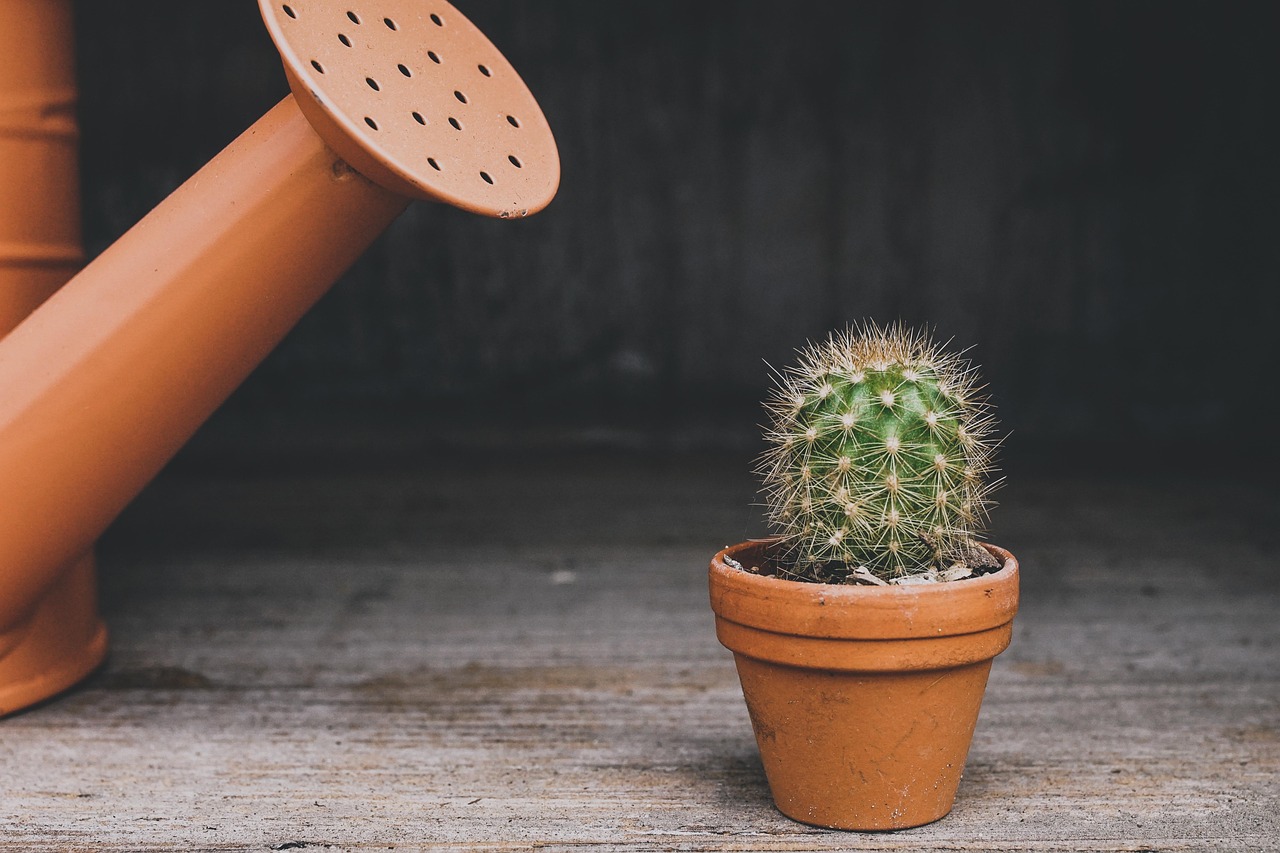
Terracotta pots have a timeless charm that many of us adore. They give off a rustic, earthy feel that can blend beautifully in any setting. I often think of terracotta as the classic choice for tropical plants, and for good reason!
Classic Appeal and Aesthetic
There’s something about the warm, natural tones of terracotta that adds character to a space. I love how they look even more beautiful as they age, developing a patina that speaks to their history. Terracotta pots can be found in various shapes and sizes, making them versatile for plant displays.
Breathability and Drainage Features
One of the best features of terracotta pots is their breathability. They allow air and moisture to flow, which is excellent for tropical plants that can suffer from standing water. I’ve learned that this feature helps prevent root rot, a common issue for many plant lovers.
Best Tropical Plants for Terracotta
Some of the best tropical plants for terracotta pots include succulents and cacti, but they also work wonderfully for larger plants like Fiddle Leaf Figs. I’ve found that these pots allow their roots to breathe, keeping them healthy and thriving.
3. Fiberstone Pots
Fiberstone pots are an emerging favorite in the plant community. They combine the beauty of stone with the lightweight nature of modern materials, making them an excellent option for tropical plants.
Lightweight and Durable Attributes
One of the reasons I love fiberstone pots is their durability and ease of handling. They are much lighter than traditional stone pots, allowing for easy rearrangement in your home. I’ve often changed my mind about plant placements, and these pots make it a breeze!
Modern Design Trends
Fiberstone pots typically have a sleek, modern design that appeals to contemporary decor lovers. They often come in neutral colors, which can complement any interior style. I’ve seen some beautifully textured fiberstone pots that add depth to a room without overwhelming the decor.
Eco-Friendly Options
Additionally, many fiberstone pots are made from eco-friendly materials, which is a big plus for me. Being conscious of the environment while enhancing my space is a win-win!
4. Hanging Planters
Hanging planters are a fantastic way to incorporate tropical plants into your space without taking up valuable floor space. I remember the first time I hung a planter in my home; it instantly added a new dimension to the room.
Types of Hanging Planters
There are numerous types of hanging planters, from macrame to sleek metal designs. Macrame planters have a bohemian aesthetic, while metal ones offer a modern twist. I’ve seen them used to create living art pieces that draw the eye upward, adding interest to the vertical space.
Space-Saving Benefits
Hanging planters are perfect for small spaces. They’re great for making a room feel more open while still bringing in greenery. I’ve found that they help make my home feel more airy and inviting.
Ideal Tropical Plants for Hanging
Some tropical plants that thrive in hanging planters include Spider Plants and Philodendrons. Their cascading leaves create a beautiful effect, almost like nature’s own curtain. I love how they soften the edges of a room and add a lush feel.
5. Concrete Pots
Concrete pots are becoming increasingly popular for their industrial style and durability. They can add a bold statement to your decor and pair wonderfully with tropical plants.
Industrial Style and Durability
The rugged look of concrete pots can create a stunning contrast with the softness of tropical plants. I’ve seen these pots used in modern spaces, adding an edgy vibe that is hard to replicate with other materials.
Customization and Finishing Options
Concrete pots can be customized in various sizes and finishes, allowing for a wide range of aesthetics. I’ve come across some beautifully painted concrete pots that blend seamlessly with colorful plants, providing a unique twist to traditional designs.
Best Practices for Using Concrete Pots
When using concrete pots for tropical plants, it’s vital to ensure proper drainage. I always recommend adding a layer of gravel at the bottom to prevent water from pooling. This little tip can help keep your plants healthy and thriving.
Factors to Consider When Choosing Plant Pots
Size and Scale
Choosing the right size pot is crucial for the health of your tropical plants. I remember when I first started collecting plants; I often picked pots that I thought looked cute but didn’t consider the size of the plant’s root system. It’s essential to ensure that the pot is appropriately sized to allow for growth. A pot that’s too small can restrict the roots, while a pot that’s too large may lead to overwatering since the soil can retain excess moisture. I’ve found that a good rule of thumb is to select a pot that’s about 1-2 inches larger in diameter than the plant’s current pot. This way, you give your plants room to thrive without overwhelming them.
Drainage Requirements
Drainage is a critical factor when it comes to the health of tropical plants. I’ve learned the hard way that stagnant water can lead to root rot, which is something no plant parent wants to deal with. When selecting pots, I always look for those with drainage holes at the bottom. If you fall in love with a beautiful pot that lacks drainage, consider using it as a cachepot—just place a plastic pot inside it. This way, you can enjoy the aesthetics while keeping your plant healthy! Read Interesting article: Choosing the Best Pots for Your Tropical Indoor Plants
Material and Texture
The material of the pot can greatly influence the look and feel of your decor. Each material brings its own aesthetic and functional attributes. For instance, I love the rustic charm of terracotta, but I also appreciate the modern vibe of fiberstone. The texture can add depth to your decor, making it more visually appealing. If you’re going for a cohesive look, consider the textures of your other decor items. Mixing and matching materials can be fun, but too many different textures can create chaos. I’ve discovered that balance is key to creating a harmonious space.
Color Coordination with Decor
Color can make or break the overall vibe of a room. I always think about how the pot colors will interact with the plants and surrounding decor. Earthy tones often work well with vibrant green leaves, while bold-colored pots can complement more subtle plant hues. I remember once opting for a bright yellow pot for my Monstera, and it became an instant conversation starter! When choosing colors, consider the existing palette of your home. If your space is neutral, a colorful pot can add a delightful pop. Conversely, if you have bold decor, you might want to go for pots in calmer shades to avoid overwhelming the senses.
Care Tips for Tropical Plants in Pots
Watering Needs
Watering tropical plants can feel tricky at times, especially since they often require more moisture than other types of plants. I’ve found that the best approach is to check the soil before watering. If it feels dry an inch below the surface, it’s time for a drink! I usually water my tropical plants thoroughly, making sure to let excess water drain out. Over time, I’ve learned the value of a consistent watering schedule, but I also pay attention to seasonal changes. In winter, for example, I water less frequently as the plants enter a dormant phase.
Soil Selection
The right soil can make a huge difference in the health of tropical plants. I’ve experimented with various soil mixes, but I always recommend a potting mix designed for tropical plants. These mixes typically have good drainage and moisture retention, which is exactly what tropical plants crave. I often add perlite or orchid bark to my potting mix for extra aeration. This blend has worked wonders for my plants, allowing their roots to breathe while still providing the moisture they need. Read Interesting article: Essential Soil Tips for Thriving Indoor Tropical Plants
Lighting Conditions
Lighting is another critical aspect to consider when caring for tropical plants. I’ve learned that many tropical plants prefer bright, indirect light, but some can thrive in lower light conditions. I usually assess each plant’s needs and place them accordingly. For instance, my Snake Plant does well in a shadier spot, while my Bird of Paradise loves to bask in bright light. If you’re unsure, it’s always a good idea to research the specific requirements of each plant to create a perfect little oasis in your home.
Incorporating Tropical Plants into Your Decor
Creating a Tropical Focal Point
Creating a focal point with your tropical plants can completely transform a room. I’ve found that grouping larger plants together often draws the eye and creates a stunning visual impact. One of my favorite setups is arranging a tall palm next to a large ceramic pot filled with a vibrant fern. This combination adds height and interest, making it a perfect centerpiece in my living room. If you’re looking for inspiration, consider using a statement plant as a centerpiece on a side table or an entryway stand.
Layering Plants for Depth
Layering different plants can create depth and complexity in your decor. I love to mix plants of varying heights and textures to keep things visually engaging. For instance, pairing trailing plants like Pothos with upright plants like Dracaena creates a lovely contrast. I’ve also found that using different pot styles can enhance this effect. Layering not only makes a space look fuller but also allows you to play with shadows and light, adding another dimension to your decor.
Combining Different Pot Styles
Mixing and matching pot styles can result in a beautifully curated look. I often enjoy combining ceramic pots with hanging planters to create an eclectic vibe. This approach allows each plant to shine in its own pot while still contributing to a cohesive space. When I first tried this out, I was nervous about whether it would work, but I was pleasantly surprised by how well it turned out! I recommend considering the color palette and materials to ensure that everything harmonizes while maintaining a unique, personalized touch.
Where to Buy Tropical Plant Pots
Local Nurseries and Garden Centers
Visiting local nurseries and garden centers can be a delightful experience. I love walking through the aisles, surrounded by the fresh scent of plants and soil. These places often have a fantastic selection of pots, and the staff can provide personalized advice based on your specific needs. Plus, you get to see the pots up close and feel their quality before making a purchase. I often find unique designs that aren’t available online, and I appreciate supporting local businesses.
Online Retailers and Marketplaces
If you prefer shopping from the comfort of your home, online retailers are a great option. I’ve had good luck finding a wide variety of pots on platforms like Etsy and Amazon. The convenience of browsing through countless styles at any time of day is a huge plus. Just make sure to read reviews and check the dimensions to ensure you’re getting what you expect. I always look for shops that offer clear return policies in case the pot doesn’t meet my expectations.
Custom Pot Makers and Artisans
For truly unique and personalized options, consider reaching out to custom pot makers and artisans. I was blown away by the creativity and craftsmanship I found when I started exploring local artists. Many artisans can create pots that fit your specifications, allowing you to have something that perfectly matches your decor. Plus, supporting local artists is always an enriching experience. I’ve found some of my favorite pieces this way, ones that tell a story and add character to my space.
Understanding Tropical Plant Pot Styles
What Are Tropical Plants?
Tropical plants are truly captivating with their vibrant colors and lush, green foliage. I’ve always been fascinated by how they can instantly transport you to a warm, sunny destination, no matter where you are. These plants thrive in warm climates, typically needing a good amount of humidity and light to flourish. Some of the most popular tropical plants include the striking Philodendron, the colorful Bromeliad, and the graceful Peace Lily. Each of these plants has its own unique charm that can brighten up any room in your house. Whenever I bring a new tropical plant home, it feels like a little piece of paradise has entered my space.
Benefits of Using Tropical Plants in Decor
Incorporating tropical plants into our homes comes with a plethora of benefits. For one, they help to purify the air by absorbing toxins and releasing oxygen, which is something I really value. I’ve noticed that my indoor air quality improves when I have a few of these beauties around. Besides the health benefits, they also add a lively aesthetic to our decor. The diverse shapes and vibrant hues of tropical plants can serve as eye-catching focal points, adding depth and character to any room. I often find myself arranging my tropical plants to create a natural oasis; it’s therapeutic and energizing at the same time!
Top 5 Tropical Plant Pot Styles
1. Ceramic Pots
Ceramic pots are a classic choice for tropical plants. They come in various designs, sizes, and colors, allowing us to find the perfect match for our decor. I love how they can range from sleek and modern to intricately painted with tropical motifs, making them versatile for any room.
Design Variations
When it comes to ceramic pots, the design variations are endless. From matte finishes to glossy glazes, you can find something to suit your taste. I’ve seen pots with beautiful patterns that can add a pop of personality to a neutral space. There are also minimalist styles that look fantastic in contemporary settings.
Color and Finish Options
The color options for ceramic pots are abundant. I often gravitate toward earthy tones that complement my plants, but vibrant colors can also make a statement. The finish can dramatically change the pot’s appearance; for example, a shiny finish can bring a touch of elegance, while a matte finish creates a soft, understated look.
Benefits for Tropical Plants
Ceramic pots are great for tropical plants because they maintain moisture while allowing for adequate drainage. This is crucial for plants like ferns and Anthuriums that thrive in humid conditions. I’ve found that ceramic pots help to regulate the temperature of the soil, keeping the roots cozy and happy.
2. Terracotta Pots
Terracotta pots have a timeless charm that many of us adore. They give off a rustic, earthy feel that can blend beautifully in any setting. I often think of terracotta as the classic choice for tropical plants, and for good reason!
Classic Appeal and Aesthetic
There’s something about the warm, natural tones of terracotta that adds character to a space. I love how they look even more beautiful as they age, developing a patina that speaks to their history. Terracotta pots can be found in various shapes and sizes, making them versatile for plant displays.
Breathability and Drainage Features
One of the best features of terracotta pots is their breathability. They allow air and moisture to flow, which is excellent for tropical plants that can suffer from standing water. I’ve learned that this feature helps prevent root rot, a common issue for many plant lovers.
Best Tropical Plants for Terracotta
Some of the best tropical plants for terracotta pots include succulents and cacti, but they also work wonderfully for larger plants like Fiddle Leaf Figs. I’ve found that these pots allow their roots to breathe, keeping them healthy and thriving.
3. Fiberstone Pots
Fiberstone pots are an emerging favorite in the plant community. They combine the beauty of stone with the lightweight nature of modern materials, making them an excellent option for tropical plants.
Lightweight and Durable Attributes
One of the reasons I love fiberstone pots is their durability and ease of handling. They are much lighter than traditional stone pots, allowing for easy rearrangement in your home. I’ve often changed my mind about plant placements, and these pots make it a breeze!
Modern Design Trends
Fiberstone pots typically have a sleek, modern design that appeals to contemporary decor lovers. They often come in neutral colors, which can complement any interior style. I’ve seen some beautifully textured fiberstone pots that add depth to a room without overwhelming the decor.
Eco-Friendly Options
Additionally, many fiberstone pots are made from eco-friendly materials, which is a big plus for me. Being conscious of the environment while enhancing my space is a win-win!
4. Hanging Planters
Hanging planters are a fantastic way to incorporate tropical plants into your space without taking up valuable floor space. I remember the first time I hung a planter in my home; it instantly added a new dimension to the room.
Types of Hanging Planters
There are numerous types of hanging planters, from macrame to sleek metal designs. Macrame planters have a bohemian aesthetic, while metal ones offer a modern twist. I’ve seen them used to create living art pieces that draw the eye upward, adding interest to the vertical space.
Space-Saving Benefits
Hanging planters are perfect for small spaces. They’re great for making a room feel more open while still bringing in greenery. I’ve found that they help make my home feel more airy and inviting.
Ideal Tropical Plants for Hanging
Some tropical plants that thrive in hanging planters include Spider Plants and Philodendrons. Their cascading leaves create a beautiful effect, almost like nature’s own curtain. I love how they soften the edges of a room and add a lush feel.
5. Concrete Pots
Concrete pots are becoming increasingly popular for their industrial style and durability. They can add a bold statement to your decor and pair wonderfully with tropical plants.
Industrial Style and Durability
The rugged look of concrete pots can create a stunning contrast with the softness of tropical plants. I’ve seen these pots used in modern spaces, adding an edgy vibe that is hard to replicate with other materials.
Customization and Finishing Options
Concrete pots can be customized in various sizes and finishes, allowing for a wide range of aesthetics. I’ve come across some beautifully painted concrete pots that blend seamlessly with colorful plants, providing a unique twist to traditional designs.
Best Practices for Using Concrete Pots
When using concrete pots for tropical plants, it’s vital to ensure proper drainage. I always recommend adding a layer of gravel at the bottom to prevent water from pooling. This little tip can help keep your plants healthy and thriving.
Frequently Asked Questions
What are tropical plants?
Tropical plants are vibrant and fascinating, characterized by lush foliage and striking colors. They thrive in warm, humid environments and are popular for indoor decor. Some examples include Monstera, Bird of Paradise, and various types of palms.
What are the benefits of using tropical plants in decor?
Incorporating tropical plants improves indoor air quality by filtering toxins and increasing humidity. They also serve as natural focal points in a room, adding interest and enhancing the overall design, whether modern or bohemian.
What types of pots are best for tropical plants?
Some of the best pot styles for tropical plants include ceramic pots, terracotta pots, fiberstone pots, hanging planters, and concrete pots. Each style offers unique benefits in terms of aesthetics and functionality.
Why are ceramic pots a good choice for tropical plants?
Ceramic pots maintain moisture while allowing for adequate drainage, which is crucial for tropical plants like ferns and Anthuriums. They also regulate soil temperature, helping to keep roots healthy.
How do terracotta pots benefit tropical plants?
Terracotta pots are breathable, allowing air and moisture to flow, which helps prevent root rot. They also have a rustic charm and can develop a beautiful patina as they age.
What advantages do fiberstone pots offer?
Fiberstone pots are lightweight and durable, making them easy to handle and rearrange. They often feature modern designs and can be made from eco-friendly materials, appealing to contemporary decor lovers.
What types of plants are suitable for hanging planters?
Some tropical plants that thrive in hanging planters include Spider Plants and Philodendrons. Their cascading leaves create a beautiful effect, enhancing the visual appeal of vertical spaces.
What should be considered when using concrete pots for tropical plants?
When using concrete pots, it’s vital to ensure proper drainage. Adding a layer of gravel at the bottom can help prevent water from pooling, keeping the plants healthy.
How do I choose the right size pot for my tropical plants?
It’s essential to choose a pot that is about 1-2 inches larger in diameter than the plant’s current pot. This allows room for growth while preventing overwatering and root restriction.
Where can I buy tropical plant pots?
You can buy tropical plant pots at local nurseries and garden centers, online retailers like Etsy and Amazon, or through custom pot makers and artisans for unique and personalized options.