
Traeger grills, known for their innovative technology, offer a modern grilling experience, while Big Green Egg grills have a timeless tradition rooted in ceramic cooking. This article compares their features, benefits, and user experiences to help you make an informed choice.
Overview of Traeger and Big Green Egg
Traeger and Big Green Egg are two iconic brands in the grilling world. Each offers a unique experience, shaped by their rich histories and product innovations.
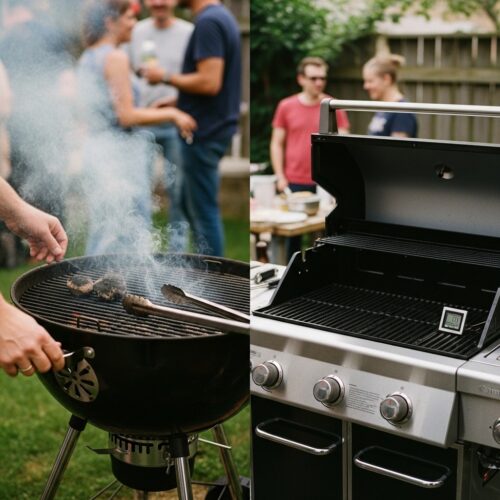
The Innovative Journey of Traeger
Traeger is the pioneer of pellet grills. Founded in 1985, they revolutionized outdoor cooking by blending grilling and smoking with technology. Their grills use wood pellets as fuel, providing a rich, smoky flavor while allowing for precise temperature control.
- Key Features:
- WiFIRE Technology: Control your grill from your smartphone.
- Versatility: Grill, smoke, bake, and roast all in one unit.
- User-Friendly: Set it and forget it, perfect for beginners.
Traeger’s commitment to innovation means they continuously update their features. This allows users to enjoy a seamless grilling experience, whether they’re a novice or an expert.
The Timeless Tradition of Big Green Egg
Big Green Egg takes a different approach. Their kamado grills are based on centuries-old cooking methods. Introduced in the U.S. in the 1970s, they focus on simplicity and tradition.
Table of Contents
- Key Features:
- Ceramic Construction: Excellent heat retention and durability.
- Manual Control: Grillers must adjust temperatures manually, adding a hands-on experience.
- Versatile Cooking: Capable of high-temperature searing and low-and-slow smoking.
The Big Green Egg stands out for its classic design and performance. It appeals to grillers who value tradition and craftsmanship.
Comparison Takeaway
Both brands cater to different grilling styles. Traeger focuses on technological convenience, while Big Green Egg emphasizes traditional cooking methods. When choosing between them, consider your cooking style and how much technology you want in your grilling experience.
Key Features: Traeger vs. Big Green Egg
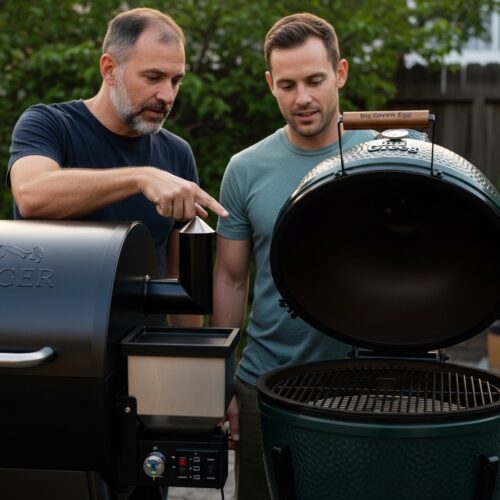
When it comes to grilling, both Traeger and Big Green Egg bring unique features to the table. Let’s dive into their construction quality, technology, and ease of use.
Construction Quality and Design
Traeger:
- Material: Made with durable steel.
- Design: Features a sleek, modern look.
- Portability: Some models are lighter, making them easier to move.
Big Green Egg:
- Material: Crafted from ceramic, offering excellent heat retention.
- Design: Classic, egg-shaped design; a true conversation starter.
- Durability: Resistant to weather changes and built to last.
Technology and Temperature Control
Traeger:
- WiFIRE Technology: Allows you to control the grill from your smartphone.
- Temperature Control: Precise digital controls for consistent cooking temperatures. Great for low and slow cooking.
- Convenience: Set it and forget it! Perfect for busy grillers.
Big Green Egg:
- Manual Control: Requires adjustments for temperature, giving a hands-on experience.
- Versatility: Can reach high temperatures for searing and low temperatures for smoking.
- No Power Needed: Operates solely on natural hardwood charcoal, making it perfect for more traditional grillers.
Comparison Chart
| Feature | Traeger | Big Green Egg |
|---|---|---|
| Construction Material | Steel | Ceramic |
| Temperature Control | Digital, WiFIRE | Manual |
| Portability | Some models are lightweight | Heavier, less portable |
| Cooking Versatility | Excellent for low and slow | High-temp searing & smoking |
| Power Requirement | Requires electricity | No power needed |
User Experience
Grillers often find that Traeger grills offer a more tech-savvy experience. They appreciate the convenience of WiFIRE. On the other hand, Big Green Egg enthusiasts enjoy the traditional methods. They value the craftsmanship and the ability to control their cooking manually.
When choosing, think about how much tech you want in your grilling. Do you prefer the ease of a digital setup or the charm of manual control? Both grills have their strengths, so it really boils down to your grilling style!
Fuel Sources: Pellets vs. Charcoal
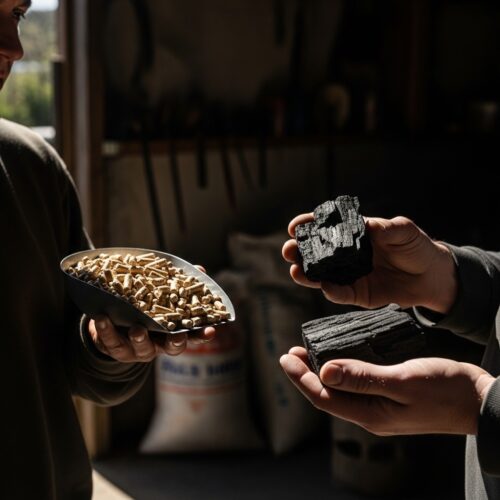
When it comes to grilling, the fuel source you choose makes a big difference. Traeger and Big Green Egg offer distinct flavors and cooking experiences thanks to their different fuel types. Let’s dive into what makes wood pellets and lump charcoal unique.
The Advantages of Wood Pellets
Traeger uses wood pellets as their fuel source. Here’s what you need to know:
- Flavor Profile: Pellets provide a smooth, smoky flavor. The variety of wood types (like hickory or mesquite) lets you customize your taste.
- Temperature Control: Traeger grills have electronic controls that maintain consistent temperatures. This means less guesswork for you.
- Ease of Use: Just fill the hopper, set your temperature, and let the grill do its magic. It’s that simple!
For example, if you’re cooking ribs, using a hickory pellet can enhance that deep, smoky flavor without overpowering the meat.
The Benefits of Lump Charcoal
Big Green Egg relies on lump charcoal, and it’s a game-changer. Here’s why:
- Rich Flavor: Charcoal offers a deeper, more robust smoke flavor. Many BBQ lovers swear by it for that authentic barbecue taste.
- High Heat: Kamado grills can reach higher temperatures, making them perfect for searing steaks.
- Manual Control: While it requires more skill to manage temperatures, experienced users appreciate the control over their cooking environment.
For instance, if you’re grilling a pizza, the high heat from lump charcoal can give you that crispy crust everyone loves.
Flavor Impact Comparison
| Fuel Source | Flavor Profile | Temperature Control | Ease of Use |
|---|---|---|---|
| Wood Pellets | Smooth, customizable smoke | Electronic, consistent | Set-and-forget simplicity |
| Lump Charcoal | Rich, robust smoke | Manual adjustments needed | Requires skill and attention |
Choosing between Traeger and Big Green Egg often boils down to your flavor preference and cooking style. If you love convenience and consistency, go with Traeger. If you crave that traditional, smoky flavor and enjoy hands-on cooking, Big Green Egg might be your best bet.
Ease of Use: User Experience Insights

When it comes to ease of use, Traeger and Big Green Egg offer different experiences. Let’s break down what users have to say about each grill.
Setting Up and Operating Traeger
Traeger grills are known for their user-friendly design. Most users rave about how easy they are to set up. With clear instructions and well-labeled parts, you won’t need to be a handyman to get started.
- Convenient Controls: The digital control panel makes temperature adjustments a breeze. You can set it and forget it, which is perfect for busy cooks.
- Consistent Cooking: Many users appreciate the consistent results. The electronic system maintains steady temperatures, eliminating guesswork.
- Maintenance Made Simple: Cleaning is straightforward. Just empty the ash and wipe down the grill after use.
User Testimonial: “I love my Traeger! It’s so easy to operate. I set the temperature, and it does the rest. Perfect for my weekend barbecues!”
The Learning Curve with Big Green Egg
On the flip side, the Big Green Egg requires a bit more hands-on effort. It’s loved for its traditional cooking methods but can be challenging for beginners.
- Temperature Control: Users must manually adjust airflow with vents. This requires practice to master.
- Setup Complexity: While setup isn’t overly complicated, it’s not as intuitive as Traeger. Some users recommend watching tutorials to get the hang of it.
- Durability and Design: The ceramic body is tough but can be heavy and cumbersome to move around.
User Testimonial: “The Big Green Egg has a learning curve, but once you get it, the flavor is unmatched. It’s a bit of work, but I enjoy the process.”
Quick Comparison of User Experience
| Feature | Traeger | Big Green Egg |
|---|---|---|
| Setup | Easy with clear instructions | Slightly complex, requires tips |
| Temperature Control | Digital, set-and-forget | Manual, requires practice |
| Maintenance | Simple ash cleanup | More involved cleaning |
| Cooking Style | Versatile and consistent | Hands-on, traditional |
Both grills have their strengths. Traeger shines in convenience and ease, while Big Green Egg offers a more authentic barbecuing experience with a bit of a learning curve. Choose based on your cooking style and how hands-on you want to be!
Cooking Capacity and Versatility
When it comes to cooking capacity and versatility, Traeger and Big Green Egg present two very different approaches. Let’s break down how each grill performs with various types of food.
Cooking Times and Food Types
Traeger grills shine when it comes to cooking times. They offer a set-it-and-forget-it experience. You can load up the pellets, set the temperature, and let the grill do the work. This makes them perfect for long cooks like briskets or ribs. You can even smoke a turkey for Thanksgiving without keeping a constant eye on it.
Big Green Egg, on the other hand, is all about hands-on cooking. It requires more attention but rewards you with incredible flavors. It excels at high-heat cooking, making it perfect for searing steaks or grilling pizzas. Because of its ceramic body, it retains heat exceptionally well, leading to beautifully charred results.
Cooking Highlights:
- Traeger:
- Great for low and slow cooking.
- Ideal for larger cuts of meat.
- Consistent results with less effort.
- Big Green Egg:
- High maximum temperatures for searing.
- Versatile cooking methods (grilling, baking, smoking).
- Requires practice for optimal results.
Versatility in Cooking Styles
Both grills bring something unique to the table. Traeger is like the Swiss Army knife of grills. It can smoke, bake, and grill, all while allowing you to set specific temperatures. This makes it great for a variety of dishes—from smoked salmon to roasted vegetables.
Big Green Egg is versatile too, but in a different way. You can grill, bake, and even use it as a tandoor. However, it requires a bit more skill to manage the temperature manually. Once mastered, you can create restaurant-quality dishes right in your backyard.
Versatility Breakdown:
- Traeger:
- Easy to switch between cooking styles.
- Digital controls make it user-friendly.
- Perfect for beginners and busy cooks.
- Big Green Egg:
- Adaptable for various cooking techniques.
- Great for high-heat searing and slow smoking.
- Best for those who enjoy a hands-on approach.
In summary, if you want ease and convenience, Traeger is your best bet. If you’re up for a challenge and appreciate traditional methods, the Big Green Egg will not disappoint. Your choice ultimately depends on how you like to cook!
Price Comparison: Value for Money
When considering Traeger and Big Green Egg grills, price is a major factor. Let’s break down the initial purchase costs and the long-term operating expenses for each grill type.
Initial Purchase Costs
The price difference between Traeger and Big Green Egg is significant. Here’s a quick look:
| Grill Type | Average Price |
|---|---|
| Traeger | $500 |
| Big Green Egg | $1,000 |
Traeger grills are generally more affordable. For example, their entry-level model, the Ranger, costs around $500. In contrast, the smallest Big Green Egg model, the Mini, can cost about $600. If you’re looking for budget-friendly options, Traeger is the clear winner.
Operating Costs Over Time
Operating costs include fuel, maintenance, and any accessories you might need.
- Traeger:
- Fuel: Uses wood pellets, costing around $20 for a bag that lasts several cooks.
- Maintenance: Minimal; just clean it out and keep an eye on the electronics.
- Big Green Egg:
- Fuel: Operates on natural hardwood charcoal, which can cost about $30 for a bag that lasts multiple uses.
- Maintenance: Requires occasional inspections of the ceramic and manual temperature adjustments.
Here’s how they stack up over a year, assuming you grill 20 times:
| Grill Type | Annual Fuel Cost | Maintenance Cost | Total Annual Cost |
|---|---|---|---|
| Traeger | $400 | $50 | $450 |
| Big Green Egg | $600 | $100 | $700 |
In this example, over time, Traeger provides more value. Its lower fuel and maintenance costs mean you save money in the long run. So, if you’re budget-conscious, Traeger is worth considering.
Decision Factors
When choosing between Traeger and Big Green Egg, think about:
- Your cooking style: Do you prefer the convenience of digital controls or the hands-on approach of manual adjustments?
- Frequency of use: If you grill often, consider long-term fuel costs.
- Budget: Factor in both initial and ongoing expenses.
Each grill has its strengths. Traeger shines in affordability and convenience, while Big Green Egg offers traditional grilling with a premium price tag. Choose what aligns best with your grilling habits and budget!
Durability and Longevity of Grills
When it comes to durability, both Traeger and Big Green Egg have their unique strengths. Understanding their materials and maintenance needs can help you choose the right grill for your grilling journey.
Material Quality and Build
Traeger grills are built primarily from steel. This material is sturdy but can be prone to rust if not maintained properly. On the other hand, Big Green Egg grills are made from high-quality ceramic. This gives them exceptional heat retention and a classic look. The ceramic is also resistant to cracking, making it ideal for long-term use.
| Feature | Traeger | Big Green Egg |
|---|---|---|
| Material | Steel | Ceramic |
| Rust Resistance | Moderate (needs maintenance) | High (crack resistant) |
| Heat Retention | Good | Excellent |
Maintenance Needs
Maintaining your grill is crucial for ensuring its longevity. Here are some tips for both Traeger and Big Green Egg:
- Traeger:
- Clean the grill after each use to prevent grease buildup.
- Store it in a dry place to avoid rust.
- Inspect the electronic components regularly.
- Big Green Egg:
- Use a grill brush to clean the ceramic surface.
- Avoid rapid temperature changes to prevent cracks.
- Regularly check the gaskets for wear and replace them if necessary.
By following these maintenance tips, you can extend the life of your grill. If you grill frequently, investing time in upkeep will pay off in the long run.
Final Verdict: Which Grill Should You Choose?
Choosing between Traeger and Big Green Egg is all about your grilling style and preferences. Let’s break it down.
Ideal Scenarios for Traeger
If you love convenience and technology, Traeger is your best bet. Here’s why:
- Set It and Forget It: Traeger pellet grills offer automated temperature control. Just set your desired temperature, and the grill does the rest.
- Versatile Cooking: Great for smoking, grilling, and baking. You can cook everything from ribs to pizza.
- Easy Cleanup: While some find cleaning a hassle, using a liner can make it simpler.
Traeger is perfect for busy folks who want to enjoy great barbecue without constant monitoring.
Best Use Cases for Big Green Egg
Big Green Egg shines for traditionalists who appreciate craftsmanship and versatility. Here’s what you get:
- High Heat Cooking: Ideal for searing steaks and achieving that crispy crust on pizzas.
- Fuel Flexibility: Uses all-natural charcoal, making it more eco-friendly.
- Exceptional Durability: The ceramic body retains heat well and lasts for years.
If you enjoy hands-on grilling and want that classic smoky flavor, the Big Green Egg will deliver.
Quick Comparison Checklist
| Feature | Traeger | Big Green Egg |
|---|---|---|
| Cooking Style | Automated, versatile | Traditional, hands-on |
| Temperature Control | Digital, precise | Manual, requires skill |
| Fuel Source | Wood pellets | Charcoal |
| Cleanup | Moderate (can be tricky) | Easy with ceramic care |
| Durability | Stainless steel | High-quality ceramic |
Decision Framework
1. Cooking Style: Do you prefer tech and automation, or traditional grilling?
2. Fuel Preference: Are you looking for convenience with pellets or the classic taste of charcoal?
3. Maintenance: How much time can you commit to cleanup and upkeep?
4. Budget: Consider the initial investment and long-term costs for both types.
By answering these questions, you can find the grill that fits your lifestyle best. Happy grilling!
Frequently Asked Questions
These quick answers cover the most common questions about this topic, including key details, practical tips, and common concerns.
What is the difference between the Big Green Egg and the Traeger grill?
Traeger grills are pellet smokers with digital temperature controls, offering convenience and versatility for smoking, baking, and grilling. Big Green Egg grills are ceramic kamado-style grills that require manual vent adjustments, emphasizing traditional, high-heat cooking methods. Traeger provides automated operation, while Big Green Egg offers hands-on control and classic flavor.
What is the lawsuit against Traeger grills?
There have been legal disputes involving Traeger related to patent infringement or product safety, but these are specific cases and do not affect all users. It’s important to stay informed through official sources if you’re concerned about legal issues. Overall, Traeger remains a popular and reputable brand in the grilling industry.
What is the highest rated pellet smoker?
Traeger is often regarded as the top-rated pellet grill brand, with models praised for their consistent temperature control, ease of use, and durability. Many users and experts consider Traeger’s higher-end models, like the Timberline series, among the best in the pellet smoker market.
What grill is comparable to the Big Green Egg?
Grills comparable to the Big Green Egg include other ceramic kamado-style grills such as Kamado Joe, Primo, and Vision. These grills share similar features like excellent heat retention, versatility, and manual vent control, making them suitable alternatives for traditional grilling and smoking.
How do I maintain my Traeger grill?
Regular maintenance involves cleaning the grease tray and ash from the firepot, wiping down the interior and exterior surfaces, and replacing the pellet hopper liner if needed. Periodically check and clean the digital components and vents to ensure consistent performance and extend the grill’s lifespan.
What are the advantages of kamado grills like the Big Green Egg?
Kamado grills excel in heat retention, allowing for precise temperature control and fuel efficiency. They are highly versatile, capable of high-temperature searing, baking, and smoking. Their ceramic construction provides durability and excellent heat distribution, making them ideal for a range of cooking styles.
How long do Traeger grills last?
With proper care, Traeger grills can last 5 to 10 years or longer. Regular cleaning, replacing worn parts, and protecting the grill from harsh weather conditions help maximize lifespan. Many users report their Traeger grills lasting over a decade with routine maintenance.
Can I use wood pellets in a Big Green Egg?
No, Big Green Egg grills are designed to use lump charcoal and natural wood chunks for fuel. Using wood pellets in a Big Green Egg is not recommended, as the design does not support pellet feeding and could damage the ceramic or affect performance.
What are the main differences between Traeger and Big Green Egg?
Traeger offers pellet grills with digital controls, ease of use, and fuel efficiency, ideal for set-it-and-forget-it cooking. Big Green Egg provides ceramic kamado grills with manual vent control, high heat capabilities, and a traditional approach to grilling. Your choice depends on whether you prioritize convenience or classic craftsmanship.
What is the best fuel for grilling?
The best fuel depends on your grilling style. Wood pellets are convenient, produce a mild smoky flavor, and allow precise temperature control. Lump charcoal offers richer flavor and higher heat, suitable for searing and traditional barbecue. Choose based on your flavor preference and desired cooking method.