
Transforming your outdoor space with a tropical container garden can be a delightful journey. With the right seasonal care, you can create a lush paradise right on your patio or balcony. Read Interesting article: Seasonal Care Tips for Thriving Tropical Container Gardens
Understanding Tropical Container Gardening
What is Tropical Container Gardening?
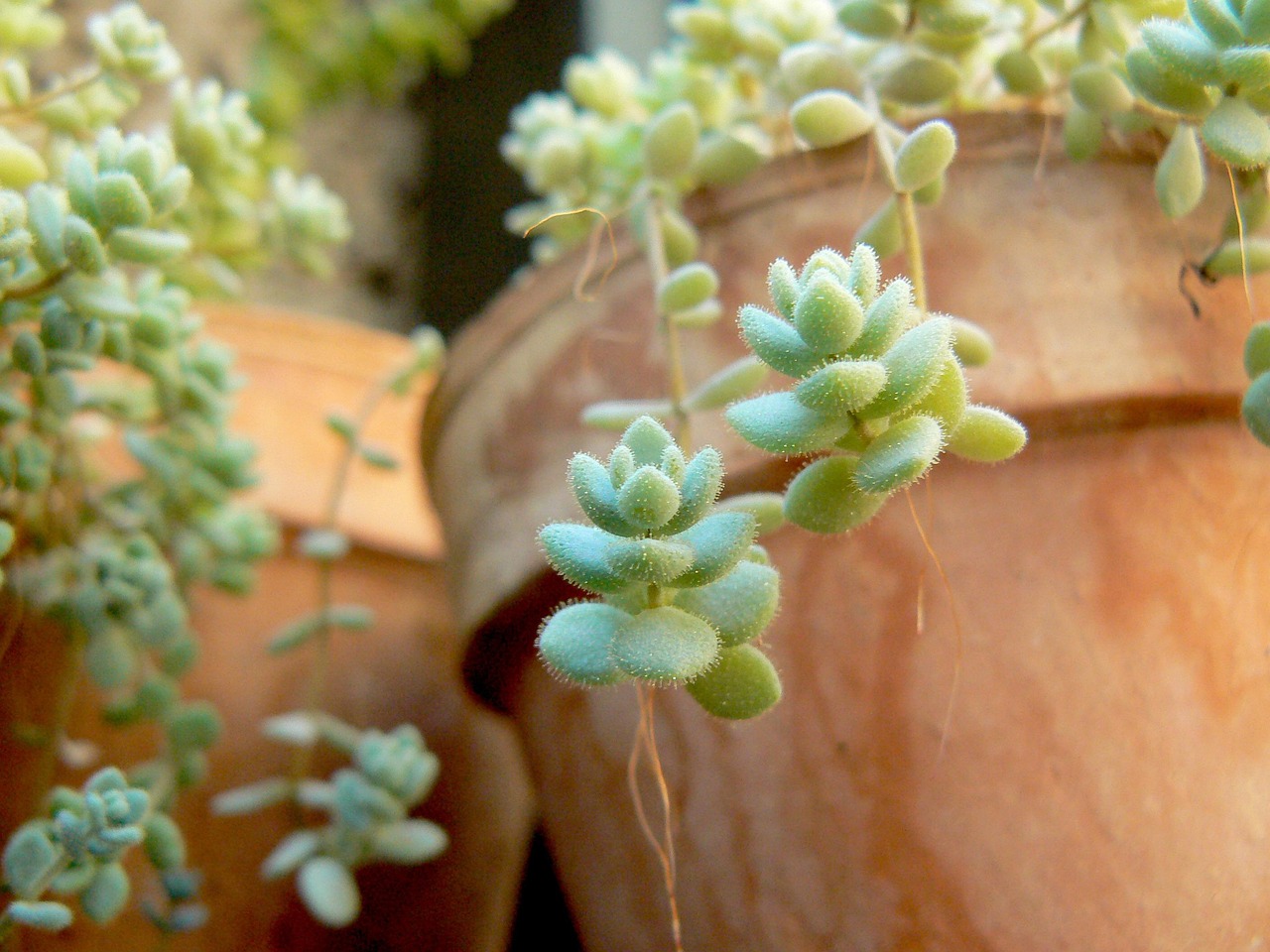
Tropical container gardening is a vibrant way to enjoy tropical plants in pots, allowing us to create our own mini oasis. Unlike traditional gardening, which often requires extensive soil and land, container gardening gives us the flexibility to cultivate our favorite tropical plants in a limited space. I remember when I first started; I was amazed at how much beauty I could create with just a few pots and some soil. Each container can showcase a variety of plants, making it easy to switch things up seasonally or even whenever the mood strikes. The beauty of this gardening style lies in its versatility—whether on a balcony, patio, or even indoors, tropical plants can thrive in containers.
Benefits of Container Gardening in Tropical Climates
One of the biggest advantages of container gardening in tropical climates is the mobility it offers. I love that I can move my pots around to find the perfect spot for sunlight or to shelter them from harsh winds. This flexibility also allows us to create stunning arrangements, mixing flowers, foliage, and even fruits in a single container. Plus, container gardening makes it easier to manage pests and diseases. I’ve found that it’s much simpler to monitor the health of each plant and take action as needed. Read Interesting article: Ultimate Guide to Pest Management in Tropical Container Gardening Another perk is the reduced risk of soil-borne diseases, which can be a significant concern in tropical environments.
Additionally, container gardening can help us maximize our gardening space. For those of us with limited ground space, pots can be stacked, hung, or arranged in creative ways. I’ve seen some breathtaking vertical gardens made entirely of containers! By using different heights and placements, you can transform even the smallest area into a lush tropical retreat.
Choosing the Right Containers for Tropical Plants
Choosing the right containers can make or break your tropical gardening experience. I’ve learned that not all pots are created equal. When selecting containers, I always look for options that provide good drainage, as tropical plants tend to prefer moist but well-draining soil. Terracotta pots are a classic choice; they’re porous and allow for some air exchange, but they can dry out quickly. I’ve had success with glazed ceramic pots, as they retain moisture better while still providing an attractive look.
Size is another crucial factor. I generally opt for larger containers, as they hold more soil and retain moisture better, which is great for tropical plants that thrive in humid conditions. It’s also essential to consider the weight of the pots. If you’re moving them around, lighter materials like plastic or composite can be easier to handle compared to heavy stone or concrete options.
Color can also play a role in your choice. Darker pots may absorb more heat, which can be beneficial during cooler nights. However, in the sweltering heat of summer, light-colored pots might be best, as they can help keep the soil cooler. I also recommend mixing pot styles and colors to create an eye-catching display; every time I do this, I’m thrilled by the visual interest it brings to my garden.
Finally, don’t forget about the aesthetics! Your containers should reflect your personal style and complement your home’s architecture. I often choose pots that resonate with the tropical theme—bright colors or interesting textures can add that extra flair to my garden. The joy of gardening is also in the beauty we create, so let’s make it count!
In my experience, tropical container gardening is not just about what you plant but how you set the stage for your plants to thrive. It’s a journey that combines creativity, care, and a dash of adventure to bring a touch of paradise into our everyday lives. As we delve deeper into the world of tropical plants and seasonal care, I hope to share insights that will inspire you to cultivate your own stunning container garden.
Essential Tropical Plants for Container Gardens
Popular Tropical Flowers
When it comes to tropical container gardening, choosing the right flowers can truly elevate your garden’s aesthetic and ambiance. I’ve found that some of the most popular tropical flowers, like hibiscus and bougainvillea, bring a burst of color and vibrancy that can’t be matched. Hibiscus, with its large, showy blooms, has become one of my favorites. They come in various colors and can bloom all summer long with the right care. I remember planting a bright red hibiscus, and it instantly became the focal point of my patio.
Bougainvillea is another showstopper. Its paper-like bracts in shades of purple, pink, or orange can climb trellises or spill beautifully over the edges of containers. I learned that by pinching back the tips, I could encourage bushier growth, which led to even more blooms. Other flowers to consider include plumeria and orchids, which can thrive in pots and add a delightful fragrance to the air. I often mix different flower varieties in one pot for a stunning wildflower effect, and it’s always a joy to see how they complement each other.
Foliage Plants and Their Varieties
Foliage plants play a vital role in creating a lush tropical vibe, and I can’t stress enough how much I enjoy selecting them. Plants like the philodendron, monstera, and fern are fantastic for adding texture and visual interest. I particularly adore the monstera plant with its unique leaf patterns; it has a way of making any space feel more exotic. I often place one near my seating area, and it feels like a mini jungle!
Another exceptional foliage plant is the snake plant, known for its resilience and air-purifying qualities. It’s perfect for beginners, as it requires minimal care. I’ve even used them in low-light areas of my home, and they still thrive. I also recommend trying out caladiums with their colorful leaves—they’re fantastic for adding pops of color without relying solely on flowers. Mixing these foliage plants with flowering varieties creates a beautiful balance in my container gardens.
Fruit-Bearing Plants Suitable for Containers
One of the most rewarding aspects of tropical container gardening is growing fruit-bearing plants. I can’t begin to express how fulfilling it is to pick fresh fruits right from my garden. Some of my favorite fruits to grow in containers are strawberries, dwarf citrus trees, and passion fruit. Strawberries are relatively easy and do well in hanging baskets; I love watching them trail over the edges and produce succulent berries throughout the summer.
Dwarf citrus trees, like lemon or lime, are wonderful additions to any patio. They not only bear fruit but also emit a lovely fragrance when they bloom. I remember the first time I got a small lemon tree; I was amazed at how quickly it grew, and the satisfaction of using freshly picked lemons in my cooking was unbeatable. Passion fruit vines are another great option—they can climb up trellises or fences, adding height to your garden while producing delicious, tangy fruits. I’ve found that these plants not only provide fresh produce but also invite pollinators like bees and butterflies, enhancing the overall garden experience.
Seasonal Care for Tropical Container Gardens
Spring Care: Preparing Your Garden for Growth
As spring arrives, it’s like a breath of fresh air for our container gardens. I always take this time to assess my plants and get them ready for the growing season. Typically, I start by cleaning my pots and removing any dead leaves or debris that accumulated over the winter. This helps prevent pests and diseases. I find that a thorough inspection of the roots is crucial, especially if a plant has outgrown its container. When this happens, I carefully transplant it into a larger pot, giving it more space to thrive.
Another essential step in spring is fertilizing. I usually apply a slow-release fertilizer to kickstart growth and improve soil health. Additionally, monitoring the moisture levels is crucial as the weather warms up. I’ve discovered that during this time, it’s important to adjust my watering routine to keep the soil consistently moist but not soggy. Spring is also the perfect time to introduce new plants or experiment with different varieties, and I often find myself excited to add fresh pops of color to my collection.
Summer Care: Maintaining Health and Vibrancy
Summer is when my tropical container garden truly comes to life. With the heat and sunlight, I’ve learned that hydration is key. I make it a point to check my pots daily, as they can dry out quickly in the hot weather. Early morning or late evening watering is my go-to, as it allows the plants to absorb moisture before the heat of the day. I also practice a light misting on particularly hot days; I’ve noticed this helps keep the leaves fresh and vibrant.
Regular deadheading of flowers is another practice I enjoy during summer. It encourages new blooms and helps maintain the overall appearance of the plants. I also like to rotate my pots occasionally, so each plant gets even sunlight exposure. I’ve found that this simple act can help prevent leggy growth and keep my plants looking lush and balanced. Summer is all about enjoying our outdoor spaces, and caring for my tropical container garden allows me to fully embrace that joy.
Fall Care: Transitioning for Cooler Temperatures
As fall approaches, I start to prepare my tropical container garden for the changing temperatures. This is when I focus on pruning back any overgrown plants. I’ve learned that removing dead or faded foliage helps the plants conserve energy and prepares them for the cooler months ahead. It’s also a great time to assess whether I need to move any pots to a more sheltered location to protect them from wind or rain.
During this season, I usually reduce my watering frequency, as the plants require less moisture. I find that monitoring the weather is essential, especially as temperatures begin to drop. If frost is expected, I make sure to have protective coverings ready, such as frost cloths or blankets, which are incredibly helpful for my more sensitive plants. Fall is a transitional time, and I enjoy the challenge of keeping my tropical container garden flourishing even as the seasons change.
Winter Care: Protecting Your Plants from Frost
Winter can be a tough time for tropical container gardens, but I’ve discovered that with the right care, my plants can survive and even thrive. If I have any tender plants, I usually bring them indoors or into a greenhouse if I have one. For outdoor plants, I wrap pots in bubble wrap or burlap to protect the roots from freezing temperatures. I’ve also learned to reduce watering significantly during this time, as most plants enter dormancy and require less moisture.
Occasionally, I will check the soil in my containers to ensure it isn’t completely dry, but I’ve found that less is more during the winter months. Keeping an eye out for any signs of pests or diseases is essential, as indoor conditions can sometimes create an environment for problems. Winter can feel quiet in the garden, but I’ve found joy in planning for the next growing season, dreaming of the vibrant blooms and lush foliage that will return come spring.
Watering and Soil Needs
Understanding Moisture Requirements for Tropical Plants
Understanding the moisture needs of tropical plants has been a learning curve for me. Tropical plants thrive in humid environments, so they generally prefer consistently moist soil. However, I’ve noticed that not all tropical plants have the same watering needs. For instance, while ferns like to be kept moist, succulents or cacti need their soil to dry out between waterings. To get it right, I often test the soil with my fingers; if it feels dry an inch or two below the surface, it’s usually time to water.
During the warmer months, I’ve learned to be more vigilant. I keep an eye on the weather and adjust my watering schedule according to heat and humidity. On especially hot days, I might even water twice to ensure my plants are getting enough hydration. I’ve found that early mornings or late evenings work best for watering as it allows the plants to take in moisture before the sun’s harsh rays. For me, establishing this routine has made all the difference in keeping my tropical garden vibrant.
Best Soil Mixes for Container Gardens
Choosing the right soil mix is just as important as watering. Over the years, I’ve experimented with various types of soil, and I’ve discovered that a well-draining mix is crucial for tropical plants. I typically create my own blend using potting soil, perlite, and peat moss. This combination allows for good drainage while retaining enough moisture to keep the roots happy. I remember the first time I used this mix; my plants responded with such vigor that it felt like I’d unlocked a secret to thriving greenery!
When selecting pre-made soil mixes, I look for those labeled specifically for tropical or container plants. These often contain additives that improve drainage and aeration, which is essential for root health. I also make it a point to refresh the soil every season, especially for potted plants that have been in the same mix for a while. This ensures that they receive the nutrients they need to flourish.
Watering Techniques and Tools
Over the years, I’ve found that the right tools can make watering my tropical container garden an enjoyable task. A good watering can with a narrow spout helps me target the base of my plants without making a mess. I also love using a moisture meter. It’s a handy little gadget that takes the guesswork out of watering. By inserting it into the soil, I can quickly check whether my plants need water or if they’re still adequately moist.
For larger containers or if I have multiple pots grouped together, I often use a soaker hose. This allows me to water more efficiently, ensuring that water seeps slowly into the soil without overwhelming the plants. I’ve learned that a slow, thorough watering is better than a quick splash; it encourages deep root growth and helps the plants access water more effectively. Remembering to tailor my watering approach based on the size and type of each container has helped me maintain a healthy and lush garden.
Nutrient Management and Fertilization
Essential Nutrients for Tropical Plants
Nutrient management is essential for the health of my tropical container garden. Tropical plants often require a balance of macronutrients—nitrogen, phosphorus, and potassium—as well as micronutrients like magnesium and iron. I’ve learned that nitrogen supports lush foliage, phosphorus encourages blooming, and potassium helps overall plant health. Understanding these needs has helped me select the right fertilizers and nourish my plants effectively.
To keep my plants well-fed, I typically start with a balanced slow-release fertilizer at the beginning of the growing season. I’ve found that this provides a steady supply of nutrients over time. As the season progresses, I also like to supplement with water-soluble fertilizers every few weeks, especially for my flowering plants. Observing how my plants respond to these applications has been a gratifying experience; when they bloom abundantly or showcase vibrant leaves, I know my efforts are paying off!
Organic vs. Synthetic Fertilizers
When it comes to fertilizer, I’ve experimented with both organic and synthetic options. I tend to lean toward organic fertilizers, like compost or worm castings, because they improve soil health and promote beneficial microorganisms. I enjoy the process of making my own compost from kitchen scraps and garden waste. It feels good to recycle and see my plants thrive on something I’ve created myself.
However, I also recognize that synthetic fertilizers can be effective, especially for quick nutrient boosts. They can be easier to measure and apply, and I’ve found them helpful in situations where my plants show signs of nutrient deficiencies. Balancing both options allows me to provide my tropical garden with the best of both worlds. Whatever I choose, I always make sure to follow the recommended guidelines to avoid over-fertilizing, which can burn the roots and damage my beloved plants.
Fertilization Schedule Throughout the Seasons
Establishing a fertilization schedule has been key to maintaining the health of my tropical container garden. At the start of spring, I apply a slow-release fertilizer to give my plants a strong start as they wake from dormancy. Throughout summer, I typically use a water-soluble fertilizer every 4 to 6 weeks. This keeps the nutrients flowing as my plants grow and bloom.
As fall approaches and growth slows, I reduce the frequency of fertilization, allowing my plants to prepare for the cooler months. During winter, I usually skip fertilizing altogether, as most of my tropical plants enter dormancy. It’s fascinating to see how each season brings a different rhythm to my gardening routine. By staying attuned to my plants’ needs, I’ve been able to enjoy a flourishing garden year-round.
Frequently Asked Questions
What is Tropical Container Gardening?
Tropical container gardening is a vibrant method of enjoying tropical plants in pots, allowing individuals to create mini oases in limited spaces like patios or balconies. It offers versatility and the ability to showcase a variety of plants in different arrangements.
What are the benefits of container gardening in tropical climates?
The benefits include mobility, which allows for optimal light and shelter arrangements, easier pest and disease management, reduced risk of soil-borne diseases, and the ability to maximize gardening space through creative arrangements, including vertical gardening.
How do I choose the right containers for my tropical plants?
When selecting containers, look for good drainage, appropriate size for moisture retention, lighter materials for mobility, and aesthetic appeal that reflects your personal style. Mixing container styles and colors can also enhance the visual interest of your garden.
What are some popular tropical flowers for container gardens?
Popular tropical flowers include hibiscus, known for its large blooms, and bougainvillea, which features vibrant paper-like bracts. Other options include plumeria and orchids, which add delightful fragrances and color to the garden.
What foliage plants are suitable for tropical container gardens?
Foliage plants like philodendron, monstera, ferns, and snake plants are ideal for creating a lush tropical atmosphere. Caladiums are also recommended for adding colorful leaves to the mix.
Can I grow fruit-bearing plants in containers?
Yes, fruit-bearing plants such as strawberries, dwarf citrus trees, and passion fruit are excellent choices for container gardening. They are rewarding to grow and can enhance the garden’s biodiversity by attracting pollinators.
How should I care for my tropical container garden in spring?
Spring care involves cleaning pots, inspecting roots and transplanting if necessary, applying slow-release fertilizers, and monitoring moisture levels to keep the soil consistently moist as plants prepare for growth.
What should I do to maintain my tropical container garden during summer?
During summer, ensure adequate hydration by checking pots daily, watering in the early morning or late evening, deadheading flowers to encourage new blooms, and rotating pots for even sunlight exposure.
How do I prepare my tropical container garden for fall?
In fall, focus on pruning back overgrown plants, assessing pot locations for shelter from harsh weather, reducing watering frequency, and preparing protective coverings for frost-sensitive plants.
What watering and soil needs should I consider for tropical plants?
Tropical plants generally prefer consistently moist soil, but specific needs vary. A well-draining soil mix is essential, often created using potting soil, perlite, and peat moss. Regular monitoring and adjusting watering schedules based on weather conditions are crucial for maintaining plant health.