
Container gardening in tropical climates brings vibrant life to our spaces, but it also invites unwelcome pests. Navigating pest management is essential for thriving plants and fruitful harvests. How to Keep Pests Away from Your Container Tropical Garden is a great resource for understanding how to tackle these issues.
Table of Contents
Understanding Pest Management in Tropical Container Gardening
When I first started my tropical container garden, I was excited about the variety of plants I could grow. However, I quickly learned that with the beauty of lush greens and colorful blooms came the challenge of managing pests. I found pest management to be crucial not just for keeping my plants healthy but also for ensuring a successful gardening experience. It’s about creating a harmonious environment where plants can flourish without the threat of pests wreaking havoc. So, let’s delve into the importance of pest management in tropical container gardening, common pests we might encounter, and how climate influences their behavior.
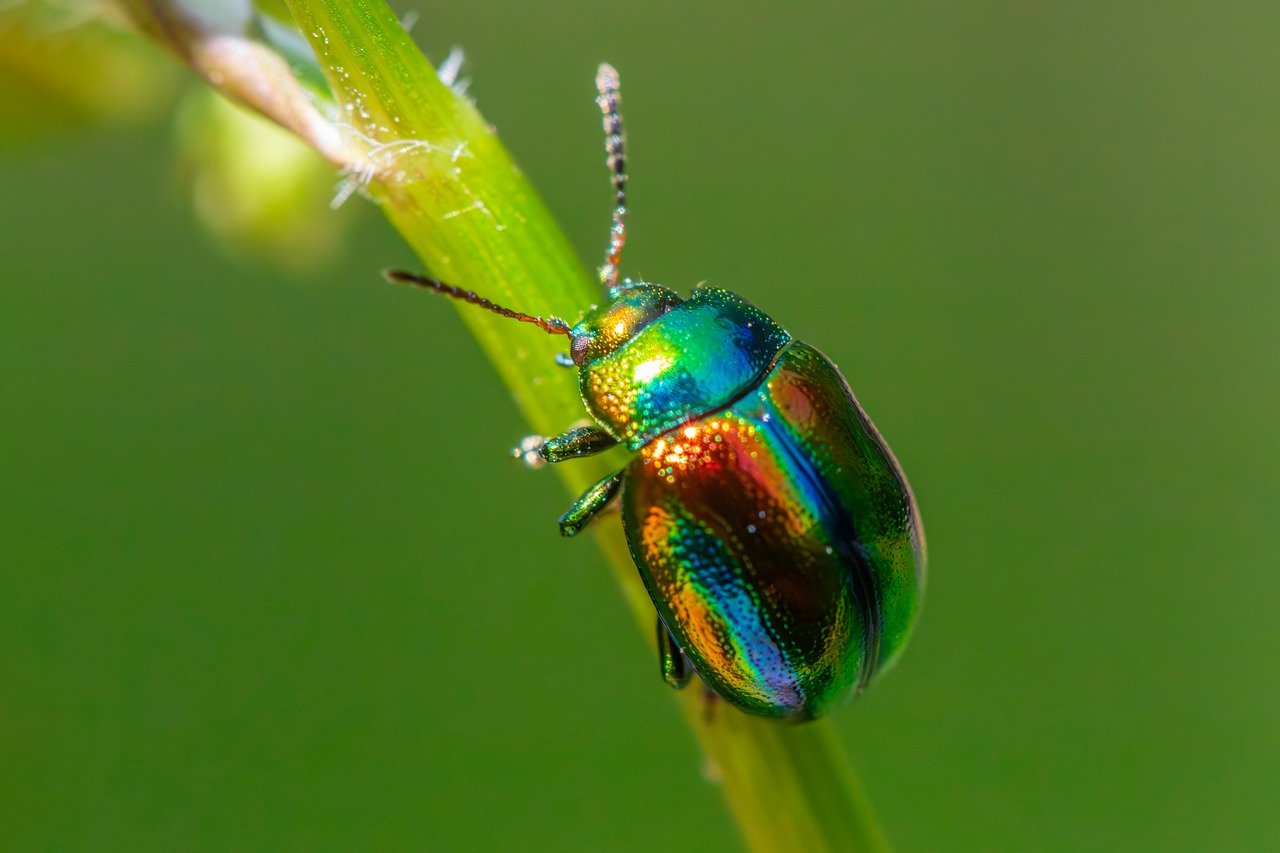
Importance of Pest Management
Pest management is essential for several reasons. First, pests can cause significant damage to plants, leading to stunted growth or even death. I remember losing a batch of precious herbs to aphids before I realized how quickly they could multiply. It was a tough lesson, but it highlighted how vital it is to monitor our plants regularly. Effective pest management helps maintain the health of our plants and the overall productivity of our container garden. Additionally, it can lessen the need for chemical interventions, which is something I always strive for in my gardening practices. Effective Pest Management Strategies for Tropical Containers can provide more insights on this topic.
Common Pests in Tropical Gardening
Tropical container gardens can attract a variety of pests that are not always easy to spot at first. From my experience, some of the most common pests include aphids, spider mites, and leafcutter ants. These little invaders can be sneaky, often hiding on the undersides of leaves or in the soil. Learning to identify these pests early is key to preventing larger infestations. I often spend a few minutes each week just looking closely at the foliage, and it really pays off. Beyond insects, diseases like fungal infections can also take hold if conditions aren’t right. Being vigilant about both pests and diseases is essential for our plants’ well-being.
Impact of Climate on Pest Behavior
The tropical climate plays a significant role in pest management. The warm temperatures and high humidity create an ideal environment for many pests to thrive. I’ve noticed that certain pests, like whiteflies and fungus gnats, seem to be more prevalent during the wet season. They love the dampness, and if we’re not careful, they can quickly take over our pots. Understanding how climate affects pest behavior helps us prepare and adapt our strategies. I’ve learned to adjust my monitoring efforts seasonally and to be more proactive in the wet season, when pests are most active.
In my journey through tropical container gardening, I’ve come to realize that effective pest management is a blend of observation, knowledge, and timely action. The more we understand the pests that threaten our plants and how the climate affects them, the better we can protect our gardens. I hope this insight helps you feel more equipped to tackle pest management in your own tropical container gardening adventures. With ongoing awareness and a bit of effort, we can nurture beautiful, thriving gardens, and enjoy the fruits of our labor.
Types of Pests in Tropical Container Gardens
As I continued my adventure in tropical container gardening, I realized that understanding the types of pests I might encounter was essential. Each type presents its own challenges, but knowing what I’m up against has made a world of difference in how I manage my garden. Let’s break down the categories of pests I’ve encountered, including insects, diseases, and even larger critters.
Insects
Insects can be both friends and foes in our gardens. While some help pollinate our plants, others can bring our hard work crashing down. I’ve had my fair share of battles with different types of insect pests, and here’s a closer look at a few of the most common ones.
Leafcutter Ants
Leafcutter ants have become notorious in my garden. At first, I thought they were just busy little workers, but soon I realized they were cutting my precious leaves to take back to their colony. They can quickly strip a plant of its foliage, leaving it vulnerable. I’ve learned to keep my eyes peeled for their trails and even tried some natural repellents to deter them. It’s a constant tug-of-war, but I’m determined to protect my plants.
Whiteflies
Whiteflies are another pest that I’ve had to deal with repeatedly. They tend to cluster on the undersides of leaves, and their tiny white bodies can be pretty hard to spot. I remember the first time I noticed them; my plants seemed to be struggling, and after some research, I pinpointed the cause. Whiteflies suck on plant sap, weakening the plants and making them more susceptible to diseases. I usually employ a mix of physical removal and natural predators to keep their numbers in check.
Spider Mites
Spider mites are sneaky little pests that can wreak havoc without much warning. I noticed the telltale signs when I saw tiny webs forming on my plants and a speckled appearance on leaves. They thrive in dry conditions, which makes them particularly troublesome in the warmer months. Keeping my garden humid and regularly misting my plants has helped me manage their presence effectively.
Aphids
Aphids are perhaps one of the most common pests I’ve encountered. They come in various colors and tend to gather in clusters. My first experience with them was quite overwhelming; they seemed to multiply overnight! I learned that maintaining healthy plants helps deter aphids, as they often target weak or stressed plants. Now, I proactively monitor for them and have established a routine to combat their growth.
Diseases
In addition to insects, diseases can pose a significant threat to our tropical container gardens. I’ve faced several challenges related to plant health, and understanding these diseases has been vital.
Fungal Infections
Fungal infections are particularly prevalent in humid climates. I once lost a beautiful basil plant to root rot because I didn’t realize my watering practices were too heavy. It taught me to be more mindful of soil drainage and moisture levels. I’ve since learned to use well-draining soil mixtures and avoid overhead watering to minimize the risk of fungal infections.
Bacterial Blight
Bacterial blight is another issue that can strike unexpectedly. I remember noticing wilting leaves and dark spots on my once-healthy plants. After some investigation, I discovered that overcrowding and poor airflow were contributing factors. Now, I make it a point to space my plants appropriately and ensure good air circulation around them.
Viruses
Viruses can be tricky, as they often don’t show symptoms until it’s too late. I’ve lost a few plants to viral infections, and it’s disheartening. The best defense is prevention—cleaning my tools regularly and ensuring I don’t introduce infected plants to my garden. I’ve also learned to be cautious when sharing cuttings with fellow gardeners.
Rodents and Larger Pests
While insects and diseases are the most common threats, I’ve also had my run-ins with larger pests. Rodents can be surprisingly crafty when it comes to container gardens.
Rats
Rats are a problem I never anticipated. I caught sight of them raiding my pots one evening. They can chew through containers and disturb plants, leading to significant damage. To deter them, I’ve started using rodent-proof containers and are careful about cleaning up any fallen fruits or seeds that might attract them.
Squirrels
Squirrels are another challenge. They seem to think my plants are their personal buffet. I’ve learned to use physical barriers like netting to protect my seedlings. It’s a constant battle, but I’ve found that being proactive can help minimize their impact.
Understanding these various pests has empowered me as a gardener. By recognizing what I might face, I can be better prepared to protect my plants and enjoy the beauty of my tropical container garden. It’s all about staying informed and adapting our strategies to ensure our gardens thrive. With the right knowledge and tools, we can face any pest challenge head-on!
Preventive Measures for Pest Management
As I delved deeper into my tropical container gardening journey, I discovered that preventing pests is much easier than battling them once they’ve taken hold. I realized that laying the groundwork with preventive measures could save me a lot of trouble down the line. Let’s explore the strategies I’ve found effective in keeping pests at bay.
Choosing the Right Containers
The containers I use can significantly impact pest management. I initially experimented with a variety of pots, but I soon learned that some materials are better than others. For instance, I found that terra cotta pots are breathable and help prevent excessive moisture, which is a key factor in fungal infections. On the other hand, plastic pots can retain too much moisture, creating a perfect home for pests. I now choose containers made from materials that facilitate drainage and air circulation. I also make sure to select pots that are the right size for my plants, as crowded roots can lead to weakened plants that attract pests.
Soil Selection and Preparation
The soil I choose for my container garden plays a crucial role in pest management. At first, I didn’t give much thought to the soil quality, but I quickly learned that using high-quality potting mixes can make a big difference. I’ve started using a mix that includes organic matter and has good drainage properties. This helps promote healthy root development and overall plant vigor. Healthy plants are less susceptible to pests! Additionally, I ensure that I don’t reuse soil from previous containers without sterilizing it first. I’ve learned that reusing soil can introduce pests and diseases that were lurking in the leftovers of past plants.
Companion Planting Strategies
Companion planting has become one of my favorite strategies for pest management. The idea is to plant certain species together that can benefit one another in various ways, including pest deterrence. For example, I’ve found that marigolds make excellent companions for many of my vegetables. Their strong scent can repel certain pests, and they add a splash of color to my garden! I also pair plants that attract beneficial insects, like ladybugs and lacewings, which help keep pest populations in check. Planning my garden layout to incorporate companion planting has not only helped with pest management but has also created a more diverse and vibrant garden.
Regular Monitoring and Maintenance
I can’t stress enough how important it is to regularly check my plants. I’ve developed a routine where I spend time each week inspecting the leaves and soil. This habit has proven invaluable; I’ve often spotted early signs of pests before they could cause significant damage. Additionally, I practice good maintenance by promptly removing any dead or dying leaves, which can harbor pests and diseases. Keeping my garden tidy has made a noticeable difference in its overall health. I remember a time when I neglected this part of my routine, and my plants suffered because of it. Now, I’m committed to staying on top of my monitoring and maintenance!
Natural Pest Control Methods
While preventive measures can help keep pests at bay, I’ve also learned about various natural pest control methods that can be effective when issues arise. Relying on nature’s own solutions has become a core part of my gardening philosophy.
Beneficial Insects
One of the most rewarding aspects of my gardening journey has been learning about beneficial insects. These little allies can be incredibly effective in keeping pest populations under control, and they don’t come with the harmful side effects of chemical treatments.
Lacewings
Lacewings are fascinating creatures that I’ve come to appreciate. They’re voracious predators of aphids and other soft-bodied pests. I remember the first time I released lacewing larvae into my garden; within days, I noticed a decline in the aphid population. They’re a great addition, and I try to create an environment that encourages them to stick around, like planting nectar-rich flowers nearby.
Ladybugs
Ladybugs are another beneficial insect that I’ve eagerly welcomed into my garden. I remember my excitement when I first spotted them crawling on my plants. They can devour a staggering number of aphids daily! I often plant flowers that attract them, ensuring my garden remains a friendly habitat for these little helpers. They’ve become a symbol of hope for me, reminding me that nature has its way of balancing things out.
Homemade Remedies
Sometimes, I’ve found that simple homemade remedies can work wonders in pest control. They’re not only cost-effective but also eco-friendly, which is something I value.
Neem Oil
Neem oil has become one of my go-to solutions for managing pests. I’ve learned that it disrupts the life cycle of many common pests while being safe for beneficial insects. I mix a small amount with water and a few drops of dish soap to create a spray that I use on affected plants. I remember feeling a sense of relief when I noticed a reduction in pests after applying it—nature’s little miracle in a bottle!
Garlic Spray
Garlic spray is another remedy I’ve had success with. I blend a few cloves of garlic with water, let it steep overnight, and then strain it before spraying it on my plants. The strong scent deters many pests, and it’s easy to make with items I already have at home. I find the process satisfying and empowering, knowing I’m using natural ingredients to protect my garden.
Physical Barriers
Using physical barriers has also helped me in keeping pests at bay. It’s a straightforward yet effective method that I’ve come to appreciate.
Row Covers
Row covers are a fantastic way to protect my plants from pests while allowing sunlight and moisture to penetrate. I remember using them during the early spring to shield my young seedlings from pests like cabbage moths. They provided a protective barrier without hindering growth.
Sticky Traps
I’ve found sticky traps to be an excellent tool for monitoring pest populations. I place them near my plants, and they catch flying pests like whiteflies and fungus gnats. It’s a simple yet effective method I use to keep track of what’s happening in my garden.
Through these preventive measures and natural pest control methods, I’ve gained confidence in managing pests in my tropical container garden. With a little vigilance, creativity, and a lot of love for my plants, I feel equipped to face any challenges that come my way. After all, gardening is about learning, adapting, and cherishing the beauty of nature—pests included!
Chemical Pest Control Options
While I prefer natural methods for pest management, there are times when chemical solutions seem necessary. I’ve found that understanding the available chemical pest control options is important for gardeners in tropical climates, especially when facing stubborn infestations. It’s crucial to choose the right products and use them responsibly to protect my plants and the surrounding environment.
Types of Chemical Pesticides
There are several types of chemical pesticides, and I’ve taken the time to learn about them. Knowing what I’m using helps me make informed choices.
Insecticides
Insecticides are designed to target insect pests, and they come in various formulations, including sprays and granules. I remember experimenting with a few insecticides when I was overwhelmed by aphids and whiteflies. While they can be effective, I’ve learned that it’s essential to select products that are specifically labeled for the pests I’m dealing with. Additionally, I prefer products that are less harmful to beneficial insects, as I want to maintain a healthy ecosystem in my garden.
Fungicides
Fungicides are my go-to when I face fungal infections in my plants. I recall the panic I felt when a fungal issue threatened my beloved basil. I discovered that fungicides can help manage these problems, but I make sure to apply them at the first sign of trouble. I also try to pick fungicides that are safe for the environment, as I want to minimize any potential harm to my garden’s balance.
Safe Application Practices
Using chemical pesticides safely is just as important as choosing the right ones. I’ve learned to always read the labels and follow the instructions carefully. There was a time when I thought applying more would yield better results, but that’s a misconception. Overapplication can harm my plants and the beneficial insects I want to protect. I always wear gloves and a mask when applying these products, ensuring that I’m taking precautions to protect myself as well.
Understanding Pesticide Labels
Pesticide labels are full of information that can help us make better decisions. I remember feeling overwhelmed by all the scientific terms at first, but I’ve gotten better at deciphering them. I look for the active ingredients, application methods, and any safety precautions. The more I educate myself about these labels, the more empowered I feel in my gardening journey.
Integrated Pest Management (IPM) Approach
Throughout my gardening experiences, I’ve come to appreciate the Integrated Pest Management (IPM) approach. It combines various pest control methods into a cohesive strategy. I believe that this holistic method not only helps manage pests effectively but also promotes sustainability in gardening.
Principles of IPM
The principles of IPM revolve around understanding the pest life cycle and their natural enemies. I’ve learned that by minimizing risks to beneficial organisms and the environment, I can develop a more balanced approach to pest management. Monitoring pest populations, setting action thresholds, and employing a combination of preventive measures and control tactics have become essential components of my gardening routine.
Steps in Implementing IPM
Implementing IPM in my garden involves several steps. First, I make regular observations to identify pests and their damage. When I notice a problem, I assess whether it’s worth taking action based on the pest population level. If intervention is necessary, I select the most effective control method, be it natural or chemical. This proactive approach has helped me stay ahead of pest issues.
Evaluating Effectiveness of IPM
After applying IPM strategies, I always take the time to evaluate their effectiveness. I look for changes in pest populations and plant health. Reflecting on what worked and what didn’t helps me refine my methods. It’s a continuous learning process, and I appreciate how it allows me to adapt my strategies to better suit my garden’s unique needs.
Seasonal Considerations for Pest Management
Living in a tropical climate means that I need to be mindful of seasonal changes and how they impact pest management. Each season brings its own set of challenges and opportunities.
Pest Activity During Wet Season
During the wet season, I often see a surge in pest activity. The humidity creates an ideal breeding ground for pests like whiteflies and fungus gnats. I’ve learned to be extra vigilant during this time, increasing my monitoring and preventative measures. I find that regular inspections and applying natural remedies like neem oil can help mitigate pest issues before they escalate.
Pest Activity During Dry Season
The dry season can bring its own set of pests, such as spider mites, who thrive in dry conditions. I remember how I initially struggled with this shift, but I’ve since adapted my watering and misting schedule to maintain adequate humidity around my plants. This helps keep spider mites at bay and supports healthier plants overall.
Adapting Strategies for Seasonal Changes
One of the most valuable lessons I’ve learned is the importance of adapting my pest management strategies to seasonal changes. By staying attuned to my garden’s needs, I can anticipate potential issues and be proactive rather than reactive. Whether it’s adjusting watering practices or fine-tuning my monitoring routine, I’ve found that flexibility is key in successful tropical container gardening.
Common Mistakes in Pest Management
As I’ve navigated through pest management, I’ve made my fair share of mistakes. Learning from these experiences has been crucial in honing my gardening skills.
Overuse of Chemicals
One mistake I initially made was overusing chemical pesticides. I thought that more would be better, but it only led to harming beneficial insects and creating resistance among pests. I now approach chemical use with caution, prioritizing natural methods whenever possible.
Ignoring Early Signs of Infestation
Ignoring early signs of infestation has been another learning curve. I remember how I overlooked small pest populations, thinking they weren’t a big deal. Unfortunately, they quickly spiraled out of control. Now, I’m proactive in monitoring and addressing issues as soon as I spot them.
Neglecting Plant Health
Lastly, I’ve realized that neglecting the overall health of my plants can invite pests. Healthy plants are less susceptible to infestations, so I’ve made it a point to focus on proper nutrition, watering, and environmental conditions. This holistic approach has vastly improved my gardening experience.
Resources and Tools for Effective Pest Management
As I wrap up my pest management journey, I want to share some resources and tools that have helped me along the way. Having the right support can make a world of difference.
Gardening Apps and Software
There are several gardening apps that I’ve found invaluable for tracking pest issues and plant health. They often provide guidance on pest identification and treatment options, which has been a great resource for me.
Local Extension Services
I also recommend connecting with local extension services. They offer expert advice tailored to my region, including pest management strategies that work best for our specific conditions.
Community Gardening Groups
Joining community gardening groups has enriched my gardening experience. Sharing knowledge and experiences with fellow gardeners can be incredibly beneficial, and it’s comforting to know I’m not alone in facing pest challenges.
Final Thoughts
Managing pests in tropical container gardening can feel overwhelming at times, but my experiences have taught me that with the right strategies, we can protect our plants and maintain healthy gardens. I’ve learned to embrace the journey, understanding that pest management is about observation, patience, and continual learning. Whether I’m employing natural methods, utilizing chemical options when necessary, or engaging with my gardening community, I feel empowered to face whatever pest challenges come my way. Gardening is a beautiful blend of nature and nurture, and with a little diligence, I believe we can all cultivate thriving tropical container gardens.
Frequently Asked Questions
What is the importance of pest management in tropical container gardening?
Pest management is essential to prevent significant damage to plants, which can lead to stunted growth or death. It helps maintain plant health, reduces the need for chemical interventions, and ensures a successful gardening experience.
What are some common pests found in tropical container gardens?
Common pests include aphids, spider mites, leafcutter ants, and whiteflies. These pests can often be found on the undersides of leaves or in the soil, making early identification crucial to prevent larger infestations.
How does climate affect pest behavior in tropical gardening?
The warm temperatures and high humidity typical of tropical climates provide an ideal environment for many pests to thrive. Certain pests, like whiteflies and fungus gnats, are more prevalent during the wet season due to the damp conditions.
What are some preventive measures for pest management in container gardening?
Preventive measures include choosing the right containers for drainage, selecting high-quality soil, implementing companion planting strategies, and regularly monitoring and maintaining the garden to spot early signs of pests.
What natural pest control methods can be used in tropical container gardening?
Natural pest control methods include attracting beneficial insects like lacewings and ladybugs, using homemade remedies such as neem oil and garlic spray, and employing physical barriers like row covers and sticky traps.
What types of chemical pesticides are available for pest management?
Types of chemical pesticides include insecticides, which target insect pests, and fungicides, which are used to manage fungal infections. It’s important to choose products that are specifically labeled for the pests being dealt with.
What does the Integrated Pest Management (IPM) approach involve?
The IPM approach involves understanding pest life cycles, monitoring pest populations, setting action thresholds, and employing a combination of preventive measures and control tactics. This holistic strategy promotes sustainability in gardening.
How can seasonal changes impact pest management strategies?
Seasonal changes can affect pest activity; for example, the wet season may see an increase in pests like whiteflies, while the dry season can lead to spider mite infestations. Adapting strategies to these seasonal shifts is crucial for effective pest management.
What common mistakes should be avoided in pest management?
Common mistakes include overusing chemical pesticides, ignoring early signs of infestation, and neglecting the overall health of plants, as healthy plants are less susceptible to pests.
What resources and tools can assist in effective pest management?
Helpful resources include gardening apps for tracking pest issues, local extension services for expert advice, and community gardening groups for knowledge sharing and support among fellow gardeners.