
Voyageurs National Park, located in northern Minnesota, is renowned for its stunning lakes and rich history. This ultimate 2026 guide covers everything you need to know for an unforgettable adventure in this water wilderness.
An Overview of Voyageurs National Park
Voyageurs National Park is a water lover’s dream. This stunning park is rich in history and natural beauty, making it a must-visit destination in Minnesota.
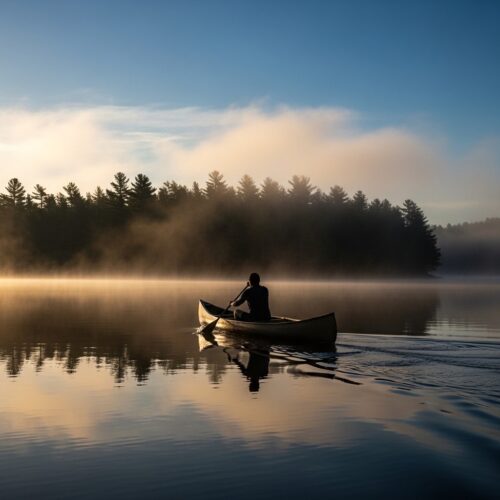
Historical Significance
Voyageurs National Park was established in 1975. It honors the French-Canadian voyageurs, who were fur traders navigating these waterways in the 18th and 19th centuries. They played a huge role in the region’s history. Their journeys shaped trade routes and local economies. Today, the park preserves this heritage, showcasing the stories of those who lived and worked here.
Connection to the Ojibwe Tribe
The park is also significant to the Ojibwe people. Their history and culture are deeply intertwined with this land. The Ojibwe have used the area’s resources for centuries, from fishing to gathering medicinal plants. Visitors can explore this connection through ranger-led talks and exhibits.
Unique Geography
Voyageurs is unique in its geography. Over 40% of the park is covered by water, featuring four major lakes: Rainy, Kabetogama, Namakan, and Sand Point. The park’s layout encourages exploration by boat. With more than 500 islands and 655 miles of shoreline, there’s plenty to discover. The interconnected lakes create a beautiful playground for canoeing, kayaking, and fishing.
Table of Contents
- Key Features:
- Water-centric: Perfect for boating and fishing.
- Islands: 500+ islands to explore.
- Shoreline: 655 miles of stunning views.
This combination of history and natural wonder makes Voyageurs National Park a unique gem in Minnesota’s landscape.
Planning Your Visit to Voyageurs National Park
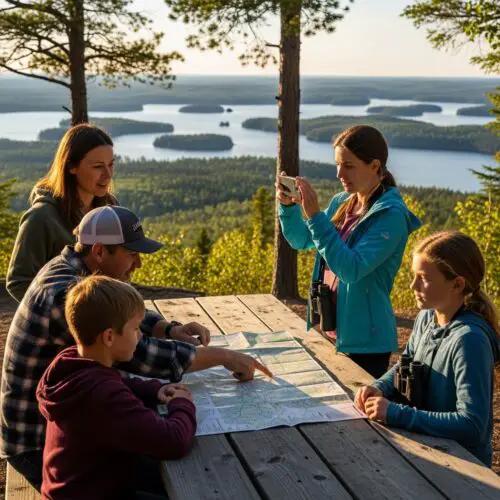
Ready to explore Voyageurs National Park? Here’s everything you need to know about getting there, the best times to visit, and what to pack for your adventure.
Getting There: Transportation Options
Getting to Voyageurs National Park is part of the adventure! The park is located near International Falls, Minnesota, about 300 miles north of Minneapolis. Here are your options:
- By Car: The most straightforward route is via U.S. Highway 53. Follow the signs to International Falls.
- By Air: The nearest airport is Falls International Airport (INL) in International Falls. From there, you can rent a car or take a taxi.
- By Bus: Greyhound services run routes to nearby towns. Check schedules in advance.
Best Times to Visit
When should you visit? It really depends on what activities you love. Here’s a breakdown:
- Summer (June to August): Ideal for boating, fishing, and camping. Warm weather means it’s perfect for swimming, but remember to pack mosquito repellent!
- Fall (September to October): Stunning fall colors and cooler temperatures. Great for hiking and stargazing. September is particularly magical with the leaves changing and more frequent northern lights.
- Winter (December to February): A whole new world! Snowshoeing, ice fishing, and snowmobiling are popular. Plus, the northern lights are often visible.
- Spring (March to May): A quieter time. Wildlife awakens, making it perfect for birdwatching. Just be prepared for some mud!
Essential Packing List
Packing smart is key to a great trip. Here’s a checklist to help you out:
- Clothing:
- Layered outfits (weather can change quickly)
- Waterproof jacket
- Sturdy hiking boots
- Swimsuit (for summer)
- Gear:
- Canoe or kayak (rentals available)
- Fishing gear (don’t forget your license!)
- Camping equipment (tent, sleeping bags, cooking gear)
- Binoculars for wildlife viewing
- Extras:
- Sunscreen and bug spray
- First aid kit
- Camera for those stunning views
- Snacks and plenty of water
Accessibility Tips
Voyageurs National Park is committed to making nature accessible for everyone. Here are some tips:
- Parking: Accessible parking is available at major trailheads and visitor centers.
- Trails: Some trails are wheelchair-friendly. Check the park’s website or ask at the visitor center for the best options.
- Restrooms: Accessible restrooms can be found at visitor centers and some campgrounds.
Whether you’re a seasoned adventurer or a first-time visitor, planning ahead will help you make the most of your trip to this water wonderland. Enjoy your journey!
Must-Do Activities in Voyageurs National Park
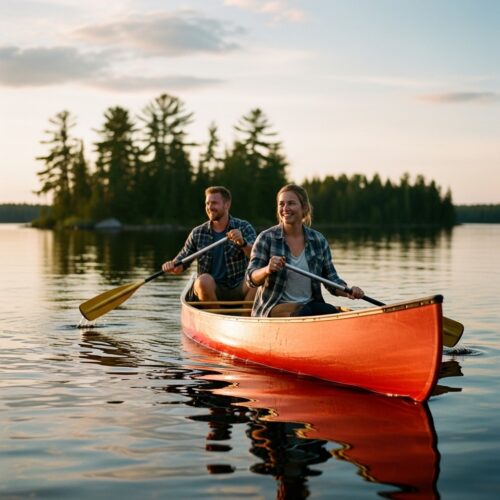
Voyageurs National Park is a water lover’s dream. With its breathtaking lakes and abundant recreational opportunities, there’s no shortage of fun. Let’s dive into the must-do activities that make this park unforgettable.
Boating and Houseboating Adventures
Boating is king here! With over 40% of the park covered in water, you can explore its four major lakes: Rainy, Kabetogama, Namakan, and Sand Point.
- Canoeing and Kayaking: Paddle through calm waters. Rentals are available, and you can even join a ranger-led canoe tour for a unique experience.
- Houseboating: Spend a night on the water! Rent a houseboat and enjoy the serenity of the lakes. Imagine drifting off to sleep with the gentle sound of waves.
Tip: Bring a map! Navigating the lakes can be tricky, especially with over 500 islands to explore.
Fishing Opportunities
Fishing enthusiasts will find their paradise here. The park is home to a variety of fish, including walleye, northern pike, and smallmouth bass.
- Best Spots: Rainy Lake is famous for its fishing. You can also try Kabetogama Lake for a quieter experience.
- What to Bring: A valid fishing license is required. Don’t forget your tackle box and some snacks for a long day on the water.
Insider Insight: Many visitors swear by early morning fishing, claiming it’s when the fish are most active.
Hiking Trails and Wildlife Watching
If you want to stretch your legs, the park offers stunning hiking trails.
- Kabetogama Peninsula Trail: This trail provides amazing views and opportunities for wildlife spotting. Keep an eye out for moose and deer!
- Shorter Trails: If you’re looking for something easier, check out the trails near the visitor centers. They’re well-marked and perfect for families.
Wildlife Watching Tip: Bring binoculars! Early morning or late evening is the best time for spotting animals.
With all these adventures waiting for you, Voyageurs National Park is truly a gem in the water wilderness of Minnesota.
Safety Tips for Visiting Voyageurs National Park
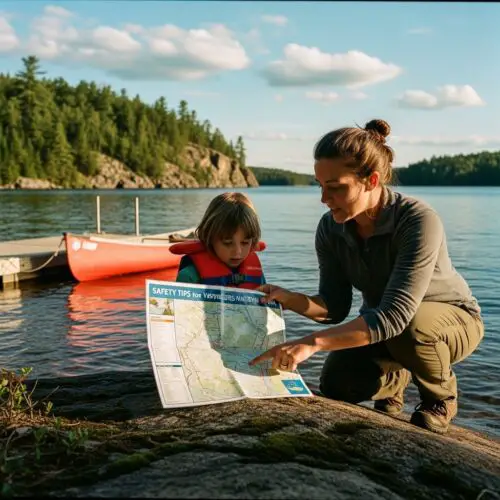
Voyageurs National Park is a stunning outdoor paradise, but safety should always come first. Knowing how to navigate wildlife encounters, weather changes, and boating regulations will help ensure a great experience.
Wildlife Safety Guidelines
The park is home to a variety of wildlife, including moose, black bears, and wolves. Here are some essential tips to keep in mind:
- Keep Your Distance: Always maintain a safe distance from wildlife. Use binoculars for a closer look.
- Store Food Properly: Use bear-proof lockers to store food and scented items. This helps prevent unwanted wildlife encounters.
- Stay Calm: If you encounter a bear, do not run. Back away slowly and speak calmly to avoid startling it.
- Know the Signs: Look for animal tracks or droppings to understand where wildlife is most active.
Real-Life Scenario: Imagine you’re hiking and spot a moose. Stay calm, grab your binoculars, and enjoy the moment from a distance. Moose can be unpredictable, so it’s best to admire from afar.
Boating Best Practices
Exploring the park’s lakes is a must, but safety on the water is crucial. Here are some boating tips:
- Wear Life Jackets: Always wear a life jacket while on the water. It’s not just smart; it’s required for all boaters.
- Know the Rules: Familiarize yourself with the park’s boating regulations. For example, jet skis are prohibited to protect wildlife and maintain tranquility.
- Check Weather Conditions: Before heading out, always check the weather forecast. Sudden storms can arise in the area.
Decision Rule: If the weather changes suddenly while you’re on the water, head back to shore. Safety comes first, and it’s better to be cautious than caught in a storm.
Weather Preparedness
Minnesota weather can be unpredictable, so being prepared is key. Here’s how to stay safe:
- Layer Up: Dress in layers to adjust to changing temperatures. This will keep you comfortable throughout the day.
- Pack Rain Gear: Even if the forecast looks clear, bring a lightweight rain jacket. It can save your day if the weather turns.
- Stay Informed: Use a weather app to monitor conditions while in the park. Signal may be spotty, so check before you go.
Checklist for Weather Preparedness:
- Layered clothing
- Rain jacket
- Weather app on your phone
With these safety tips in mind, you can fully enjoy your adventure in Voyageurs National Park. Happy exploring!
Seasonal Highlights and Activities in Voyageurs National Park
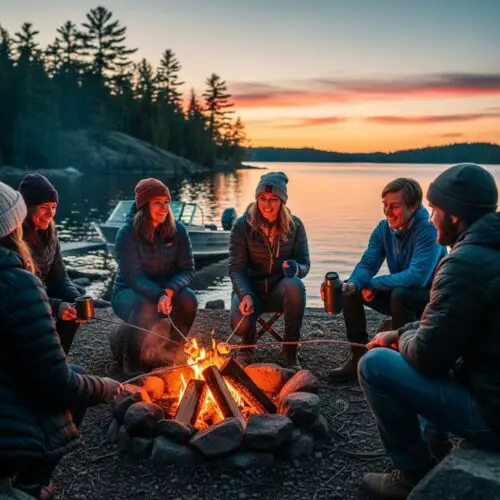
Voyageurs National Park is a treasure trove of seasonal activities. Each season offers unique experiences, from vibrant wildlife to stunning stargazing. Here’s what you can expect throughout the year.
Summer: Water and Wildlife
Summer is the prime time for water activities. With temperatures ranging from the mid-70s to low 80s, it’s perfect for exploring the park’s lakes. Here are some must-do activities:
- Canoeing and Kayaking: Paddle through interconnected lakes. Rent a kayak or canoe from local outfitters.
- Fishing: Cast your line for walleye, northern pike, and bass. The summer months are ideal for fishing enthusiasts.
- Wildlife Watching: Keep an eye out for loons, eagles, and deer. Early mornings and evenings are best for spotting wildlife.
Summer also hosts events like the Rainy Lake Music Festival, showcasing local talent against a beautiful backdrop.
Fall: Colors and Solitude
As summer fades, fall brings breathtaking colors. The foliage transforms into vibrant reds and oranges, making it an ideal time for:
- Hiking: Trails like the Kabetogama Peninsula offer stunning views. Enjoy the serenity of fewer visitors.
- Photography: Capture the stunning autumn landscapes. The golden hour provides perfect lighting for photos.
- Canoe Tours: Join guided tours to learn about the park’s history and ecology while enjoying the fall scenery.
The Fall Harvest Festival in September celebrates local culture with food, music, and crafts.
Winter: Snow and Stargazing
Winter transforms Voyageurs into a snowy wonderland. The park becomes a haven for winter sports and stargazing:
- Snowshoeing and Cross-Country Skiing: Explore miles of trails. Rentals are available at local outfitters.
- Ice Fishing: Drill through the ice on one of the many lakes to catch fish.
- Stargazing: The park, certified as an International Dark Sky Park, offers incredible views of the northern lights. Head to spots like the Voyageurs Forest Overlook for the best views.
Don’t miss the Winter Festival in February, featuring guided snowshoe hikes and ice fishing contests.
Year-Round Activities
No matter the season, certain activities are always a hit:
- Guided Tours: Local outfitters offer tours year-round, focusing on wildlife and history.
- Wildlife Encounters: Always be aware of your surroundings. If you see wildlife, maintain a safe distance.
- Safety Tips: Stay on marked trails, especially in winter. Always let someone know your plans.
Voyageurs National Park offers something for everyone, no matter when you visit!
Frequently Asked Questions
These quick answers cover the most common questions about this topic, including key details, practical tips, and common concerns.
How do I get to Voyageurs National Park?
You can reach Voyageurs National Park by car, flying, or bus. The nearest major city is Minneapolis, about 300 miles south. Drive via U.S. Highway 53 to International Falls. For air travel, Falls International Airport (INL) in International Falls is the closest airport, with rental cars available. Bus services like Greyhound also operate routes to nearby towns, but check schedules in advance.
How can I rent a boat or houseboat in Voyageurs?
Boat rentals are available through several outfitters around the park. You can rent canoes, kayaks, or motorboats for exploring the lakes. Houseboats are a popular way to stay overnight; many companies offer rentals with full amenities. It’s best to reserve in advance, especially during peak season, to ensure availability.
Why is Voyageurs National Park called “Voyageurs”?
The park is named after the French-Canadian fur traders known as voyageurs. They traveled the waterways in the 18th and 19th centuries, establishing trade routes and shaping regional history. The name honors their legacy and the park’s rich cultural heritage tied to exploration and commerce.
When is the best time to visit Voyageurs National Park?
The best time depends on your interests. Summer (June–August) is ideal for boating, fishing, and camping. Fall (September–October) offers vibrant foliage and fewer crowds. Winter (December–February) is perfect for snow activities and northern lights viewing. Spring (March–May) is quieter and great for birdwatching and wildlife viewing.
How can I see the northern lights at Voyageurs?
The park’s dark skies make it an excellent spot for northern lights viewing. The best times are during clear, cold nights from late fall to early spring. Head to open areas away from artificial light, such as Voyageurs Forest Overlook or the Kabetogama Peninsula. Check local aurora forecasts for optimal viewing conditions.
What are common mistakes to avoid when visiting Voyageurs?
Many visitors underestimate the importance of planning ahead. Common mistakes include not reserving campsites early, ignoring weather conditions, or not bringing enough supplies for water and safety. Also, be cautious around wildlife and follow park regulations to ensure a safe experience.
How does Voyageurs compare to other national parks?
Voyageurs stands out for its water-based recreation, with over 500 islands and extensive lakes. Unlike parks dominated by mountains or forests, it offers unique water activities like houseboating and kayaking. It’s smaller and less crowded than some parks, providing a more tranquil experience focused on water exploration.
What are alternatives to houseboating in Voyageurs?
If houseboating isn’t your preference, consider camping at designated campgrounds or backcountry sites. You can also rent a boat for day trips or join guided boat tours. Canoeing and kayaking are popular alternatives, offering flexibility and closer wildlife encounters without staying on a houseboat.