
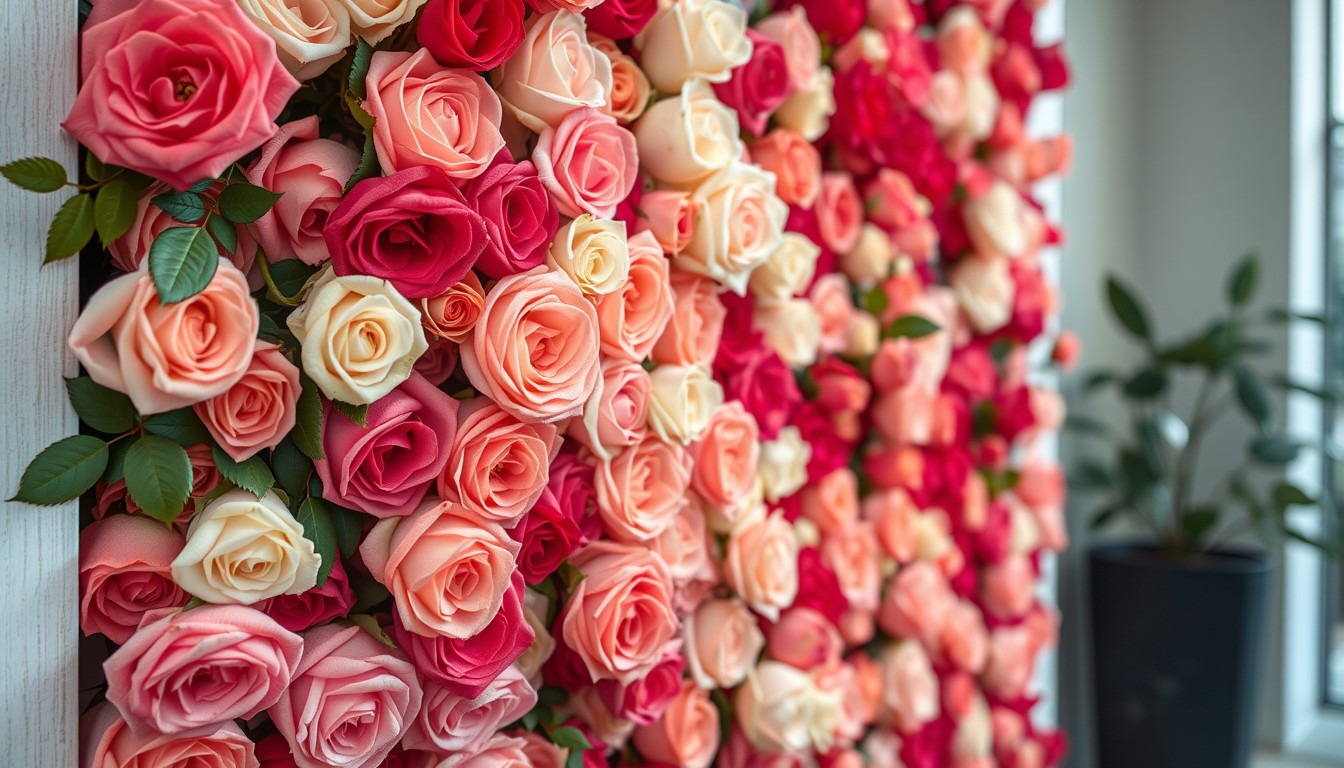
A wall of roses is a decorative installation or design using roses either as a physical wall or artwork, often for aesthetic or floral display purposes.
This article explores various styles, common materials, and practical applications of a wall of roses, helping you understand how to incorporate this floral concept into different settings and how to choose suitable materials for your project.
Key Conditions That Change Wall Of Roses
The appearance and impact of a wall of roses can vary significantly depending on the materials used, the setting, and specific design choices. Recognizing these conditions helps in creating a visually appealing and durable installation tailored to different environments and purposes.
1. The factors with the biggest effect
Material selection primarily influences the wall of roses’ visual character. Fresh roses, dried flowers, or artificial blooms each produce distinct aesthetics — from vibrant and lush to muted and rustic. Natural roses provide a romantic, soft look but are perishable, requiring frequent replacement. Dried or preserved roses offer a more lasting option, maintaining a similar visual appeal over time. Artificial roses allow for low-maintenance designs that can be customized in color and pattern, but may lack the authentic charm of real flowers.
Disclosure: As an Amazon Associate I earn from qualifying purchases.
Table of Contents
If your wall of roses requires extra support or framing, considering suitable garden structures might be helpful. Shop suitable garden fencing or trellis panels on Amazon (affiliate link).
Placement and environmental conditions also shape the performance and appearance of the wall of roses. Indoor settings tend to accommodate delicate materials like fresh or dried roses, whereas outdoor installations demand weather-resistant choices such as certain artificial options. Humidity, sunlight, and wind can accelerate deterioration or alter the visual effect, especially for natural roses. Therefore, choosing materials suited to the specific climate ensures longevity and consistent aesthetics.
2. What evidence or details to check
Before constructing a wall of roses, assess the durability and compatibility of chosen materials with the environment. For example, high-quality artificial roses may resist weather better but might appear less natural. Cross-reference product reviews and material descriptions to gauge longevity and realism. Additionally, consider the thickness and size of the roses, as these affect the overall visual fullness and texture. Confirm if the installation method supports the weight and size of the roses—especially for large-scale or wall-mounted displays.
3. When the usual advice does not apply
If the installation is intended for a temporary event or a highly controlled environment, using fresh or dried roses might be feasible despite their limited lifespan. Conversely, a permanent outdoor feature should rely on weather-resistant artificial options to minimize upkeep. Unique design visions may also require custom-made roses or unconventional arrangements, where typical suggestions about material choice and placement might not fit. In such cases, flexibility and tailored solutions become critical to achieving the desired aesthetic without compromising durability or practicality.
How to Evaluate Wall Of Roses Before Acting
Before committing to a wall of roses, assess its intended purpose and the specific setting to ensure the choice aligns with your aesthetic and practical needs. Carefully examining certain signals can prevent costly mistakes and help create a cohesive space that meets your expectations.

1. What to check first
Begin by identifying the primary function of the wall of roses. Is it meant to serve as a decorative focal point, a backdrop for events, or an artistic installation? Understanding the purpose clarifies the necessary style, size, and material considerations. For instance, a permanent outdoor feature requires weather-resistant materials like artificial roses or treated dried blooms, while temporary displays might utilize fresh or dried roses for seasonal designs.
Monitoring the current condition of your roses can provide valuable insight before making adjustments. Shop suitable plant health monitoring tools on Amazon (affiliate link).
Next, evaluate the location’s physical conditions. Consider lighting, surface type, and available space. Is the wall positioned where natural light enhances its visual appeal? Is the surface suitable for mounting or attaching elements without damage? Concrete, brick, or drywall each demand different mounting methods. Additionally, check the wall’s size relative to the average bouquet or design scale—larger walls can support more elaborate arrangements, while smaller surfaces may require minimalistic touches.
2. How to interpret the result
Analyze the signals from your environment to determine if the wall of roses fits into your overall plan. A wall that receives ample natural light might benefit from lighter-colored roses that won’t fade quickly, while shaded areas might favor darker or artificial options to maintain vibrancy. If the surface is uneven or fragile, lightweight artificial roses or sturdy structures will ensure durability without risking damage.
If the purpose involves creating a visual impact, consider the existing decor style and color palette. For a romantic or classic look, soft pink or red roses arranged densely may be ideal. Conversely, modern minimalistic themes might require strategic spacing and unconventional arrangements. Also, weigh the maintenance requirements. Artificial roses last longer with minimal upkeep, making them suitable for outdoor or high-traffic areas, whereas fresh or dried roses demand regular care but offer natural charm.
By observing these signals — purpose, location conditions, and visual harmony — you can confidently decide whether the wall of roses is a fitting addition to your space and plan accordingly to maximize its impact and longevity.
A Step-by-Step Approach to Wall Of Roses
Creating a captivating wall of roses involves a clear process that balances material choice, design style, and placement. Follow these steps to ensure your wall of roses complements your space effectively and lasts over time.
1. Prepare the essentials
Decide on the wall’s purpose and the visual style you aim to achieve. Consider whether you prefer a romantic, lush appearance with soft pink or red roses or a modern, minimalist look with strategic spacing. Choose the medium—artificial roses for longevity and low maintenance or fresh/dried roses for natural aroma and appearance. Assess the wall surface for durability and suitability for supporting the chosen material, whether it’s canvas, metal, or another medium.
Having the right basic gardening tools can help streamline your process. Shop suitable gardening toolkit on Amazon (affiliate link).
2. Take the first action
Measure the wall space accurately to establish the scale of your arrangement. Select your roses based on your style preference, durability needs, and maintenance capacity. If opting for artificial roses, pick high-quality, weather-resistant varieties if outside. For fresh roses, prepare for regular water and care requirements. Arrange the roses loosely or densely, according to your desired aesthetic, and consider how they will integrate with existing decor colors and textures. Anchor your materials securely using appropriate hardware or adhesives to prevent shifting.
3. Check the early result
Review the initial installation for visual balance, color harmony, and structural stability. Step back and examine from different angles; adjust spacing or positioning if some areas appear overcrowded or sparse. Ensure the material adheres firmly, especially if using lightweight or outdoor-friendly options. Observe how the wall of roses interacts with natural light and shadows, refining the arrangement for optimal visual impact.
4. Adjust for changing conditions
Anticipate environmental factors such as sunlight, humidity, or foot traffic that may affect your wall of roses. For outdoor installations, consider weatherproof materials and protective coatings to prolong lifespan. Inside, maintain consistent humidity and avoid direct sunlight to preserve the colors and integrity of both artificial and natural roses. If necessary, replace or reposition roses over time, maintaining the intended aesthetic while adapting to wear and environmental shifts. Regular upkeep ensures that your wall of roses remains a striking feature and continues to fulfill its decorative purpose.
Choosing the Right Approach for Your Situation
Selecting a suitable wall of roses style depends on your specific environment, aesthetic goals, and maintenance capacity. Understanding different artistic and design options helps create a bespoke visual impact that aligns with your space’s needs and your personal taste.
1. When the simpler approach fits
For small or interior spaces, lightweight artificial roses arranged in a uniform grid or loosely bound clusters work well. These options are quick to install and require minimal upkeep. They provide a fresh, natural look without demanding extensive preparation or ongoing maintenance, making them ideal for casual decorative needs.
2. When a more involved approach is justified
In larger or outdoor environments, more sophisticated styles, such as a lush, cascading wall of roses or a meticulously arranged mosaic, offer dramatic visual impact. These designs often incorporate a variety of rose types and colors, crafted with mounting frames or trellises. Though demanding in time and resources, they sustain a striking, wild or romantic aesthetic that can serve as a centerpiece for gardens, event backdrops, or feature walls.
In some cases, introducing additional structural elements might be the best choice. Shop suitable pergola or garden arbor on Amazon (affiliate link).
3. Trade-offs to consider
Each approach involves trade-offs. Simpler styles typically require less installation effort and maintenance but might lack the visual richness of complex designs. Conversely, elaborate arrangements can elevate a space’s appeal but demand more planning, ongoing care, and structural considerations, especially outdoors where weather could impact artificial materials or live roses.
| Style/Variant | Visual Complexity | Installation Effort | Maintenance Requirements | Optimal Setting |
|---|---|---|---|---|
| Minimalist artificial roses | Low | Low | Minimal | Interior, small walls |
| Wild, cascading outdoor display | High | High | Moderate to high | Large gardens, outdoor walls |
| Mosaic or detailed arrangement | High | High | Moderate | Statement walls, special events |
Choosing between these depends on space size, desired aesthetic, and your willingness to invest in upkeep. Assess environmental factors and space limitations carefully before determining which style suits your situation best.
Mistakes That Change the Result
Errors in planning or execution can significantly alter the visual impact and durability of a wall of roses. Recognizing common pitfalls allows for adjustments that save time and prevent costly fixes.
1. Mistaking a symptom for a cause
One frequent mistake involves attributing issues like wilting or discoloration to the wrong cause. For instance, if artificial roses fade outdoors, the root problem may be prolonged sun exposure, not just age or poor quality. Replacing the roses without addressing environmental factors will result in recurring problems. To prevent this, identify the actual cause—such as sunlight, moisture, or pests—and choose materials suited for those conditions. For outdoor setups, opt for UV-resistant artificial roses or maintain a protective canopy, especially in high-sun areas. This approach ensures longevity and year-round aesthetic appeal without constant replacement.
2. Skipping a critical condition
Another common error is neglecting to evaluate environmental factors and space constraints before selecting a style of wall of roses. For example, installing a highly detailed mosaic arrangement on a small wall can cause overcrowding, making the display appear cluttered and difficult to upkeep. Conversely, choosing minimalist artificial roses for a large outdoor wall can leave the area looking underwhelming. Before installation, assess lighting, climate, wall size, and overall purpose. This ensures the chosen style matches both the space and maintenance capabilities, reducing the risk of overinvestment in unsuited materials or designs.
Failing to consider weather conditions and material durability can also lead to premature deterioration. Outdoor artificial roses should be weatherproof, while live roses require irrigation and pest control. Misjudging these needs can compromise the display’s appearance and lifespan. Corrective measures include selecting durable materials or integrating climate-appropriate care routines, which can extend the wall’s visual appeal and functional lifespan.
When to Adapt or Seek More Help
Deciding whether to continue with your current approach to creating a wall of roses or to seek specialized advice depends largely on the visual impact you desire and your experience with similar projects. Understanding the visual appearance and how it integrates with your space will help determine if your approach is effective or needs adjustment.
1. Key points: next steps | limitations
If your wall of roses does not produce the intended aesthetic, it may be time to reassess your design choices. For example, a dense arrangement may overwhelm a small wall, or overly delicate flowers may not withstand environmental conditions if placed outdoors. Analyzing the visual balance and durability is crucial before moving forward.
Next steps include evaluating the current appearance and considering modifications such as changing flower types, adjusting spacing, or altering the framing. Take into account the relationship between your desired aesthetic and the physical constraints of your space. If the wall’s visual impact does not align with your expectations or if maintenance issues arise frequently, seeking expert guidance can prevent costly mistakes.
Limitations in creating a wall of roses involve material choice, environmental factors, and maintenance scope. Artificial roses might lack the natural charm you want but are more enduring in harsh climates. Conversely, real roses bring vibrancy but require ongoing care like irrigation and pest control. Knowing these limitations helps in making realistic choices about style and longevity.
In cases where the current plan falls short, consulting landscape designers, florists, or experienced DIY enthusiasts can provide tailored solutions. These professionals can offer insights into plant selection, structural adjustments, and long-term upkeep that align with your aesthetic goals while factoring in practicality and budget. Recognizing when external expertise is needed allows for a more polished, lasting display and avoids frustration or wasted effort.
Ultimately, if your visual appearance goals are not met or if ongoing challenges become unmanageable, it’s wise to adapt your approach or seek detailed advice. Carefully consider the relationship between your space, the style of the wall of roses, and your maintenance capabilities to find a balanced, satisfying solution.
Frequently Asked Questions
1. What is the most important thing to know about wall of roses?
The primary consideration is selecting the right materials that match the environment and intended permanence—fresh, dried, or artificial roses offer different aesthetics and maintenance levels.
2. What should I check first?
Begin by defining the wall’s purpose—whether decorative, artistic, or functional—and assess the environmental conditions, surface type, and available space to ensure proper material choice and installation method.
3. What commonly causes problems?
Issues often stem from choosing incompatible materials for the environment, inadequate mounting support, or neglecting maintenance, which can lead to deterioration, damage, or unsatisfactory appearance.
4. What is the safest next step?
After planning, consult material specifications and installation guidelines, and consider testing small sections or prototypes to evaluate durability and visual effect before full-scale construction.
5. How long should I expect this to take?
The timeline varies depending on scope and complexity—installation can take from a few hours for small displays to several days for large, intricate walls, especially if custom elements are involved.
6. When should I use a different approach?
Switch to an alternative, such as artificial roses, when environmental factors threaten natural materials or when seeking low-maintenance, long-lasting solutions, particularly for outdoor or high-traffic areas.
7. When should I ask a qualified expert?
Seek professional advice if your project involves structural modifications, custom installations, or managing materials suited for challenging environments like outdoors or public spaces.