
Backyard lizards primarily consume insects and a variety of plants. Understanding their diet is key to managing their presence. This guide explores what backyard lizards eat and practical methods to control their populations in your garden.
Understanding the Diet of Backyard Lizards
Backyard lizards have diverse diets, primarily focusing on insects but also including some plant materials. Their eating habits can vary based on species and environmental conditions. Let’s dive into what these little critters munch on!
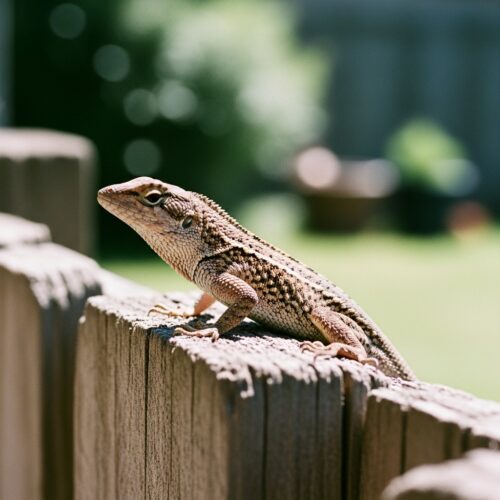
The Insectivorous Diet of Common Lizards
Most backyard lizards are insectivorous, meaning they feast mainly on insects. Here are some common species and their preferred snacks:
- Green Anoles: These lively lizards love crickets, moths, and flies. They’re often seen darting around in gardens, keeping insect populations in check.
- Fence Lizards: Known for their spiny appearance, they chow down on beetles, spiders, and even centipedes. They can also nibble on grasses when insects are scarce.
- Skinks: These sleek lizards enjoy a variety of insects like ants and beetles. They’re quick, making them excellent hunters!
This insect-rich diet is great for gardeners. Having these lizards around means fewer pests munching on your plants.
Omnivorous Preferences and Plant Matters
Not all backyard lizards stick to just bugs. Some species show omnivorous tendencies. They’ll mix it up with plant materials when needed. For example:
Table of Contents
- Some Fence Lizards: In addition to insects, they might munch on soft fruits or even nectar if the insect buffet is low. This flexibility helps them survive changes in their environment.
- Certain Geckos: These little guys can also snack on small snails alongside their usual insect fare.
This dietary diversity means lizards can thrive in various conditions, making them adaptable residents of your backyard.
What Baby Lizards Eat
Baby lizards, or hatchlings, have specific dietary needs. They often require smaller prey compared to adults. Here’s what you should know:
- Insects: Just like their grown-ups, baby lizards primarily eat tiny insects, like fruit flies and aphids.
- Nutrient Needs: They need a diet rich in protein for growth. Providing a mix of small bugs can help them thrive.
When building a lizard-friendly environment, remember that even the littlest ones need plenty of food to grow strong!
If you’re looking to keep lizards at bay while still benefiting from their pest control skills, consider using a natural solution like Lizard Repellent Spray – Natural Pest Control. It can help manage their presence without harming the ecosystem.
The Benefits of Having Lizards in Your Garden
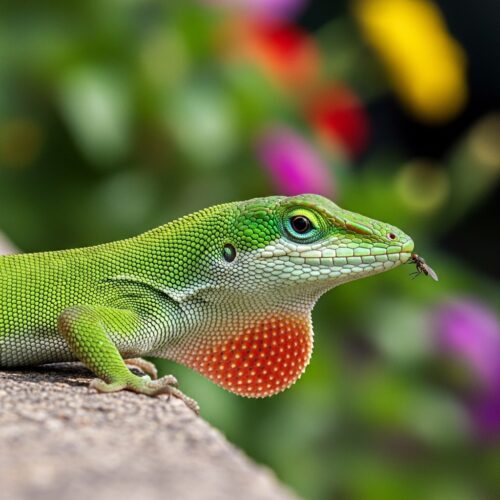
Having lizards in your garden might seem odd at first, but these little creatures offer a ton of ecological benefits. From pest control to promoting a healthy ecosystem, lizards play an important role.
Natural Pest Control
Lizards are nature’s pest controllers. They munch on insects that can damage your plants. Here are some common pests lizards love to feast on:
- Aphids
- Beetles
- Flies
- Spiders
- Grasshoppers
By keeping these pesky bugs in check, lizards help maintain a balanced garden. For example, a study found that gardens with healthy lizard populations had up to 50% fewer pests compared to those without. So, before you rush to get rid of them, consider their pest-fighting skills!
Biodiversity and Ecosystem Health
Lizards contribute to biodiversity. They are part of the food chain and provide food for larger animals, like birds and snakes. This interconnectedness supports a vibrant ecosystem. When lizards thrive, they indicate a healthy environment.
In fact, having a diverse range of species, including lizards, helps ensure that the ecosystem can adapt to changes. More species mean a more resilient garden!
How Lizards Contribute to Soil Health
Lizards also play a role in soil health. As they hunt for insects, they help aerate the soil. This aeration allows water and nutrients to penetrate deeper, benefiting your plants. Plus, lizards’ droppings add organic matter to the soil, enriching it naturally.
You can think of lizards as little gardeners helping to keep the soil healthy and productive. So, if you’re pondering over lizard presence, remember they are not just squatters but valuable allies in your garden!
If you want to keep lizards in check without harming your garden, consider a natural option like Lizard Repellent Spray – Natural Pest Control. It can help manage their population while still allowing them to work their magic in pest control.
Effective Pest Control Methods for Backyard Lizards
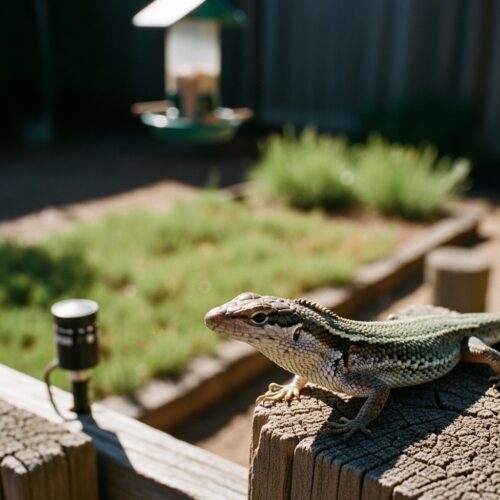
Managing lizard populations in your backyard can be a bit tricky. But don’t worry; there are several effective methods to keep them at bay while still appreciating their benefits.
Commercial Repellents vs. DIY Solutions
When it comes to lizard repellents, you have two main options: commercial products and DIY solutions.
Commercial Repellents:
- Quick and easy to use.
- Often formulated with strong scents or chemicals.
- Look for options labeled safe for gardens.
DIY Solutions:
- Cost-effective and eco-friendly.
- You can customize them based on what you have at home.
- Examples include garlic sprays and pepper mixtures.
Natural Methods to Deter Lizards
Creating a less inviting environment can work wonders. Here are some natural deterrents:
- Garlic and Onion: The pungent smell keeps lizards away. Simply chop them up and scatter in areas they frequent.
- Egg Shells: Lizards dislike the smell of eggs. Place dried shells around your garden to deter them.
- Pepper Spray: Mix water, hot sauce, and pepper in a spray bottle. Use it around your property, but avoid direct contact with lizards.
Environmental Adjustments to Minimize Attractiveness
You can also make changes in your backyard to discourage lizards:
- Clear Debris: Remove piles of leaves and wood where lizards love to hide.
- Trim Vegetation: Keep plants well-trimmed. Dense foliage can attract insects, which lizards feed on.
- Seal Entry Points: Check your home for cracks or openings. Sealing these can prevent lizards from getting inside.
By using a combination of these methods, you can effectively manage lizard populations without harming them. If you’re interested in a straightforward solution, consider trying a product like Lizard Repellent Spray – Natural Pest Control.
Common Misconceptions About Lizards
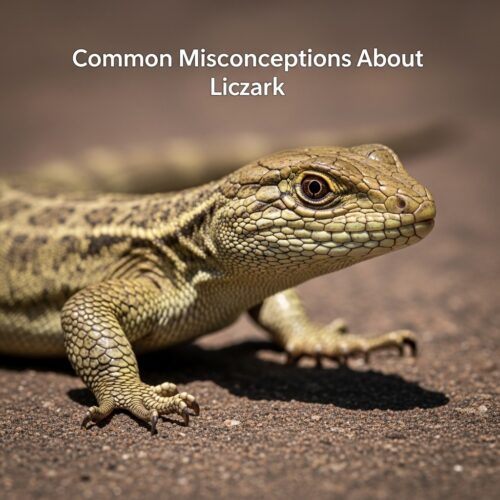
Lizards often get a bad rap. Many people harbor fears and misconceptions about these little critters. Let’s clear the air about what backyard lizards really are and what they mean for your outdoor space.
Are Lizards Dangerous to Humans?
Most backyard lizards are harmless. They’re not out to get you! In fact, many species help keep your garden healthy by eating pests like insects and spiders.
- Non-aggressive Nature: Lizards prefer to flee than fight. They’re more likely to run away if you approach than bite.
- No Venom: Common backyard lizards, such as anoles and fence lizards, don’t possess venom that could harm humans.
Do Lizards Spread Diseases?
Another common fear is that lizards can spread diseases. The truth is, they are generally clean animals.
- Low Disease Risk: While lizards can carry some bacteria, the likelihood of transmitting disease to humans is very low.
- Good Hygiene: Keeping your yard tidy can minimize any potential risks.
Understanding Lizard Behavior
Understanding how lizards behave can help you feel more at ease around them.
- Territorial: Many lizards are territorial and will mark their area. This doesn’t mean they’ll attack; it’s just their way of claiming space.
- Dietary Habits: Backyard lizards mainly eat insects, which means they can help control pest populations in your garden.
Quick Facts About Backyard Lizards
| Myth | Fact |
|---|---|
| Lizards are aggressive | Most are shy and flee from humans. |
| They spread diseases | Low risk for disease transmission to humans. |
| All lizards are harmful | Many are beneficial to gardens. |
By debunking these myths, you can appreciate the role that backyard lizards play in your outdoor ecosystem. They’re not just visitors; they’re part of a healthy garden!
Frequently Asked Questions
These quick answers cover the most common questions about this topic, including key details, practical tips, and common concerns.
How do I permanently get rid of lizards?
To permanently remove lizards from your yard, eliminate their hiding spots and food sources. Clear debris, trim dense vegetation, and seal cracks in your home. Using natural repellents like garlic or pepper sprays can also discourage them. Consistent maintenance helps keep lizards away long-term.
Where do lizards go at night?
Most backyard lizards seek sheltered spots at night, such as under rocks, inside logs, or in dense foliage. They often retreat to hidden crevices or inside your home if entry points exist. They become less active after sunset and return to these hiding places until morning.
Is it good or bad to have lizards in your yard?
Having lizards is generally beneficial. They control insect populations and contribute to a balanced ecosystem. However, excessive lizard presence might indicate high insect activity or attract predators. Overall, they are harmless and help maintain garden health.
What do lizards hate the most?
Lizards dislike strong, pungent smells such as garlic, onion, pepper, and eggshells. They also avoid bright lights and areas with minimal hiding spots. Using these natural deterrents can help keep them away from specific areas of your yard.
What attracts lizards to your garden?
Lizards are attracted to gardens with abundant insects, dense vegetation, and available shelter. Water sources, such as ponds or birdbaths, can also draw them. Providing hiding spots and a steady food supply encourages lizard presence.
Can lizards help control pests in my garden?
Yes, lizards are natural pest controllers. They feed on insects like flies, beetles, spiders, and aphids. Having them in your yard can significantly reduce pest numbers, promoting healthier plants without chemical pesticides.
What is the lifespan of a backyard lizard?
Most backyard lizards live between 3 to 6 years, depending on species and environmental conditions. Some species, like fence lizards, tend to live longer, especially in predator-free environments.
How can I naturally deter lizards from my home?
Create an uninviting environment by removing debris, sealing entry points, and trimming vegetation. Use natural repellents like garlic, onion, or pepper sprays around entry points and hiding spots. Reducing insect populations also makes your yard less attractive to lizards.