
Chipmunk droppings are small, dark, and oblong, typically measuring about a quarter inch in length. Understanding their appearance is crucial for identifying these critters and ensuring your home remains pest-free. This guide will cover what chipmunk poop looks like, the potential dangers it poses, and how to clean it safely.
Table of Contents
What Do Chipmunk Droppings Look Like?
Chipmunk droppings have some distinct characteristics that make them easier to identify. Let’s dive into their size, shape, and color to help you recognize them right away.
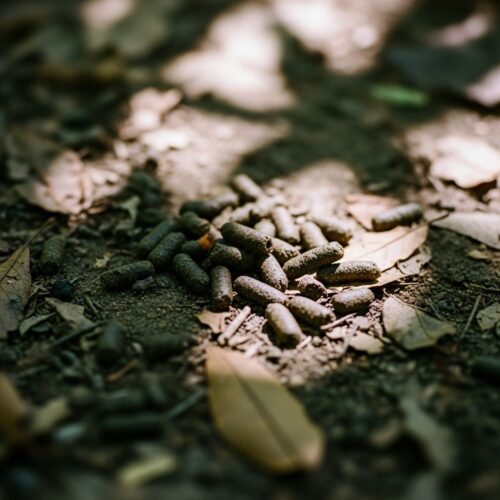
Size and Shape of Chipmunk Droppings
Chipmunk droppings are typically small and oblong. They measure about 0.4 inches long, which is larger than mouse droppings but smaller than rat droppings. Here’s what to look for:
- Shape: Oblong and tapered at both ends, similar to a mini football or an almond.
- Size Comparison:
- Chipmunk Droppings: ~0.4 inches
- Mouse Droppings: ~0.25 inches, more rounded
- Rat Droppings: ~0.75 inches, thicker and blunt-ended
Color Variations in Chipmunk Droppings
The color of chipmunk droppings can vary based on their diet. You might notice them in different shades:
- Light Brown: Common when their diet consists of seeds and nuts.
- Dark Brown to Black: Occurs with a diet rich in fruits or vegetables.
This color change can help you identify what they’ve been munching on!
Where to Find Chipmunk Droppings
Chipmunk droppings can often be found in areas where they are active. Look for them in:
- Near Burrows: They often leave droppings close to their homes.
- Garden Areas: Especially if you have plants they like.
- Near Food Sources: Such as bird feeders or pet food bowls.
Knowing where to look can save you time in identifying these little critters!
Health Risks Associated with Chipmunk Droppings
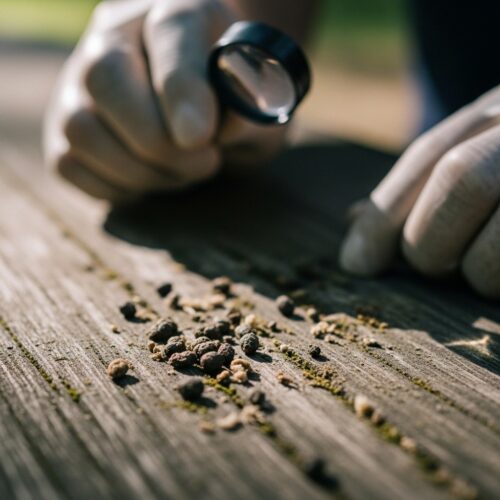
Chipmunk droppings may seem harmless, but they can pose health risks. Their feces can carry diseases and parasites. It’s essential to be aware of these dangers, especially if you have pets or children.
Common Diseases Linked to Chipmunk Feces
Chipmunks can spread various diseases through their droppings. Here are some common ones to watch out for:
- Salmonellosis: This bacterial infection can cause gastrointestinal distress. Symptoms include diarrhea, fever, and abdominal cramps.
- Leptospirosis: This disease can lead to severe health issues. It can affect the liver and kidneys, with symptoms ranging from mild flu-like signs to severe illness.
- Hantavirus: Though more commonly associated with mice, chipmunks can also transmit this virus, which causes respiratory issues.
How Chipmunk Droppings Can Affect Pets
Pets are curious creatures. They might sniff or even eat chipmunk droppings. This can lead to health problems. Here’s what to keep in mind:
- Parasites: Chipmunk feces may contain parasites like worms. These can easily spread to pets, leading to infections.
- Toxins: Certain diseases from chipmunks can be harmful to pets, similar to humans. Monitor your pets for any unusual symptoms after exposure.
Precautions When Handling Chipmunk Droppings
If you find chipmunk droppings, it’s crucial to handle them safely. Here are some tips:
- Wear Gloves: Always use gloves when cleaning up droppings to avoid direct contact.
- Use a Mask: Protect yourself from inhaling any dust or particles.
- Disinfect the Area: Clean the area thoroughly with a disinfectant. This reduces the risk of disease spread.
By being aware and taking precautions, you can minimize the health risks associated with chipmunk droppings.
How to Clean Chipmunk Droppings Safely
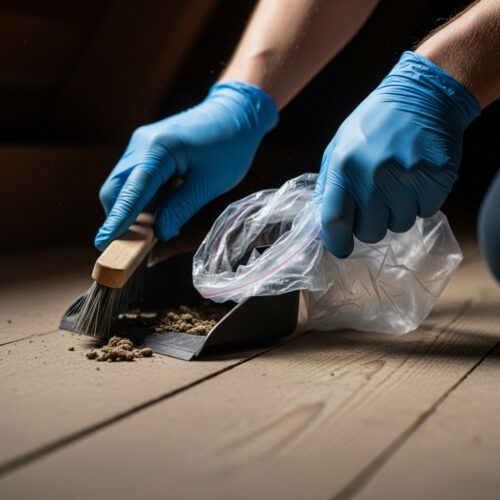
Cleaning up chipmunk droppings requires a careful approach. It’s important to protect yourself and your space while doing it. Here’s a step-by-step guide to help you through the process safely.
Required Safety Gear for Cleanup
Before you start, gather the right safety gear. This will keep you safe from any potential health risks. Here’s what you need:
- Gloves: Disposable gloves are a must. They protect your hands from direct contact.
- Mask: A dust mask will help prevent inhalation of any particles.
- Goggles: Optional, but can protect your eyes from any splashes or debris.
- Trash Bags: Strong, sealable bags for disposing of droppings.
Step-by-Step Cleanup Process
Now that you have your gear, follow these steps for a thorough cleanup:
1. Prepare the Area:
- Ventilate the space by opening windows.
- Remove any pets or people from the area.
2. Put on Your Safety Gear:
- Wear gloves and a mask before you touch anything.
3. Dampen the Droppings:
- Use a spray bottle filled with a mixture of water and disinfectant.
- Lightly spray the droppings to avoid dust clouds.
4. Collect the Droppings:
- Use a paper towel or scoop to pick up the droppings.
- Place them directly into a trash bag.
5. Disinfect the Area:
- After removing the droppings, use a disinfectant spray on the area.
- Wipe down surfaces with a clean cloth.
6. Seal and Dispose:
- Seal the trash bag tightly.
- Dispose of it in an outdoor trash bin.
7. Wash Your Hands:
- Even with gloves, wash your hands thoroughly after the cleanup.
Disposing of Chipmunk Droppings
Proper disposal is crucial. Never leave droppings exposed. Here’s how to do it safely:
- Seal in a Trash Bag: Ensure the droppings are sealed in a bag to prevent odors and contamination.
- Use Outdoor Bins: Always dispose of the bag in an outdoor trash bin, away from pets and children.
- Avoid Composting: Do not compost chipmunk droppings. They can carry diseases.
By following these steps, you can safely clean up chipmunk droppings and minimize any health risks. Stay safe and keep your space clean!
Comparison of Chipmunk Droppings with Other Rodents
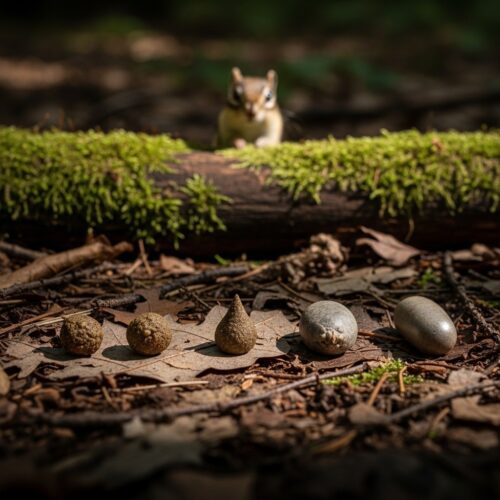
Identifying chipmunk droppings can be tricky, especially since they look similar to those of other rodents. Let’s break down how chipmunk poop stacks up against mouse and rat droppings.
Chipmunk vs. Mouse Droppings
- Size: Chipmunk droppings are larger. They measure about 0.5 to 1 cm, while mouse droppings are around 0.3 cm.
- Shape: Chipmunk poop is oblong and tapered at both ends. Mouse droppings are also oblong but usually more rounded.
- Color: Chipmunk droppings can be brown to black, while mouse droppings are typically lighter, often a shade of gray or brown.
- Odor: Chipmunk droppings tend to be odorless, whereas mouse droppings can have a stronger, musty smell.
Chipmunk vs. Rat Droppings
- Size: Chipmunk droppings are smaller than rat droppings, which can reach up to 2 cm.
- Shape: Rat poop has a more pronounced taper and is generally thicker compared to chipmunk droppings.
- Color: Rat droppings are usually darker, often black, and shiny, while chipmunk droppings are matte.
- Odor: Like with mouse droppings, rat droppings have a noticeable odor, unlike the relatively scentless chipmunk droppings.
Chipmunk vs. Squirrel Droppings
- Size: Squirrel droppings are generally similar in size to chipmunk droppings but can be slightly larger.
- Shape: Both are pellet-shaped, but squirrel droppings often have a more cylindrical shape.
- Color: Squirrel droppings are usually dark brown to black, similar to chipmunk droppings.
- Odor: Squirrel droppings also tend to be odorless, much like chipmunk droppings.
Quick Reference Table
| Feature | Chipmunk Droppings | Mouse Droppings | Rat Droppings | Squirrel Droppings |
|---|---|---|---|---|
| Size | 0.5 – 1 cm | ~0.3 cm | Up to 2 cm | Similar to Chipmunk |
| Shape | Oblong, tapered | Oblong, rounded | Thick, tapered | Pellet-shaped |
| Color | Brown to black | Gray to brown | Dark black, shiny | Dark brown to black |
| Odor | Odorless | Musty | Strong, musty | Odorless |
By understanding these differences, you can easily identify chipmunk droppings and distinguish them from other rodents. This knowledge helps you determine if you have a chipmunk visitor or if another critter is in your space!
The Role of Chipmunk Droppings in the Ecosystem
Chipmunk droppings aren’t just a sign of their presence. They play a surprisingly positive role in our ecosystem. Let’s dive into how these little pellets contribute to soil health and plant growth!
Nutrient Contribution to Soil
Chipmunk droppings are rich in nutrients. They contain nitrogen, phosphorus, and potassium, which are essential for healthy soil. When these droppings decompose, they break down into organic matter. This process enriches the soil, helping it retain moisture and nutrients.
- Nitrogen: Supports plant growth.
- Phosphorus: Aids in root development.
- Potassium: Helps plants resist disease.
Supporting Plant Life
By fertilizing the soil, chipmunk droppings support various plant species. This can lead to healthier gardens and thriving landscapes. More plants mean more food for other wildlife. It’s a win-win situation!
- Increased Biodiversity: More plant species can attract diverse wildlife.
- Improved Garden Health: Gardens can flourish with healthy soil.
Role in the Food Chain
Chipmunks are part of a larger food chain. Their droppings provide nutrients that benefit plants, which in turn feed herbivores. These herbivores can be prey for carnivores. So, chipmunk droppings indirectly support the entire ecosystem!
- Herbivores: Benefited by increased plant growth.
- Carnivores: Find more food due to a healthy herbivore population.
In essence, chipmunk droppings are more than just waste. They are small but mighty contributors to our ecosystem, helping to create a balanced environment.
Frequently Asked Questions
These quick answers cover the most common questions about this topic, including key details, practical tips, and common concerns.
How can you identify chipmunk poop?
Chipmunk droppings are small, about 0.4 inches long, and oblong with tapered ends. They are typically brown or black and resemble tiny, mini footballs or almonds. Unlike mouse droppings, they are larger and more elongated. Look for them near burrows, gardens, or food sources to confirm their presence.
What time do chipmunks go to bed at night?
Chipmunks are diurnal animals, meaning they are active during the day and rest at night. They usually sleep from late evening until early morning, often settling into their burrows after sunset and waking with sunrise. Their activity peaks in the morning and early afternoon.
What can I put down a chipmunk hole to get rid of them?
To deter chipmunks, you can use natural repellents like cayenne pepper, garlic, or predator urine around their burrows. Installing physical barriers such as wire mesh or fencing can also prevent entry. Additionally, removing food sources and habitat clutter reduces their attraction to your yard.
What if I see mice poop but no mice?
Seeing mouse droppings without visible mice can indicate a hidden infestation. Mice are nocturnal and small, making them easy to miss. Check dark areas, behind appliances, or inside walls. If droppings are present, consider setting traps or consulting pest control to confirm and address the problem.
Are chipmunk droppings harmful to pets?
Yes, chipmunk droppings can carry parasites and bacteria that pose health risks to pets. Pets may ingest or come into contact with contaminated feces, risking infections like parasites or bacterial illnesses. Always clean droppings promptly and prevent pets from sniffing or eating them.
How often do chipmunks poop?
Chipmunks tend to defecate regularly throughout the day, especially after foraging. They can produce multiple droppings daily, often near their burrows or feeding areas. Frequent droppings can indicate active chipmunk activity in your yard.
What diseases can chipmunk droppings transmit?
Chipmunk droppings can carry diseases such as salmonellosis, leptospirosis, and hantavirus. These illnesses can cause gastrointestinal issues, fever, or respiratory problems in humans and pets. Proper cleanup and hygiene are essential to reduce health risks.
How does chipmunk poop compare to mouse and rat droppings?
Chipmunk droppings are larger (~0.4 inches), oblong, and tapered at both ends. Mouse droppings are smaller (~0.25 inches), rounded, and more uniform. Rat droppings are much larger (up to 0.75 inches), thicker, and blunt-ended. Recognizing these differences helps identify the critter in your space.