
Chipmunks are opportunistic omnivores, consuming a diverse diet that includes nuts, seeds, fruits, and insects. Understanding what chipmunks eat is essential for those looking to attract them or protect their gardens. This comprehensive guide covers everything you need to know about their feeding habits and food preferences.
Table of Contents
Understanding Chipmunks as Omnivores
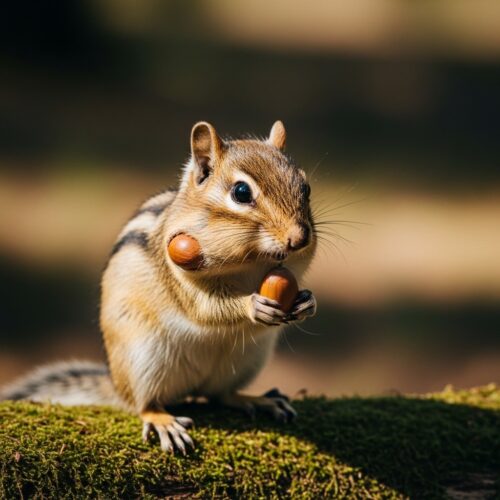
Chipmunks are fascinating little creatures, and their omnivorous nature plays a key role in their survival. This means they eat both plants and animals, giving them a varied diet that helps them thrive in different environments.
What Makes Chipmunks Omnivores?
Being an omnivore means chipmunks can consume a wide range of foods. This flexibility is an evolutionary advantage. It allows them to adapt to seasonal changes and food availability.
Here are some examples of their diet:
- Plant-based foods: Nuts, seeds, fruits, and grains.
- Animal-based foods: Insects, worms, and even small vertebrates.
This diverse menu means chipmunks can find food year-round, whether they’re foraging in the spring or hibernating in the winter.
The Importance of a Varied Diet
A varied diet is crucial for chipmunks. It provides essential nutrients that support their health and energy levels. Here’s why it matters:
- Nutritional balance: Each food group offers different vitamins and minerals. For instance, nuts provide fats, while fruits supply sugars and hydration.
- Energy for foraging: A mix of proteins and carbohydrates helps chipmunks maintain their energy while they search for food.
- Seasonal adaptation: Chipmunks change their eating habits based on what’s available. In spring and summer, they focus on fresh fruits and insects. In fall, they stock up on calorie-dense nuts and seeds for winter.
Chipmunks and Food Storage
Chipmunks are natural hoarders. They gather food during abundant seasons and store it for leaner times. This behavior ensures they have enough to eat, even in winter months when fresh food is scarce.
Understanding their omnivorous diet and food storage habits can help you create a more chipmunk-friendly environment in your backyard. Offering a variety of foods can attract these adorable critters, making your garden a lively place!
Types of Foods Chipmunks Eat
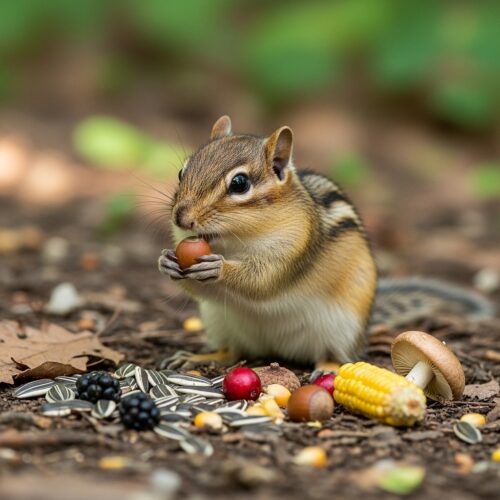
Chipmunks have a varied diet that includes both plant and animal matter. They are omnivorous, which means they munch on a little bit of everything! Here’s a closer look at what these adorable little critters enjoy.
1. Nuts and Seeds
Nuts and seeds are the star players in a chipmunk’s diet. Chipmunks love to stash away these calorie-rich treasures for winter. Here are some favorites:
- Acorns: High in fats, acorns are like chipmunk candy. They provide energy and nutrients.
- Sunflower seeds: These are a delightful treat packed with healthy fats and protein.
- Pine nuts: Rich in vitamins and minerals, pine nuts are a nutritious option for chipmunks.
2. Fruits and Berries
Fruits and berries are especially popular during warmer months. They offer hydration and essential vitamins. Chipmunks enjoy:
- Berries (like strawberries and blueberries): These juicy treats are full of antioxidants.
- Apples: A crunchy favorite, apples provide fiber and hydration.
- Grapes: Sweet and juicy, grapes are a fun snack but should be given in moderation.
3. Insects and Small Animals
Yes, chipmunks enjoy a bit of protein too! They’ll snack on insects and even small animals when available. This helps balance their diet. Common options include:
- Mealworms: A protein powerhouse, mealworms are a great occasional treat.
- Crickets: These crunchy critters offer essential nutrients.
- Small invertebrates: Chipmunks will munch on worms and other tiny creatures when they can find them.
Nutritional Breakdown
Incorporating a variety of these foods helps ensure chipmunks get a balanced diet. Here’s a quick checklist of their nutritional benefits:
- Nuts and seeds: High in fats and energy.
- Fruits and berries: Rich in vitamins and hydration.
- Insects: Provide essential proteins.
By understanding their food preferences, you can create a chipmunk-friendly environment in your yard. Stock up on their favorite snacks, and you might just see more of these little foragers!
Seasonal Dietary Changes of Chipmunks
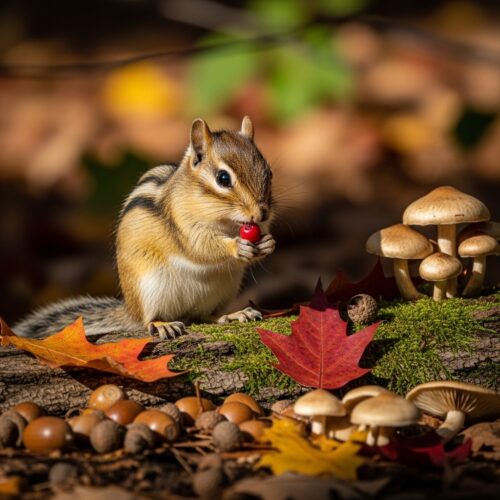
Chipmunks are clever little foragers, and their diets change with the seasons. These shifts happen for a couple of reasons: availability of food and their biological needs.
Spring and Summer: Protein Power
In spring and early summer, chipmunks focus on foods high in protein. This helps them recover from winter and prepare for breeding. They tend to munch on:
- Insects: Mealworms, beetles, and other small critters.
- New plant growth: Fresh greens and young shoots.
These foods are crucial as they provide the energy chipmunks need to thrive during these active months.
Fall: Storing Up for Winter
As summer fades into fall, chipmunks switch gears. They start gathering high-fat foods to build up their winter stash. Their favorites include:
- Nuts: Acorns and hickory nuts for energy.
- Seeds: Sunflower seeds and pumpkin seeds are also popular.
This is all about preparing for the colder months when food becomes scarce. Chipmunks will store these items in their burrows to snack on later.
Winter: The Survival Diet
During winter, chipmunks experience a state of torpor. They don’t hibernate deeply but do slow down. They wake up periodically to eat from their stored food. Their diet during this time consists primarily of:
- Stored nuts and seeds: These are energy-dense and resist spoilage.
- Occasional bugs: If they can find them, they’ll take advantage of any protein source available.
Here’s a quick seasonal chart to visualize their dietary changes:
| Season | Food Focus | Key Foods |
|---|---|---|
| Spring | Protein-rich foods | Insects, young plants |
| Summer | Variety of foods | Fruits, seeds, insects |
| Fall | High-fat, high-carb foods | Nuts, seeds, dried fruits |
| Winter | Stored food | Nuts, seeds, occasional insects |
Understanding these seasonal shifts can help you create a chipmunk-friendly environment in your yard. By offering a variety of foods throughout the year, you can attract these delightful little creatures!
Foraging Behavior and Food Storage
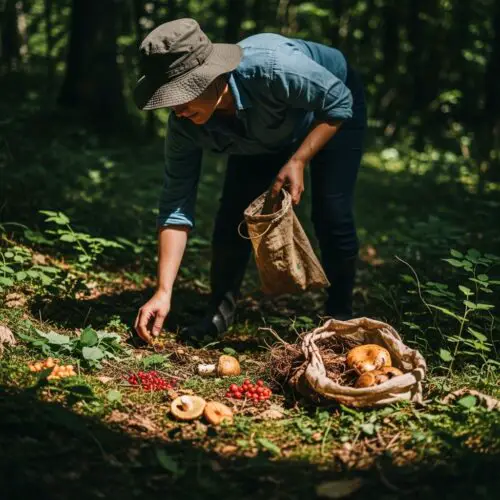
Chipmunks are expert foragers. They have clever strategies for finding and storing food, especially for winter. Let’s dive into how they do it!
How Do Chipmunks Gather Food?
Chipmunks use their cheek pouches to collect food efficiently. These pouches can hold a surprising amount—almost the size of their heads! This helps them gather multiple food items at once, minimizing exposure to predators.
- Foraging Techniques: Chipmunks often search in the morning or late afternoon. They rely on a mix of sight and scent to locate food.
- Diverse Diet: Their meals include nuts, seeds, fruits, and even insects. They adapt their diet based on what’s available in their environment.
Food Storage Habits
Once chipmunks gather enough food, they need a place to store it. This is where their burrowing skills come into play.
- Larder Hoarding: Chipmunks store a bulk of their food in a main chamber called a larder. Here, they keep long-lasting foods like nuts and seeds.
- Scatter Hoarding: They also bury smaller amounts of food in various locations. This not only helps them during winter but also aids in seed dispersal.
Why Is Food Storage Important?
Food storage is vital for chipmunks’ survival. During winter, when food is scarce, they rely on their carefully hoarded supplies.
- Survival Strategy: Chipmunks can access their stored food without having to venture far from home, reducing their risk of predation.
- Ecological Role: By burying seeds, chipmunks contribute to plant growth and biodiversity in their habitats.
Understanding these foraging behaviors helps us appreciate chipmunks more. They’re not just cute little critters; they play a significant role in their ecosystems!
Foods Chipmunks Love: Top 21 Items
Chipmunks are little foragers with a big appetite! They enjoy a variety of foods that provide essential nutrients. Let’s dive into the top 21 foods chipmunks love and see what makes each one special.
Nutty Delights
1. Acorns: Packed with fats and proteins, acorns are a fall favorite. They provide lasting energy through winter.
2. Walnuts: These are energy-dense and loaded with healthy fats. Perfect for a chipmunk’s high-energy lifestyle.
3. Hazelnuts: Another nutty treat, hazelnuts offer both taste and nutrition. Chipmunks stash these for later!
4. Pine Nuts: Small but mighty, pine nuts are high in calories. Great for a quick energy boost.
Fruity Treats
5. Blackberries: These juicy berries are rich in antioxidants. Chipmunks can’t resist their sweet flavor.
6. Raspberries: Another berry favorite, raspberries are hydrating and nutritious. Ideal for summer snacking!
7. Blueberries: Full of vitamins and minerals, blueberries are a tasty choice. They’re also low in calories.
8. Apples: Sliced apples provide hydration and fiber. Just be sure to remove the seeds!
Seed and Grain Snacks
9. Sunflower Seeds: High in fat and protein, these seeds are a chipmunk’s go-to snack. They love to munch on them!
10. Corn: A staple in many chipmunk diets, corn is full of carbohydrates. It helps power their active lifestyle.
11. Oats: A nutritious grain, oats are easy to digest. Chipmunks often find them in gardens and fields.
12. Wheat: Another grain they enjoy, wheat provides energy. It’s commonly found in farmlands.
Green Goodies
13. Clover: This leafy treat offers both nutrition and hydration. Chipmunks munch on clover in spring and summer.
14. Dandelion Greens: Rich in vitamins, these greens are a springtime favorite. Chipmunks love their bitter taste.
Protein Picks
15. Insects: Though not a primary food, chipmunks do eat insects for extra protein. They’ll munch on bugs if they can find them!
16. Mealworms: A great source of protein, mealworms are a tasty treat in captivity. Chipmunks benefit from the nutrients they provide.
Unique Treats
17. Peanuts: While not wild food, peanuts are a popular snack in backyards. They’re high in fats and protein.
18. Pumpkin Seeds: These seeds are a crunchy delight. They offer healthy fats and are easy to store.
19. Carrots: Raw carrots are crunchy and full of beta-carotene. Chipmunks enjoy nibbling on them.
20. Sweet Potatoes: Cooked sweet potatoes are rich in vitamins. Chipmunks can enjoy these too, but it’s best to mash them up.
21. Sultanas: These dried fruits are sugary and packed with energy. Chipmunks love the sweetness!
Nutritional Overview
Chipmunks thrive on a balanced mix of these foods. Nuts and seeds provide healthy fats, fruits offer hydration and vitamins, and greens supply fiber. Understanding their dietary preferences helps you attract these charming critters to your yard.
By providing a variety of foods, you can support their health and enjoy their playful antics. Remember, a balanced diet is key for chipmunks, just like it is for us!
What to Avoid Feeding Chipmunks
While chipmunks are cute and fun to watch, it’s important to know what foods can be harmful to them. Some common snacks might seem harmless, but they can actually be dangerous for these little critters.
Toxic Foods to Avoid
Here’s a list of foods you definitely shouldn’t give to chipmunks:
- Chocolate: Contains theobromine, which is toxic to chipmunks. Even small amounts can cause serious health issues like vomiting and seizures.
- Onions: These can damage a chipmunk’s red blood cells, leading to anemia.
- Avocado: Contains persin, which can be harmful and even fatal to chipmunks.
- Dairy Products: Chipmunks are lactose intolerant, and dairy can upset their stomachs.
- Processed Foods: Junk food is high in salt and sugar, which can lead to obesity and malnutrition.
- Citrus Fruits: While fruits are generally good, citrus can cause digestive issues for chipmunks.
Why These Foods Are Dangerous
Each of these foods poses specific risks. For example, chocolate can cause rapid heart rates and seizures. Onions and garlic can lead to serious blood issues. Processed foods can cause obesity, which is a growing concern for small animals.
A Quick Rule of Thumb
When it comes to feeding chipmunks, stick to their natural diet. If a food seems unhealthy for humans, it’s likely unhealthy for chipmunks too. Always prioritize fresh fruits, nuts, and seeds!
Feeding Chipmunks in Captivity
Feeding pet chipmunks requires understanding their unique dietary needs. Unlike their wild counterparts, domesticated chipmunks rely on you for a balanced diet. Here’s how to keep them happy and healthy.
What Should You Feed Your Pet Chipmunk?
A well-rounded diet is essential. Here’s a list of foods to include:
- High-Quality Pellets: Aim for 60-70% of their diet.
- Fresh Vegetables: Make up 20-30%. Think leafy greens, carrots, and bell peppers.
- Fruits: Limit to about 10%. Berries and apples are great choices.
- Nuts and Seeds: Offer these as treats in moderation.
- Protein Sources: Include mealworms or insects occasionally.
Sample Feeding Schedule
A consistent feeding schedule helps maintain your chipmunk’s health. Consider this simple guide:
| Time of Day | Food Type |
|---|---|
| Morning | 1/4 cup high-quality pellets |
| Midday | 1 tablespoon fresh veggies |
| Afternoon | 1/2 tablespoon fruits (optional) |
| Evening | 1 tablespoon nuts/seeds (treat) |
Foods to Avoid
Not all foods are safe for chipmunks. Here’s a quick checklist:
- Chocolate: Toxic and harmful.
- Onions and Garlic: Can cause blood issues.
- Processed Foods: Too high in sugar and fat.
Stick to natural foods to keep your chipmunk thriving. If it’s unhealthy for you, it’s likely unhealthy for them too!
Tips for Attracting Chipmunks to Your Garden
Want to invite chipmunks into your garden? It’s easier than you think! With the right plants and setup, you can create a welcoming environment for these little critters.
Choose the Right Plants
Chipmunks love a variety of plants. Here are some favorites to consider:
- Nuts: Plant oak or hazelnut trees. Chipmunks will enjoy the acorns and nuts.
- Berries: Blueberries and raspberries are irresistible snacks.
- Seeds: Sunflowers are a great choice. They attract chipmunks while adding beauty to your garden.
- Vegetables: Consider planting squash or carrots. Chipmunks will happily munch on these!
Create Hiding Spots
Chipmunks need places to hide and feel safe. Here are some ideas:
- Rock Piles: Stack rocks in a corner. It creates a cozy spot for chipmunks.
- Dense Shrubs: Plant thick bushes around your garden. They provide cover and food.
- Mulch Areas: Use mulch to create a soft surface. It’s a perfect hiding spot for chipmunks.
Set Up Feeding Stations
If you want to give chipmunks a treat, set up a feeding station:
- Use Shallow Dishes: Fill them with seeds or nuts. It’s a quick way to attract them.
- Keep It Clean: Change food regularly to avoid spoilage.
- Location Matters: Choose a quiet spot away from heavy traffic. Chipmunks prefer peace while they snack.
By following these tips, you can create a chipmunk-friendly garden that makes these adorable creatures feel right at home!
Why Chipmunks Are Considered Pests
Chipmunks can be cute, but they often cause trouble in gardens. Their appetite for various plants makes them unwelcome visitors. Here’s why they’re considered pests and how to manage them.
What Problems Do Chipmunks Cause?
Chipmunks love to munch on a variety of plants, which can lead to significant damage in gardens. Here are some common issues:
- Eating Your Crops: They often feast on fruits, vegetables, and flowers, which can be frustrating for gardeners.
- Digging: Chipmunks dig holes in gardens, disturbing roots and affecting plant health.
- Storing Food: They hoard food in the ground, which can lead to overpopulation and increased pest problems.
How to Manage Chipmunks in Your Garden
If you want to keep chipmunks at bay, here are some practical tips:
- Choose Unwelcome Plants: Consider planting herbs or flowers that chipmunks dislike. They often avoid strong-smelling plants like mint or marigold.
- Use Barriers: Create physical barriers like wire mesh around your garden beds to prevent digging.
- Set Up Traps: If necessary, use humane traps to relocate them. Always check local regulations first.
Understanding Chipmunk Behavior
Knowing how chipmunks behave can help you manage them better. They are:
- Omnivorous Foragers: They eat a mix of seeds, nuts, fruits, and insects. This diverse diet makes your garden an attractive target.
- Seasonal Eaters: In spring and summer, they focus on fresh produce. As winter approaches, they store food for later.
By understanding their eating habits and behaviors, you can create strategies that discourage them while keeping your garden thriving.
Common Problems with Feeding Chipmunks
Feeding chipmunks can be fun, but it’s not without its challenges. Here are some common problems you might face when feeding these little critters, whether in the wild or as pets.
Nutritional Imbalance
Chipmunks are omnivores, but they need a balanced diet. If you only feed them one type of food, like seeds or nuts, they might miss out on essential nutrients.
- Variety is Key: Offer a mix of fruits, vegetables, and proteins.
- Watch for Deficiencies: Lack of calcium can lead to health issues.
Attracting Unwanted Pests
Feeding chipmunks can attract other animals too. If you leave food out, you might end up with raccoons or squirrels stealing the show.
- Use Feeding Stations: Set up a designated area away from your home.
- Clear Away Leftovers: Remove any uneaten food to prevent attracting other wildlife.
Seasonal Changes
Chipmunks’ dietary needs change with the seasons. In spring and summer, they enjoy fresh fruits and veggies. In fall, they focus on storing nuts.
- Adapt Your Offerings: Provide food that’s seasonally appropriate.
- Monitor Availability: Keep a chart of what foods are best during each season.
| Season | Preferred Foods |
|---|---|
| Spring | Fresh fruits, tender veggies |
| Summer | Berries, insects |
| Fall | Nuts, seeds (for storing) |
| Winter | Dried fruits, stored nuts |
Foods to Avoid
Not all foods are safe for chipmunks. Some can be harmful or even toxic.
- Avoid Processed Foods: Junk food can lead to serious health issues.
- No Toxic Plants: Keep away from chocolate, caffeine, and certain fruits like avocados.
Feeding in Captivity
If you have a pet chipmunk, their needs might be different from their wild counterparts.
- Balanced Diet: Ensure you include calcium, protein, and vitamins.
- Consult a Vet: Always check with a veterinarian for the best dietary advice.
By keeping these common problems in mind, you can ensure a healthier and happier feeding experience for your chipmunks!
How Long Can Chipmunks Survive Without Food?
Chipmunks are resilient little critters, but they can’t go too long without a meal. Their survival depends on various factors like food availability and environmental conditions.
Food Scarcity and Survival
Chipmunks can survive for several days without food, but it isn’t ideal. Here’s what affects their survival during food scarcity:
- Metabolism: Chipmunks have a high metabolic rate. They need regular food to maintain energy.
- Body Fat: They store fat in their bodies. This fat can sustain them for a short time, but it won’t last long.
- Seasonal Changes: In winter, food is scarce. Chipmunks rely on their hoarded food. If they run out, survival becomes tricky.
Foraging Behavior
Chipmunks are expert foragers. They adapt their strategies based on their environment. Here’s how they find food:
- Nose to the Ground: They use their keen sense of smell to locate food.
- Memory: Chipmunks remember where they’ve stored food. This skill helps them retrieve it when needed.
- Opportunistic Eating: They’ll eat whatever is available, including seeds, fruits, and insects.
Managing Food Resources
Chipmunks take their food storage seriously. Here are their common practices:
- Hoarding: They gather and stash away food for winter.
- Rotating Supplies: They eat older food first to prevent spoilage.
- Foraging Regularly: Even when they have food stored, chipmunks forage daily to replenish their supplies.
Understanding these behaviors can help you know how to attract chipmunks or support them in your backyard effectively!
Do Chipmunks Like to Be Petted?
Chipmunks are cute little creatures, but they’re not exactly the cuddly pets you might hope for. Let’s dive into their social behavior and how they interact with humans.
Social Behavior of Chipmunks
Chipmunks are generally solitary animals. They prefer to keep their distance from humans. Here’s what you need to know about their behavior:
- Cautious Nature: Chipmunks are naturally wary of potential threats. They’ll often scurry away if they feel unsafe.
- Territorial: Male chipmunks can be quite territorial, especially during mating season. They will defend their space against other chipmunks.
- Communication: Chipmunks communicate through a series of chirps and whistles. These sounds help them alert others about danger or mark their territory.
Interaction with Humans
While chipmunks won’t cuddle up like a dog or cat, they can become accustomed to human presence, especially if they associate you with food. Here’s how to build trust with them:
- Feeding: If you leave food out, they may come closer. Offer foods they like, such as seeds or nuts (but avoid processed snacks).
- Patience is Key: Don’t rush them. Sit quietly and let them approach at their own pace.
- Observe from a Distance: Use binoculars to watch them without getting too close. This keeps them comfortable.
Tips for Attracting Chipmunks
If you want to see chipmunks up close, here are some tips:
- Create a Safe Space: Provide a quiet area in your yard with plenty of hiding spots.
- Offer Favorite Foods: Fill a feeder with their preferred snacks, like sunflower seeds or peanuts.
- Avoid Disturbances: Keep pets away and minimize loud noises to make them feel secure.
Chipmunks may not enjoy being petted, but with a little patience and the right approach, you can appreciate their quirky behavior right in your backyard!
Why Do I Never See Baby Chipmunks?
Baby chipmunks are adorable, but spotting them can be tricky. Several factors affect their visibility throughout their life cycle.
The Life Cycle of Chipmunks
Chipmunks have a fascinating life cycle. Here’s a quick breakdown:
- Birth: Baby chipmunks, called kits, are born in late spring. They’re blind and helpless, relying completely on their mother.
- Weaning: After about 6 weeks, they start to eat solid food, which includes seeds, fruits, and insects.
- Independence: By late summer, they’re ready to venture out on their own. However, they’re still learning how to forage effectively.
Factors Affecting Visibility
Several factors can influence whether you see baby chipmunks in your yard:
- Nesting Sites: Chipmunks often nest in hidden places like burrows or under bushes. This keeps their young safe from predators.
- Foraging Behavior: As they learn to forage, baby chipmunks stick close to their mother. They’re not as bold as adults, making them harder to spot.
- Seasonal Changes: Baby chipmunks are more active in late summer. If you’re not around during this time, you might miss them.
- Predator Presence: Fear of predators keeps baby chipmunks close to home. They’re cautious, which means they often stay out of sight.
Tips for Spotting Baby Chipmunks
If you want to increase your chances of seeing baby chipmunks, try these tips:
- Observe Quietly: Find a cozy spot and watch for movement. Patience is key.
- Look for Food Trails: Chipmunks leave little signs of their foraging. Look for disturbed soil or scattered seeds.
- Time Your Visits: Early morning or late afternoon is often when they’re most active.
By understanding their life cycle and behavior, you’ll have a better chance of spotting these cute little critters in your backyard!
Conclusion: Understanding Chipmunks and Their Diet
Chipmunks are fascinating little creatures with a diverse diet. Knowing what they eat can help us appreciate their role in the ecosystem and make our backyards more inviting for them.
Key Components of a Chipmunk’s Diet
Chipmunks are omnivores. Their diet includes:
- Nuts and Seeds: These are staples. Chipmunks love acorns, sunflower seeds, and pumpkin seeds.
- Fruits and Vegetables: They munch on berries, apples, and leafy greens.
- Insects: A source of protein, especially in warmer months.
- Grains and Fungi: They also forage for grains and various fungi.
Seasonal Dietary Changes
Chipmunks adjust their diet based on the seasons. Here’s a quick breakdown:
- Spring/Summer: They eat more fruits, vegetables, and insects.
- Fall: Focus shifts to calorie-rich nuts and seeds for winter storage.
- Winter: They rely on what they’ve stored, which can include various nuts and dried fruits.
Food Storage Habits
Chipmunks are natural gatherers. They store food in their cheeks and stash it in various locations. This habit is crucial for their survival during winter months when food is scarce.
Tips for Feeding Chipmunks in Your Yard
If you want to attract chipmunks, consider these tips:
- Provide a variety of foods: Nuts, seeds, and fruits are great options.
- Create a safe space: Make sure they have hiding spots to feel secure.
- Avoid harmful foods: Stay away from processed snacks or anything toxic to them.
By understanding their dietary needs, you can create an inviting environment for these charming little critters!
Frequently Asked Questions
These quick answers cover the most common questions about this topic, including key details, practical tips, and common concerns.
What food is irresistible to chipmunks?
Chipmunks are especially drawn to nuts, seeds, and berries. Acorns, sunflower seeds, and hickory nuts are among their favorites because they provide high energy. They also love sweet fruits like strawberries, blueberries, and apples, which offer hydration and vitamins. Offering these foods can attract chipmunks to your yard or feeding station.
How long can a chipmunk survive without food?
While chipmunks can survive several days without food, they rely heavily on stored fat and food hoards, especially in winter. Their high metabolism means they need regular access to food. Without it, they may become weak or stressed, but their ability to survive depends on their fat reserves and environmental conditions.
Do chipmunks like to be petted?
Generally, chipmunks are solitary and cautious animals. They do not enjoy being petted and may become stressed or defensive if approached too closely. However, in captivity or when accustomed to humans through consistent positive interactions, some may tolerate gentle handling. Still, they are not naturally social or cuddly pets.
Why do I never see baby chipmunks?
Baby chipmunks, or kits, are born in underground burrows and stay hidden for safety. They are born blind and helpless, relying on their mother. They stay close to the nest during early weeks, making them hard to spot. Their visibility increases as they grow and venture out later in summer.
What are the best foods to feed pet chipmunks?
For pet chipmunks, provide a balanced diet that includes high-quality pellets, fresh vegetables, fruits, nuts, and occasional insects like mealworms. Avoid processed foods, sugary snacks, and toxic items such as chocolate or onions. Regularly offering a variety of natural foods supports their health and mimics their wild diet.
How can I attract chipmunks to my garden?
Create a welcoming environment by planting nut and berry-producing trees like oaks and blueberries. Add dense shrubs and rock piles for hiding spots. Set up a feeding station with sunflower seeds, nuts, and dried fruits. Keep the area quiet and free from predators to encourage chipmunks to visit and stay.
What should I avoid feeding chipmunks?
Avoid giving chipmunks processed foods, chocolate, onions, garlic, and anything toxic like avocado. Dairy products can upset their stomachs. Also, steer clear of salty or sugary snacks, which can cause health problems. Stick to natural, unprocessed foods similar to their wild diet.
How do chipmunks store food for winter?
Chipmunks gather and stash food in their cheek pouches, then bury it in various locations like burrows or under leaves. They create a network of hidden caches, which they access during winter when fresh food is scarce. This food storage is vital for their survival during cold months.