
A rick of wood is a common measurement for stacked firewood, typically measuring 4 feet high by 8 feet long. Understanding its dimensions and cost is crucial for anyone looking to purchase firewood for heating or recreational use.
Table of Contents
Understanding What a Rick of Wood Is
A rick of wood is a popular way to buy firewood, especially for those who heat their homes or enjoy cozy fires. It’s important to know what a rick is, its dimensions, and how it compares to other measurements.
The Origin of the Term ‘Rick’
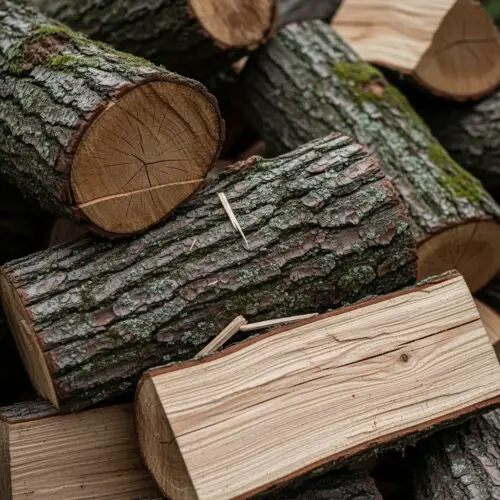
The term “rick” comes from an old English word meaning a stack. Traditionally, it referred to various types of stacked materials, including hay and straw. In the firewood world, a rick typically refers to a stack of firewood that is 4 feet high and 8 feet long. This measurement makes it easy to visualize how much wood you’re getting.
Typical Dimensions and Variations
A standard rick of wood measures 4 feet in height and 8 feet in length. The width can vary, often depending on the length of the individual logs. Here’s a quick look at how the log length affects the width:
- 12-inch logs: Approximately 1/3 of a cord, around 41.6 cubic feet.
- 16-inch logs: Roughly 42.66 cubic feet.
- 24-inch logs: About 64 cubic feet.
These variations are crucial. For example, a rick made with 12-inch logs is lighter and easier to handle, while a rick with 24-inch logs contains more wood but can be more cumbersome.
Rick vs. Face Cord: Are They the Same?
A rick is often confused with a face cord. While both are similar, they differ in width. A face cord is usually 4 feet high and 8 feet long but only 16 inches wide. In contrast, a rick can vary in width based on log size.
Here’s a simple breakdown:
- Rick: 4 feet high, 8 feet long, variable width.
- Face Cord: 4 feet high, 8 feet long, always 16 inches wide.
Understanding these differences helps you make informed decisions when purchasing firewood. Always clarify the dimensions when buying, so you know exactly what you’re getting.
How Much Does a Rick of Wood Cost?
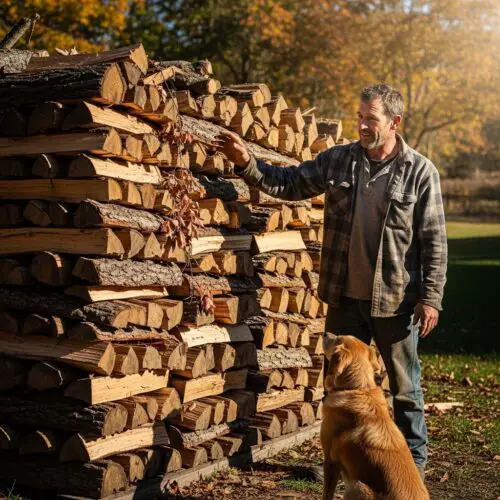
The cost of a rick of wood can vary quite a bit. It depends on factors like the type of wood, whether it’s seasoned or green, and your location. Let’s break it down.
Average Pricing Ranges
On average, you can expect to pay between $70 and $250 for a rick of wood. Here’s a simple table to give you a clearer view based on wood type and location:
| Wood Type | Price Range (per Rick) | Notes |
|---|---|---|
| Softwood | $70 – $150 | Usually cheaper and burns faster. |
| Hardwood | $150 – $250 | Provides more heat and burns longer. |
| Seasoned Wood | $70 – $120 | Dried and ready to burn efficiently. |
| Green Wood | $40 – $100 | Freshly cut, burns less efficiently. |
Factors Influencing Cost
Several factors can affect the price you pay for a rick of wood:
- Type of Wood: Hardwoods like oak are generally more expensive than softwoods like pine. They tend to burn longer and produce more heat.
- Seasoning: Seasoned wood costs more but burns better. Green wood is cheaper but won’t heat as effectively.
- Location: Prices can differ based on where you live. Urban areas often have higher prices due to demand.
- Supplier: Buying from professional suppliers usually ensures better quality and more wood content per rick.
Seasonal Price Fluctuations
Prices for firewood can change with the seasons. In colder months, demand spikes, which can lead to higher prices. Here’s a quick snapshot:
- Fall/Winter: Prices rise due to demand.
- Spring/Summer: Prices may drop as supplies increase.
Keep these factors in mind when planning your firewood purchase. Knowing the average costs and what influences them will help you get the best deal possible!
Measuring a Rick of Wood: Tips and Techniques
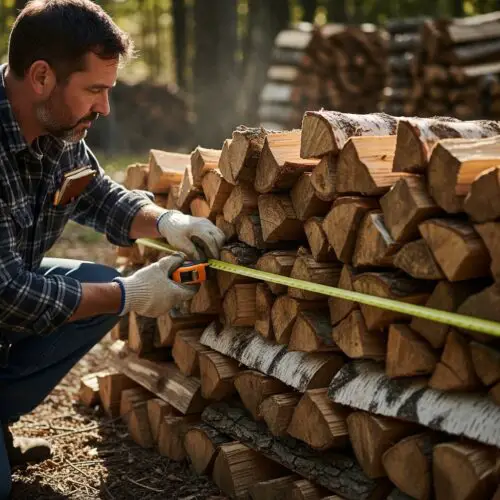
Measuring a rick of wood correctly is crucial for getting your money’s worth. It helps ensure you have enough firewood for your heating needs. Here are some handy tips and techniques to help you measure accurately.
How to Measure Your Stack
1. Know the Standard Dimensions: A typical rick is 4 feet high and 8 feet long. The depth can vary, usually from 12 to 24 inches. This affects the total volume.
2. Use a Measuring Tape: Measure the height, length, and depth of your stack. This will give you the exact dimensions.
3. Calculate the Volume: Multiply the height by the length and depth to find the volume in cubic feet. For example, a rick with 16-inch logs (1.33 feet) would have a volume of 42.66 cubic feet (4 x 8 x 1.33).
4. Assess the Wood Quality: Check for tightly packed logs. Less air space means more usable wood. Aim for 60-70% solid wood content for maximum heating efficiency.
Common Measurement Mistakes to Avoid
- Ignoring Log Length: Always confirm the length of the logs. Longer logs mean more wood volume.
- Overlooking Air Space: Remember that 30-40% of a rick’s volume can be air due to gaps in stacking. Tighter stacks yield better value.
- Neglecting to Measure: Don’t rely on the seller’s word. Always measure yourself to ensure transparency.
Checklist for Buyers
- [ ] Confirm dimensions: 4 feet high, 8 feet long, and check the depth.
- [ ] Measure log lengths: Are they standard (12-24 inches)?
- [ ] Assess wood quality: Look for tightly stacked logs.
- [ ] Calculate volume: Are you getting at least 32 cubic feet for a standard rick?
- [ ] Verify seller reputation: Are they known for quality and accurate measurements?
By following these tips and keeping this checklist handy, you’ll be well-equipped to measure and purchase your rick of wood with confidence.
Choosing the Right Type of Wood: Hardwoods vs. Softwoods

When it comes to firewood, not all types are created equal. Understanding the differences between hardwoods and softwoods will help you choose the right wood for your needs.
Benefits of Hardwoods
Hardwoods, like oak and maple, are dense and heavy. They burn slowly and produce a lot of heat, making them ideal for heating your home. Here are some key benefits:
- Longer Burn Time: Hardwoods can last longer in the fire, providing consistent heat for hours.
- Less Creosote: They produce less creosote, which means fewer chimney cleanings.
- Higher Heat Output: Hardwoods deliver more heat per rick, making them energy efficient.
For example, a rick of seasoned oak can keep your home warm throughout winter. It’s a smart choice if you want quality heat and less hassle.
Benefits of Softwoods
Softwoods, such as pine and fir, are lighter and easier to ignite. They have their perks too:
- Quick Ignition: Softwoods catch fire quickly, making them great for kindling.
- Less Expensive: Generally, softwoods are more affordable than hardwoods.
- Good for Outdoor Fires: They’re perfect for campfires or outdoor fire pits.
However, softwoods burn faster and produce more smoke. They might not be the best choice for indoor heating if you’re looking for long-lasting warmth.
Which is Best for Your Needs?
Choosing between hardwoods and softwoods depends on your specific needs. Consider these scenarios:
- For Indoor Heating: Go with hardwoods. They provide longer burn times and better heat retention.
- For Campfires or Quick Fires: Softwoods are your best bet. They ignite easily and burn quickly.
Here’s a quick checklist to help you decide:
- Heating Needs: Do you want warmth for longer periods? Choose hardwoods.
- Budget: Looking to save money? Softwoods might be the way to go.
- Usage Location: For outdoor gatherings, softwoods shine; for cozy indoor fires, opt for hardwoods.
By understanding these differences, you can make a more informed decision about your firewood purchases.
Common Issues When Buying Firewood
Buying firewood can be tricky. Many people run into common pitfalls that can lead to overpaying or getting less than they expected. Let’s break down some of these issues to help you make smarter choices.
Recognizing Seasoned vs. Unseasoned Wood
One of the biggest mistakes is confusing seasoned wood with unseasoned wood. Seasoned wood has been dried and is ready to burn. Unseasoned wood, on the other hand, contains a lot of moisture, making it harder to ignite and less efficient for heating.
- Benefits of Seasoned Wood:
- Burns hotter and longer.
- Produces less smoke.
- Reduces creosote buildup in your chimney.
- Risks of Unseasoned Wood:
- Requires more effort to burn.
- Can lead to increased chimney cleaning and maintenance.
Avoiding Overcharging: What to Ask Your Supplier
It’s essential to ask the right questions when buying a rick of wood. Here’s a handy checklist:
1. What type of wood are you selling? (Hardwood vs. softwood)
2. Is the wood seasoned? (Always clarify!)
3. What are the log lengths? (Standard is 16 inches but confirm)
4. Can you provide a weight estimate? (This helps understand density)
5. Is delivery included in the price? (Check for any extra fees)
Understanding Local Market Practices
Pricing for firewood can vary widely based on your location. Here’s a quick look at regional price variations:
| Region | Average Cost for a Rick |
|---|---|
| Northeast | $80 – $150 |
| Southeast | $50 – $100 |
| Midwest | $70 – $130 |
| West Coast | $90 – $160 |
Keep in mind that local market demand can influence these prices. Always compare prices from different suppliers in your area to get the best deal.
Final Thoughts and Buying Tips
Buying a rick of wood can be straightforward if you know what to look for. Here are some essential tips to help you make a smart purchase.
Recap of Essential Measurements
A rick of wood is typically 4 feet high and 8 feet long. The width can vary, but common depths are around 1 to 2 feet. Understanding these dimensions is crucial, as they affect how much wood you actually get.
- Log Lengths Matter: Logs generally range from 12 to 24 inches. The longer the logs, the more wood you’re likely to receive.
- Volume Calculation: A rick with 12-inch logs has about 32 cubic feet of wood. In contrast, a rick with 24-inch logs can yield up to 64 cubic feet.
Best Times to Buy Firewood
Timing can save you money! Here are some key points to consider:
- Off-Season Purchases: Prices often drop in the summer. If you can stock up before winter, you’ll likely find better deals.
- Bulk Buying: Consider purchasing a full cord if you burn wood regularly. It’s more economical than buying multiple ricks.
Where to Purchase Quality Firewood
Finding quality wood is just as important as knowing how much to buy. Here are some tips:
- Local Suppliers: Look for reputable local suppliers. They often stack their wood properly, ensuring less air space and more usable wood.
- Online Reviews: Check reviews or ask for recommendations. This can help you avoid subpar sellers.
Quick Buying Checklist
- Confirm the log lengths and dimensions.
- Ask about the wood type—hardwood typically burns longer and hotter than softwood.
- Inquire about moisture content; seasoned wood is more efficient than green wood.
- Evaluate the stacking method to ensure minimal air gaps.
By following these tips, you’ll be well-equipped to purchase a rick of wood that meets your heating needs without breaking the bank!
Frequently Asked Questions
These quick answers cover the most common questions about this topic, including key details, practical tips, and common concerns.
What is a good price for a Rick of wood?
A good price for a rick of firewood typically ranges from $70 to $150 for softwood and $150 to $250 for hardwood. Seasoned, high-quality wood costs more but burns more efficiently. Prices vary based on your location, wood species, and whether the wood is green or seasoned.
Is it better to buy a Rick or a cord of wood?
A cord of wood is a standard measurement of 128 cubic feet, whereas a rick is usually 32 to 64 cubic feet, depending on log size. If you need a larger quantity, a cord offers more value. For smaller needs or convenience, a rick is easier to handle and transport.
What is a rick of wood?
A rick of wood is a stack of firewood generally measuring 4 feet high by 8 feet long. The width can vary depending on log length and stacking method. It’s a traditional measurement used in many regions to estimate firewood quantity.
How long does a rick of wood last?
The duration depends on the type of wood, its moisture content, and your fire usage. Well-seasoned hardwood in a properly maintained fire can burn for several hours. A typical rick might last a few days for a small household if burned consistently.
When is the best time to buy firewood?
The best time to buy firewood is during the spring or summer when demand is lower, and prices tend to be cheaper. Buying early ensures your wood is properly seasoned before winter. Avoid purchasing in late fall when prices spike due to high demand.
Why is it called a rick of wood?
The term “rick” originates from an old English word meaning a stack. It refers to a neatly stacked pile of firewood. Historically, it was used for various materials, but in firewood, it describes a specific way of stacking logs for measurement.
How can I store my firewood properly?
Store firewood in a dry, well-ventilated area off the ground. Cover the top with a tarp or a roof to protect it from rain but leave the sides open for airflow. Proper storage prevents moisture buildup and keeps the wood seasoned and ready to burn.
What is the difference between seasoned and unseasoned wood?
Seasoned wood has been dried for at least 6-12 months, reducing moisture content to around 20%. It burns hotter, cleaner, and more efficiently. Unseasoned, or green wood, contains more moisture, making it harder to ignite and producing more smoke and creosote.