
Dealing with unwanted rocks in your yard can be a daunting task, but there are effective strategies to manage them. From repurposing to disposal, this guide outlines five smart methods to handle those pesky stones and improve your outdoor space.
Table of Contents
Understanding the Need to Remove Rocks from Your Yard
Rocks might seem harmless, but they can wreak havoc on your yard. Removing them is crucial for maintaining a healthy landscape and ensuring your garden thrives.
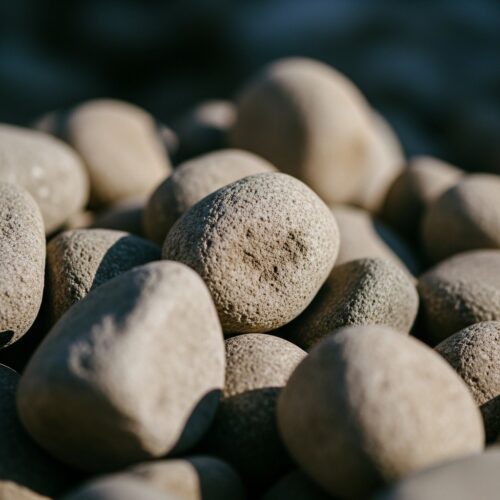
The Impact of Rocks on Soil Health
Rocks can create serious issues for your soil. They interfere with drainage, which can lead to water pooling. This excess moisture can suffocate plant roots and promote root rot. Did you know that having too many rocks can reduce soil aeration? This can stunt plant growth and decrease nutrient availability.
- Poor drainage: Rocks block water flow, causing soggy spots.
- Root suffocation: Roots can struggle to breathe through compacted soil.
- Nutrient deficiency: Less access to nutrients means weaker plants.
Aesthetic Considerations for Your Landscape
Beyond the health of your plants, rocks can impact the look of your yard. A yard cluttered with rocks can feel chaotic and uninviting. When you remove unwanted stones, you open up new possibilities for landscaping. You can create beautiful flower beds or lush lawns that enhance your outdoor space.
Imagine transforming a rock-laden area into a vibrant garden. The right landscaping can improve curb appeal and increase your home’s value.
Quick Checklist for Rock Removal Preparation
Before you dive into rock removal, here’s a quick checklist:
- Assess rock size: Determine whether you’ll need tools or if you can do it by hand.
- Gather tools: Consider a garden rock rake for efficient removal. Check Price on Amazon.
- Plan disposal: Research local disposal options or donation centers for repurposing rocks.
Removing rocks is more than just a chore; it’s essential for a thriving, beautiful yard.
5 Effective Techniques for Rock Removal
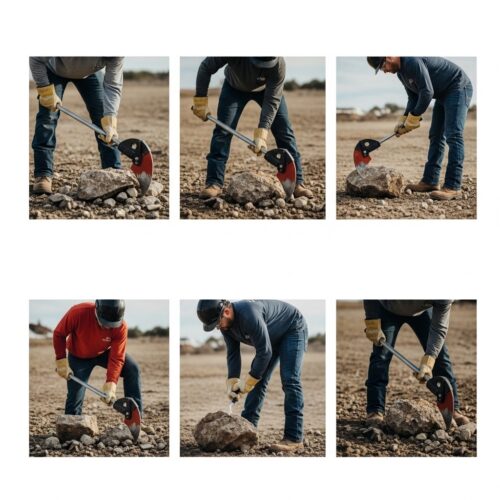
Got unwanted rocks in your yard? No worries! Here are five effective methods to tackle rocks of all sizes, from tiny pebbles to hefty boulders. Let’s get started!
Hand Tools for Small Rocks
For small rocks and pebbles, hand tools can do the trick. Here’s what you’ll need:
- Garden fork: Great for loosening soil and prying out small rocks.
- Hand rake: Perfect for gathering smaller stones into piles.
- Gloves: Protect your hands while digging.
Steps:
1. Use the garden fork to loosen the soil around the rocks.
2. Rake the area to pull smaller stones together.
3. Collect rocks into a bucket or wheelbarrow for easy disposal.
Power Tools for Larger Boulders
If those rocks are bigger, power tools will save you time and effort. Consider these options:
- Rototiller: Breaks up the soil and exposes larger rocks.
- Jackhammer: For stubborn boulders that won’t budge.
- Garden rock rake: Efficient for moving rocks once they’re loosened. Check Price on Amazon.
Steps:
1. Use a rototiller to break up the soil.
2. Identify large boulders and use a jackhammer if necessary.
3. Move the rocks to a designated area with the garden rock rake.
Professional Services for Heavy Lifting
When rocks are just too big or heavy, it might be best to call in the pros. Here’s when to consider hiring help:
- Too many rocks: If your yard looks like a rock quarry.
- Large boulders: For rocks that require heavy machinery.
- Time constraints: If you’re short on time and need quick removal.
Steps:
1. Research local landscaping services.
2. Get quotes and compare options.
3. Schedule the service for a hassle-free removal.
Checklist for Rock Removal Tools
Before you start, here’s a handy checklist for tools based on rock size:
| Rock Size | Recommended Tools |
|---|---|
| Small Pebbles | Garden fork, hand rake, gloves |
| Medium Rocks | Shovel, wheelbarrow, garden rake |
| Large Boulders | Rototiller, jackhammer, garden rock rake |
Use this checklist to ensure you have the right tools for your rock removal project. Happy digging!
Responsible Disposal Options for Rocks
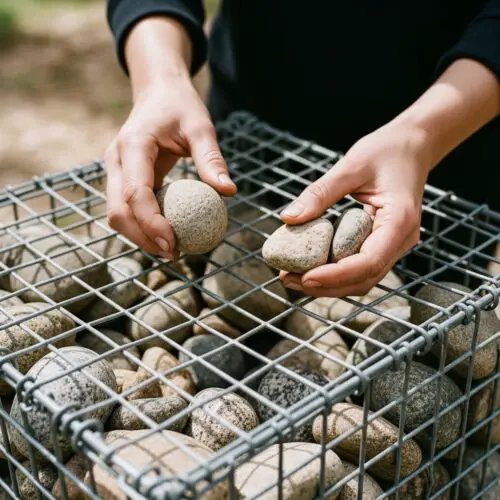
Dealing with unwanted rocks doesn’t have to be a hassle. There are several eco-friendly ways to dispose of them. Let’s look at some responsible options.
Donating Rocks to Local Landscaping Projects
Many local landscaping projects or community gardens would love to have your rocks. They can use them for pathways, borders, or decorative features.
- Check with Local Parks: Reach out to your city parks department. They might need rocks for landscaping.
- Community Gardens: These often look for materials to enhance their spaces. A quick call or email can connect you.
- Schools or Nonprofits: They may be working on outdoor projects and could benefit from your rocks.
Selling Rocks through Online Marketplaces
If your rocks are in good shape, consider selling them online. There are plenty of platforms where you can list them.
- Facebook Marketplace: Easy to use and connects you with local buyers.
- Craigslist: Post an ad in your local section.
- Nextdoor: A great app to reach neighbors who might need rocks for their own projects.
Understanding Landfill Regulations
Not all landfills accept rocks. Before you head to the dump, check their guidelines. Here are some things to consider:
| Landfill Type | Accepts Rocks? | Notes |
|---|---|---|
| Municipal Landfills | Sometimes | Call ahead to confirm. |
| Construction Debris Sites | Yes | Often more flexible on materials. |
| County Recycling Centers | No | Typically don’t accept rocks. |
Make sure to ask about fees, too. Some places might charge for disposal, while others could offer it for free.
Checklist for Safe Rock Disposal
Before you start removing rocks, here’s a quick checklist:
- Identify Rock Size: Know what you’re dealing with.
- Gather Tools: Make sure you have everything you need.
- Local Regulations: Research disposal options in your area.
- Consider Donations: Always check if someone else could use your rocks.
For heavy lifting, a Garden Rock Rake can be a lifesaver. Check Price on Amazon to make your task easier!
With these options, you can clear out your yard while being kind to the environment. Happy rock clearing!
Creative Ways to Repurpose Unwanted Rocks

Got unwanted rocks in your yard? Don’t toss them! You can turn those pesky stones into beautiful features for your landscape. Here are some fun and creative ways to repurpose those rocks.
Creating Decorative Pathways
Want to add charm to your garden? Use rocks to create a pathway! It’s simple and looks great. You can:
- Select Your Rocks: Choose flat, smooth stones for easy walking.
- Design Your Path: Lay them out in a pattern that suits your style.
- Fill Gaps with Gravel: This keeps the stones in place and adds texture.
Example: A homeowner transformed a boring backyard into a stunning garden path using river stones. It not only looks beautiful but also guides visitors through the garden.
Using Rocks for Erosion Control
Rocks can help prevent soil erosion. Here’s how to use them effectively:
- Build Retaining Walls: Stack larger rocks to create walls that hold back soil.
- Create Rock Gardens: Fill low spots with rocks to absorb rainwater and reduce runoff.
Tip: Use smaller stones in areas where water tends to flow to slow it down and protect your plants.
Incorporating Rocks into Garden Designs
Rocks can be a stylish addition to any garden. Here’s what to do:
- Focal Points: Place large boulders as statement pieces. They catch the eye and add depth.
- Plant Holders: Use flat stones to elevate plants. It creates visual interest and helps with drainage.
Real-Life Scenario: One gardener placed a large granite boulder in the center of her flower bed. It became a natural anchor, enhancing the overall aesthetic.
Quick Checklist for Repurposing Rocks
- Assess the Size: Know what type of project suits your rocks.
- Consider Safety: Wear gloves and sturdy shoes when handling.
- Think Aesthetics: Choose rocks that complement your garden’s colors and textures.
By repurposing unwanted rocks, you not only enhance your yard but also contribute to sustainability. So grab those stones and get creative!
Safety Considerations and Best Practices for Rock Removal
Removing rocks from your yard can be a big task. But safety should be your top priority. Here are some key tips to keep you safe while getting the job done.
Essential Safety Gear to Wear
Before you start, make sure you have the right gear. Here’s a quick list:
- Gloves: Protect your hands from sharp edges.
- Sturdy Shoes: Wear closed-toe shoes or boots for foot protection.
- Safety Glasses: Shield your eyes from debris.
- Dust Mask: Prevent dust inhalation, especially if you’re breaking rocks.
Wearing the right gear can make a big difference in preventing injuries.
Preparing Your Work Area
A clean work area is crucial. Follow these steps to prepare:
1. Clear the Space: Remove any debris, plants, or furniture near the rocks.
2. Mark Hazard Zones: Use cones or flags to identify areas where heavy rocks might fall.
3. Have Tools Ready: Gather tools like shovels, pry bars, and wheelbarrows before you start.
By preparing your area, you reduce the risk of accidents during removal.
Common Mistakes to Avoid
Avoid these common mistakes to ensure a smoother process:
- Lifting Incorrectly: Always lift with your legs, not your back. Bend at the knees.
- Ignoring Weather Conditions: Avoid rock removal in wet conditions. Slippery surfaces can lead to falls.
- Underestimating Rock Size: If a rock seems too heavy, don’t hesitate to ask for help or use tools.
Staying aware of these pitfalls can help you work more safely and efficiently.
Safety Checklist
Use this checklist before you begin:
- [ ] Wear gloves and sturdy shoes.
- [ ] Have safety glasses and a dust mask on hand.
- [ ] Clear your work area of debris.
- [ ] Mark hazard zones.
- [ ] Gather all necessary tools.
Following this checklist can help ensure a safe rock removal experience. Remember, safety first!
Frequently Asked Questions
These quick answers cover the most common questions about this topic, including key details, practical tips, and common concerns.
How to remove rocks from my yard safely and effectively?
You can remove rocks using different methods depending on their size. For small rocks, hand tools like shovels, rakes, and gloves work well. For larger boulders, power tools such as rototillers or jackhammers are more efficient. Always wear safety gear, prepare your work area, and lift properly to avoid injuries. When rocks are too heavy or numerous, consider hiring professional services.
Can I donate unwanted rocks, and how do I do it?
Yes, many community gardens, parks, or local nonprofits accept rocks for landscaping projects. Contact local organizations to see if they need rocks for pathways, borders, or decorative features. Donating rocks helps recycle materials and keeps them out of landfills. Always check with the organization beforehand to confirm their requirements.
How do I safely dispose of large boulders?
Disposing of large boulders typically involves contacting local disposal facilities or construction debris sites that accept heavy rocks. Some landfills or recycling centers may have restrictions or fees, so call ahead. For very large rocks, professional removal services can handle transportation and disposal safely. Always follow local regulations to ensure legal disposal.
What are the best methods for repurposing rocks in my yard?
Rocks can be used to create decorative pathways, build retaining walls, or serve as focal points in garden beds. Smaller stones are great for filling gaps or edging, while larger boulders add visual interest. Incorporate rocks into erosion control or as natural plant containers. Repurposing reduces waste and enhances your landscape’s aesthetic.
When should I consider hiring a professional for rock removal?
Hire professionals when rocks are too large to move safely, when there are many rocks to remove, or if you lack the proper tools. If your yard has heavy boulders, or if you’re pressed for time, professional services can ensure safe and efficient removal. They also have equipment to handle challenging terrain or large-scale projects.
What are the risks of leaving unwanted rocks in my yard?
Leaving rocks in your yard can cause drainage problems, soil compaction, and hinder lawn or garden growth. They can also pose tripping hazards or damage lawn equipment. Over time, rocks can interfere with landscaping plans and reduce property value. Removing them promotes healthier soil and a cleaner appearance.
How do I choose the right tools for different sizes of rocks?
Use shovels and hand rakes for small rocks and pebbles. For medium-sized stones, a sturdy shovel and wheelbarrow are effective. Large boulders may require power tools like rototillers or jackhammers. Always wear safety gear, and select tools suited for the size and weight of the rocks you’re handling.
Are there visual aids or diagrams available for rock removal techniques?
While this article doesn’t include diagrams, many online resources and landscaping guides offer step-by-step illustrations. Visual aids can help you understand proper lifting techniques, tool usage, and safety precautions. Consider consulting local landscaping professionals or instructional videos for detailed guidance.