
Unwanted rocks in your yard can be a nuisance, but there are six effective methods for managing them. Whether you’re looking to remove, repurpose, or dispose of these rocks, this guide provides comprehensive solutions tailored to your specific needs.
Understanding the Impact of Unwanted Rocks in Your Yard
Rocks can pile up in your yard for many reasons. They can be leftover from construction, natural deposits, or remnants of previous landscaping projects. While some rocks add character, too many can cause trouble for your plants and overall landscape.

Why Do Rocks Accumulate in Yards?
Rocks may come from various sources. Here are a few common reasons:
- Construction Debris: If you’re near a building site, leftover rocks can find their way into your yard.
- Natural Deposits: Some soils naturally contain rocks, especially in certain regions.
- Landscaping Remnants: Previous landscaping efforts might have left behind unwanted stones.
Understanding where the rocks come from can help you decide what to do with them.
Effects of Rocks on Your Yard
Rocks can impact both the aesthetic and ecological balance of your yard. Here’s how:
Table of Contents
- Plant Health: Excessive rocks can hinder root growth. They block water and nutrients from reaching plants. This can lead to poor plant health or even death.
- Drainage Issues: While some small rocks can improve drainage, too many can create a barrier. This can lead to water pooling and soil erosion.
- Aesthetic Appeal: A yard littered with rocks may look neglected. This can detract from your home’s overall appeal.
Decision Framework: Remove, Repurpose, or Dispose?
When faced with unwanted rocks, ask yourself these questions:
1. Are the rocks interfering with plant growth? If yes, consider removal.
2. Can the rocks be reused in landscaping? Think creatively—could they make a great border or pathway?
3. What’s the best disposal method? Local regulations may dictate how to get rid of rocks.
For effective removal, consider using a Rock Removal Tool Set from Amazon to make the job easier. Check Price on Amazon.
By understanding the impact of unwanted rocks, you can take informed steps to manage them in your yard.
6 Effective Methods for Removing Unwanted Rocks
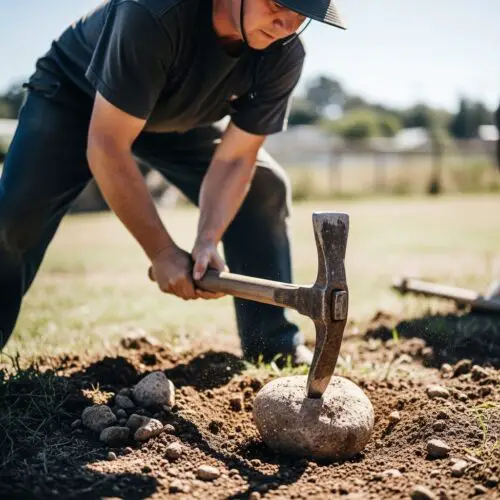
Dealing with unwanted rocks in your yard doesn’t have to be a headache. Here are six effective methods to help you tackle the issue, whether you prefer manual techniques or mechanical options.
Manual Removal Techniques
Manual removal is straightforward and often requires minimal tools. Here are some common methods:
- Shoveling: Use a sturdy shovel to scoop up loose rocks and gravel. This is best for small to medium-sized stones.
- Raking: A rake can help you sift through soil and gather smaller rocks. Just move it through the area, and the rocks will stick out.
- Picking: For larger rocks, you may need to use your hands or a pickaxe to break them free from the soil. This is labor-intensive but effective.
Pros and Cons of Manual Removal
| Method | Pros | Cons |
|---|---|---|
| Shoveling | Quick for loose rocks | Heavy lifting required |
| Raking | Great for fine rocks | Time-consuming for large areas |
| Picking | Precise for embedded stones | Physically demanding |
Mechanical Removal Options
If you have a lot of rocks or larger ones, mechanical methods might save you time and effort.
- Rototiller: Use a rototiller to break up the soil around embedded rocks. This makes it easier to pull them out.
- Rock Picker: A specialized rock picker can sift through the soil and gather rocks efficiently, especially for larger areas.
- Excavator: For major rock issues, consider renting an excavator. This is ideal for large properties with tons of rocks.
Pros and Cons of Mechanical Removal
| Method | Pros | Cons |
|---|---|---|
| Rototiller | Breaks soil and loosens rocks | Can miss smaller stones |
| Rock Picker | Fast and efficient | Requires some skill to operate |
| Excavator | Handles large volumes quickly | High rental cost |
Safety Tips During Rock Removal
Safety first! Here are some essential tips to keep in mind:
- Wear Gloves: Protect your hands from sharp edges.
- Use Proper Footwear: Sturdy boots can prevent injuries.
- Stay Hydrated: Taking breaks and drinking water is crucial, especially on hot days.
- Lift with Your Legs: Avoid back injuries by using your legs to lift heavy rocks.
By following these techniques and tips, you can effectively manage unwanted rocks in your yard. If you’re considering tools for the job, check out a Rock Removal Tool Set from Amazon to make your work easier. Check Price on Amazon.
Creative Ways to Repurpose Rocks in Your Landscaping
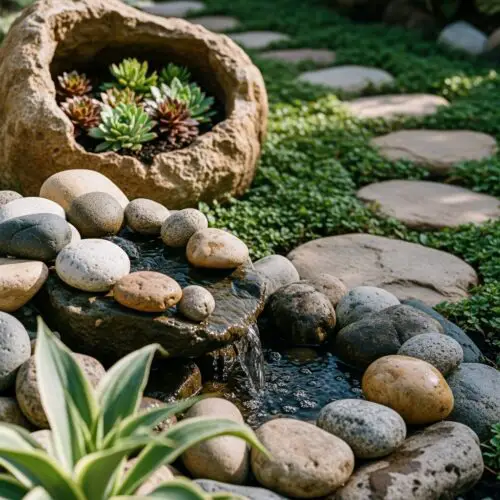
Unwanted rocks don’t have to be a nuisance. Instead, they can enhance your garden and add charm. Let’s explore some creative ways to use those rocks in your landscaping.
Using Rocks to Create Garden Pathways
Why not transform those stones into beautiful walkways? A rock pathway can lead visitors through your garden, adding both functionality and aesthetics.
- Choose Your Rocks: Select flat stones for a smooth surface.
- Design the Path: Lay them out in a pattern or a straight line, depending on your style.
- Fill Gaps: Use gravel or moss to fill in spaces between the stones for a cozy look.
Building Retaining Walls with Rocks
Retaining walls are not just practical; they’re also visually appealing. They help manage slopes and add structure to your yard.
- Select Larger Rocks: Opt for heavier stones that can withstand pressure.
- Stack Them Securely: Ensure each stone is stable as you build up.
- Consider the Environment: Use native stones for a natural look that blends with your landscape.
Incorporating Rocks into Water Features
Rocks can enhance your water features, creating a natural feel. Whether it’s a pond, fountain, or stream, they add texture and interest.
- Create Borders: Use rocks to outline your water feature.
- Build Cascades: Arrange stones to create small waterfalls for a soothing sound.
- Plant Around: Add aquatic plants or flowers around the rocks for vibrant color.
Unique Landscaping Ideas Using Rocks
Here are a few innovative ideas to inspire you:
- Rock Art: Paint rocks and place them in your garden for a splash of color.
- Planters: Hollow out larger rocks to create unique planters.
- Fire Pit: Use stones to build a rustic fire pit for cozy evenings.
These ideas not only help you repurpose unwanted rocks but also create stunning features in your yard. Don’t forget, if you need tools for rock removal, consider a Rock Removal Tool Set from Amazon to make your work easier. Check Price on Amazon.
Responsible Disposal Methods for Unwanted Rocks
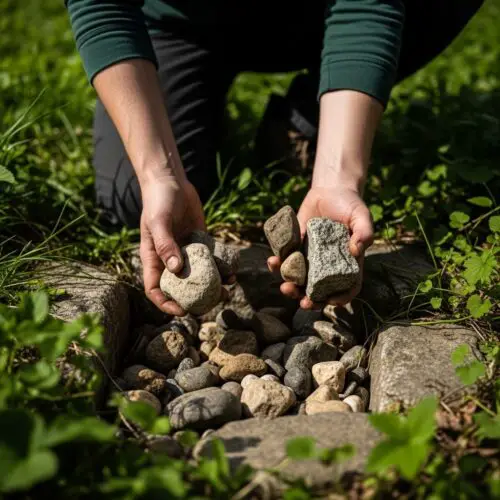
Dealing with unwanted rocks doesn’t have to be a hassle! Here’s how to responsibly dispose of them while keeping local guidelines in mind.
Donating or Selling Rocks
If your rocks are in good condition, consider donating or selling them. Here’s how you can do it:
- Local Landscape Supply Companies: Many will accept clean rocks for free or a small fee.
- Community Forums: Post on platforms like Facebook Marketplace or neighborhood groups. People often look for free materials for their projects.
- Garden Centers: Some may take rocks for their landscaping needs.
Local Landfill Guidelines
Before you toss those rocks in the trash, check your local regulations. Not all landfills accept rocks or construction debris. Here’s a quick checklist:
- Contact Your Local Landfill: Ask about their policies on rock disposal.
- Check for Fees: Some landfills may charge for disposal.
- Know the Types of Rocks Accepted: Ensure your rocks meet their guidelines.
Hiring Professional Disposal Services
When the rock pile gets too big, you might want to hire professionals. Here’s what to consider:
- Hauling Services: They can handle heavy lifting and remove rocks efficiently.
- Waste Dumpsters: Renting a dumpster can be a practical solution for larger quantities.
- Cost Considerations: Get quotes from different companies to find the best deal.
By following these steps, you can easily manage unwanted rocks in your yard while staying eco-friendly and compliant with local regulations!
Common Mistakes and Issues in Rock Removal
Removing unwanted rocks from your yard can feel overwhelming. Homeowners often trip over common pitfalls that can complicate the process. Let’s dive into those mistakes and how to avoid them.
Underestimating the Weight of Rocks
One big mistake is not realizing how heavy rocks can be. A single cubic yard of stone weighs between 2,400 and 2,800 pounds. This can lead to injuries or damage if you attempt to lift too much at once.
Checklist to Avoid Overloading:
- Estimate Rock Volume: Calculate how many rocks you’re working with.
- Use Tools Wisely: Employ a wheelbarrow for transport.
- Take Breaks: Don’t rush. Lifting heavy rocks can strain your back.
Ignoring Local Disposal Regulations
Another common issue is not checking local guidelines for rock disposal. Some landfills won’t accept rocks or have specific rules. Ignoring this can lead to fines or extra costs.
Quick Tips:
- Research Local Rules: Check with your city’s waste management.
- Ask Before You Toss: Contact local disposal sites to confirm what they accept.
Skipping Safety Gear
Safety is often overlooked during rock removal. Not wearing gloves or steel-toed boots can lead to injuries. Protecting yourself should be a top priority.
Essential Safety Gear:
- Gloves: To protect your hands from cuts and scrapes.
- Steel-Toed Boots: To shield your feet from heavy rocks.
- Eye Protection: If you’re using tools that could cause debris.
Failing to Plan for Large Boulders
If you have large boulders, it’s easy to underestimate the effort needed to move them. They may require special tools or professional help.
Decision Framework for Boulders:
- Assess Size and Weight: If a boulder is larger than you can manage, consider hiring help.
- Evaluate Tools Needed: Sometimes, a simple shovel won’t cut it. You might need a jackhammer or a winch.
By avoiding these mistakes, you can make your rock removal project smoother and safer. Whether you’re tossing a few small stones or tackling big boulders, planning ahead will pay off!
When to Hire a Professional for Rock Removal
Sometimes, the rock situation in your yard can feel overwhelming. Knowing when to call in the pros can save you time, effort, and maybe even a few sore muscles. Here’s a handy guide to help you decide.
Assess the Size and Type of Rocks
Not all rocks are created equal. Here’s how to tell if you need help:
- Small Rocks: If they fit easily in your hand, you can probably handle these on your own.
- Medium Rocks: If you need a partner to lift them or they’re awkward to carry, consider a tool rental or professional help.
- Large Boulders: If you can’t budge them or they weigh over 100 pounds, don’t risk injury. Call a professional.
Evaluate Your Tools and Skills
Do you have the right tools? Here’s a quick checklist:
- Shovel: Good for small to medium rocks.
- Rototiller: Helps to break up soil and expose hidden rocks.
- Jackhammer or Winch: Necessary for large boulders.
- Rake: Perfect for gathering loose gravel or smaller stones.
If you’re missing key tools or don’t feel confident using them, it’s time to hire someone who does.
Consider Time and Effort
Think about how much time you can dedicate to rock removal. Here’s a quick decision framework:
- Less Than a Day: If you can tackle the project in a few hours, go for it!
- A Whole Weekend: If it’s going to take longer and you’re not sure where to start, consider hiring help.
- Weeks of Work: If the project feels endless, bringing in professionals can save you a lot of headaches.
When to Call a Professional Service
Here’s a quick list of scenarios when hiring a pro is a smart move:
- You have heavy or large boulders that require specialized equipment.
- You’re dealing with a significant volume of rocks that you can’t move alone.
- You lack the tools or skills necessary for safe rock removal.
- You want to avoid potential injuries from heavy lifting.
By using this guide, you can make informed decisions about whether to go DIY or hire professionals. Remember, safety first!
Frequently Asked Questions
These quick answers cover the most common questions about this topic, including key details, practical tips, and common concerns.
What to do with landscaping rocks you don’t want?
You can remove unwanted landscaping rocks by manual methods like shoveling, raking, or picking. For larger quantities or embedded stones, mechanical tools such as a rototiller or rock picker are effective. Alternatively, repurpose the rocks in your yard as pathways, borders, or decorative features to add value and beauty.
What is the lawn tool that picks up rocks?
A common tool for picking up rocks is a rock picker or stone rake. These specialized machines or attachments are designed to sift through soil and gather rocks efficiently, especially in larger areas. Handheld versions, like sturdy rakes or grabbers, can also help for smaller jobs.
What can I do with all the rocks in my yard?
Rocks can be repurposed into garden pathways, retaining walls, water features, or decorative accents. You can also create rock art, build planters, or use them to edge flower beds. Repurposing helps reduce waste and enhances your landscape’s visual appeal.
How to dispose of unwanted stones?
Check your local waste management guidelines to determine proper disposal. Many landfills do not accept rocks, so you may need to hire professional hauling services or rent a dumpster. Alternatively, consider donating or selling usable rocks to landscaping companies or community members.
Can I donate unwanted rocks?
Yes, if the rocks are in good condition, you can donate them. Local landscape supply stores, community gardens, or neighbors working on projects often appreciate free materials. Posting on community boards or online marketplaces can also connect you with buyers or recipients.
What are common mistakes in rock removal?
Common mistakes include underestimating the weight of rocks, ignoring local disposal regulations, skipping safety gear, and not planning for large boulders. These can lead to injuries, legal issues, or incomplete removal. Proper planning and safety precautions are essential.
When should I hire a professional for rock removal?
Hire a professional if you face large or heavy boulders, lack the necessary tools, or have extensive rock removal needs. Professionals can safely and efficiently handle tough jobs, saving you time and reducing the risk of injury.
What is the best tool for picking up rocks?
A rock picker or stone rake is the most effective tool for gathering rocks from soil. For small to medium-sized stones, sturdy hand rakes, grabbers, or shovels work well. Using the right tool makes the process faster and safer.