
Tadpoles are the larval stage of frogs and play a vital role in pond ecosystems. Knowing what to feed these wriggly newcomers is essential for their growth and the health of your pond. This guide covers everything from their dietary needs to practical feeding tips.
Table of Contents
Understanding the Dietary Needs of Tadpoles
Tadpoles have different dietary requirements based on their species and developmental stage. Understanding these needs is key to keeping them healthy and thriving in your pond.
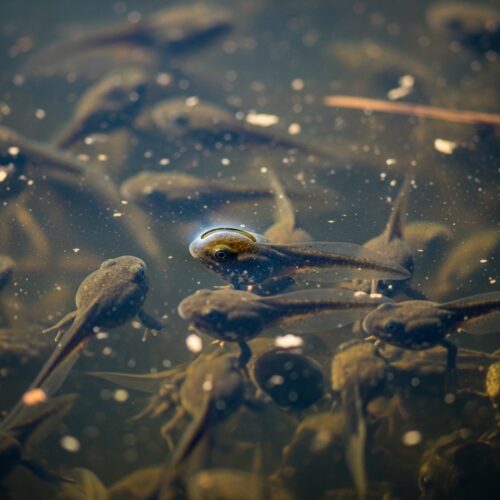
Dietary Stages of Tadpoles
Tadpoles go through several stages, each with distinct feeding habits.
- Early Stage (Hatching): Freshly hatched tadpoles are primarily herbivores. They munch on algae and biofilm, acting like tiny vacuum cleaners.
- Juvenile Stage: As they grow, they become omnivorous. They’ll still eat algae but also start nibbling on soft plant materials and small insects.
- Adult Stage: Before transitioning into frogs, they develop a taste for more protein-rich foods, such as mosquito larvae and other small invertebrates.
Common Food Sources for Tadpoles
Feeding tadpoles doesn’t have to be complicated. Here are some common food sources you can provide:
- Algae: Naturally occurring in ponds. Great for early-stage tadpoles.
- Aquatic Plants: Soft leafy plants like duckweed are a hit.
- Commercial Foods: Specially formulated foods like Aquatic Frog and Tadpole Food can be convenient.
- Insects: Small flies or mosquito larvae are perfect for older tadpoles.
Nutritional Needs by Species
Different tadpole species have varying nutritional needs. Here’s a quick comparison:
| Tadpole Species | Preferred Diet | Nutritional Needs |
|---|---|---|
| Common Frog | Algae, plants, small insects | High protein as they mature |
| Leopard Frog | Algae, detritus, insects | Balanced diet for growth |
| Bullfrog | Algae, aquatic insects | High protein for development |
By knowing these preferences, you can tailor their food to ensure a balanced diet, promoting healthy growth and contributing to a stable pond ecosystem.
Feeding tadpoles can be a rewarding experience. Just remember to monitor their growth and adjust their diet as they develop!
How to Feed Tadpoles: Best Practices
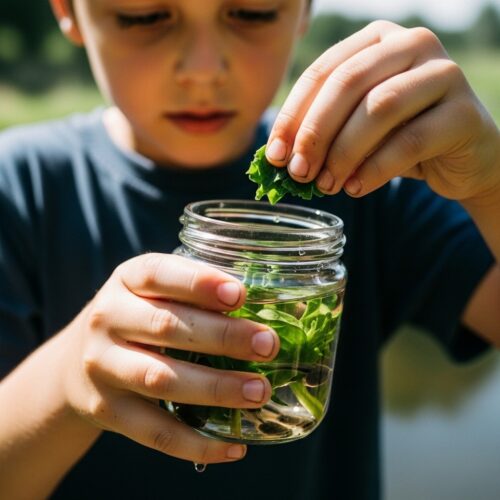
Feeding tadpoles can be fun and rewarding. The right food helps them grow strong and healthy. Let’s dive into the best practices for feeding these wriggly new guests!
Types of Food to Offer
Tadpoles are natural foragers, but you can supplement their diet. Here’s a quick list of great food options:
- Algae: A staple for many tadpoles. It’s nutritious and easy for them to digest.
- Aquatic plants: Soft leaves from plants like duckweed are perfect.
- Commercial tadpole food: Products like Aquatic Frog and Tadpole Food provide balanced nutrition.
- Small insects: As they grow, they may enjoy tiny insects or even mosquito larvae.
- Vegetable scraps: Boiled lettuce or spinach can also be a good treat.
Feeding Frequency and Amount
How often should you feed them? Here’s a simple guide:
- Young tadpoles: Feed them small amounts 1-2 times a day. They’re still developing and need consistent nutrition.
- Growing tadpoles: As they mature, increase feeding to 2-3 times daily. They’ll be more active and need more food.
- Monitor their appetite: Adjust the amount based on how quickly they consume what you offer. If food is left after a few hours, reduce the portion next time.
Best Feeding Techniques
Feeding tadpoles properly can enhance their growth and health. Try these techniques:
- Scatter food: Spread food around the pond surface to encourage natural foraging behavior.
- Observe feeding habits: Watch how they eat. This can help you gauge their preferences and adjust their diet.
- Maintain water quality: Remove uneaten food after a few hours to prevent water pollution. This keeps your pond clean and healthy.
Quick Checklist for Feeding Tadpoles
- [ ] Choose a variety of food types.
- [ ] Feed 1-3 times a day, depending on their age.
- [ ] Adjust food amounts based on consumption.
- [ ] Remove leftovers to maintain water quality.
By following these best practices, you can ensure your tadpoles thrive in their new home. Happy pond managing!
Impact of Tadpoles on Pond Ecosystem Health
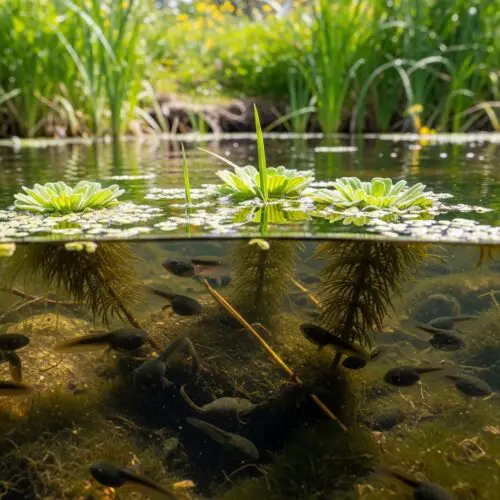
Tadpoles play a vital role in maintaining the health of your pond ecosystem. They contribute to nutrient cycling and help control algae growth, which keeps the water clear and supports other aquatic life.
Tadpoles as Algae Consumers
Tadpoles primarily feed on algae. This diet helps control algae blooms, which can otherwise overwhelm your pond. By munching on algae, they keep the water clean and oxygen-rich. A balanced population of tadpoles can reduce the need for manual algae removal, saving you time and effort.
Role in the Food Chain
Tadpoles are an essential food source for various predators, including fish and birds. Their presence supports a diverse food web. When tadpole populations are healthy, they help sustain the entire ecosystem. If their numbers drop, it can lead to an overgrowth of algae and a decline in water quality.
Effects on Water Quality
Tadpoles contribute to water quality in several ways:
- Nutrient Recycling: They help break down organic matter, which prevents nutrient overload.
- Oxygen Levels: By controlling algae, they maintain higher oxygen levels in the water, essential for other aquatic species.
- Sediment Disturbance: Their movement stirs the sediment, helping to aerate the pond.
Example Scenario
Imagine a pond with a thriving tadpole population. The algae remain under control, and the water stays clear. In contrast, a pond without enough tadpoles might struggle with murky water and excessive algae. This difference highlights how crucial tadpoles are for a balanced ecosystem.
For those wanting to enhance their tadpole feeding experience, consider using specialized food like Aquatic Frog and Tadpole Food. It can provide essential nutrients to support their growth and, in turn, the health of your pond.
Keeping an eye on tadpole populations can help you maintain a thriving pond ecosystem. Balancing their numbers is key to a healthy, vibrant aquatic environment!
Managing Tadpole Populations: When to Intervene
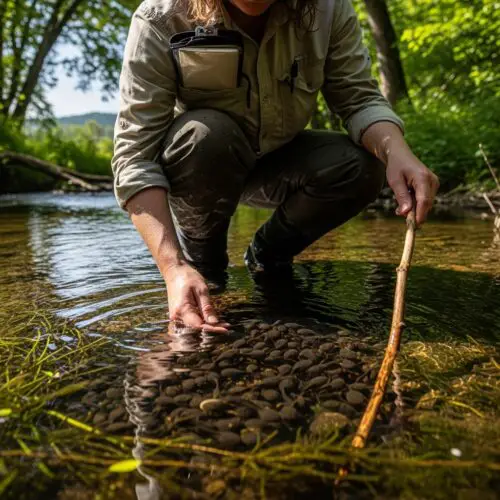
Tadpoles are adorable, but sometimes they can multiply faster than you expect. It’s essential to know when to step in and manage their population for the health of your pond.
Signs of Overpopulation
Overpopulation can quickly lead to issues in your pond. Keep an eye out for these signs:
- Excessive algae growth: More tadpoles can lead to more waste, causing algae to bloom.
- Cloudy water: If the water becomes murky, it might be a sign that too many tadpoles are competing for resources.
- Stunted growth: If tadpoles are not growing as they should, they may be competing for food.
- Reduced plant health: A surge in tadpoles can damage aquatic plants, affecting the whole ecosystem.
Management Strategies
If you notice signs of overpopulation, consider these strategies:
- Manual removal: Gently net out some tadpoles to keep their numbers in check. This is a hands-on approach but can be effective.
- Introduce natural predators: Adding fish that eat tadpoles, like koi or goldfish, can help manage their population naturally.
- Maintain water quality: Regularly check and maintain the water quality. Clean water supports healthy growth and keeps algae in check.
Natural Solutions vs. Chemical Treatments
When managing tadpole populations, aim for natural solutions first. Chemical treatments can harm your pond’s ecosystem. Here’s a quick comparison:
| Natural Solutions | Chemical Treatments |
|---|---|
| Supports biodiversity | Can harm other wildlife |
| Eco-friendly | May lead to chemical buildup |
| Encourages natural balance | Often a short-term fix |
Remember, if you’re unsure, it’s always best to let nature take its course unless the pond’s health is at risk. A balanced approach ensures your tadpoles grow into healthy frogs that benefit your pond ecosystem in the long run!
Seasonal Changes in Tadpole Feeding Habits
Tadpole feeding habits shift with the seasons and water temperature. Understanding these changes helps you manage your pond better and support your wriggly guests as they grow.
Spring: Hatching and Early Feeding
In spring, tadpoles emerge from eggs. They’re tiny and hungry. At this stage, they mostly feed on algae and decaying plant matter. This natural diet helps them grow strong.
- Feeding Tip: Provide a healthy pond environment. Ensure plenty of algae is present.
- Water Temperature: Warmer water (around 60°F to 70°F) boosts their metabolism, making them more active.
Summer: Growth and Dietary Shifts
Summer is when tadpoles really start to grow. They become larger and their dietary needs change. They still eat algae but also start munching on small plant bits and tiny insects.
- Feeding Tip: If natural food sources seem scarce, consider adding blanched vegetables like zucchini or spinach to the pond.
- Water Temperature: Ideal temperatures of 70°F to 80°F help support growth. Keep an eye on oxygen levels, as warmer water can hold less oxygen.
Fall: Preparing for Metamorphosis
As autumn arrives, tadpoles prepare for their transformation into frogs. Their eating habits shift again. They begin to eat less as they get ready to go through metamorphosis.
- Feeding Tip: Gradually reduce supplemental feeding. Allow them to rely more on natural food sources.
- Water Temperature: Cooler temperatures (around 60°F) signal it’s time for them to find shelter and prepare for the big change.
Quick Reference for Seasonal Feeding
| Season | Diet Focus | Feeding Tips | Water Temp Range |
|---|---|---|---|
| Spring | Algae & decaying matter | Ensure algae is abundant | 60°F to 70°F |
| Summer | Algae, plants & insects | Add blanched veggies if needed | 70°F to 80°F |
| Fall | Less feeding, prepare for frogs | Gradually reduce supplemental food | ~60°F |
By adjusting your feeding strategies with the seasons, you help create a thriving environment for your tadpoles. This not only supports their growth but also maintains the balance in your pond ecosystem.
Conclusion: The Essential Role of Tadpoles in Your Pond
Tadpoles are more than just cute little swimmers; they play a vital role in your pond ecosystem. Properly feeding and managing them helps keep your pond balanced and healthy.
Why Feeding Matters
Feeding your tadpoles correctly influences their growth and the overall health of your pond. Here’s why:
- Diverse Diet: Tadpoles start off munching on algae and decaying matter. As they grow, they shift to a more varied diet, including plants and small insects.
- Water Quality: Healthy tadpoles contribute to cleaner water by grazing on algae. They prevent overgrowth and promote a balanced aquatic environment.
- Ecological Balance: They serve as both predator and prey, maintaining a natural food chain. A balanced tadpole population supports the ecosystem surrounding your pond.
Tips for Managing Tadpole Populations
Keeping tadpole numbers in check is crucial. Here are some practical tips:
- Observe: Regularly check their population. If you notice overcrowding, consider thinning them out to prevent water quality issues.
- Feeding Decisions: Assess whether to feed them or let them forage. If natural food is lacking, a little supplemental feeding can help.
- Seasonal Adjustments: Adjust feeding based on the season. For example, reduce feeding in the fall as they prepare for metamorphosis.
Real-Life Example
Imagine a pond that thrives with a healthy tadpole population. The owner noticed clear water and vibrant plants. By managing tadpole numbers and providing a varied diet, they created a mini-ecosystem that flourished.
By keeping these factors in mind, you’ll ensure your pond remains a lively habitat for those wriggly new guests!
Frequently Asked Questions
These quick answers cover the most common questions about this topic, including key details, practical tips, and common concerns.
How to get rid of bloodworms in a pond?
Bloodworms are larvae of midge flies and can proliferate in nutrient-rich, stagnant water. To reduce their presence, improve water circulation and aeration, which discourages their breeding. Regularly remove organic debris and excess algae that provide breeding grounds. Introducing natural predators like certain fish species can also help control bloodworm populations naturally.
What does baking soda do in a pond?
Baking soda can help stabilize pond pH levels, especially if the water is too acidic. It acts as a buffer, preventing sudden pH swings that can harm aquatic life. However, use it carefully—adding too much can alter water chemistry significantly. It’s best to test your pond water before applying baking soda for pH adjustments.
What are the little wiggly things in my pond?
Those are likely tadpoles or insect larvae, such as mosquito larvae or bloodworms. Tadpoles are the larval stage of frogs and are harmless and beneficial for pond health. Insect larvae, like mosquito larvae, can be a nuisance but are also part of the aquatic food chain. Proper pond management can help keep their populations in balance.
What makes pond fish happy?
Healthy pond fish thrive in clean, oxygen-rich water with stable temperatures. They enjoy a varied diet that includes natural foods like insects, algae, and specially formulated fish food. Providing ample hiding spots with pond plants and maintaining good water quality also contribute to their well-being.
What do tadpoles eat in different stages of their life?
Early-stage tadpoles mainly eat algae and biofilm. As they grow, they begin nibbling on soft aquatic plants and small invertebrates. Mature tadpoles shift to more protein-rich foods like mosquito larvae. Adjust their diet accordingly to support healthy development through each stage.
How can I tell if my pond is healthy?
A healthy pond has clear water, abundant aquatic plants, and a balanced ecosystem. You should see a variety of wildlife, including insects, amphibians, and fish. Water tests should show stable pH, good oxygen levels, and low nutrient buildup. Regular monitoring helps maintain pond health.
What are the signs of overpopulation of tadpoles?
Overpopulation can cause murky water, excessive algae, and stunted tadpole growth. You may notice a decline in pond plant health and increased waste buildup. If tadpoles are crowding and competing for food, it’s a sign to consider population control measures.
Can tadpoles harm my pond plants?
Generally, tadpoles do not harm pond plants significantly. They may nibble on soft aquatic plants, but their feeding is usually not destructive unless populations are very high. Maintaining a balanced tadpole population helps prevent any potential damage to your pond vegetation.
How do I attract frogs to my pond?
Create a suitable habitat by adding native pond plants, shallow edges, and hiding spots like rocks or logs. Minimize disturbance and avoid chemicals. Frogs are attracted to ponds with clean water, abundant insects, and shelter, making your pond a welcoming environment for them.
What are the detailed effects of different water temperatures on tadpole development?
Warmer water temperatures (around 70-80°F) accelerate tadpole growth and metamorphosis. Cooler temperatures slow development, which can extend their larval stage. Extremely high temperatures risk oxygen depletion, stressing tadpoles. Maintaining a stable temperature within their preferred range supports healthy growth and timely metamorphosis.