
As of 2026, Angels Landing in Zion National Park remains a breathtaking yet perilous hiking destination. While many are drawn to its stunning views, numerous fatalities and safety concerns have raised serious questions about whether it’s worth the risk. This guide explores why I don’t recommend hiking Angels Landing this year.
Understanding the Risks of Angels Landing
Angels Landing is beautiful, but it’s also dangerous. In 2026, recent incidents have highlighted just how risky this hike can be. Here’s a closer look at the dangers.
Recent Fatalities
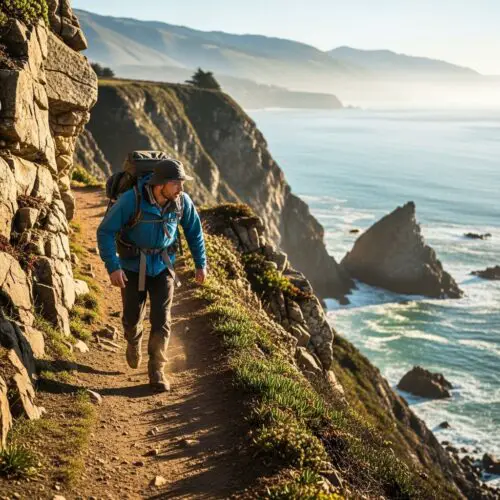
Tragedy has struck Angels Landing multiple times. In 2026 alone, there have been reports of a fatality, marking the first since 2024. This incident occurred along the treacherous chain section of the trail. Here’s a quick timeline of recent incidents:
- June 2024: A hiker fell from a cliff and was found unresponsive at Scout Lookout.
- April 2026: A hiker fell from the chain section, prompting a major recovery operation.
These fatalities serve as stark reminders of the risks involved.
Factors Contributing to Danger
Several factors make the Angels Landing hike particularly risky:
Table of Contents
- Steep Drop-offs: The trail features sheer drops of over 1,000 feet in some areas. One misstep can be fatal.
- Inexperienced Hikers: Many visitors underestimate the difficulty. Overconfidence can lead to dangerous situations.
- Weather Conditions: Sudden changes in weather can create unsafe conditions. High winds and rain can make the trail slick.
- Crowds: Despite a permit system limiting hikers, busy days can lead to congestion, increasing the chance of accidents.
Safety Tips for Hikers
If you decide to hike Angels Landing, preparation is key. Here are some essential tips:
- Know Your Limits: Assess your fitness level and experience honestly.
- Check Weather Reports: Always look at the forecast before heading out.
- Wear Proper Gear: Good hiking boots are a must. Avoid flip-flops or worn-out shoes.
- Stay Hydrated: Bring plenty of water to avoid dehydration, especially in hot months.
- Carry an Emergency First Aid Kit: Accidents can happen. It’s always best to be prepared. Check Price on Amazon.
By understanding these risks and taking precautions, you can make a more informed decision about hiking Angels Landing in 2026.
The Permit System: A Double-Edged Sword

The permit system at Angels Landing is designed to manage crowds and enhance safety. But, it comes with its own set of challenges.
How to Obtain a Permit
Getting a permit for Angels Landing is essential. Here’s how you can snag one:
1. Plan Ahead: You need to book your permit online. This can be done through the National Park Service website.
2. Lottery System: Permits are allocated through a lottery. This means you’ll have to apply in advance, especially during peak season.
3. Day-Of Permits: Some permits are available for same-day hiking. Check early, as these can fill up quickly!
4. Know the Rules: Make sure you understand the guidelines. Hiking without a permit can lead to fines and safety issues.
Effects of the Permit System on Safety
The permit system has its pros and cons when it comes to safety on the trail:
- Reduced Crowds: Limiting the number of hikers helps prevent congestion, especially in the narrow, chain sections where accidents are more likely to occur.
- Increased Awareness: With fewer people, hikers can focus more on the trail and their surroundings, reducing distractions.
- Potential Complacency: Some may feel overconfident with the reduced crowd size, leading to risky behavior. Remember, the trail is still dangerous, even with fewer hikers.
Key Takeaways
- The permit system aims to make Angels Landing safer by controlling crowd sizes.
- Always secure your permit ahead of time to avoid fines.
- Stay alert on the trail; fewer hikers doesn’t mean the risks disappear.
Being prepared is essential. Carrying an Emergency First Aid Kit is a smart move. Accidents can happen, and being ready can make all the difference. Check Price on Amazon.
Overcrowding: The Hidden Danger

Hiking Angels Landing is a bucket-list experience for many. But the crowds can turn a thrilling adventure into a stressful situation. Let’s break down how overcrowding impacts safety and the overall hiking experience.
Impact on Safety
When the trail is crowded, the dangers multiply. Here’s how:
- Limited Space: The narrow sections, especially near the chains, become even tighter. This forces hikers to navigate closely, increasing the risk of slips and falls.
- Increased Anxiety: More people mean more distractions. Hikers may feel pressured to rush or push through, which can lead to careless decisions.
- Emergency Access: In case of an accident, rescuers may struggle to reach those in need due to the sheer number of people on the trail.
For instance, I once encountered a situation where a hiker lost their footing right at the chain section. A group of us had to stop and help, but we were all crammed together. It wasn’t just stressful; it was dangerous. You can’t always predict how people will react in tight spots.
Crowd Control Measures
To address these issues, Zion National Park has implemented a permit system. This system aims to limit the number of hikers on the trail at any given time. Here’s what you should know:
- Permits Required: Make sure to secure your permit before your hike. This helps control the flow of people.
- Peak Times: Try to hike during off-peak hours, like early mornings or late afternoons. You’ll enjoy a safer and more peaceful experience.
- Stay Aware: Just because permits are in place doesn’t mean the risks vanish. Always stay alert, especially in crowded areas.
Remember, being prepared is crucial. Carrying an Emergency First Aid Kit is a smart move. Accidents can happen, and being ready can make all the difference. Check Price on Amazon.
By understanding the impact of overcrowding and following these safety tips, you’ll be better equipped for your hike on Angels Landing.
Safety Tips for Hiking Angels Landing
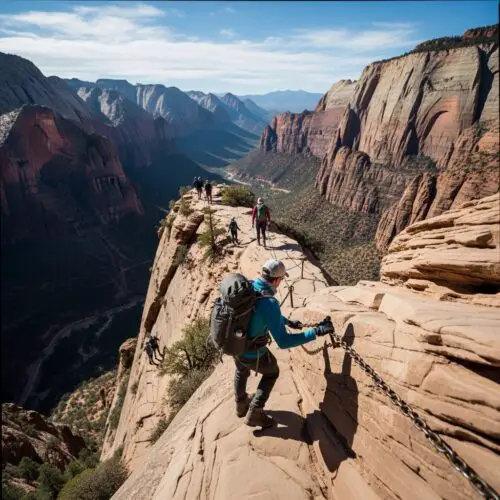
Hiking Angels Landing is thrilling, but safety should be your top priority. Here are some essential tips to help you navigate this iconic trail safely.
Essential Gear for Safety
Having the right gear can make a huge difference. Here’s a checklist of must-haves for your hike:
- Sturdy Hiking Boots: Choose boots with good traction. Avoid sandals or smooth-soled shoes.
- Water: Bring at least 2-3 liters per person. Stay hydrated!
- Snacks: Pack high-energy snacks to keep your energy up.
- Sun Protection: Don’t forget a hat, sunscreen, and sunglasses.
- Layers: Weather can change quickly, so dress in layers.
- Emergency First Aid Kit: Always be prepared for minor injuries or emergencies.
What to Do in an Emergency
If something goes wrong, it’s crucial to know how to react. Here are steps to consider:
1. Stay Calm: Panic can make things worse.
2. Assess the Situation: Check for injuries and the safety of your surroundings.
3. Use Your First Aid Kit: Address any injuries immediately.
4. Call for Help: If you’re in a serious situation, use your phone or signal for help.
5. Know Your Exits: Familiarize yourself with the trail layout. Know where to go for safety.
Know Your Limits
Before you even hit the trail, be honest about your abilities. If you’re not comfortable with heights or steep drop-offs, reconsider going beyond Scout Lookout. The view from there is still breathtaking and much safer.
By following these tips and preparing adequately, you can enjoy your hike while minimizing risks. Remember, safety is ultimately in your hands!
Comparing Angels Landing to Other Dangerous Hikes
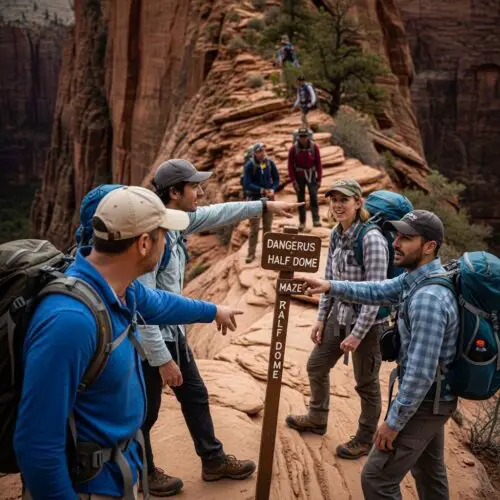
When it comes to hiking, not all trails are created equal. Angels Landing may have a bad reputation, but how does it stack up against other notorious hikes like Half Dome? Let’s break it down.
Fatalities: Angels Landing vs. Half Dome
Both Angels Landing and Half Dome attract adventurous souls. But they come with risks. Here’s a quick comparison of fatalities:
- Angels Landing:
- Known for its narrow ridges and steep drop-offs.
- Over the years, it has seen multiple fatalities, especially among inexperienced hikers.
- Half Dome:
- Offers a challenging ascent with a cable route.
- While it’s extremely popular, it’s also claimed lives, often due to falls or medical emergencies.
Key Risk Factors
Understanding the risks can help you make an informed decision.
- Elevation Gain:
- Angels Landing gains about 1,488 feet over 2.5 miles. It’s steep and strenuous.
- Half Dome has a total elevation gain of approximately 4,800 feet. It’s a long trek!
- Trail Conditions:
- Angels Landing’s chain section can be slippery, especially in wet weather.
- Half Dome’s cables can be daunting, particularly during peak season when crowds increase.
- Inexperienced Hikers:
- Both trails attract tourists who may not be prepared for the challenges. This can lead to accidents.
Why Choose One Over the Other
Deciding between these hikes? Consider your comfort level and experience.
- If you struggle with heights:
- Choose Angels Landing, but only go as far as Scout Lookout. The views are amazing without the risk.
- Looking for a challenge?
- Go for Half Dome, but ensure you’re in good shape and prepared for a long day.
Safety Checklist for Both Hikes
Before you hit the trail, keep this checklist in mind:
- Research the trail conditions: Check recent weather and any trail closures.
- Wear appropriate gear: Sturdy hiking boots are a must.
- Stay hydrated: Bring plenty of water.
- Know your limits: Don’t push yourself beyond your capabilities.
By comparing Angels Landing and Half Dome, you can make the best choice for your hiking adventure. Each has its unique dangers, but with the right preparation, you can enjoy the experience safely!
Personal Experiences: Why I Don’t Recommend It
Hiking Angels Landing can sound like an epic adventure. But after my experiences, I can’t recommend it. The risks are simply too high.
My First Encounter
The first time I attempted Angels Landing, I was excited. The views promised to be breathtaking. But as I reached the infamous chain section, anxiety kicked in. The drop-offs are steep, and one misstep could be disastrous. I remember gripping the chains tightly, my heart racing with every step.
I witnessed fellow hikers struggling. Some were visibly shaken. A few decided to turn back, and honestly, I wished I had too. The thrill of the hike turned into a test of my nerves. It wasn’t just the physical challenge; it was the mental strain that weighed heavily on me.
Lessons Learned
From that day on, I learned some valuable lessons about hiking safety and awareness. Here are a few key takeaways:
- Know Your Limits: Don’t push yourself if you feel uncomfortable. It’s okay to turn back.
- Stay Aware of Conditions: Weather can change rapidly. What seemed safe could quickly become dangerous.
- Trust Your Instincts: If something feels off, it probably is.
After hearing about recent incidents, including fatalities, I realized how crucial it is to respect the trail. The statistics are alarming, and they remind us that safety should always come first.
Hiking isn’t just about the destination; it’s about enjoying the journey safely. For me, Angels Landing is a hike best admired from a distance.
Alternatives to Angels Landing: Safer Hikes for 2026
If you’re looking for stunning views without the risks of Angels Landing, you’re in luck! Zion National Park offers several beautiful hikes that are safer and just as rewarding.
Top Alternatives
1. Scout Lookout
- Elevation: 1,100 feet
- Distance: 4 miles round trip
- Highlights: A fantastic viewpoint without the chains. Perfect for a picnic!
2. Observation Point
- Elevation: 2,148 feet
- Distance: 8 miles round trip
- Highlights: Breathtaking views of the canyon. The trail is well-maintained and less crowded.
3. Hidden Canyon
- Elevation: 850 feet
- Distance: 3 miles round trip
- Highlights: A less-traveled path with stunning rock formations. Great for those who enjoy a bit of adventure without the danger.
4. Weeping Rock Trail
- Elevation: 100 feet
- Distance: 0.5 miles round trip
- Highlights: A short, easy hike leading to a rock alcove with dripping springs. Perfect for families!
Benefits of Choosing Safer Trails
Opting for safer hikes comes with major perks:
- Less Stress: Enjoy the scenery without worrying about steep drops or crowded paths.
- More Exploration: Discover hidden gems that many tourists overlook.
- Family-Friendly: Many alternative trails are suitable for all ages and skill levels.
When you choose these safer options, you can focus on the beauty around you. Remember, hiking is about enjoying the journey as much as the destination!
Final Thoughts on Hiking Angels Landing in 2026
Hiking Angels Landing is an adventure, but it’s not without its risks. As we’ve seen, safety should always come first. Let’s break down the key points.
Summarizing the Risks
1. High Fatality Rate: Angels Landing has a history of fatalities. Recent incidents highlight the dangers hikers face, especially in 2026. The trail’s steep drop-offs and narrow paths can lead to accidents, even for experienced hikers.
2. Permit System: With the new permit system in place, managing crowds is a priority. However, just having a permit doesn’t guarantee safety. You still need to assess your comfort level and preparedness for the hike.
3. Natural Hazards: Weather can turn quickly in Zion National Park. High winds, flash floods, and rockslides are just a few dangers hikers must consider. Always check the forecast before your hike.
Making Informed Choices
- Know Your Limits: Assess your physical fitness and hiking experience. If you’re not comfortable with extreme exposure, this hike might not be for you.
- Preparation is Key: Bring the right gear. This includes sturdy shoes, plenty of water, and food. Also, consider carrying a first aid kit.
- Turn Back When Needed: If conditions feel unsafe, it’s okay to turn around. The views will still be there another day!
- Explore Alternatives: Zion has many beautiful trails that offer stunning views without the risks of Angels Landing. Consider hikes like the Riverside Walk or the Lower Emerald Pool Trail for a safer experience.
By staying informed and cautious, you can prioritize your safety while enjoying the beauty of Zion National Park.
Frequently Asked Questions
These quick answers cover the most common questions about this topic, including key details, practical tips, and common concerns.
How many deaths have occurred at Angels Landing?
As of 2026, there have been multiple fatalities on Angels Landing. Notably, in recent years, incidents in 2024 and 2026 involved hikers falling from the trail, especially near the chain section. Overall, the trail has a concerning incident history that highlights its dangers.
How risky is Angels Landing?
Angels Landing is considered highly risky due to steep drop-offs, narrow paths, and challenging conditions. Even experienced hikers can underestimate the trail’s hazards. Weather changes and overcrowding further increase the danger, making it essential to assess your comfort and skill level before attempting.
What are the odds of winning the lottery for Angels Landing permits?
The permit system at Zion National Park uses a lottery to allocate limited permits. The odds depend on the time of year and the number of applicants. During peak seasons, chances are slim, so early planning and applying well in advance improve your odds.
Which has more deaths, Angels Landing or Half Dome?
Both trails have recorded fatalities, but Half Dome has a longer history of incidents due to its longer and more strenuous ascent. Angels Landing’s deaths are concentrated around its narrow, exposed sections. The risk level for each depends on experience, weather, and safety precautions.
What makes Angels Landing so dangerous?
The trail features sheer cliffs, narrow ridges, and chains that require careful navigation. Sudden weather changes can make surfaces slick. Many accidents happen when hikers overestimate their abilities or rush through crowded sections, especially near the chain part.
What are safer alternatives to Angels Landing?
Zion offers several less risky hikes with stunning views, such as Observation Point, Scout Lookout, and the Riverside Walk. These trails are less exposed and suitable for a wider range of hikers, providing beautiful scenery without the extreme dangers.
How can I hike Angels Landing safely?
Preparation is key. Wear sturdy hiking boots, carry plenty of water, and check weather conditions beforehand. Know your limits and don’t push beyond your comfort zone. If conditions are unsafe or you feel uneasy, turn back. Carrying a first aid kit can also help in emergencies.
When is the safest time to hike Angels Landing?
The safest times are early mornings or late afternoons during cooler seasons. Avoid peak summer hours when crowds are larger, and trail conditions may be more hazardous due to heat and congestion. Always check weather forecasts before your hike.