
If your Blackstone griddle isn’t reaching the desired heat levels, there could be several causes. From gas supply issues to maintenance oversights, understanding these factors will help you troubleshoot effectively and get your griddle back to optimal cooking temperatures.
Understanding Your Blackstone Griddle
To troubleshoot your Blackstone griddle’s heating issues, it’s essential to understand how it works. This knowledge can help you pinpoint the problem quickly.
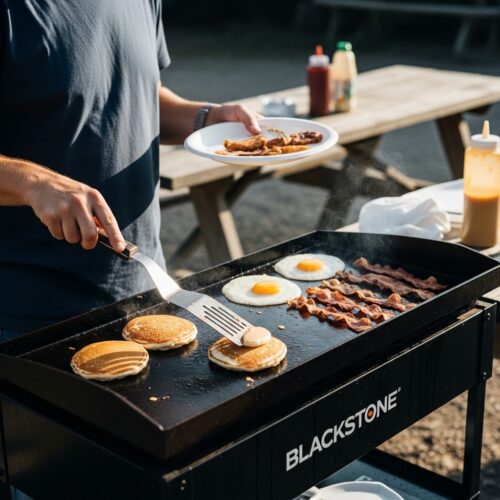
How Propane Fuels Your Griddle
Your Blackstone griddle runs on propane. This fuel is key to generating heat. Here’s how it works:
- Propane Tank: Stores the gas needed for cooking.
- Regulator: Controls the gas flow from the tank to the burners.
- Burners: Ignite the propane, creating flames that heat the griddle surface.
If any part of this system has an issue, it can cause heating problems. For instance, a faulty regulator might not deliver enough propane. If you notice weak flames or no flames at all, check the regulator and consider replacing it. Check Price on Amazon if you need a new one.
The Importance of Burner Efficiency
Burners are crucial for heat distribution. They should provide an even flame across the griddle. Here’s what to look for:
Table of Contents
- Cleanliness: Dirty burners can block gas flow. Regular cleaning is essential.
- Functionality: If a burner is damaged, it won’t heat up properly. Check for rust or cracks.
- Alignment: Ensure burners are positioned correctly for optimal heat.
For example, one user reported that after cleaning her burners, her griddle heated up in minutes. Regular maintenance can save you time and frustration.
Quick Checklist for Troubleshooting
- Check Propane Level: Ensure your tank isn’t empty.
- Inspect Regulator: Look for leaks or damage.
- Clean Burners: Remove any residue that could block flames.
- Test Ignition: Make sure the igniter sparks properly.
By understanding these components and doing a bit of maintenance, you’ll be on your way to cooking on a hot, efficient griddle again!
8 Common Reasons Your Blackstone Griddle Isn’t Heating Up
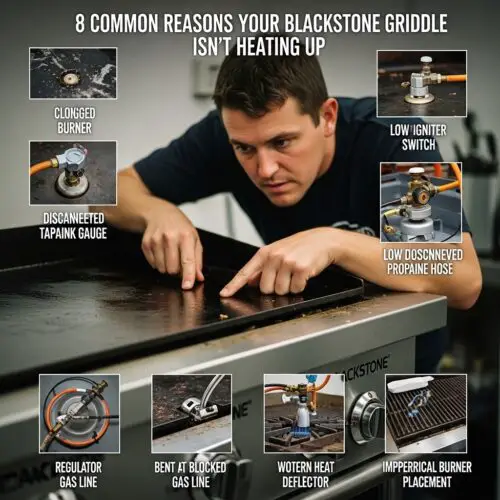
There’s nothing more frustrating than a cold griddle when you’re ready to cook. Let’s dive into some common culprits that might be causing your Blackstone griddle to underperform.
Low Propane Levels
First things first: check your propane tank. Low propane can lead to weak or no heat.
- Check the gauge: Is it showing empty?
- Test the connection: Make sure your tank is properly hooked up.
- User Tip: One owner found that simply refilling the tank solved all their heating issues.
Faulty Regulator
Next up is the regulator. This little device controls the flow of gas from the tank to the burners. If it’s faulty, you won’t get the heat you need.
- Signs of trouble: Look for leaks or damage.
- Check connections: A loose or worn-out regulator can mess with gas flow.
- Recommendation: If you suspect your regulator is the issue, consider a new one. You can find options like this Propane Regulator for Grills that are reliable.
Clogged Burners
Clogged burners can be a sneaky problem. If they’re blocked, the flames won’t distribute heat evenly.
- Inspect the burners: Look for dirt, grease, or food particles.
- Cleaning method: Use a brush or a pin to clear any blockages.
- Real-life example: One user reported a significant temperature increase after a good cleaning of the burners.
Environmental Factors
Sometimes, it’s not your griddle; it’s the environment. Windy or cold conditions can affect how well your griddle heats up.
- Wind barriers: Use a windscreen to shield your griddle from strong gusts.
- Cold surfaces: If your griddle is on a cold surface, it may take longer to heat up. Try placing it on a warm patio or deck.
Keeping these factors in check can help ensure your Blackstone griddle heats up efficiently and consistently. Happy cooking!
Step-by-Step Troubleshooting Guide

If your Blackstone griddle isn’t heating up, don’t panic! There are several common issues you can check to get it back to sizzling. Let’s dive into the troubleshooting steps.
Inspecting the Gas Supply
First things first, let’s ensure your griddle is getting the gas it needs. Here’s what to do:
1. Check the propane tank: Is it empty? If you’re not sure, try replacing it with a full one.
2. Inspect the gas line: Look for any kinks or leaks. A simple soap and water solution can help. If bubbles form when you spray it on connections, you’ve got a leak.
3. Secure connections: Make sure all connections are tight and free from corrosion.
Resetting the Regulator
Sometimes, the regulator can trip. This safety feature prevents gas flow issues. Here’s how to reset it:
1. Turn off the gas supply: Disconnect the propane tank.
2. Wait a few minutes: This allows the system to reset.
3. Reconnect the tank: Make sure it’s secure.
4. Turn the gas back on: Try igniting the burners again.
You might need a new propane regulator if the problem persists. Check Price on Amazon.
Cleaning the Burners
Dirty burners can lead to uneven heating or no heat at all. Here’s how to clean them effectively:
1. Turn off and cool down: Always ensure the griddle is off and cool.
2. Remove the griddle top: This gives you access to the burners.
3. Clear debris: Use a soft brush or cloth to remove food particles and grease.
4. Check the igniter: Ensure it’s connected properly and not damaged.
Regular cleaning can significantly improve heating performance. One user found that after a thorough cleaning, their griddle heated up much faster!
Quick Troubleshooting Checklist
- Gas Supply: Is the propane tank full? Are there leaks in the gas line?
- Regulator: Has it tripped? Did you reset it properly?
- Burners: Are they clean and free of blockages? Is the igniter in good shape?
By following these steps, you can troubleshoot your Blackstone griddle and get it heating like new again!
Maintenance Tips to Prevent Future Heat Issues
Keeping your Blackstone griddle well-maintained is key to avoiding heating problems. Regular upkeep helps ensure it performs at its best. Here are some essential maintenance practices to follow.
Regular Cleaning Techniques
Cleaning your griddle after each use is crucial. Here’s a simple checklist to keep in mind:
- Scrape the Surface: Use a spatula or scraper to remove food residue.
- Wipe Down: Use a damp cloth to clean the surface. This prevents buildup that can affect heat distribution.
- Clean Burners: Check and clean the burners regularly. Any blockages can disrupt gas flow.
- Inspect Control Knobs: Make sure they’re clean and functioning properly.
A user once shared that after implementing a regular cleaning routine, their griddle heated up more evenly and quickly. Consistent cleaning can make a noticeable difference!
When to Replace Components
Sometimes, cleaning isn’t enough. Keep an eye on these components:
- Burners: If they’re rusty or damaged, it’s time for a replacement.
- Igniter: If it’s not sparking, check for damage. If faulty, replace it.
- Regulator: A faulty regulator can cause gas flow issues. Replace it if it has tripped multiple times.
If you notice uneven heating even after cleaning, consider replacing these parts. It can restore your griddle to its former glory!
Seasoning Your Griddle Correctly
Seasoning is vital for maintaining a non-stick surface and preventing rust. Here’s how to do it right:
1. Clean Thoroughly: Make sure the surface is clean before seasoning.
2. Apply Oil: Use a high-smoke point oil like canola or grapeseed oil.
3. Heat the Griddle: Turn on the griddle and let it heat until the oil starts to smoke.
4. Cool Down: Once cooled, wipe off excess oil with a cloth.
Repeat this process regularly, especially if you notice sticking or rust. Proper seasoning helps maintain heat efficiency and prolongs your griddle’s lifespan.
Environmental Factors Affecting Griddle Performance
Weather conditions can have a big impact on how well your Blackstone griddle heats up. If you’re not getting the heat you expect, it might be time to consider the environment around you.
Impact of Cold Weather
Cold temperatures can seriously affect your griddle’s performance. When the air is chilly, it can take longer for your griddle to heat up. Here’s what you need to know:
- Heat Loss: A griddle will lose heat more quickly in cold conditions. The colder the air, the more energy your griddle needs to reach cooking temperatures.
- Pre-heat Time: Expect longer pre-heat times. In frigid weather, give your griddle an extra 10-15 minutes to warm up.
- Setup Location: Consider where you’re setting up. If your griddle is on a cold surface, like concrete, it can affect heat retention. Try to use a heat-insulating mat if possible.
How Wind Affects Heat Retention
Wind can also play tricks on your griddle’s ability to heat. It can blow away the heat your griddle generates and create uneven cooking surfaces. Here’s how wind impacts your cooking experience:
- Direct Exposure: If your griddle is in a windy spot, the flames might flicker or even blow out. This can lead to cold spots on your cooking surface.
- Windbreaks: Use windbreaks, like outdoor panels or even a simple tarp, to shield your griddle from gusts. This can help maintain consistent heat.
- Temperature Fluctuations: Be aware of temperature drops when the wind picks up. You might need to adjust your flame settings to compensate.
User Experiences
Many griddle owners have faced heating issues due to environmental factors. One user reported that after moving their griddle to a sheltered area, they noticed a significant improvement in heat retention. Another mentioned that cooking on a windy day required them to keep a closer eye on the flame, adjusting it frequently to maintain consistent heat.
Consider your outdoor conditions when using your Blackstone griddle. By understanding how cold weather and wind affect performance, you can troubleshoot heat issues more effectively.
Safety Precautions When Troubleshooting
When your Blackstone griddle isn’t heating up, it’s important to troubleshoot safely. Follow these guidelines to ensure your safety while you work on your griddle.
Recognizing Gas Leaks
Gas leaks can be dangerous. Here’s how to spot them:
- Smell: If you detect a strong propane odor, turn off the gas immediately.
- Soapy Water Test: Mix soap and water in a spray bottle. Spray it on the connections. If you see bubbles forming, there’s a leak.
- Listen: Pay attention for hissing sounds near the propane tank or connections.
If you suspect a leak, do not use the griddle until it’s fixed.
Safe Handling of Propane Tanks
Propane is flammable, so handle it with care. Follow these tips for safe usage:
- Check for Damage: Inspect the tank for dents or rust before use.
- Turn Off After Use: Always close the valve on the propane tank when you’re done cooking.
- Keep Upright: Store the tank upright and in a well-ventilated area.
- Avoid Heat Sources: Keep propane tanks away from heat sources or open flames.
In case of any issues, follow the manufacturer’s instructions for resetting the safety system. Remember, safety first!
When to Seek Professional Help
Sometimes, your Blackstone griddle might need a little extra TLC. If your troubleshooting efforts aren’t working, it’s time to call in the pros. Here are some signs that indicate you should seek professional help.
Signs of a Faulty Regulator
The regulator is a key part of your griddle’s heating system. If it’s malfunctioning, you might notice:
- Inconsistent Flame: If the flame flickers or goes out frequently, this could signal a regulator issue.
- Low Heat Output: If your griddle isn’t reaching the desired temperature, despite being on for a while, the regulator may not be supplying enough gas.
- Strange Odors: If you smell gas, turn off the griddle and check the connections. A faulty regulator could be to blame.
Persistent Heating Issues
If you’ve addressed common issues and your griddle still won’t heat up, consider these scenarios:
- Unresponsive Burners: If one or more burners aren’t heating at all, it might be time to replace them.
- Gas Supply Problems: Make sure your propane tank isn’t empty. If it’s full and you’re still having issues, you might need a professional to check the gas line.
- Repeated Safety Tripping: If the safety system keeps tripping, this could point to a deeper problem with the regulator or gas flow.
Checklist for Professional Help
1. Multiple Burners Not Heating: If more than one burner is malfunctioning, it’s a sign of a bigger issue.
2. Gas Leaks: Any signs of gas leaks should be addressed immediately by a technician.
3. Electrical Issues: If your griddle has electrical components and they’re not functioning, don’t attempt repairs yourself.
If you notice these symptoms, it’s best to reach out to a qualified repair service. They can help diagnose and fix the problem, ensuring your griddle is safe and ready for action.
Conclusion: Troubleshooting Your Blackstone Griddle
So, your Blackstone griddle isn’t heating up? Don’t worry! You’re not alone, and most issues can be fixed at home. Let’s wrap up what we’ve learned and how you can keep your griddle in top shape.
Key Troubleshooting Steps
1. Check the Gas Supply: Ensure your propane tank is full and the connections are tight.
2. Inspect the Ignition System: Make sure the igniter is functioning properly. If it clicks but doesn’t light, you might need to replace it.
3. Assess the Burners: Look for any blockages or dirt. A clean burner ensures even heating.
4. Examine the Regulator: If it’s malfunctioning, it may hinder gas flow. Replacing it can solve many heating issues.
Maintenance Tips
- Regular Cleaning: After each use, clean the surface and burners. This prevents buildup that can affect heat.
- Inspect Components: Periodically check the ignition system and regulator for wear and tear.
- Store Properly: Keep your griddle covered when not in use to protect it from the elements.
Proactive Measures
Remember, the best way to avoid issues is through regular maintenance. Always address minor problems before they become major headaches. Keep an eye out for gas leaks or unusual sounds. If something feels off, check it out!
By following these troubleshooting steps and maintenance tips, you can ensure your Blackstone griddle heats up perfectly every time. Happy cooking!
Frequently Asked Questions
These quick answers cover the most common questions about this topic, including key details, practical tips, and common concerns.
Why Is My Blackstone Griddle Not Getting Hot?
Your griddle may not be reaching the desired temperature due to issues like low propane levels, a faulty regulator, dirty burners, or obstructed gas flow. Check that your propane tank is full, inspect the regulator for leaks or damage, and clean the burners regularly. Environmental factors like wind or cold weather can also impact heating performance.
Why does my Blackstone griddle not get hot enough?
If your griddle isn’t reaching high temperatures, it could be due to a partially blocked gas flow, a malfunctioning regulator, or low propane pressure. Ensure the gas supply is full, the regulator is functioning properly, and the burners are clean. Proper maintenance and cleaning can significantly improve heat output.
How do I reset my Blackstone regulator?
To reset the regulator, turn off the gas supply and disconnect the propane tank. Wait a few minutes to allow the safety system to reset. Reconnect the tank securely, turn the gas back on, and try igniting the burners again. If issues persist, replacing the regulator may be necessary.
When should I replace my Blackstone regulator?
Replace the regulator if it repeatedly trips or leaks, shows visible damage, or if your griddle fails to heat properly despite troubleshooting. A faulty regulator can restrict gas flow, leading to low or inconsistent heat. Regular inspection ensures safe and optimal performance.
Why won’t my gas grill get hotter than 250°F?
Limited heat output can result from a low propane tank, a clogged or damaged burner, or a faulty regulator. Check the propane level, clean the burners, and inspect the regulator for issues. Weather conditions like wind can also cause temperature drops, so use windbreaks if needed.
What should I do if my Blackstone griddle won’t ignite?
First, ensure the gas supply is on and the propane tank is full. Check the igniter for proper connection and sparking. Clean the ignition area of any debris or grease. If the igniter is damaged, replacing it will restore the spark needed to ignite the burners.
How often should I clean my Blackstone griddle?
Clean your griddle after every use to prevent buildup of grease and food particles. Regularly inspect and clean the burners and gas connections. Deep cleaning and seasoning should be done periodically to maintain heat efficiency and prevent rust.
What are the signs of a faulty regulator?
Signs include inconsistent flame size, the regulator tripping frequently, or no gas flow despite the tank being full. Gas leaks or hissing sounds near connections also indicate issues. If you notice these signs, replacing the regulator is recommended for safety and performance.