
Shenandoah National Park is a breathtaking destination in Virginia, known for its stunning landscapes and rich biodiversity. In this 2026 Visitor Edition, we present 14 surprising facts that reveal the park’s unique features and history, ensuring your visit is both enjoyable and informative.
1. Shenandoah National Park is a haven for biodiversity
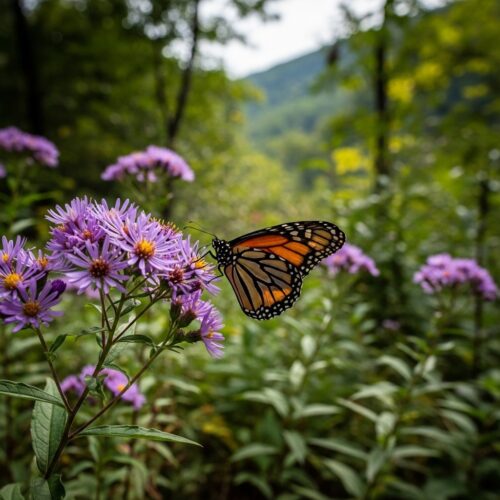
Shenandoah National Park is a treasure trove of wildlife and plant life. Its diverse ecosystems create a rich tapestry of life that surprises many visitors. Let’s dive into what makes this park so special!
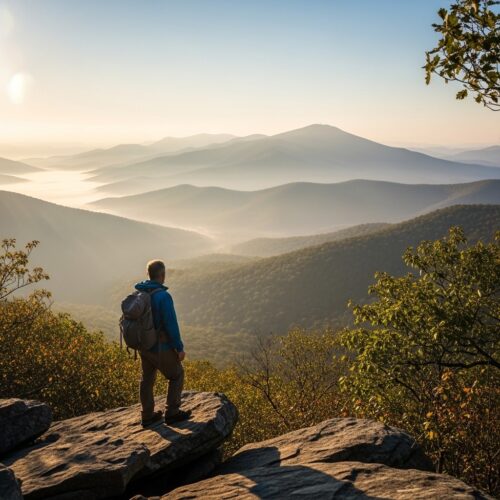
The variety of animal species present
Shenandoah is home to over 200 species of animals. From black bears to white-tailed deer, the wildlife here is abundant. Here are a few notable residents:
- Black Bears: These furry friends are often seen foraging in the park. They can weigh up to 600 pounds!
- White-tailed Deer: Commonly spotted at dawn and dusk, these graceful animals thrive in the park’s habitats.
- Birds: Over 200 bird species call Shenandoah home, including the vibrant Eastern Bluebird and the elusive Pileated Woodpecker.
Plant life and unique ecosystems
The park boasts around 1,376 species of vascular plants. This includes a stunning range of wildflowers, trees, and shrubs. Here are some highlights:
- Wildflowers: In spring, you can find 862 species of wildflowers, brightening the trails with color.
- Rare Plants: Shenandoah is home to 66 rare plant species, emphasizing its ecological importance.
- Forests and Meadows: The mix of hardwood forests and open meadows supports various wildlife, making it an ideal spot for nature lovers.
Importance of conservation efforts in the park
Conservation is key to preserving Shenandoah’s biodiversity. The park has dedicated programs to protect its unique ecosystems. Here’s why these efforts matter:
Table of Contents
- Habitat Protection: Conservation programs help maintain the habitats of endangered species like the Shenandoah Salamander.
- Restoration Projects: Initiatives led by the Civilian Conservation Corps in the 1930s helped restore the land, and these efforts continue today to keep the park healthy.
- Visitor Education: Informative trails and programs educate visitors about the importance of wildlife and plant conservation.
Shenandoah National Park is not just a pretty place; it’s a vital ecosystem that supports a wide range of life. Whether you’re hiking the trails or simply enjoying the views, the park’s biodiversity is something to appreciate and protect!
2. Skyline Drive offers breathtaking views
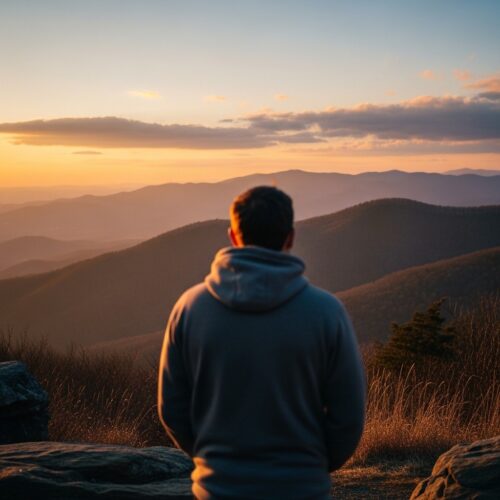
Skyline Drive is the crown jewel of Shenandoah National Park. This scenic route stretches 105 miles along the crest of the Blue Ridge Mountains, giving visitors stunning views of the park and beyond. Let’s dive into what makes this drive a must-see.
Key overlooks and viewpoints
Skyline Drive is dotted with overlooks that offer jaw-dropping views. Here are the top five you shouldn’t miss:
1. Hawksbill Gap
- View: Panoramic views of the valley and mountains.
- Best Time: Sunrise for breathtaking light.
2. Big Meadows
- View: Expansive meadows and wildlife sightings.
- Best Time: Late afternoon for golden hour photography.
3. Stony Man
- View: A short hike leads to stunning vistas.
- Best Time: Midday when the sun is high.
4. Thornton Gap
- View: A great spot for viewing fall foliage.
- Best Time: Fall, especially mid-October.
5. Mary’s Rock
- View: Incredible views of the surrounding landscape.
- Best Time: Early morning to beat the crowds.
Accessibility of Skyline Drive
Skyline Drive is accessible year-round, but conditions vary. In winter, snow can make parts of the drive challenging. Check local weather reports before you go. The road is well-maintained, but it’s important to stay alert for wildlife. Black bears are common, especially in the early morning and late evening.
Best times to drive for optimal views
To truly enjoy your drive, timing is everything. Here are some tips:
- Early Morning: Fresh air and fewer crowds.
- Midday: Great for clear views and photography.
- Late Afternoon: Perfect for sunset views, especially at overlooks like Big Meadows.
By planning your visit around these times, you’ll get the most out of your journey along Skyline Drive. This scenic route is more than just a road; it’s an experience that captures the essence of Shenandoah National Park.
3. The Appalachian Trail runs through the park
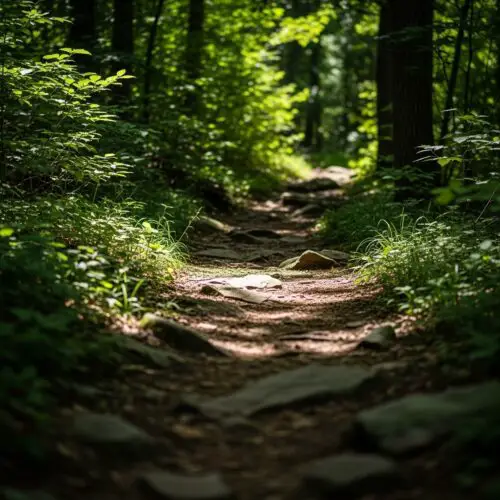
The Appalachian Trail (AT) is a gem within Shenandoah National Park. This famous trail stretches over 2,190 miles from Georgia to Maine, with about 101 miles winding through the park. It offers stunning views and a chance to experience Virginia’s beautiful wilderness.
Length of the trail within the park
The AT runs for approximately 101 miles in Shenandoah National Park. This section is popular among hikers for its accessibility and breathtaking scenery. Hikers can enjoy the lush forests and diverse wildlife along the way.
Popular hikes that connect to the Appalachian Trail
Several popular hikes intersect with the AT in Shenandoah:
- Hawksbill Mountain: The highest peak in the park offers panoramic views.
- Stony Man Trail: A short hike with a rewarding view that’s perfect for families.
- Old Rag Mountain: A challenging hike known for its rock scrambles and incredible vistas.
These trails provide varied experiences, from leisurely walks to rugged climbs.
What hikers can expect on these trails
Hikers will find well-maintained paths, beautiful overlooks, and a chance to connect with nature. Wildlife is abundant, so keep an eye out for deer and, if you’re lucky, a black bear!
The best time to hike the AT in Shenandoah is during spring and fall. Spring showcases blooming wildflowers, while fall features stunning fall foliage.
For beginners, it’s essential to wear proper footwear and carry plenty of water. A simple checklist can help:
- Good hiking shoes
- Sufficient water
- Snacks
- A map of the trails
- A camera for those incredible views!
Exploring the Appalachian Trail in Shenandoah National Park is a must for any outdoor enthusiast. Whether you’re a seasoned hiker or just starting, there’s something for everyone on this iconic trail.
4. Black bears are abundant in the park

Shenandoah National Park is home to a thriving population of black bears. These majestic creatures are an iconic part of the park’s wildlife. Knowing how to safely observe them can enhance your visit.
Statistics on black bear population
- High Concentration: Shenandoah boasts one of the highest concentrations of black bears on the East Coast.
- Population Estimate: There are about 1,000 black bears in the park.
- Visitor Encounters: In recent years, bear sightings have become more common.
Behavior and habitat of black bears
Black bears are usually shy and avoid humans. However, they are curious creatures. Here’s what to know:
- Diet: They are omnivores, munching on berries, nuts, and sometimes human food when it’s accessible.
- Active Seasons: Bears are most active during dawn and dusk.
- Hibernation: They hibernate in winter months, making sightings less frequent then.
Safely view black bears in the wild
Enjoying the sight of a black bear can be thrilling, but safety is key. Here’s a helpful checklist for bear encounters:
1. Stay Calm: If you see a bear, remain calm and don’t approach it.
2. Keep Distance: Maintain a minimum distance of 100 yards (about the length of a football field).
3. Make Noise: If hiking, make noise to avoid surprising a bear.
4. Don’t Feed Bears: Feeding bears is illegal and dangerous. It can lead them to associate humans with food.
5. Store Food Properly: When camping, use bear-proof containers to store food and trash.
6. Observe from a Safe Spot: Use binoculars or a camera with zoom to view bears from a distance.
Following these tips ensures a safe and enjoyable experience while appreciating the beauty of Shenandoah’s black bears.
5. The park contains numerous waterfalls

Shenandoah National Park is home to some stunning waterfalls. These natural wonders are not only beautiful but also accessible via various hiking trails. Here’s a closer look at the park’s notable waterfalls and how to reach them.
Popular waterfalls to visit
- Dark Hollow Falls: This is one of the most popular waterfalls in the park. It’s a short hike of about 1.4 miles round trip, making it perfect for families.
- Whiteoak Canyon Falls: This series of waterfalls offers a more extensive hiking experience. You can choose from multiple routes, ranging from 2.6 to 5.2 miles round trip, depending on how far you want to trek.
- Overall Run Falls: Standing tall at 93 feet, this is Shenandoah’s highest waterfall. The hike to it is about 3.2 miles round trip, and the views are worth the effort.
Hiking routes to access these waterfalls
Here’s a quick overview of the trails leading to these waterfalls, along with their difficulty ratings:
| Waterfall | Trail Length (round trip) | Difficulty Level |
|---|---|---|
| Dark Hollow Falls | 1.4 miles | Easy |
| Whiteoak Canyon Falls | 2.6 to 5.2 miles | Moderate |
| Overall Run Falls | 3.2 miles | Moderate |
Best times to see the waterfalls flowing
The best times to visit these waterfalls are during the spring and after heavy rains. Spring brings melting snow and blooming wildflowers, enhancing the scenery. After a good rain, the waterfalls swell, creating a spectacular show of cascading water.
Make sure to pack your camera. You’ll want to capture these breathtaking sights!
6. Shenandoah’s rich cultural history

Shenandoah National Park isn’t just a feast for the eyes; it’s got a fascinating backstory too. Before it became a national park, this area was home to vibrant communities with their own traditions and way of life.
Historical events leading to park establishment
The park’s history is layered. In the early 1900s, the movement to preserve the natural beauty of the Blue Ridge Mountains gained traction. By 1935, Shenandoah National Park was officially established. This came after significant efforts to protect the land from agricultural development and logging.
- Civilian Conservation Corps (CCC): From 1933 to 1942, the CCC played a huge role in shaping the park. Thousands of young men planted trees, built trails, and created structures. Their work laid the foundation for what visitors enjoy today.
- Land Acquisition: The establishment of the park involved the displacement of local families. Many residents had to leave their homes, leading to a bittersweet history of loss and conservation.
Influential people in park history
Several key figures were instrumental in advocating for the park’s creation:
- John D. Rockefeller Jr.: He didn’t just fund the establishment of many national parks; he was a driving force behind the creation of Shenandoah. His vision for preserving nature inspired countless others.
- Park Superintendent Edward A. McCarthy: Under his leadership, the park developed facilities and programs that focused on education and conservation.
Cultural artifacts found within the park
As you explore Shenandoah, keep an eye out for remnants of its past.
- Historical Structures: The park has preserved several buildings from the CCC era. These structures reflect the architecture and craftsmanship of the time.
- Settler Remains: Hikers can find remnants of old homesteads and farms, offering a glimpse into the lives of those who once lived here.
Visitors often share stories about encountering these historical sites. It’s a reminder that Shenandoah is not just a natural wonder but also a place steeped in rich cultural history.
7. The park offers year-round recreational activities

Shenandoah National Park is a playground for outdoor enthusiasts, offering activities for every season. Whether you’re into hiking, photography, or wildlife watching, there’s something for everyone year-round.
Summer activities: hiking and camping
Summer is peak season in Shenandoah. The weather is warm, and the trails are buzzing with life.
- Hiking: With over 500 miles of trails, summer is perfect for exploring. Check out the Appalachian Trail for stunning views.
- Camping: There are several campgrounds, like Big Meadows and Loft Mountain. Make sure to reserve your spot early, as they fill up fast!
- Wildlife Watching: Keep an eye out for black bears munching on berries. Early mornings or late afternoons are best for sightings.
Fall activities: leaf-peeping and photography
Autumn transforms the park into a vibrant canvas of colors. It’s a photographer’s dream!
- Leaf-Peeping: The fall foliage is breathtaking. Skyline Drive offers some of the best views. Plan your visit for mid to late October for peak colors.
- Photography: Capture the stunning landscapes. Bring a tripod for those golden hour shots when the light is just right.
Winter activities: snowshoeing and wildlife watching
Winter brings a peaceful stillness to the park. It’s a great time for solitude and adventure.
- Snowshoeing: Explore the quiet trails covered in snow. You can rent snowshoes at nearby locations.
- Wildlife Watching: Look for deer and other animals that are more visible against the snowy backdrop. Winter is a great time for spotting tracks!
Seasonal activity calendar
| Season | Activities | Best Times |
|---|---|---|
| Summer | Hiking, Camping, Wildlife | June to August |
| Fall | Leaf-Peeping, Photography | Mid to late October |
| Winter | Snowshoeing, Wildlife Watching | December to February |
Plan your visit according to the season for the best experiences! Shenandoah National Park has something unique to offer all year long.
8. Home to rare plant species
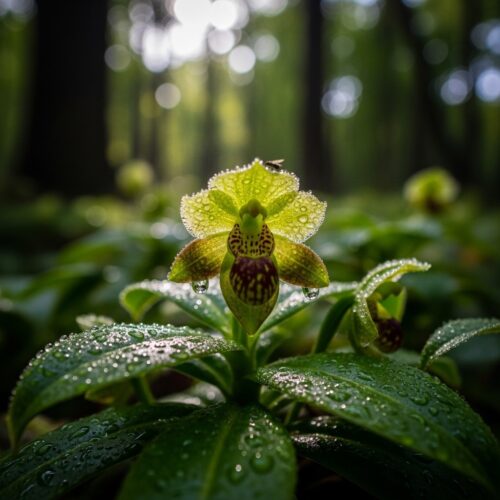
Shenandoah National Park is a hidden gem for plant lovers. It boasts a variety of rare species that thrive in its unique ecosystems. Let’s dive into some of these fascinating plants and their significance.
Notable rare plant species
Here are some of the unique plants you can find:
- Pink Azaleas: These stunning blooms are a highlight in the spring. Their vibrant color brings life to the forest.
- Mountain Laurels: With lovely clusters of white and pink flowers, these plants add charm to the park’s landscape.
- Eastern Hemlock: This tree, while beautiful, faces threats from pests. It plays a vital role in the park’s ecosystem.
Importance of plant diversity
Plant diversity is crucial for maintaining healthy ecosystems. It supports wildlife and helps prevent soil erosion. In Shenandoah, diverse flora provides food and habitat for many animals. The more plant species there are, the more resilient the ecosystem becomes.
Conservation efforts in place
Shenandoah National Park has various programs to protect its rare plants. Here are some key initiatives:
- Invasive Species Management: The park actively removes invasive plants that threaten native flora. This helps rare species thrive.
- Wildflower Restoration Projects: These initiatives aim to restore habitats and reintroduce native plants. Volunteers often help with planting and maintenance.
- Research and Monitoring: Ongoing studies track the health of rare species. This data guides conservation strategies and ensures effective management.
These efforts not only protect the park’s unique flora but also enhance the visitor experience. Exploring Shenandoah means witnessing the beauty of these rare plants firsthand!
9. The park’s elevation range is impressive
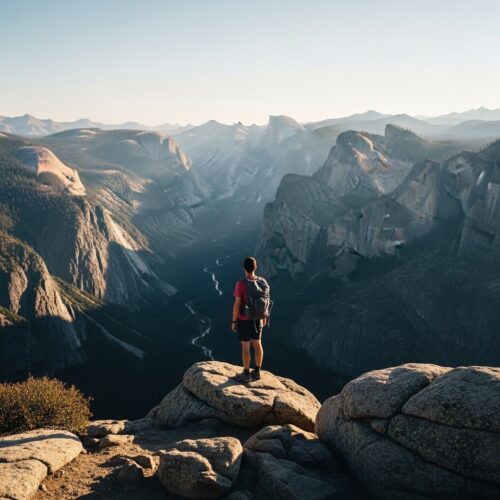
Shenandoah National Park boasts a stunning range of elevations that shape its diverse ecosystems. From lush valleys to towering peaks, this variation creates unique habitats and breathtaking views.
Lowest and highest points in the park
- Lowest Point: The park’s lowest elevation is around 1,200 feet at the banks of the Shenandoah River. Here, you’ll find rich riverine habitats teeming with life.
- Highest Point: Hawksbill Mountain stands proud at 4,051 feet. It’s the highest point in the park and offers sweeping vistas that reward hikers with stunning sights.
How elevation affects biodiversity
Elevation plays a key role in the variety of plants and animals found in Shenandoah. Different heights mean different climates, which leads to diverse ecosystems.
- Lower elevations: Warmer and wetter, these areas support lush forests filled with oaks, hickories, and an array of wildflowers.
- Higher elevations: Cooler and often cloudier, these zones are home to unique plant species like spruce-fir forests and rare wildflowers, including the beautiful lady slipper orchid.
Popular viewpoints at different elevations
Many viewpoints showcase the park’s elevation diversity. Here are a few favorites:
- Hawksbill Summit: Enjoy 360-degree views from the highest peak. It’s a must-see for sunrise or sunset.
- Stony Man Overlook: This accessible viewpoint offers breathtaking views without a strenuous hike. Perfect for families and casual visitors.
- Mary’s Rock: A popular trail that leads to a stunning vista, revealing the beauty of the Shenandoah Valley.
Exploring these elevation changes not only enhances your visit but also deepens your appreciation for the park’s rich biodiversity.
10. Shenandoah is a designated Dark Sky Park

Shenandoah National Park is proud to be a designated Dark Sky Park. This means it offers some of the best stargazing opportunities around, thanks to its low light pollution and clear skies. Here’s why this matters for visitors.
A Dark Sky Park
As a Dark Sky Park, Shenandoah meets strict criteria set by the International Dark-Sky Association. This designation helps protect the night sky from artificial light. It creates a perfect backdrop for celestial wonders. Imagine lying under a blanket of stars, with the Milky Way shining bright above you.
Importance of light pollution reduction
Reducing light pollution is crucial for wildlife and human health. It allows nocturnal animals to thrive and helps humans reconnect with nature. In Shenandoah, the dark skies enhance your experience. You can see constellations, meteor showers, and even the occasional satellite passing overhead.
Best times for stargazing
Timing your visit can make all the difference. Here are some tips for the best stargazing experiences:
- New Moon Nights: The best time to see stars is during a new moon. The absence of moonlight creates darker skies.
- Seasonal Events: Plan for celestial events like meteor showers. The Perseids in August and the Geminids in December are spectacular.
- Higher Elevations: Head to higher spots like Hawksbill Summit for a clearer view. Less atmosphere means better visibility.
Stargazing Tips
- Bring Binoculars: They enhance your view of distant stars and planets.
- Use a Star Map: Apps or physical star maps can guide you to constellations and other celestial bodies.
- Stay Warm: Nights can get chilly, so bundle up for comfort.
Enjoying the night sky in Shenandoah is not just a sight; it’s an experience. So grab a blanket, find a quiet spot, and let the stars tell their stories.
11. The park’s creation involved significant community effort

Shenandoah National Park is not just a natural wonder; it’s a testament to community spirit. Local residents played a vital role in the establishment of this beautiful park.
How local residents contributed to the park’s creation
The journey to create Shenandoah National Park began in the 1920s. Local groups, like the Southern Appalachian National Park Committee, pushed for the park’s formation. Their efforts were fueled by a desire to preserve the region’s natural beauty.
Many families who lived in the area had to make sacrifices. About 450 families were displaced as land was acquired for the park. This process wasn’t easy and involved tough negotiations. But their loss paved the way for future generations to enjoy Shenandoah’s stunning landscapes.
Continued community support for park programs
Even after the park was established, the community didn’t just step back. Local volunteers and organizations have continued to support Shenandoah through various programs. They help with trail maintenance, educational programs, and wildlife conservation efforts.
Community involvement ensures that the park stays vibrant and accessible. It also fosters a connection between the park and those who live nearby.
Examples of community-led initiatives
Here are some inspiring community-led efforts:
- Wildflower Planting Days: Local volunteers gather to plant native wildflowers. This helps preserve the park’s biodiversity.
- Park Clean-Up Events: Residents come together to clean trails and picnic areas, keeping the park beautiful for visitors.
- Educational Workshops: Community members lead workshops on wildlife and conservation, sharing knowledge with visitors.
These initiatives highlight the ongoing relationship between Shenandoah National Park and the surrounding community. Their efforts ensure that the park remains a treasured place for everyone to explore and enjoy.
12. The park’s geology is unique

Shenandoah National Park is not just a pretty face. Its geology is fascinating and plays a crucial role in the park’s beauty and activities. Let’s dive into what makes this park’s landforms special.
Key geological formations
Shenandoah is home to several remarkable geological features:
- Blue Ridge Mountains: The park is part of this ancient mountain range, formed over a billion years ago.
- Granite and Gneiss: These hard rock types dominate the landscape, giving the mountains their sturdy structure.
- Karst Topography: You’ll find caves and sinkholes in the park, created by the dissolution of limestone over time.
How geology shapes the landscape
The park’s unique geological history has shaped its environment in many ways:
- Soil Diversity: Different rock types lead to varied soil compositions, supporting diverse plant and animal life.
- Waterfalls: The hard rock layers create stunning waterfalls, like Overall Run Falls, which is the tallest in the park.
- Hiking Trails: Trails often follow the contours of the land, providing breathtaking views and varied hiking difficulties.
Importance of geology for visitors
Understanding the geology of Shenandoah enhances your experience:
- Scenic Drives: Skyline Drive showcases the park’s geological features. Each overlook offers a glimpse into the park’s dramatic landscape.
- Wildlife Habitat: Different geological features create unique habitats for wildlife. Spotting a black bear or deer is part of the adventure!
- Educational Opportunities: Guided tours often include geology talks, making it a great learning experience for visitors of all ages.
The geology of Shenandoah National Park is not just background noise; it’s a vibrant part of what makes this place special. Next time you’re on a hike or enjoying the views, take a moment to appreciate the land beneath your feet!
13. The park’s history of conservation is rich
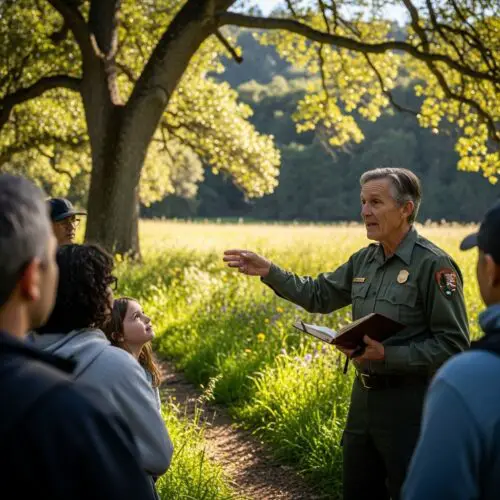
Shenandoah National Park has a fascinating conservation history. It reflects a commitment to preserving its natural beauty for future generations. Let’s dive into some key aspects of this history.
Historical conservation efforts
The creation of Shenandoah National Park in the 1930s was a significant conservation milestone. It was born out of a need to protect the unique ecosystems of the Blue Ridge Mountains. This effort required the displacement of local communities, but it paved the way for a protected area that now spans over 199,000 acres.
- Civilian Conservation Corps (CCC): Between 1933 and 1942, the CCC played a crucial role. They planted hundreds of thousands of trees and built many structures. This work helped restore the land, making it more accessible and beautiful.
- Legacy of conservation: The park’s history is a testament to the efforts made to revitalize and conserve its rich biodiversity. These early conservationists set the stage for ongoing efforts.
Impact of the Civilian Conservation Corps
The CCC’s influence is still felt today. They not only planted trees but also constructed trails and park infrastructure. These early projects laid the groundwork for modern-day conservation efforts.
- Trail systems: Many trails you hike today were built by the CCC. They created pathways that allow visitors to experience the park’s beauty safely.
- Cultural structures: Historic lodges and visitor centers are remnants of their work. They enhance the visitor experience while reminding us of the park’s past.
Modern conservation challenges
Today, Shenandoah faces new challenges. As a protected area, it must balance visitor access with preservation.
- Invasive species: These can threaten native plants and wildlife. Ongoing efforts focus on controlling these species to protect the park’s ecosystem.
- Visitor impact: Increased tourism can strain resources. The park implements strategies to manage visitor foot traffic and maintain the beauty of its landscapes.
Through these conservation efforts, Shenandoah National Park continues to thrive. Its history of preservation is a journey worth exploring for every visitor.
14. The park hosts numerous educational programs
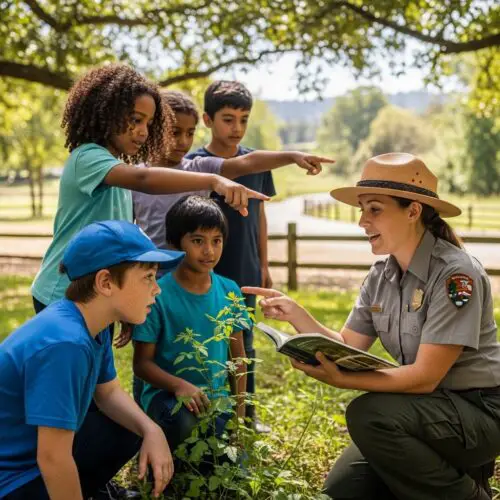
Shenandoah National Park offers a variety of educational programs that enrich the visitor experience. These programs provide insights into the park’s ecology, history, and conservation efforts.
Types of programs offered
- Ranger-led Talks: These interactive sessions cover topics like wildlife, plant life, and park history. Rangers share fascinating stories and answer questions.
- Guided Hikes: Explore trails with knowledgeable guides. They point out unique flora and fauna, explaining their significance.
- Night Sky Programs: Experience the beauty of the stars. Rangers help you identify constellations and share celestial stories.
- Interpretive Programs: These activities include everything from wildlife tracking to understanding the impact of human activity on the park’s ecosystem.
Participate
Getting involved is easy! Here’s how:
- Check the Schedule: Visit the park’s website for upcoming programs. They often change seasonally.
- Join a Group: Many programs are suited for families or groups. Bring your friends or make new ones!
- Sign Up Early: Some programs have limited spots. Reserve your place in advance to avoid missing out.
Benefits of educational programs
Educational programs offer many benefits:
- Enhance Understanding: Learn about the park’s ecosystems and history in depth.
- Connect with Nature: Engage with the environment in a meaningful way.
- Create Lasting Memories: Many visitors remember their ranger-led hikes or night sky gazing as highlights of their trips.
Visitor Testimonials: Many past participants rave about their experiences. One family shared how a ranger’s talk about local wildlife deepened their appreciation for the park. Another visitor mentioned how the night sky program sparked an interest in astronomy.
These programs not only educate but also inspire a love for nature and conservation among visitors.
Frequently Asked Questions
These quick answers cover the most common questions about this topic, including key details, practical tips, and common concerns.
What are some fun facts about Shenandoah National Park?
Shenandoah is home to over 200 animal species, including black bears that can weigh up to 600 pounds. The park’s Appalachian Trail section spans 101 miles, offering diverse hiking experiences. It also contains more than 1,300 plant species, some of which are rare and protected. Additionally, the park’s history involves the Civilian Conservation Corps, which built many of its trails and structures.
How to get to Shenandoah National Park and plan a visit?
You can access Shenandoah via Interstate 66 or US Highway 340, with Skyline Drive running through the park. Plan your visit during spring for wildflowers, fall for foliage, or winter for solitude. Check weather conditions, especially in winter, and book accommodations early, whether camping or staying in nearby towns like Luray or Front Royal. Use official maps and resources to navigate and optimize your trip.
Why visit Shenandoah National Park?
Shenandoah offers breathtaking mountain views, waterfalls, and diverse wildlife, making it ideal for outdoor recreation. Its accessibility, scenic Skyline Drive, and numerous trails provide opportunities for hiking, camping, and wildlife watching. The park also has cultural significance, with historic sites and stories of early communities, making it a meaningful destination for nature and history lovers.
When is the best time to visit Shenandoah National Park?
Spring (April–June) is perfect for wildflowers and baby animals. Fall (mid-October to early November) offers stunning foliage and cooler weather. Summer (June–August) is ideal for hiking and camping, though it can be crowded. Winter (December–February) provides quiet trails and snow-covered landscapes for snowshoeing and solitude.
What common mistakes should visitors avoid in Shenandoah National Park?
Avoid approaching or feeding wildlife, especially black bears, to stay safe. Don’t underestimate trail difficulty—use maps and trail guides. Be prepared for changing weather, especially at higher elevations. Always carry enough water, wear suitable footwear, and follow park regulations to protect both yourself and the environment.
How does Shenandoah compare to other national parks like Great Smoky Mountains?
Shenandoah is smaller but offers more mountain vistas and waterfalls, with a focus on scenic drives and hiking. Great Smoky Mountains features lush forests and a larger diversity of plant and animal species due to its lower elevation. Both parks are rich in history, but Shenandoah’s elevation and geology create a different landscape experience.
What are some alternative parks or outdoor activities near Shenandoah?
Nearby options include Harper’s Ferry for history and river activities, or the C&O Canal for biking and hiking. If you seek more mountain scenery, consider the Blue Ridge Parkway or Skyline Drive extensions. For outdoor adventures, try kayaking on the Shenandoah River or visiting nearby vineyards and orchards in Virginia.
Are there interactive maps and safety tips for visitors?
Yes, the park offers official interactive maps online to help plan your routes and find points of interest. Safety tips include staying on designated trails, storing food securely to prevent wildlife encounters, and checking weather conditions before hikes. Always carry essentials like water, a first aid kit, and a charged phone for emergencies.