
Key Takeaways
- Hackberry tree fruits are edible and nutritious.
- Always exercise caution when trying new foods.
- These fruits can enhance your diet with unique flavors.
Are Hackberry Tree Fruits Edible? Based on my experience, these small fruits are indeed safe to eat and can be a delightful addition to your diet. However, it’s always wise to approach new foods with caution.
Interested in hackberry tree fruits? You’re not alone! These often-overlooked gems are packed with flavor and nutrition, just waiting to be discovered.
Overview of Hackberry Trees
What is a Hackberry Tree?
Hackberry trees, classified under the Celtis genus, are remarkable deciduous plants that can reach impressive heights of 30 to 60 feet. Their unique serrated leaves and rough bark make them easily identifiable. These trees shed their leaves in the fall and exhibit a remarkable adaptability, thriving in a variety of environments across North America.

Characteristics of Hackberry Trees
One of the most notable characteristics of hackberry trees is their bark, which features a rough, warty texture that invites touch. The leaves are simple and alternate, typically measuring between 2 to 5 inches long, with a glossy sheen. Their adaptability is truly fascinating; hackberry trees can thrive in poor soil conditions, withstand drought, and even tolerate urban air pollution. Additionally, they attract a variety of birds and insects, especially during fruiting seasons, enhancing the vibrancy of their environment.
Geographic Distribution
Hackberry trees are predominantly found throughout the United States, particularly in the Midwest and Great Plains regions. Their range extends into parts of Canada and Mexico as well. During my travels, I’ve observed these trees populating landscapes, often along riverbanks and in open fields. Their resilience to diverse climates and soil types makes them a crucial component of local ecosystems, providing shelter and nourishment for various wildlife.

Understanding Hackberry Fruits
What Do Hackberry Fruits Look Like?
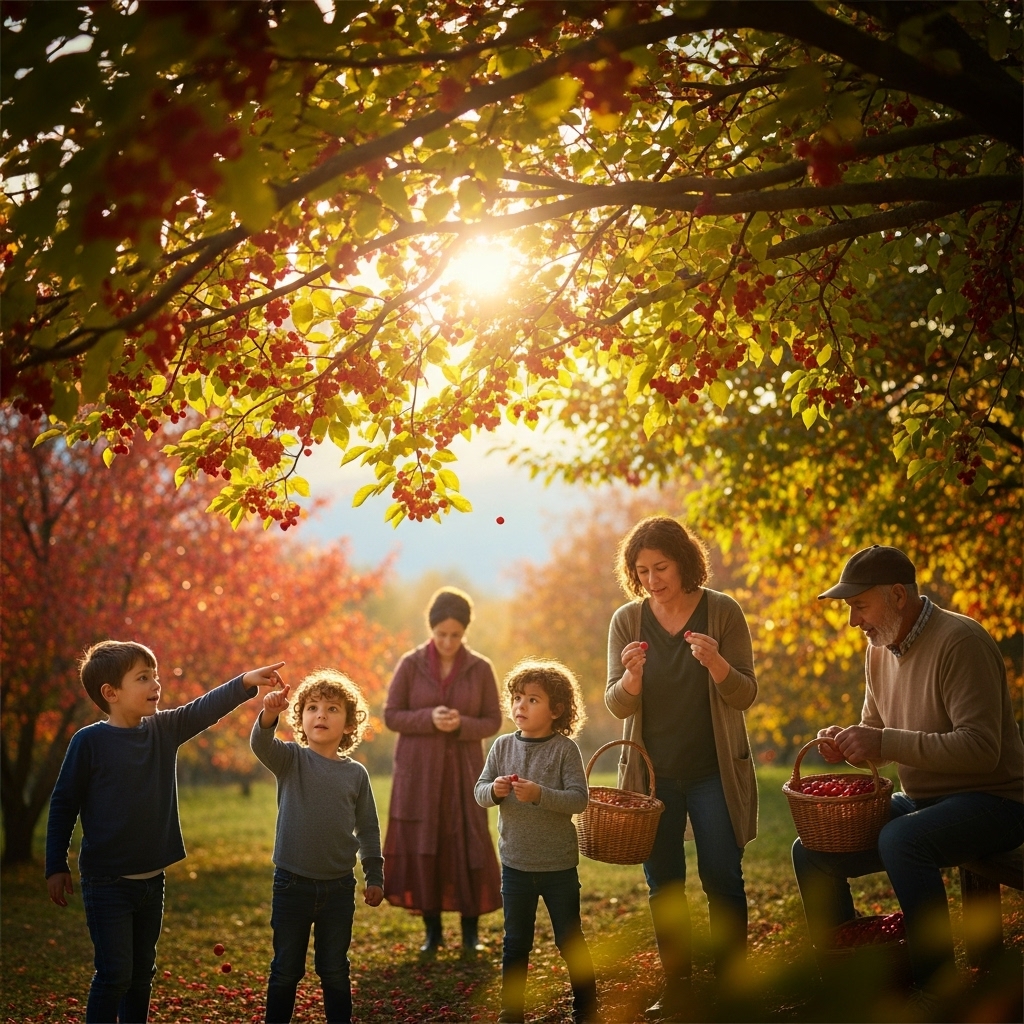
As autumn approaches, hackberry trees showcase small, round fruits, approximately a quarter-inch in diameter. Initially green, these fruits transition into a stunning reddish-purple hue as they ripen. Witnessing a tree adorned with these vibrant fruits is truly a sight to behold; it resembles nature’s own decoration! The fruits possess a somewhat fleshy exterior, encasing a hard pit inside, which contributes to their unique texture. If you ever have the opportunity, I highly recommend examining them up close; their charm is undeniable.
When Do Hackberry Fruits Ripen?
Hackberry fruits typically reach ripeness from late summer to early fall. I fondly recall picking some off a tree in September, eager to savor them fresh from the branch. The exact timing can fluctuate based on local climate conditions, but generally, the prime period for harvesting is from late August through October. The excitement of waiting for these fruits to change color and soften adds to the joy of foraging!
Flavor Profile of Hackberry Fruits
The flavor profile of hackberry fruits is quite intriguing. They offer a mild, sweet taste with subtle hints of nuttiness. Upon tasting them for the first time, I found their flavor reminiscent of a delightful blend between a date and a fig. Their moderate sweetness makes them perfect for snacking or as an ingredient in various dishes. The chewy texture further enhances their uniqueness. While I often enjoy them fresh, they can also be incorporated into jams and desserts, adding a distinctive flavor that sets them apart from typical fruits.
Are Hackberry Fruits Edible?
Safety of Eating Hackberry Fruits
Many people often inquire about the safety of consuming hackberry fruits. Based on my experience, these small fruits are indeed edible and can serve as a delightful addition to our diets. However, it’s always prudent to exercise caution when trying something new. I recall my first experience picking and tasting them; I made sure to conduct thorough research beforehand. Hackberry fruits are non-toxic, and numerous individuals enjoy them fresh right off the tree. As with any wild food, I recommend washing them thoroughly to eliminate any dirt or potential contaminants before indulging. For those new to foraging, it’s wise to start with a small taste to gauge how your body reacts—this is a good practice for any wild food.
Common Misconceptions about Edibility
There exists some confusion regarding the edibility of hackberry fruits. Some might assume they are inedible due to being overshadowed by more glamorous fruits. I’ve encountered people who claim they are not safe to eat, but that couldn’t be further from the truth! In fact, Native Americans have utilized hackberry fruits for centuries, incorporating them into their diets in various ways. It’s fascinating how certain foods can fall into obscurity while others gain prominence. This serves as a reminder to keep an open mind about what nature has to offer. Just because a fruit isn’t widely recognized doesn’t mean it lacks flavor or nutritional benefits.
How to Identify Edible Hackberry Fruits
Identifying edible hackberry fruits is quite straightforward once you know what to look for. I remember exploring a wooded area, eager to spot the characteristic small, round fruits dangling from the branches. When searching for them, pay attention to the tree’s distinctive bumpy bark. The fruits themselves are typically small, about the size of a marble, and may transition from green to reddish-purple as they ripen. I’ve noticed that ripe fruits often yield slightly when squeezed gently. If they feel too firm, they may not be ready yet. Trust your instincts and senses; if they appear appealing and emit a sweet aroma, they are likely ripe for tasting!

Nutritional Profile of Hackberry Fruits
Vitamins and Minerals Found in Hackberry Fruits
Hackberry fruits are a delightful addition to any diet, offering a rich nutritional profile that provides numerous health benefits. These small fruits are particularly high in vitamin C, which plays a crucial role in enhancing our immune systems. Additionally, hackberries are a good source of potassium, an essential mineral that helps regulate blood pressure. As I explored their nutritional advantages, I discovered that these fruits are not only delicious but also a nourishing choice, making them a true treasure of nature.
Caloric Content and Macronutrients
In terms of caloric content, hackberry fruits are relatively low in calories, making them an ideal guilt-free snack option. Typically, a serving contains around 50-60 calories, depending on the quantity consumed. They provide a balanced mix of carbohydrates, along with a modest amount of protein and fiber. Including hackberries in my meals allows me to indulge my taste buds while nourishing my body, promoting a healthy lifestyle without excess calories.
Health Benefits of Consuming Hackberry Fruits
Delving into the health benefits of hackberry fruits has revealed their impressive advantages. Their high fiber content supports digestion, which is essential for maintaining a healthy gut. Personally, I find that a fiber-rich diet keeps me feeling full and satisfied. Furthermore, the antioxidants present in hackberries help combat oxidative stress, contributing positively to overall health and well-being. Enjoying these fruits not only satisfies my palate but also supports my health—a true win-win scenario.
Health Benefits of Hackberry Fruits
Antioxidant Properties
Hackberry fruits are renowned for their remarkable antioxidant properties. These small yet powerful fruits are effective in combating free radicals, which can cause cellular damage in our bodies. Antioxidants are essential for maintaining cellular health, and I have come to appreciate their significance in nutrition. When I enjoy hackberry fruits as a snack, I feel empowered, knowing I’m providing my body with a natural defense against illnesses while also boosting my energy levels. It’s incredible how such a tiny fruit can yield such substantial health benefits!
Potential Anti-Inflammatory Effects
Another compelling health advantage of hackberry fruits is their potential anti-inflammatory effects. Many of us experience inflammation, whether from stress, dietary choices, or the daily grind. Incorporating hackberries into my diet feels like a proactive approach to managing inflammation. Research suggests that the nutrients found in these fruits may help alleviate inflammation, promoting overall health. Discovering natural foods that can enhance our well-being is always an exciting journey.
Support for Digestive Health
Digestive health is a crucial aspect of overall wellness that I have become increasingly mindful of over the years. Hackberry fruits are an excellent source of dietary fiber, which is vital for maintaining a healthy digestive system. I value foods that promote smooth digestion, and hackberries excel in this regard. Their fiber content not only aids digestion but also helps me feel satiated for longer periods. This simple addition to my meals is an effective way to enhance my diet and improve my overall health.
Uses of Hackberry Fruits
Culinary Uses of Hackberry Fruits
Hackberry fruits are surprisingly versatile in the kitchen! Their mildly sweet flavor allows them to shine in both sweet and savory dishes. One delightful way to enjoy them is by adding them to salads, where they provide an unexpected burst of flavor and texture. They pair wonderfully with greens, nuts, and a tangy dressing, creating a refreshing dish. Additionally, hackberries can be incorporated into baked goods such as muffins and breads, adding a unique twist to traditional recipes.
For a different culinary experience, consider blending hackberries into smoothies or fruit compotes. Their sweetness complements other ingredients without overpowering them. You can also transform them into jams or jellies; I once made a hackberry jam that became a favorite at family gatherings. The sweet, earthy flavor intrigued everyone, showcasing how hackberries can truly shine in the kitchen!
How to Prepare and Cook with Hackberry Fruits
Preparing hackberry fruits is a straightforward process, making it easy to incorporate them into meals. Begin by washing them thoroughly to remove any dirt or residue; a good rinse under running water followed by a pat dry with a clean towel works well. While you can remove the pits for recipes, I often leave them in when snacking, as their texture is quite enjoyable.
When cooking with hackberries, they excel when cooked down into sauces or syrups. I fondly remember making a hackberry sauce to drizzle over pancakes, which highlighted their delightful sweetness. This is a fantastic way to elevate your breakfast. For a creative twist, try roasting hackberries with a touch of honey and spices for a delicious snack. Roasting enhances their natural sweetness, making them even more enjoyable.
Traditional Medicinal Uses
Beyond their culinary applications, hackberry fruits boast a rich history in traditional medicine, which is truly fascinating. Native American tribes have long valued these fruits for their nutritional benefits and various health properties. They were often consumed to alleviate digestive issues and provide energy during long journeys. It’s intriguing to reflect on how our ancestors utilized these fruits, deepening my appreciation for them.
In addition to being eaten raw, the inner bark of hackberry trees has been used in traditional remedies. I’ve encountered references to it being brewed into teas to help with coughs and colds. While I haven’t personally made such a tea, I find the idea of using nature’s resources for health support inspiring. It emphasizes the importance of reconnecting with the natural world and learning from those who came before us. If you’re curious about traditional uses, I encourage you to explore and see what resonates with you.
Harvesting Hackberry Fruits
Best Time to Harvest Hackberry Fruits
Timing plays a crucial role in the successful harvesting of hackberry fruits. The optimal period for gathering these delightful berries is from late summer to early fall, specifically between late August and October. I make it a habit to monitor the trees regularly throughout the season, eagerly anticipating the signs of ripening. When the fruits begin to exhibit a rich reddish-purple hue, it serves as a clear indication that they are ready for picking. The exhilaration I felt upon discovering a tree laden with ripe hackberries is truly unforgettable, making each foraging expedition a thrilling experience!
How to Properly Harvest Hackberry Fruits
Harvesting hackberry fruits is a straightforward process. I typically reach up and gently pluck the berries from the branches, ensuring that I do not harm the tree in the process. It’s essential to take only what you need, allowing others to share in the bounty as well. When a tree is abundant with fruit, I recommend harvesting in small batches. This method helps maintain their freshness and minimizes waste. I often carry a small basket or bag to collect the fruits, transforming the experience into a delightful mini-adventure each time I forage!
Storage Tips for Fresh Hackberry Fruits
After harvesting my hackberry fruits, I focus on keeping them fresh for as long as possible. I have discovered that storing them in a cool, dry location is most effective. Utilizing a paper bag or a breathable container helps prevent moisture buildup, which can lead to spoilage. For larger harvests, I sometimes opt to freeze the fruits, allowing me to savor their flavor and nutrients well into the winter months. Just remember to wash and pit the hackberries before freezing, as this makes them easier to use in future culinary creations.
Overview of Hackberry Trees
What is a Hackberry Tree?
The hackberry tree, belonging to the Celtis genus, is a remarkable species that can grow up to 60 feet tall. Its impressive stature and unique features have always captivated my interest. During a recent hike, I leaned against one and felt the rough, warty bark, pondering the many seasons this resilient tree has endured. Hackberry trees thrive in diverse environments, and they truly shine in autumn when their foliage transforms into vibrant hues. This adaptability makes them a popular choice for both urban and rural landscapes.
Characteristics of Hackberry Trees
One of the most striking features of hackberry trees is their distinctive bark, which resembles nature’s own artwork. The leaves, adorned with serrated edges, are not only aesthetically pleasing but also serve a practical purpose by providing shade during the hot summer months. Remarkably, these trees can flourish in suboptimal soil conditions, showcasing their resilience. They are well-suited to urban environments, contributing significantly to local ecosystems. In late summer, the trees become laden with fruits, attracting various birds and wildlife, a delightful sight that underscores their ecological importance.
Geographic Distribution
Hackberry trees are predominantly found across North America, particularly in the Midwest and Great Plains regions. My travels through these states have revealed their tendency to grow near rivers and in open fields. Their remarkable adaptability to different climates and soil types is truly impressive. The sight of hackberry trees scattered across the landscape serves as a reminder of the beauty of biodiversity and the essential role these trees play in supporting wildlife. Their shelter and fruit production make them a vital component of the ecosystem.
Understanding Hackberry Fruits
What Do Hackberry Fruits Look Like?
The hackberry fruits are small yet captivating, resembling tiny jewels adorning the branches. Their delightful reddish-purple hue makes them particularly eye-catching. Each fruit, roughly the size of a marble, catches the sunlight beautifully, showcasing their round shape. With a soft, fleshy exterior, these fruits attract both birds and humans alike. I have grown to appreciate their visual appeal as much as their flavor, as they add a vibrant splash of color to the trees during late summer.
When Do Hackberry Fruits Ripen?
Hackberry fruits typically reach ripeness between late summer and early fall. I recall the thrill of checking the trees weekly in September, eagerly anticipating the moment they would be ready for harvest. While the exact timing can vary depending on local climate conditions, the peak season generally spans from late August to October. Each foraging adventure feels like a treasure hunt, as I search for ripe fruits nestled among the lush green leaves, evoking cherished memories of my explorations in nature.
Flavor Profile of Hackberry Fruits
The flavor of hackberry fruits is pleasantly mild and subtly sweet, which I find delightful. When I first sampled them, I was pleasantly surprised by their unique taste, reminiscent of a blend between figs and dates. Their chewy texture adds an enjoyable element to eating them, and I appreciate how they impart a gentle sweetness without being overpowering. These fruits are fantastic for snacking, but they also enhance a variety of dishes. I often incorporate them into salads or blend them into smoothies for an exciting twist.
Are Hackberry Fruits Edible?
Safety of Eating Hackberry Fruits
Many individuals often question the safety of consuming hackberry fruits. Based on my personal experience, I can assure you that they are indeed safe to eat! I recall my initial encounter with these fruits; I felt both nervous and excited. After conducting thorough research, I discovered that hackberries are non-toxic and perfectly suitable for consumption. To ensure safety, I always wash them meticulously before indulging. If you’re new to foraging, much like I was, it’s wise to start with a small quantity to gauge how your body reacts—better safe than sorry!
Common Misconceptions about Edibility
There exists a significant amount of misunderstanding regarding the edibility of hackberry fruits. Some people mistakenly believe they are inedible, which is entirely false. I’ve frequently encountered individuals dismissing them simply due to their lesser-known status compared to other fruits. It’s intriguing to consider how many delicious foods remain overlooked. Historically, Native Americans have incorporated hackberries into their diets, which highlights the wisdom of our ancestors in recognizing the nutritional value of these fruits. This serves as a reminder to maintain an open mind and explore the diverse offerings of nature.
How to Identify Edible Hackberry Fruits
Identifying edible hackberry fruits is quite straightforward. I have learned to look for the small, round fruits that grow in clusters on the branches. Their color transition from green to reddish-purple indicates ripeness. A gentle squeeze can also help determine their readiness; if they yield slightly, it’s a reliable sign they are ready to eat. The joy of discovering them and the thrill of picking fresh fruits directly from the tree is an experience I truly cherish.
Nutritional Profile of Hackberry Fruits
Vitamins and Minerals Found in Hackberry Fruits
Hackberry fruits are a treasure trove of essential nutrients, particularly rich in vitamin C, which plays a crucial role in bolstering the immune system. Incorporating these fruits into my diet has noticeably increased my energy levels. Additionally, their potassium content contributes positively to my overall health. It’s always gratifying to discover foods that are both delicious and nourishing for the body.
Caloric Content and Macronutrients
In terms of caloric content, hackberry fruits are relatively low in calories, making them an ideal choice for guilt-free snacking. A typical serving contains approximately 50-60 calories, allowing me to indulge without the worry of excessive calorie intake. Furthermore, they offer a balanced mix of carbohydrates, along with a modest amount of protein and fiber, making them a fantastic addition to my meals.
Health Benefits of Consuming Hackberry Fruits
As I delve deeper into the health benefits of hackberry fruits, my appreciation for their positive impact on my well-being continues to grow. Their fiber content supports healthy digestion, a benefit I have personally experienced. Including these fruits in my diet has helped me feel fuller and more satisfied. Moreover, the antioxidants found in hackberry fruits play a vital role in combating oxidative stress, reinforcing my commitment to making healthy choices. It’s truly rewarding to enjoy something so tasty while also prioritizing my health!
Health Benefits of Hackberry Fruits
Antioxidant Properties
Hackberry fruits are rich in antioxidants, which play a vital role in maintaining our health. Antioxidants are essential for combating free radicals—unstable molecules that can harm our cells. Research indicates that oxidative stress is associated with numerous health issues, making it appealing to incorporate foods that can help mitigate this damage. Each time I enjoy hackberries, I feel as though I’m providing my body with a significant health boost. It’s empowering to realize that such small fruits can have a profound impact on my overall well-being!
Potential Anti-Inflammatory Effects
The potential anti-inflammatory properties of hackberry fruits have also piqued my interest. Many of us experience inflammation due to our diets, stress, or the challenges of daily life, so discovering natural remedies is always beneficial. Nutrients found in hackberries may help alleviate inflammation, contributing to improved overall health. Personally, when I incorporate these fruits into my meals, I feel a heightened sense of well-being, as if I’m actively managing my health. It feels like having a secret weapon against the daily wear and tear!
Support for Digestive Health
Over the years, I have become increasingly aware of the importance of digestive health, and hackberry fruits serve as a delightful ally in this regard. They are an excellent source of dietary fiber, which is crucial for maintaining a healthy digestive system. I’ve found that including fiber-rich foods like hackberries in my diet helps keep my digestive processes running smoothly. Additionally, the fiber content helps me feel fuller for longer, which is always a plus. Knowing that I’m promoting my gut health while savoring these delicious fruits makes them even more appealing.
Uses of Hackberry Fruits
Culinary Uses of Hackberry Fruits
Hackberry fruits are surprisingly versatile in the kitchen, making them a delightful ingredient for various dishes. Their mildly sweet flavor lends itself well to both sweet and savory recipes. For instance, I often incorporate them into salads, where they provide an unexpected burst of flavor that surprises my family and friends. One of my favorite combinations includes mixed greens, walnuts, feta cheese, and a handful of hackberries, resulting in a delightful salad that everyone enjoys.
If you’re feeling adventurous, consider using hackberries in baked goods. I’ve experimented with muffins and quick breads featuring these fruits, and the results have always been a hit. The natural sweetness of hackberries beautifully complements the other ingredients, creating wholesome treats that are both nutritious and delicious. Additionally, I’ve blended them into smoothies for a nutritious twist, adding a unique flavor that brightens my morning routine.
How to Prepare and Cook with Hackberry Fruits
Preparing hackberry fruits is a simple process, which is one of the reasons I appreciate them! After giving them a good rinse to remove any dirt, they are ready to use. While I typically enjoy them fresh, I may remove the pits when incorporating them into recipes. However, when snacking, I often leave the pits in, as they contribute to the texture without being bothersome. This ease of preparation is a significant advantage!
When cooking, hackberries can be simmered down into a sauce or syrup, transforming breakfast items like pancakes or waffles. I fondly recall a weekend when I made hackberry syrup that drizzled beautifully over my pancakes, making them feel extra special.
To elevate your snacking experience, try roasting hackberries with a sprinkle of honey and a dash of cinnamon. The roasting process enhances their natural sweetness, filling the kitchen with a warm, inviting aroma. This simple yet delicious method makes for an impressive treat when entertaining guests.
Traditional Medicinal Uses
Beyond their culinary potential, the traditional medicinal uses of hackberry fruits are particularly fascinating. Native American tribes have a rich history of incorporating these fruits into their diets, not only for their flavor but also for their health benefits. Historically, they were used to support digestive health and provide energy during long journeys. It’s inspiring to reflect on how our ancestors recognized the value of these fruits and utilized them wisely.
Additionally, I’ve encountered references to the inner bark of hackberry trees being used in traditional remedies. Some tribes brewed it into teas to alleviate coughs and colds. While I haven’t personally tried making such a tea, I appreciate the idea of tapping into nature’s resources for health support. This encourages me to explore the wisdom of traditional practices and consider how they can enhance my own well-being.
Harvesting Hackberry Fruits
Optimal Timing for Harvesting Hackberry Fruits
Timing is crucial when it comes to harvesting hackberry fruits. Based on my foraging experiences, the ideal period for gathering these delightful berries is generally from late August to October. Each year, as the summer heat begins to wane, I feel a surge of excitement knowing it’s almost time to check my favorite hackberry trees. Spotting the ripe hackberries against the lush green leaves feels like embarking on a treasure hunt! When the fruits transition to a rich reddish-purple hue, it’s time to act, and I find it hard to resist the urge to pick them immediately.
How to Harvest Hackberry Fruits Effectively
The process of harvesting hackberries is both simple and rewarding. I often take a leisurely walk through local parks or wooded areas where these trees flourish. Upon discovering a tree heavy with fruits, I gently reach up to pluck them from the branches, being careful not to harm any surrounding leaves or twigs. It’s essential to only take what I need, ensuring that other foragers—both human and wildlife—can enjoy them too. I typically bring along a small basket, which not only makes gathering easier but also adds a sense of joy to the experience. There’s something almost meditative about connecting with nature while collecting these fruits.
Storage Recommendations for Fresh Hackberry Fruits
After harvesting my hackberries, I aim to keep them fresh for as long as possible. I’ve found that storing them in a cool, dry place away from direct sunlight works best. A paper bag or breathable container is ideal, as it allows for air circulation and helps prevent moisture buildup. If I collect more than I can consume immediately, I often freeze them. Freezing is an excellent method for preserving their flavor and nutrients, allowing me to enjoy hackberries long after the season has passed. I make sure to wash and pit them before freezing, ensuring they’re ready for use in recipes later on.
Overview of Hackberry Trees
What is a Hackberry Tree?
Hackberry trees, belonging to the Celtis genus, are notable for their impressive stature, often reaching heights between 30 to 60 feet. These trees stand out in any landscape with their distinctive warty bark and serrated leaves. Their ability to thrive in diverse environments showcases their resilience and adaptability. I recall resting against a hackberry tree during a hike, feeling its rugged bark and reflecting on the many seasons it has endured. More than just trees, hackberries are integral to the narrative of their surroundings.
Characteristics of Hackberry Trees
One of the most intriguing features of hackberry trees is their unique bark, which boasts a rough, warty texture that resembles nature’s artistry. The leaves, with their serrated edges, beautifully catch the light. These trees often flourish in suboptimal soil conditions, demonstrating their hardiness. In addition to providing shade during the sweltering summer months, hackberry trees serve as vital habitats for various wildlife. When in bloom, they attract birds and insects, fostering a vibrant ecosystem. Such moments deepen my appreciation for the interconnectedness of nature.
Geographic Distribution
Hackberry trees are predominantly found throughout North America, especially in the Midwest and Great Plains. I have explored numerous states and observed them thriving near rivers, in open fields, and even within urban landscapes. Their impressive adaptability to varying climates and soil types is commendable. Each time I encounter a hackberry tree, I feel a profound connection to the natural world and the richness of biodiversity it supports. For more insights on the ecological benefits of trees, check out our article on Hackberry Tree Pros And Cons.
Uses of Hackberry Fruits
Culinary Uses of Hackberry Fruits
Hackberry fruits are remarkably versatile in the kitchen, showcasing their mild sweetness and unique texture in both sweet and savory dishes. One of my favorite ways to incorporate hackberries is in salads, where I mix them with fresh greens, crunchy nuts, and a tangy vinaigrette. The burst of flavor they provide truly elevates the dish. I remember a summer gathering where I brought a salad featuring hackberries, and it quickly became a topic of conversation. Everyone was curious about these little fruits and delighted by their addition!
Additionally, hackberries shine in baked goods. I love adding them to muffins and breads, as their chewy texture and subtle sweetness create a delightful treat. I’ve even experimented with incorporating hackberries into oatmeal cookies, yielding fantastic results! For those feeling adventurous, blending them into smoothies is another excellent option. They contribute a unique flavor and nutritional boost to morning routines. I often toss a handful into my morning smoothie with bananas and spinach, making for a refreshing start to my day.
Another delightful way to use hackberries is in jams and jellies. I’ve made hackberry jam several times, and it’s always a hit at family gatherings. The process of cooking them down with sugar and lemon juice transforms them into a beautiful spread that tastes incredible on toast or as a filling for pastries. The unique flavor profile of hackberries adds a special twist that sets it apart from more common jams.
How to Prepare and Cook with Hackberry Fruits
Preparing hackberry fruits is a straightforward process that I genuinely appreciate. After harvesting, I rinse them under running water to remove any dirt or insects. I often enjoy them fresh, leaving the pits in, as they don’t bother me. However, for recipes, I may choose to pit them for a smoother texture.
When cooking with hackberries, I’ve found that they can be simmered down into a delicious sauce or syrup. One weekend, I decided to make hackberry syrup for pancakes, which turned out to be a fantastic decision. The syrup added a beautiful sweetness that complemented the pancakes perfectly. I love how simple it is to create something special with these fruits! Another method I enjoy is roasting them with a sprinkle of cinnamon and honey. Roasting enhances their natural sweetness, creating a delightful snack or dessert topping that I often share with friends.
Traditional Medicinal Uses
Beyond their culinary applications, hackberry fruits have a rich history in traditional medicine. Native American tribes have long recognized their benefits, using them not only for nourishment but also for health support. Hackberries were often consumed to aid digestion and provide energy during long journeys. It’s fascinating to consider how these fruits were staples for many and how their uses have been passed down through generations.
Interestingly, the inner bark of the hackberry tree has also been utilized in traditional remedies. I’ve encountered references to it being brewed into teas that help alleviate coughs and colds. While I haven’t personally tried making such a tea, the idea of using natural resources for health remedies resonates with me. It encourages exploration of traditional practices and their potential to enhance personal well-being. There’s something incredibly fulfilling about reconnecting with nature and its offerings.
People Also Ask
What is a Hackberry Tree?
The Hackberry tree, part of the Celtis genus, is a deciduous species that can reach impressive heights of 30 to 60 feet. These trees are well-adapted to various environments across North America, showcasing their resilience and versatility.
What do hackberry fruits look like?
Hackberry fruits are small, round berries, measuring about a quarter-inch in diameter. Initially green, they mature into a reddish-purple color, featuring a somewhat fleshy exterior with a hard pit at the center.
When do hackberry fruits ripen?
Typically, hackberry fruits ripen from late summer to early fall, with the peak ripening period occurring between late August and October, influenced by local climatic conditions.
Are hackberry fruits edible?
Yes, hackberry fruits are safe for consumption. They are non-toxic and can be enjoyed fresh off the tree. However, it is advisable to wash them thoroughly before eating.
What nutritional benefits do hackberry fruits offer?
Hackberry fruits are a nutritious option, rich in vitamins and minerals, particularly vitamin C and potassium. They are low in calories, typically containing around 50-60 calories per serving, and provide a balanced source of carbohydrates, protein, and fiber.
What are the health benefits of consuming hackberry fruits?
Consuming hackberry fruits can offer multiple health benefits, including digestive support due to their fiber content, antioxidant properties that help combat oxidative stress, and potential anti-inflammatory effects.
How can hackberry fruits be used in cooking?
Hackberry fruits are versatile in the kitchen, suitable for both sweet and savory dishes. They can be incorporated into salads, baked goods, smoothies, or transformed into jams and syrups, adding a unique flavor to various recipes.
How should hackberry fruits be harvested?
The optimal time for harvesting hackberry fruits is from late August to October. They should be gently plucked from the branches, ensuring that only what is needed is taken to prevent damage to the tree and to allow others to enjoy the fruits as well.
What storage tips are there for fresh hackberry fruits?
To store fresh hackberry fruits, keep them in a cool, dry place, ideally in a paper bag or breathable container to avoid moisture buildup. They can also be frozen after washing and pitting for future use.
What traditional medicinal uses do hackberry fruits have?
Hackberry fruits have a history of use in traditional medicine, especially among Native American tribes. They are valued for their nutritional benefits and health properties, including aiding digestion and providing energy. Additionally, the inner bark has been brewed into teas for relief from coughs and colds.