
The balls on a String of Hearts plant are aerial tubers that store water and nutrients, aiding in propagation and overall plant health.
String of Hearts, scientifically known as Ceropegia woodii, is a popular succulent appreciated for its unique growth habits, including the formation of aerial tubers or ‘balls.’ Understanding these structures is key to successful care and propagation of this charming plant.
Understanding the Aerial Tubers on String of Hearts
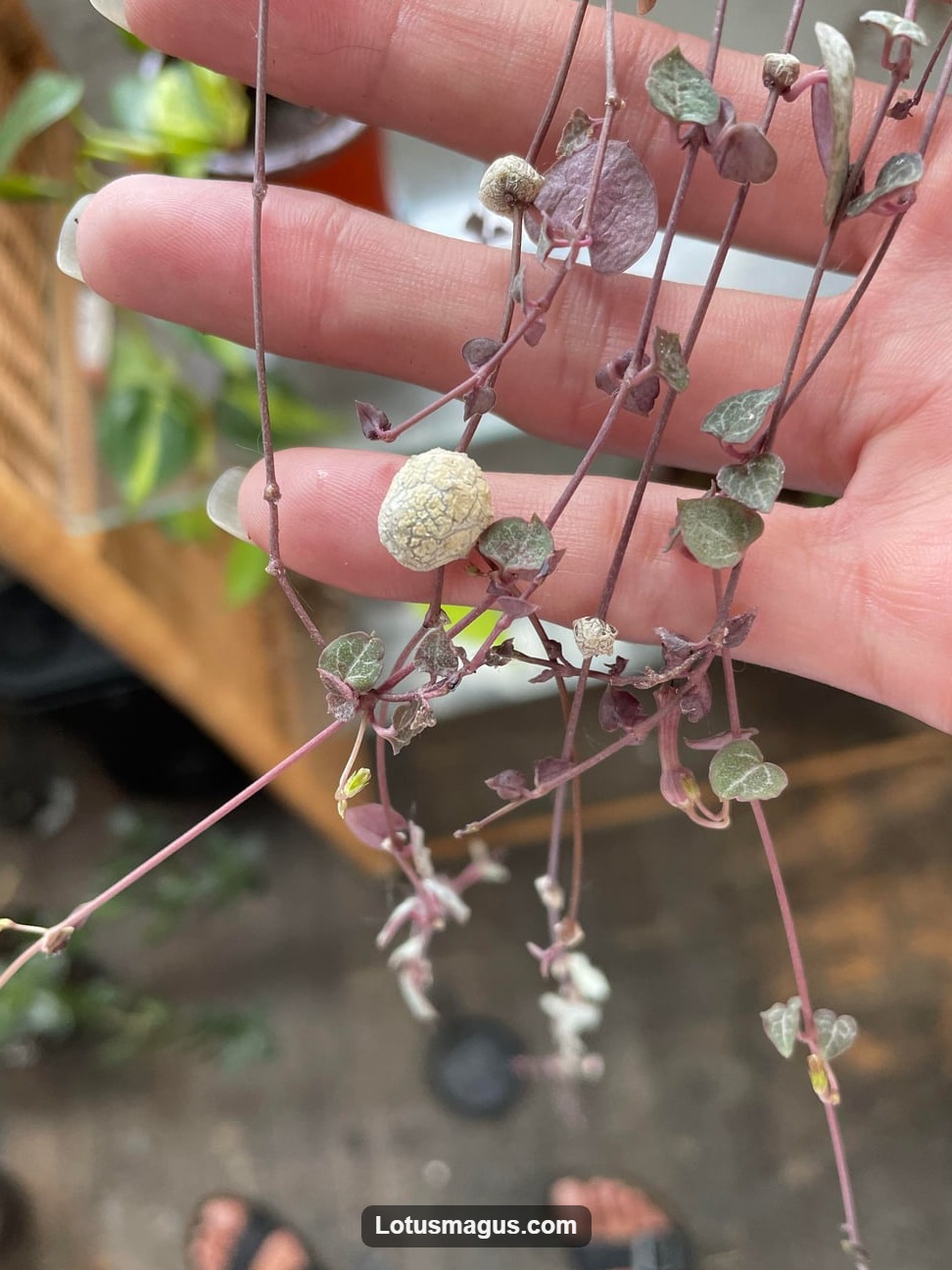
Aerial tubers, often referred to as “balls,” are a distinct feature of the String of Hearts plant, or Ceropegia woodii. These structures play a crucial role in the overall health and propagation of the plant.
What Are Aerial Tubers?
Aerial tubers are small, round, tuber-like structures that develop along the stems of the String of Hearts. They serve as storage organs for water and nutrients, allowing the plant to thrive in varying environmental conditions. Here’s a brief overview of their characteristics:
- Shape and Size: Typically spherical, they can vary in size depending on the plant’s health and environmental factors.
- Location: Found at intervals along the trailing stems, they are often visible when the plant is well cared for.
The Importance of Aerial Tubers for Plant Health
Aerial tubers are essential for the String of Hearts’ vitality. They provide several benefits:
Table of Contents
- Nutrient Storage: These tubers store nutrients that help the plant survive periods of drought. A healthy supply of nutrients contributes to robust growth and flowering.
- Water Retention: The tubers can absorb water, ensuring that the plant remains hydrated even when the soil is dry.
- Energy Reserves: They act as energy reserves during unfavorable growth conditions, allowing the plant to sustain itself until conditions improve.
How Aerial Tubers Contribute to Propagation
Propagation for the String of Hearts often involves aerial tubers, making them vital for expanding your plant collection. Here’s how they contribute to reproduction:
- Rooting Potential: Aerial tubers can develop into new plants when placed in soil. They can root and grow into full plants, making them an efficient propagation method.
- Growth Rate: Plants that develop from tubers tend to grow faster than those propagated by stem cuttings, as they already have a nutrient supply.
- Ideal Conditions: For successful propagation, ensure the tubers are healthy, and provide adequate moisture and warmth to encourage rooting.
Visual Aids for Aerial Tubers
A diagram illustrating the structure and function of aerial tubers can greatly enhance understanding. Visuals can help identify these features and demonstrate their placement on the String of Hearts, making care and propagation easier for enthusiasts. Consider including a simple visual guide in your care resources to aid in recognizing and utilizing aerial tubers effectively.
Effective Propagation Techniques for String of Hearts
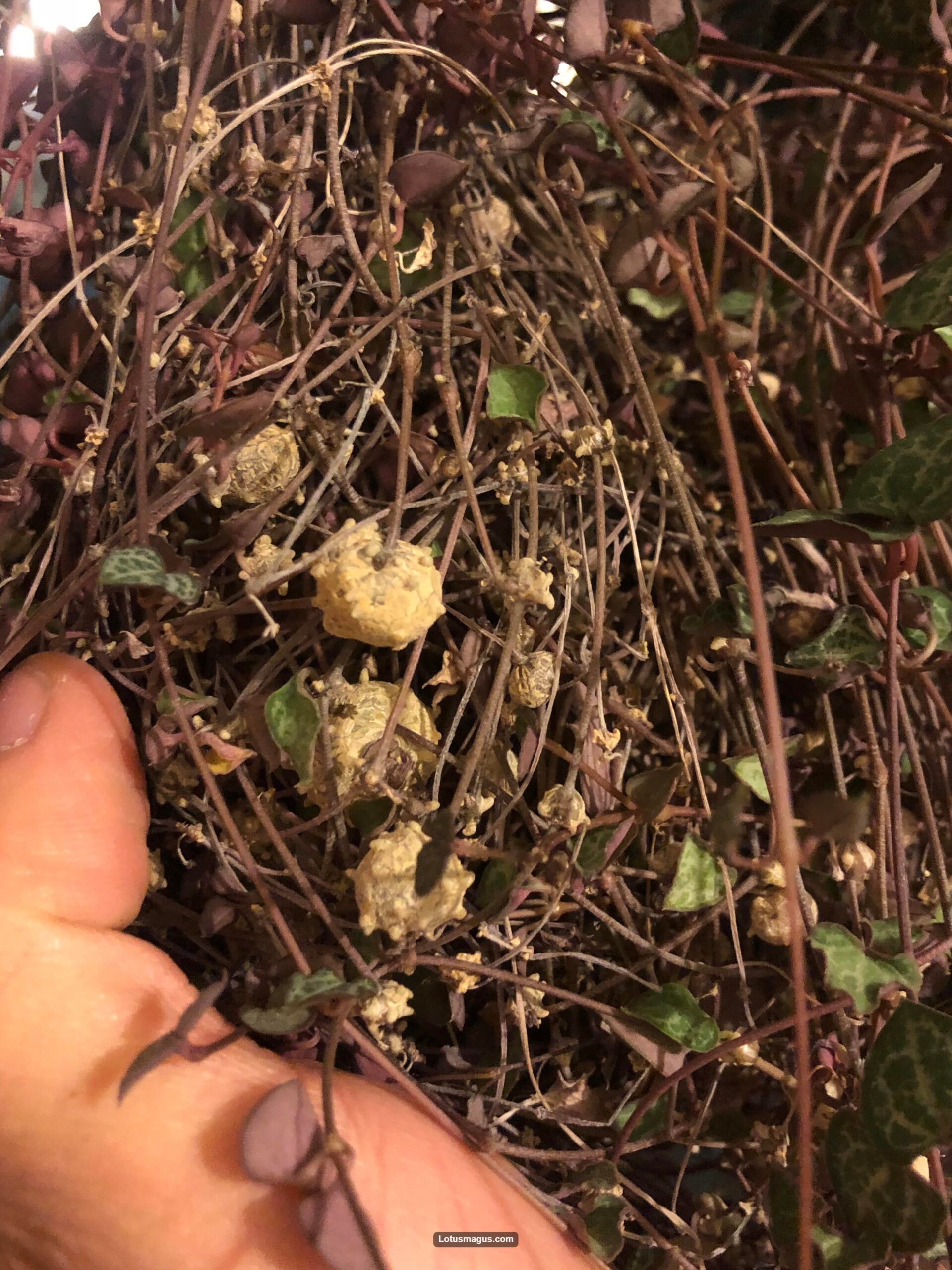
Propagating the String of Hearts, or Ceropegia woodii, through its aerial tubers is an effective method to expand your collection. This process is straightforward and rewarding, yielding vibrant new plants.
How to Propagate Using Aerial Tubers
1. Identify Healthy Tubers: Look for plump, firm aerial tubers on your existing String of Hearts plant. These are small, bulb-like structures that store nutrients and can develop into new plants.
2. Prepare for Propagation:
- Tools Needed:
- Clean, sharp scissors or pruners
- Small pots with drainage holes
- Well-draining soil mix (cactus or succulent mix works well)
- Watering can or spray bottle
- Conditions:
- Warm environment (ideally between 70-80°F)
- Bright, indirect light
3. Cut the Tubers: Carefully cut the aerial tubers from the vine. Ensure you leave a small portion of the vine attached if possible, as this can help the tuber establish roots more effectively.
4. Plant the Tubers: Fill your pots with the soil mix. Place the tubers about an inch deep, ensuring they are positioned upright.
5. Water Sparingly: Lightly water the soil to settle it around the tubers. Avoid overwatering, as this can lead to rot.
6. Monitor Growth: Place the pots in a warm, brightly lit area. Check for signs of new growth, which may take a few weeks.
Care Tips for Newly Propagated String of Hearts
Once your new plants begin to grow, it’s essential to provide the right care to ensure their successful development:
- Light Requirements: Maintain bright, indirect sunlight. Too much direct sunlight can scorch the leaves, while too little can hinder growth.
- Watering Schedule: Water when the top inch of soil feels dry. Overwatering can lead to root rot, so be cautious not to keep the soil consistently wet.
- Humidity Levels: String of Hearts enjoy a moderate humidity level. If your home is very dry, consider misting the plants occasionally.
Common Pitfalls in Propagation
Avoid these common mistakes to increase your chances of successful propagation:
- Ignoring Tubers’ Health: Only use healthy, firm tubers for propagation. Any signs of softness or decay should be avoided.
- Overwatering: It’s easy to be overzealous with water. Err on the side of underwatering, as String of Hearts are succulent and can tolerate dry conditions.
- Neglecting Light Conditions: Ensure your plants receive enough light. If they start stretching towards the light (etiolation), it’s a sign they need more brightness.
By following these steps and tips, you can effectively propagate your String of Hearts through its aerial tubers, leading to a flourishing collection of these charming plants.
Caring for Your String of Hearts Throughout Its Lifecycle
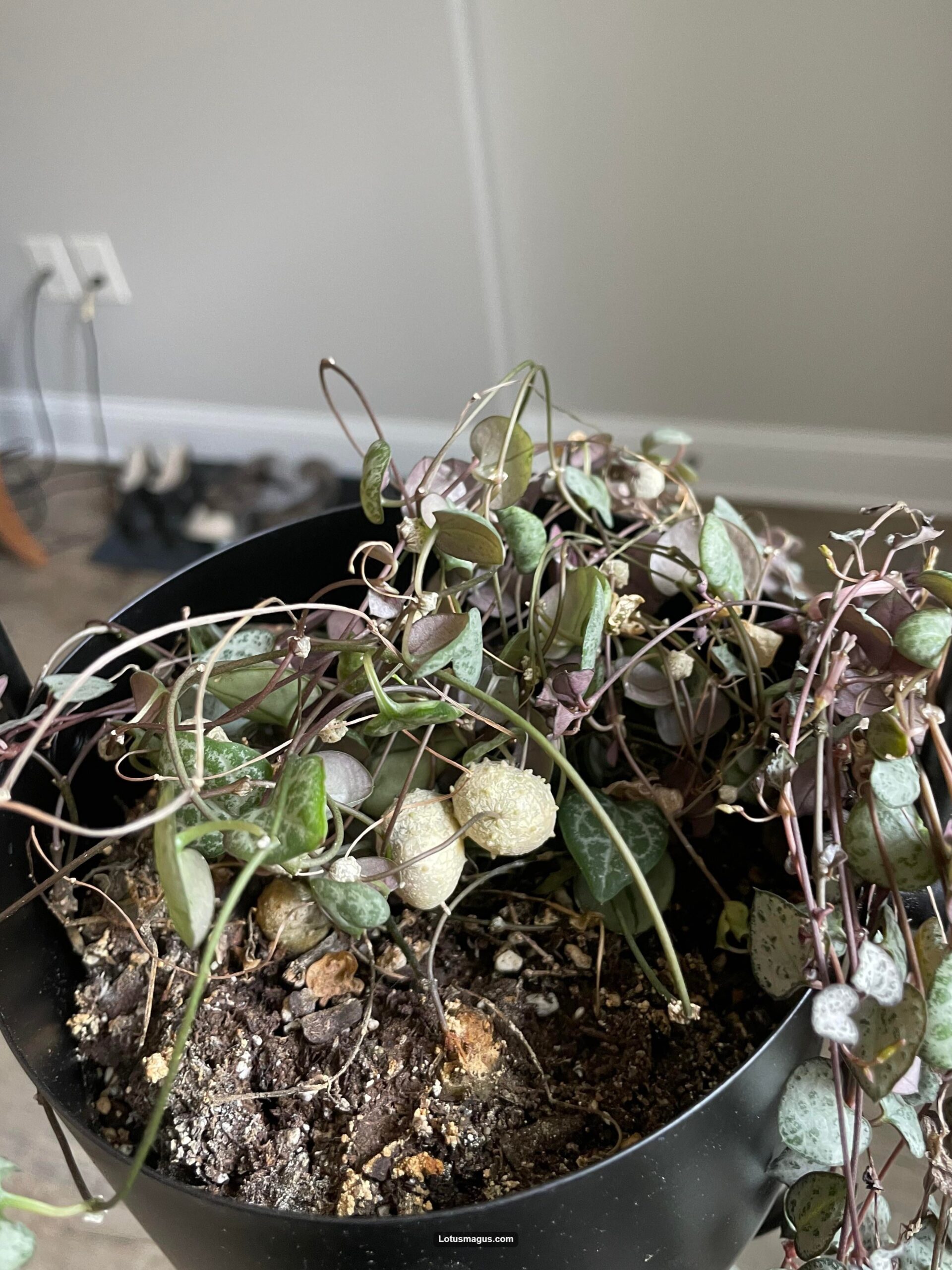
Caring for your String of Hearts, or Ceropegia woodii, requires an understanding of its needs at different growth stages. This plant thrives under specific conditions that vary from young cuttings to mature plants.
Optimal Light Conditions for Growth
String of Hearts prefers bright, indirect light. Too much direct sunlight can scorch its delicate leaves, while insufficient light leads to leggy growth. Here’s how to optimize light conditions based on growth stages:
| Growth Stage | Light Requirement |
|---|---|
| Seedlings | Bright, indirect light |
| Young Plants | Moderate to bright light |
| Mature Plants | Bright, indirect light |
Tip: Rotate your plant regularly to ensure even growth and prevent it from leaning towards the light.
Watering Needs and Schedules
Watering is crucial for the health of your String of Hearts. As a succulent, it prefers to dry out between watering sessions. Here’s a breakdown of the watering needs at different stages:
| Growth Stage | Watering Frequency |
|---|---|
| Seedlings | Every 2-3 weeks |
| Young Plants | Weekly or when soil is dry |
| Mature Plants | Every 1-2 weeks, depending on humidity |
Caution: Overwatering can lead to root rot. Always check the soil moisture before watering.
Fertilization Tips for Healthier Plants
Fertilizing your String of Hearts can enhance growth, particularly during the growing season. Consider the following fertilization guidelines based on plant maturity:
| Growth Stage | Fertilization Frequency |
|---|---|
| Seedlings | Light feeding every 4-6 weeks |
| Young Plants | Monthly during growing season |
| Mature Plants | Every 6-8 weeks with diluted fertilizer |
Example: Use a balanced, water-soluble fertilizer at half-strength to avoid burning the roots.
By understanding the specific care requirements for each growth stage, you can ensure healthy, vibrant growth for your balls on string of hearts.
Environmental Factors Influencing String of Hearts Growth
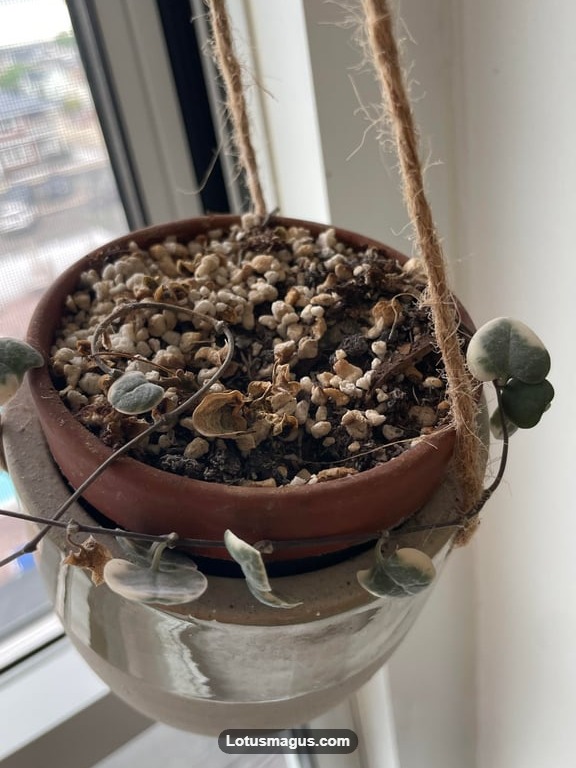
The growth of your balls on string of hearts significantly depends on environmental factors. Key aspects such as humidity, temperature, and soil conditions play crucial roles in plant health and vitality.
The Role of Humidity in Plant Health
Humidity is vital for the String of Hearts, which thrives in moderate to high humidity. Low humidity levels can lead to dry, crispy leaves. Conversely, excessive humidity may cause root rot.
- Ideal Range: Aim for 40-60% humidity.
- Tips for Increasing Humidity:
- Use a humidity tray filled with water and pebbles beneath the pot.
- Group plants together to create a microclimate.
Ideal Temperature Ranges for Optimal Growth
Temperature directly affects the growth and overall health of your balls on string of hearts. This succulent prefers warm environments.
- Optimal Temperature: 70°F to 80°F (21°C to 27°C) during the day.
- Night Temperature: Maintain around 60°F to 65°F (15°C to 18°C).
- Caveat: Extreme temperature fluctuations can stress the plant, leading to stunted growth.
Choosing the Right Soil Mix
The right soil mix is essential for healthy roots and effective water drainage. A well-draining potting mix will support the String of Hearts’ aerial tubers.
- Recommended Soil Components:
- Cactus mix or succulent mix blended with perlite for aeration.
- A drainage layer of small stones or gravel at the bottom of the pot.
Using these guidelines, you can create an ideal environment for your balls on string of hearts, ensuring robust growth and vibrant foliage.
Frequently Asked Questions
These quick answers cover the most common questions about this topic, including key details, practical tips, and common concerns.
What are the balls growing on my String of Hearts?
The balls on your String of Hearts are called aerial tubers. These small, round structures form along the stems and serve as storage organs for water and nutrients. They help the plant survive dry conditions and contribute to its overall health. A healthy String of Hearts will typically have several of these tubers, which can also be used for propagation.
Why does my plant have balls on the roots?
If you notice balls on the roots of your String of Hearts, they are likely aerial tubers that have developed from the stem. These tubers are essential for the plant’s health as they store nutrients and water. It’s important to ensure these tubers are healthy and firm, as they play a crucial role in the plant’s ability to thrive and propagate.
How long does it take for strings of hearts to propagate?
Propagation of String of Hearts using aerial tubers can take anywhere from a few weeks to a couple of months. Once planted, the tubers need time to establish roots and begin new growth. Factors such as temperature, light, and moisture levels can influence the speed of propagation. Keeping the environment warm and providing bright, indirect light will encourage faster growth.
Can I propagate my String of Hearts from the balls?
Yes, you can propagate your String of Hearts using the aerial tubers. Simply cut the healthy tubers from the vine and plant them in well-draining soil. Ensure they are positioned upright and water them lightly. With the right conditions, these tubers can root and grow into new plants, making them an effective propagation method.
What problems can arise with String of Hearts care?
Common issues with String of Hearts include overwatering, which can lead to root rot, and insufficient light, causing leggy growth. It’s crucial to monitor the soil moisture and ensure the plant receives bright, indirect light. Additionally, pests such as mealybugs and spider mites can affect the plant, so regular inspections are recommended.
How do aerial tubers compare to underground tubers?
Aerial tubers, like those found on String of Hearts, differ from underground tubers in that they develop along the stems rather than beneath the soil. Aerial tubers primarily serve as storage for water and nutrients, aiding in propagation. In contrast, underground tubers, such as those found in plants like potatoes, primarily store energy and nutrients for the plant’s growth.
Are there other plants with similar propagation methods?
Yes, several other succulent plants utilize aerial tubers or similar structures for propagation. For example, the Hoya plant also produces aerial roots that can be propagated similarly. Other succulents, like the Burro’s Tail (Sedum morganianum), can be propagated through leaf cuttings. Each plant has its unique requirements, but the concept of using specialized structures for propagation is common among succulents.