
Container gardening can transform your tropical space into a vibrant oasis. Let’s explore the best container options that make your garden flourish while adding beauty and style! Read Interesting article: Top 5 Containers for Thriving Tropical Plants
Table of Contents
Understanding the Importance of Container Gardening in Tropical Climates
When I first ventured into gardening, I was captivated by the idea of creating a lush tropical paradise right in my backyard. The vibrant colors and exotic plants brought a sense of adventure to my home. Container gardening became my go-to method, especially in the warm, humid climate we live in. I soon realized that this approach not only beautifies our living space but also offers numerous benefits for tropical gardening. Let’s dive into why container gardening is essential in tropical climates.
Benefits of Container Gardening
One of the biggest advantages I found with container gardening is its flexibility. Whether you have a small balcony or a spacious patio, containers allow us to grow plants in various locations. I remember the joy of rearranging my pots to follow the sunlight, ensuring that my plants received just the right amount of light.
Another benefit is the control you have over soil quality. In tropical climates, the native soil can sometimes be less than ideal—too clay-like or sandy. With containers, I could create a custom soil mix tailored to the needs of the specific plants. This not only improved their growth but also reduced the likelihood of pests and diseases that can thrive in the ground.
Container gardening also allows for easier mobility. If I notice a plant struggling, I can simply move its container to a better spot without disturbing its roots. This adaptability has saved many of my plants from the harsh sun during the peak summer months. Plus, if a storm is approaching, I can quickly move my containers to a sheltered area, protecting my beloved plants.
Challenges of Tropical Gardening
However, it’s not all sunshine and rainbows. Tropical gardening does come with its challenges. I’ve faced issues like drainage and watering. Containers can dry out quickly in the heat, requiring more frequent watering than traditional garden beds. I’ve learned to stay vigilant, checking the moisture levels regularly to ensure my plants don’t suffer.
Another challenge is the potential for root-bound plants. If I let a plant stay in a container for too long without repotting, the roots can become cramped and stunted. I’ve had to learn the hard way that certain tropical plants, like palms or orchids, outgrow their containers faster than I expected. Keeping an eye on their growth and repotting when necessary is essential to their overall health.
Additionally, I’ve realized that not all containers are created equal. Some materials retain heat, which can stress plants. Others may not provide adequate drainage, leading to root rot. Understanding the characteristics of each container type has been crucial for my success.
Best Types of Containers for Tropical Plants
With so many container options available, I’ve spent quite a bit of time experimenting to find the best ones for my tropical plants. Each type of container brings its own unique benefits and challenges. Let’s break down some of the most common materials and what I’ve learned about them.
Material Options: Plastic, Clay, and Metal
Plastic containers are lightweight and easy to move, which I love, especially when I’m rearranging my garden. They come in various colors and sizes, allowing for creativity in my garden design. However, I’ve noticed they can heat up quickly in direct sunlight, so it’s essential to keep an eye on the temperature of the soil.
Clay pots, on the other hand, are great for their breathability. They allow for better airflow to the roots, which is crucial in humid conditions. I personally enjoy the rustic look of clay, which adds a charming touch to my garden. But they can be heavy and prone to cracking. I’ve had a few mishaps where a pot slipped from my hands, leading to a bit of a mess!
Metal containers offer a modern aesthetic and can be quite durable. I’ve seen some stunning galvanized planters that add a unique flair to outdoor spaces. The downside is that they can heat up quickly, potentially damaging the roots of my plants. I’ve learned to place them in partial shade to keep the soil cooler during hot days.
Size Considerations for Tropical Plants
When it comes to size, I’ve found that larger containers are generally better for tropical plants, especially those with extensive root systems. It’s tempting to opt for smaller pots to save space, but I’ve learned that they often need more frequent watering and fertilization. For plants like banana trees or hibiscus, larger containers allow for better growth and stability.
I also take into account the height of the plant. Taller plants benefit from deeper containers to support their roots, while trailing plants can thrive in shallower pots. I remember planting some beautiful trailing vines in a shallow container, only to find they needed more depth for their roots as they grew. Lesson learned!
Drainage and Aeration Features
One of the most critical aspects of container gardening is drainage. I always make sure that my containers have proper drainage holes. Without them, excess water can accumulate, leading to root rot and other issues. I’ve learned to check the bottom of each pot after watering to ensure that water drains appropriately.
Some containers come with additional features, like built-in drainage trays or aeration systems. I find these especially helpful because they provide extra protection against overwatering. Monitoring the moisture level in my pots has helped me prevent many issues. Investing in quality containers with good drainage has made a significant difference in the health of my plants.
Top Container Options for Specific Tropical Plants
As I’ve dived deeper into the world of container gardening, I’ve learned that not all tropical plants thrive in every type of container. Each plant has its unique needs, and finding the right fit can make all the difference in their health and growth. Here’s what I’ve discovered about the best containers for some popular tropical plants. Read Interesting article: Container Vegetables: Best Varieties for High Yields
Containers for Palms
Palms are some of my favorite tropical plants due to their striking appearance and ability to bring a sense of the tropics to any space. When choosing containers for palms, I recommend going for larger, sturdy options. I’ve found that heavy-duty plastic or clay pots work well because they provide stability for the tall, top-heavy nature of these plants.
It’s essential to ensure that the container has ample drainage holes. I once made the mistake of using a shallow pot for a young palm, thinking it would be easier to manage. Unfortunately, the lack of space for root expansion stunted its growth. A wider container allows the roots to spread, leading to a healthier, more vibrant palm. Additionally, I’ve noticed that using a container with a saucer can help catch excess water while allowing for proper drainage.
Containers for Orchids
Orchids are a bit of a challenge, but they are so worth the effort! For orchids, I recommend using clear plastic pots with good drainage. I’ve found that clear pots allow me to monitor the roots and ensure they are healthy. Orchids thrive in well-aerated environments, and transparent containers enable light to reach the roots, encouraging photosynthesis.
I also prefer pots designed specifically for orchids, which often have larger drainage holes and slatted sides to promote airflow. During my first attempt at growing orchids, I used a standard ceramic pot, and unfortunately, I didn’t realize how important aeration was. Switching to clear plastic pots made a world of difference in my orchid’s growth and blooming potential.
Containers for Ferns
Ferns are another beautiful addition to any tropical garden, but they do require specific conditions to thrive. I’ve found that they prefer containers that retain moisture but also have good drainage. A porous container, like unglazed clay or specialized fern pots, keeps the soil moist without waterlogging the roots.
When selecting a container for ferns, I usually go for wider, shallow pots, as ferns tend to spread out rather than grow tall. I remember when I first planted my Boston fern in a narrow, deep pot; it didn’t quite flourish as I had hoped. Since switching to a broader container, my fern has become lush and vibrant, truly a centerpiece in my garden.
Containers for Succulents and Cacti
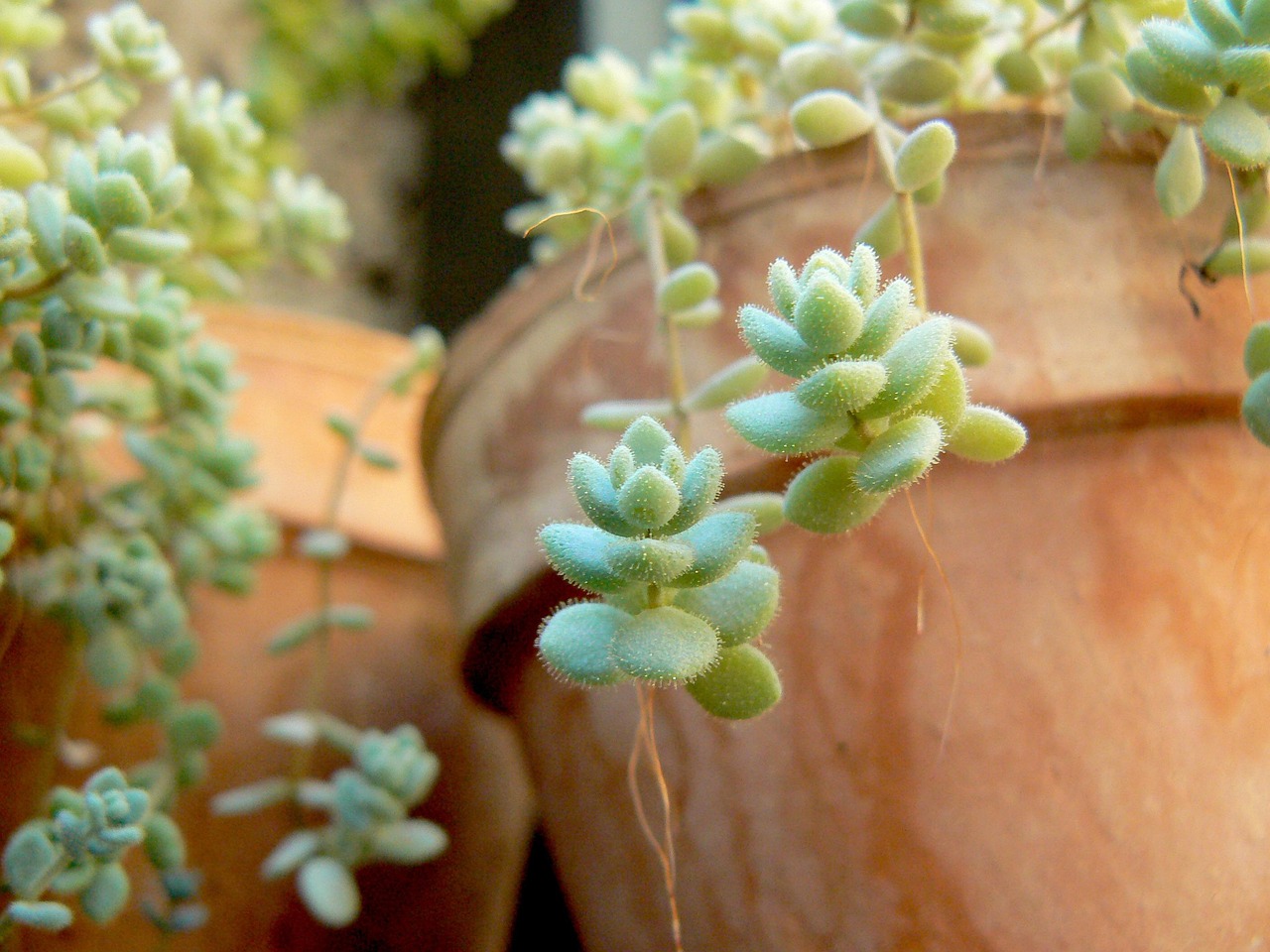
When it comes to succulents and cacti, the container choice is crucial because these plants are particularly sensitive to overwatering. I’ve learned that terracotta pots are fantastic for these types of plants due to their breathability and ability to wick away excess moisture. The porous nature of terracotta helps me prevent root rot, which I’ve struggled with in the past.
I also like to use shallow containers for succulents, as they have a relatively shallow root system. In my experience, a wide, shallow container allows for better air circulation and helps prevent water from accumulating at the bottom. I once made the mistake of using a deep pot for my succulents, and while they looked cute, they didn’t thrive until I switched to shallower pots.
How to Choose the Right Container for Your Tropical Garden
Choosing the right container isn’t just about aesthetics; it can significantly impact the health of your plants. From my journey, I’ve gathered some essential tips to help guide your decision.
Assessing Plant Size and Growth Habits
Before selecting a container, it’s crucial to consider the size and growth habits of the plants you want to grow. I often take a moment to visualize how big the plant will get and how much space its roots will need. For instance, if you’re planning to grow a large tropical tree, a spacious container is non-negotiable. A small pot will only lead to stunted growth and frequent repotting.
For smaller plants or those that prefer compact roots, you might choose a smaller pot. I remember planting a petite bromeliad in a pot that was too large, thinking it would allow for growth. Instead, it struggled to adapt. Now, I pay close attention to the plant’s growth pattern before making my selection.
Climate Considerations: Heat and Humidity
Considering the local climate is another key factor when choosing a container. In hot, humid conditions, materials like plastic can heat up quickly, potentially damaging the plant’s roots. I’ve found that opting for materials that offer insulation or are less prone to temperature fluctuations is beneficial in such climates.
Additionally, if you live in an area with heavy rain, selecting containers with excellent drainage is crucial. I remember a rainy season where I lost a few plants due to poor drainage in my pots. Now, I always check for proper drainage features before bringing a new container home.
Design and Aesthetic Appeal
While functionality is essential, I believe the look of the container can enhance the overall beauty of your garden. I enjoy mixing and matching different pot styles, colors, and textures to create a vibrant atmosphere. It’s like painting a picture with plants as my palette!
However, I’ve learned that the design should also complement the plants. A modern, sleek pot can look stunning with the right tropical foliage, while a rustic pot might suit a more traditional look. Taking the time to consider both style and function has made my container garden not only flourishing but also visually appealing.
Best Practices for Container Care in Tropical Gardens
Taking care of container plants in a tropical garden is an ongoing adventure. Over the years, I’ve learned some best practices that have significantly improved the health and beauty of my plants. Whether you’re a seasoned gardener or just starting, these tips can help you keep your container garden thriving in our warm, humid climate.
Watering Techniques for Container Plants
Watering is perhaps the most critical aspect of container gardening, especially in the tropics where temperatures can soar. I’ve experienced firsthand how quickly containers can dry out under direct sunlight. My approach now involves a couple of key techniques to ensure my plants are well-hydrated.
- Check Soil Moisture: I’ve learned to use my finger to check the top inch of soil. If it feels dry, it’s time to water. I used to just water on a schedule, but now I pay more attention to the moisture levels.
- Water Deeply: When I water, I make sure to do it thoroughly. I let the water soak through the drainage holes at the bottom to ensure all the roots receive moisture. This deep watering encourages the roots to grow downwards, promoting a stronger plant.
- Consider Watering Frequency: Depending on the plant and the weather, I adjust my watering frequency. On particularly hot days, I might even check my plants twice a day. I’ve found that some plants, like ferns, prefer consistent moisture, while others, like succulents, need to dry out between waterings.
Fertilization Tips for Tropical Container Gardens
Fertilizing is another essential aspect that I’ve learned to navigate carefully. Container plants often deplete nutrients faster than those in the ground, so I’ve developed a fertilization routine that works for me.
- Choose the Right Fertilizer: I look for slow-release fertilizers that provide a steady supply of nutrients over time. This has made a noticeable difference in my plants’ growth. Additionally, I keep an eye on the specific needs of each plant, as some may require more frequent feeding than others.
- Feed During Growing Season: I usually fertilize my plants during the growing season, which in the tropics can be year-round. This means I’m more consistent in keeping up with their nutrient needs, especially for heavy feeders like hibiscus.
- Watch for Signs of Nutrient Deficiency: I’ve learned to recognize signs of nutrient deficiency, like yellowing leaves or stunted growth. If I notice these, I adjust my fertilization routine accordingly. It’s all about listening to what the plants are telling me!
Pest and Disease Management
Pests and diseases can be a real challenge in tropical gardening, especially when plants are in containers. I’ve had my share of battles, so I want to share what has worked for me.
- Regular Inspections: I make it a habit to inspect my plants weekly. This helps me catch any issues early on. I look under the leaves and along the stems for signs of pests, such as aphids or spider mites. Prevention is key!
- Natural Remedies: Whenever I spot an infestation, I prefer using natural remedies first. A mixture of water and mild soap has worked wonders for me. I spray this solution directly on the affected areas, and it often helps in keeping pests at bay.
- Keep Plants Healthy: I believe that healthy plants can better withstand pests and diseases. By ensuring my plants are well-watered and fertilized, I’ve noticed they become more resilient. It’s amazing how a little care can go a long way in prevention!
Frequently Asked Questions
What is container gardening and why is it important in tropical climates?
Container gardening involves growing plants in pots or containers rather than directly in the ground. In tropical climates, it is important because it allows for flexibility in plant placement, better control over soil quality, and easier mobility to adapt to changing weather conditions.
What are the benefits of container gardening in tropical areas?
Some benefits include flexibility in arranging plants, control over soil quality suited for specific plants, mobility to move containers as needed, and the ability to protect plants from harsh weather conditions like storms.
What challenges might one face when gardening in containers in tropical climates?
Challenges include the quick drying out of containers in heat, the risk of plants becoming root-bound if not repotted in time, and the need to select appropriate container materials that provide good drainage and temperature control.
What are the best materials for containers used in tropical gardening?
Common container materials include plastic, which is lightweight but can heat up quickly; clay, which provides breathability but can crack; and metal, which offers durability but also risks overheating. Each type has its own benefits and challenges.
How do I choose the right size of container for my tropical plants?
Larger containers are generally better for tropical plants with extensive root systems, while smaller pots may suit compact-rooted plants. It’s important to consider the plant’s eventual size and root needs when selecting a container.
What features should I look for in containers to ensure proper drainage?
Containers should have proper drainage holes to prevent excess water accumulation. Some may also come with built-in drainage trays or aeration systems that help protect against overwatering.
What container options are recommended for specific tropical plants like palms and orchids?
For palms, larger, sturdy containers with good drainage are recommended. Orchids thrive in clear plastic pots with excellent drainage to promote aeration. Each plant type has specific needs that should be considered when selecting containers.
What are some best practices for watering container plants in tropical gardens?
Best practices include regularly checking soil moisture, watering deeply to ensure roots receive moisture, and adjusting watering frequency based on plant needs and weather conditions.
How often should I fertilize my container plants in tropical climates?
Fertilization should occur during the growing season, which can be year-round in tropical areas. Using slow-release fertilizers and adjusting based on the specific needs of each plant can help maintain nutrient availability.
What pest and disease management techniques can I use for container plants?
Regular inspections for pests, using natural remedies like soap and water for infestations, and maintaining healthy plants through proper watering and fertilization can help manage pests and diseases effectively.