
Many strawberry varieties are cold hardy, typically surviving temperatures down to -20°C (-4°F), especially in USDA zones 4 through 9. Hardiness varies by cultivar and growing conditions.
This article explains strawberry cold hardiness, highlighting zone ranges, winter survival strategies, and differences among cultivars. It helps growers determine if their strawberries can withstand winter conditions and how to protect them if needed.
Key Conditions That Change Are Strawberries Cold Hardy
The ability of strawberries to survive winter depends on various environmental and cultivar-specific factors. While many varieties are naturally resilient to cold, certain conditions can significantly influence their survival and performance during the colder months.
1. The factors with the biggest effect
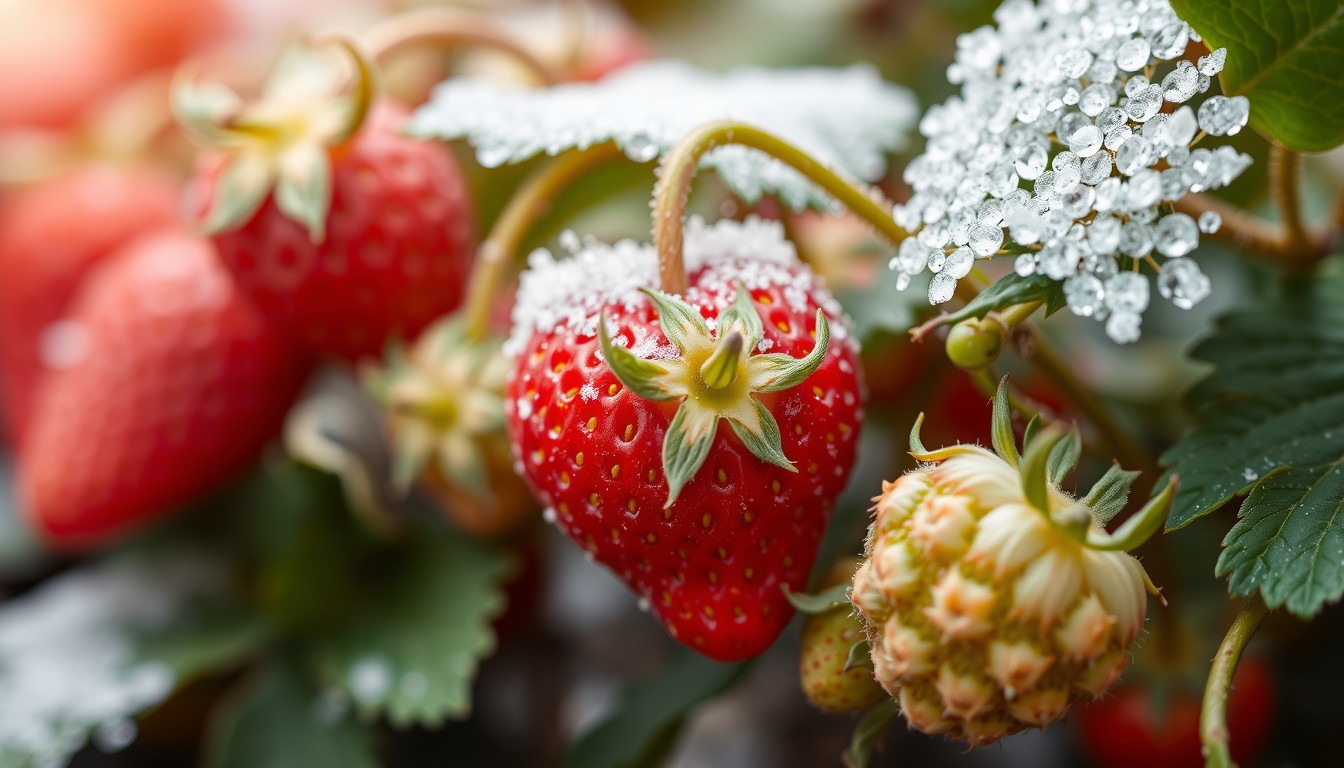
Temperature is the primary factor determining whether strawberries can endure winter. Most hardy varieties can survive temperatures down to about -20°C (-4°F), especially in USDA zones 4 through 9. However, if temperatures fall below this threshold or fluctuate rapidly, plants may suffer damage. Additionally, snow cover can act as an insulator, protecting plants from extreme cold, while the absence of snow exposes them to harsher conditions.
Soil conditions also influence winter hardiness. Well-drained, rich loam helps prevent root rot and protects the plant’s crown from freezing. Wet, compacted soil can retain moisture and freeze, which may lead to plant injury. Moreover, plant health and vigor play a role; stressed or weak plants are less capable of withstanding cold snaps.
2. What evidence or details to check
Growers should verify the USDA hardiness zone specific to their location, as this indicates the typical minimum temperatures the area experiences. Checking local weather records provides real-time insights into winter conditions, including temperature lows and snow cover duration. Additionally, understanding the cultivar’s cold hardiness rating is crucial, as some varieties like Chandler and Allstar are more adaptable to colder climates.
Assessing past winter performance of specific strawberry cultivars can help predict future resilience. Growers can also inspect soil drainage and overall plant health before winter sets in, ensuring optimal conditions for winter survival. Finally, observing how neighboring plants and the landscape shield or expose strawberries to elements offers practical guidance.
Table of Contents
3. When the usual advice does not apply
In regions with unpredictable or severe winter weather, standard hardiness guidelines may not suffice. Extended cold spells, rapid temperature drops, or lack of snow cover can cause unexpected damage even to hardy varieties. In such scenarios, supplemental protection measures—such as mulching or covering plants with fabric—become necessary.
Another instance occurs when plants are exposed to microclimates that differ from regional averages. For example, sheltered spots might allow strawberries to survive colder temperatures than open areas. Conversely, exposed locations or poorly draining soil increase risk, requiring extra winter care.
Ultimately, understanding specific local conditions, cultivar traits, and proactive measures ensures that the question ‘are strawberries cold hardy?’ is answered accurately for each situation, highlighting the importance of context in winter survival predictions.
How to Evaluate Are Strawberries Cold Hardy Before Acting
Before protecting or planting strawberries in your region, assessing their cold hardiness is crucial. Use specific signals and evidence to determine if your strawberries can survive upcoming cold weather without additional shelter or safety measures.
1. What to check first
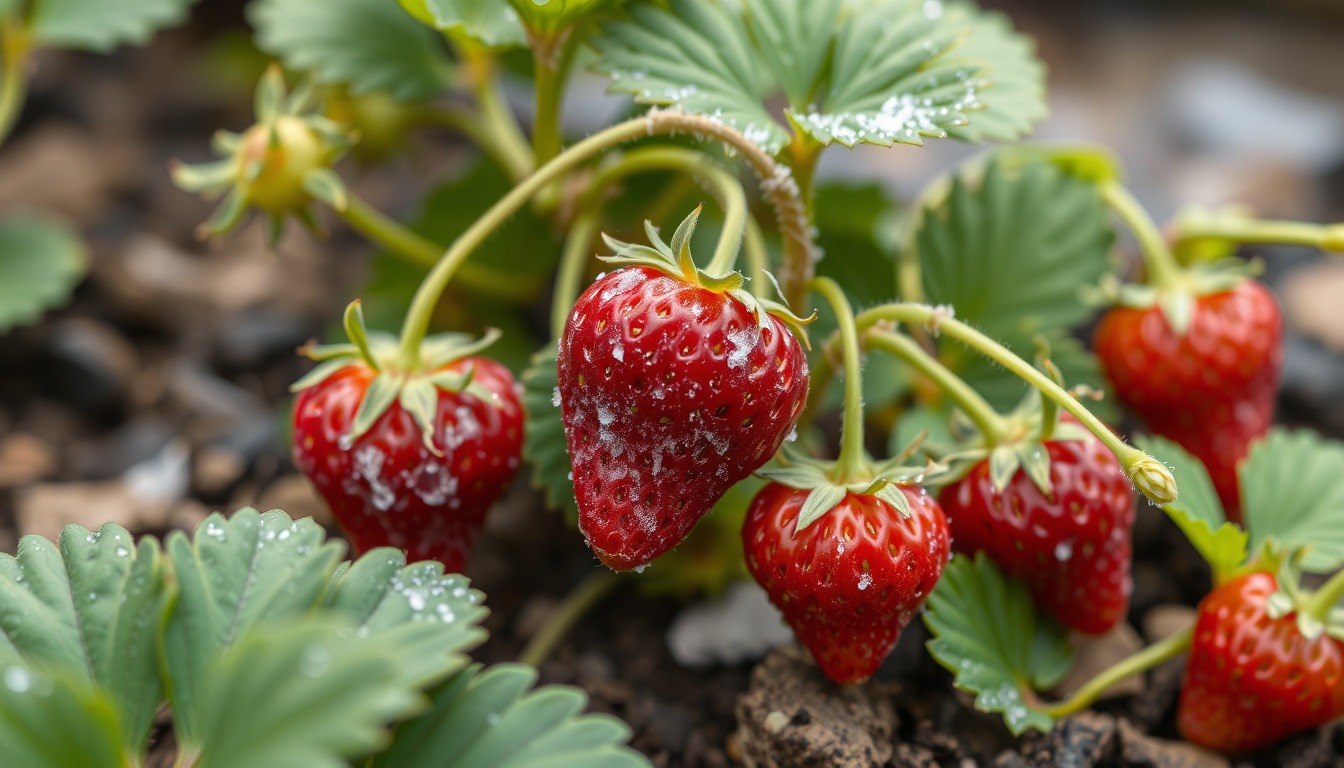
Begin by identifying your local USDA hardiness zone. Strawberries generally thrive and survive well in zones 4 through 9, with some varieties tolerating temperatures as low as -20 °C (-4 °F). Ensure your location aligns with these zones, but remember that microclimates—such as sheltered spots or indoor growings—can influence plant survival.
Next, determine the variety you’re growing. Some cultivars like Chandler and Allstar are bred for cold tolerance, making them better suited for colder zones. Check if your specific variety is naturally hardy or if it’s more susceptible to frost damage.
2. How to interpret the result
If your zone and variety suggest good cold hardiness, your strawberries likely can withstand typical winter temperatures. In zones 4 and 5, plants are expected to survive temperatures down to about -15 °C (-5 °F), provided they are properly established and grown in well-drained soil.
If your location experiences temperatures below this threshold or shows signs of microclimates that cause colder conditions, additional protection becomes necessary. Look for signals like frost damage, leaf discoloration, or crown injury in previous seasons, which indicate the plant’s limits.
Evidence of successful overwintering in past years, especially with minimal protection, strongly indicates that your strawberries are naturally cold hardy. Conversely, if plants consistently suffer winter damage, consider cultivar selection or implementing winter safeguards such as mulching or covers.
In sum, evaluating factors like your specific USDA zone, plant variety, and historical weather patterns provides a clear picture of whether your strawberries are inherently cold hardy or need extra winter care.
A Step-by-Step Approach to Are Strawberries Cold Hardy
Determining whether your strawberries can survive winter conditions requires a practical, evidence-based process. Follow these steps to assess and enhance their cold hardiness effectively.
1. Prepare the essentials
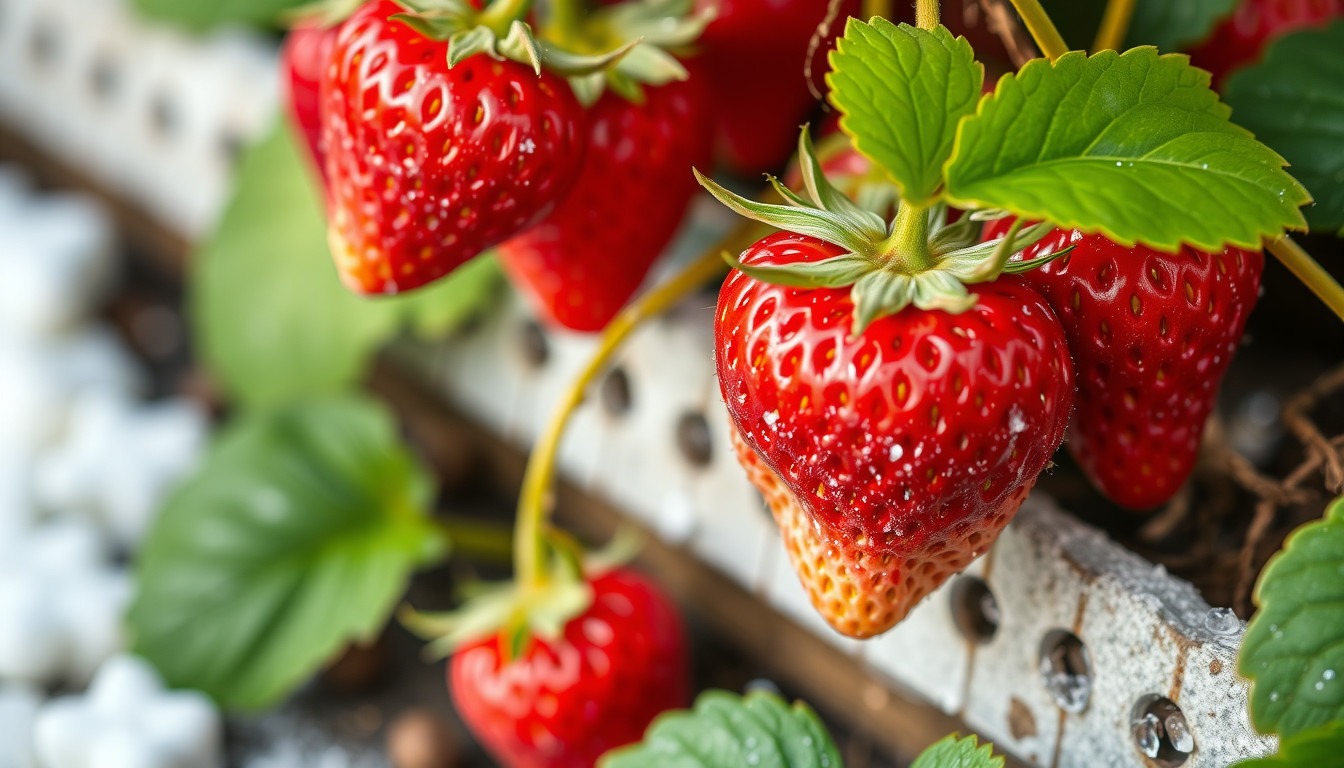
Identify your strawberry variety and check its USDA hardiness zone. Cultivars like Chandler and Allstar are generally more tolerant of colder temperatures, especially those rated for USDA zones 4 through 9. Ensure your planting site has well-drained, loamy soil to reduce winter waterlogging, which can cause root damage. Gather necessary protective materials such as mulch, straw, or frost covers, especially if you live in an area with extreme cold or unpredictable frosts.
2. Take the first action
Observe your plants during the late growing season and into early winter. Look for signs of hardiness, such as minimal winter damage in previous years or consistent health after cold spells. Test their resilience by noting how they respond to naturally occurring frosts. If you plan to plant new strawberries, select cultivars known to be cold hardy within your zone and plant them at the appropriate depth, ensuring crowns are well covered in soil or mulch for insulation.
3. Check the early result
In early winter, inspect the plants for any signs of stress, such as leaf discoloration or crown injury. Plants that sustain little or no damage are likely naturally cold hardy. Conversely, if frost or low temperatures cause visible harm, consider that your strawberries may have limited cold tolerance or that protection measures are insufficient. Document these observations to inform future decisions about cultivar selection and winter protection strategies.
4. Adjust for changing conditions
If the plants show signs of cold damage or if you anticipate harsher weather, add protective mulch, straw, or row covers before the cold intensifies. Mulching above the crowns helps insulate roots and prevents desiccation. For areas with fluctuating winter temperatures, consider erecting windbreaks or using seasonal covers to buffer plants from rapid temperature swings. Regularly monitor weather forecasts and adjust your protection measures accordingly. If your plants repeatedly struggle despite these efforts, switching to more cold-hardy cultivars or relocating the strawberries to a more protected microclimate could improve survival rates.
Choosing the Right Approach for Your Situation
Selecting a winter strategy hinges on whether your strawberries are inherently cold hardy or require extra protection. Understanding the conditions where each method excels ensures the best chance of survival and productivity.
1. When the simpler approach fits
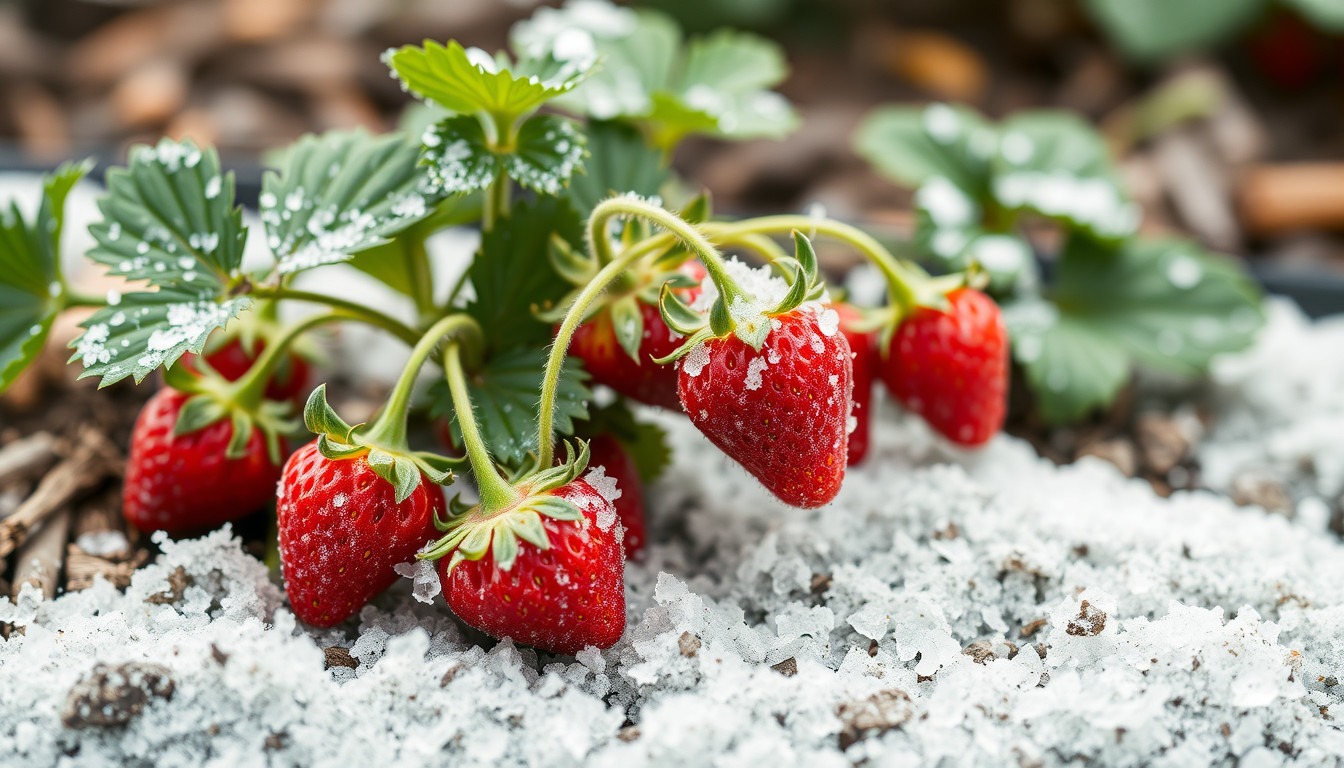
If you live in a climate with milder winters or in USDA zones 4 through 9 where temperatures rarely dip below -10°C (14°F), planting resilient, cold-hardy varieties like Chandler or Allstar can often suffice. In these conditions, minimal winter cover and basic mulching can protect the plants from frost damage. This approach reduces effort and cost, especially if you can rely on natural snow cover or mild winter temperatures.
2. When a more involved approach is justified
In areas with harsher winters—temperatures frequently fall below -15°C (5°F)—more comprehensive protection becomes necessary. This may include installing row covers, building windbreaks, or adding thick mulch layers such as straw above the crowns. In some cases, relocating plants to microclimates like south-facing walls or sheltered garden beds offers better winter survivability. These measures require extra planning and maintenance but significantly improve plant resilience in severe cold spells.
3. Trade-offs to consider
- Effort versus protection
- Simple strategies demand less time but may leave plants vulnerable in extreme cold. More involved methods provide higher protection but increase labor and cost.
- Cost of materials
- Basic mulching is inexpensive, whereas installing protective structures or purchasing specialized covers can be costly. Evaluate your budget and climate risk before investing.
- Plant diversity
>
- Using cold-hardy varieties can reduce the need for extensive protection, ideal for less labor-intensive gardening. Less hardy types may require tailored winter measures to thrive.
Mistakes That Change the Result
Growing strawberries successfully through winter requires understanding their cold hardiness. Common errors can jeopardize the plants’ survival and productivity. Recognizing these mistakes and making practical corrections ensures better winter outcomes for your strawberries.
1. Mistaking a symptom for a cause
One frequent error is misreading plant damage caused by cold as a result of poor soil or watering issues. For example, yellowing leaves or blackened tips might be mistaken for nutrient deficiency or overwatering, but in reality, they often stem from frost injury. Addressing the root cause—exposure to a cold snap—requires protective measures rather than adjusting watering or fertilizing routines. Correcting this involves providing appropriate winter cover, such as mulch or row covers, especially in climates where temperatures can dip below 28°F (-2°C).
2. Skipping a critical condition
Many growers neglect to evaluate when their specific strawberry varieties are truly cold hardy. Not all types tolerate the same minimum temperatures; while some thrive in USDA zones 4-9, others might struggle below zone 5. Failing to match plant variety with local climate conditions leads to inadequate protection during winter. To prevent damage, verify the hardiness zone and select cultivars—like Chandler or Allstar—that are proven to withstand colder temperatures. If planting less hardy types in regions with harsher winters, additional safeguards such as extra mulching, windbreaks, or even moving pots indoors may be necessary.
Understanding these common mistakes aids in troubleshooting. Corrective actions include properly identifying plant injuries and matching cultivar hardiness to the local climate. Implementing targeted winter protection based on these insights will improve strawberry survival rates and last-level productivity through the cold months.
When to Adapt or Seek More Help
Assessing whether your strawberry plants are truly cold hardy or need additional winter protection can be challenging. Making informed decisions ensures your plants survive and thrive regardless of climate variations.
1. Next Steps
If your strawberries are in a region with harsh winters, verify the plant varieties’ hardiness zones before planting. Cold hardy varieties like Chandler and Allstar generally tolerate lower temperatures, but plants outside these classifications may require extra measures. Observe your plants during early cold spells. Signs of stress or damage suggest that your approach needs adjusting.
Implement measures such as mulching heavily, installing windbreaks, or moving containers indoors if necessary. These safeguards can prevent frost damage and prolong plant health. Keep detailed records of winter conditions and plant responses to refine strategies in subsequent seasons.
2. Limitations
Understanding the limits of strawberry cold hardiness prevents disappointment. Many varieties can withstand brief cold snaps but might struggle during prolonged freezing. If your region experiences temperatures below 28°F (-2°C), even hardy cultivars may be at risk without additional protection. Also, improper site selection—such as planting in exposed, windy areas or in poorly drained soil—reduces natural cold tolerance.
Relying solely on plant hardiness zones without considering microclimates and specific winter conditions can lead to inadequate protection. When in doubt, consulting local gardening experts or extension services can provide tailored advice. They can help identify the most suitable cultivars or recommend regional winter protection techniques.
Monitoring conditions and recognizing early signs of plant distress enable timely interventions. Be prepared to change your approach if current methods fail, whether that means adding protective barriers, adjusting planting times, or switching to more resilient strawberry varieties.
Frequently Asked Questions
1. What is the most important thing to know about are strawberries cold hardy?
Their ability to survive winter depends on the cultivar’s cold tolerance and local environmental conditions, especially temperature and soil drainage.
2. What should I check first?
Verify your area’s USDA hardiness zone and the specific cultivar’s cold hardiness rating to assess if your strawberries are naturally suited for winter conditions.
3. What commonly causes problems for cold hardiness?
Problems often arise from temperatures dropping below -20°C (-4°F), poorly drained soil, lack of snow cover, and plant stress or poor health before winter.
4. What is the safest next step?
If in doubt, apply protective measures such as mulch or covers, especially in microclimates or if your cultivar’s hardiness is borderline for your winter temperatures.
5. How long should I expect this to take?
Protective efforts like mulching can be applied in a matter of hours before cold weather, with monitoring and adjustments throughout winter for best results.
6. When should I use a different approach?
If your strawberries consistently suffer winter damage despite protections, consider selecting more cold-hardy cultivars or providing more substantial insulation and drainage improvements.
7. When should I ask a qualified expert?
Seek expert advice if winter damages are frequent or severe, if you’re unsure about local microclimates, or when planning cultivar choices for difficult climates.