
If you want to create a tropical paradise on your patio, understanding how to fertilize your container plants is key. Let’s dive into the essentials that will help your plants thrive!
Table of Contents
Understanding Tropical Container Plants
Tropical container plants are a delightful way to bring a splash of exotic beauty to our homes and gardens. From vibrant blooms to lush foliage, these plants offer a warm, inviting atmosphere. However, caring for them goes beyond just watering and sunlight; proper fertilization plays a pivotal role in their growth and health. I remember when I first started growing tropical plants in containers; I was amazed at how much they thrived once I learned how to properly feed them. Let’s explore the fascinating world of tropical container plants, the benefits they bring, and the ideal climate conditions they prefer. Read Interesting article: Create the Perfect Soil Mix for Your Tropical Container Plants
Types of Tropical Container Plants
When it comes to tropical container plants, the options are endless. Some of my favorites include:
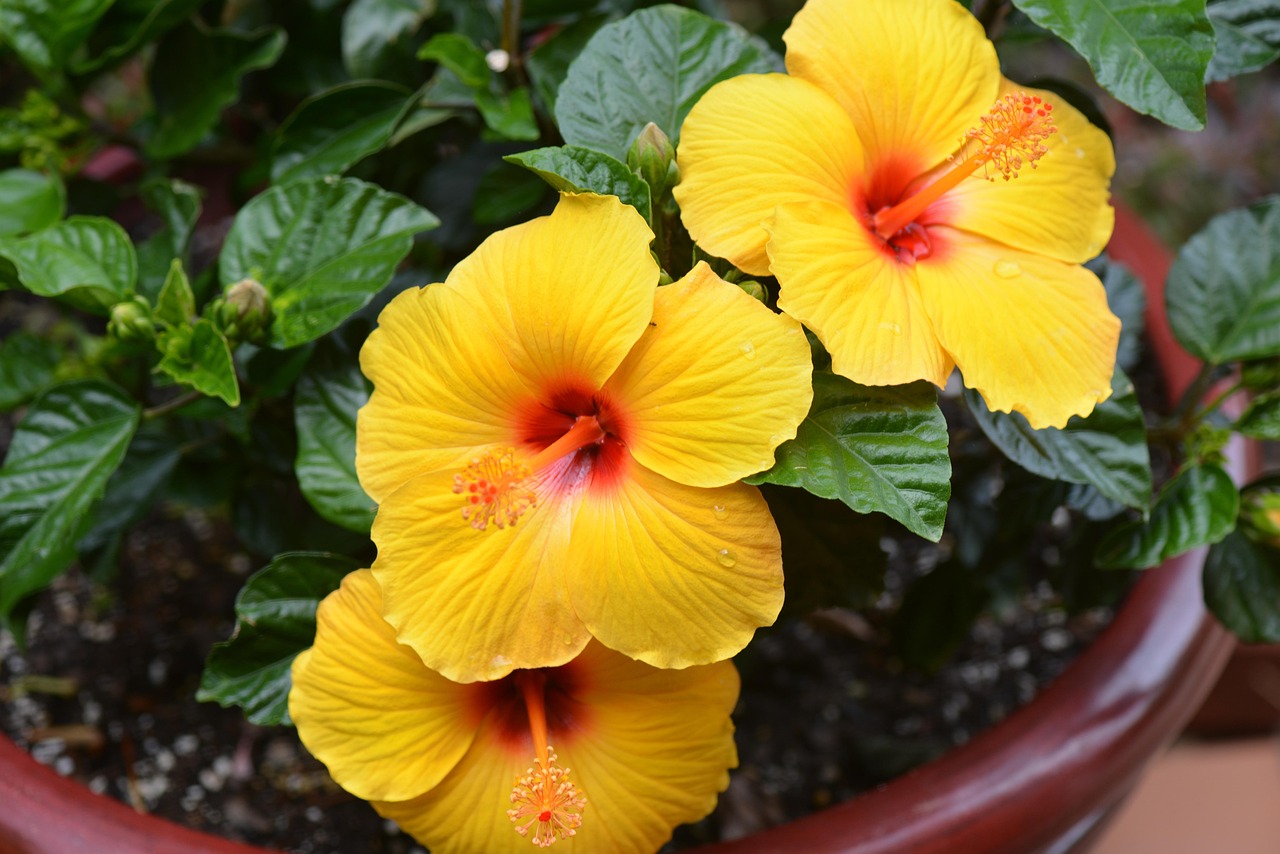
- Hibiscus: Known for their large, colorful flowers, they bring a tropical flair.
- Bird of Paradise: With its unique shape and vibrant colors, it truly stands out.
- Orchids: These stunning blooms add elegance and variety.
- Palm Trees: For that quintessential tropical vibe, small palms are perfect for containers.
- Ferns: They add lush greenery and are often more forgiving if you’re new to plant care.
Each type of plant has its own requirements, but they all thrive in similar conditions. I’ve found that understanding what each plant needs goes a long way in helping them flourish.
Benefits of Growing Tropical Plants in Containers
One of the biggest advantages of growing tropical plants in containers is their flexibility. I love being able to rearrange my plants to catch the best sunlight or to create a stunning display for gatherings. Additionally:
- Mobility: You can easily move your plants indoors during colder months or extreme weather.
- Soil Control: You control the soil type and quality, which can lead to healthier plants.
- Space Optimization: If you have limited space, containers can fit in small areas like balconies or patios.
- Aesthetic Appeal: Containers come in various styles, allowing you to express your personality and enhance your outdoor decor.
I remember the first time I rearranged my patio with my potted tropical plants; it felt like I had transformed my entire outdoor space! Read Interesting article: Elevate Your Tropical Plants with These Container Picks
Ideal Climate for Tropical Plants
Tropical plants crave warmth and humidity, which can sometimes be a challenge in non-tropical regions. They thrive best in temperatures ranging from 65°F to 85°F. I’ve noticed that even a slight drop in temperature or a draft can cause stress to my tropical plants. Here are some conditions to keep in mind:
- Humidity: High humidity is essential. If you live in a dry climate, consider using a humidifier or misting your plants.
- Sunlight: Most tropical plants prefer bright, indirect sunlight. I’ve learned to find that sweet spot where they get enough light without scorching.
- Watering: Consistent moisture is crucial, but be careful of overwatering. I often check the top inch of the soil before watering to ensure it’s dry.
Understanding these climate needs has been key to my success in growing tropical plants. It’s fascinating how a little attention to their requirements can lead to stunning results.
Essential Nutrients for Tropical Plants
Now that we’ve covered the basics of tropical container plants, let’s talk about what they need to thrive—nutrients! Just like us, plants need food to grow strong and healthy. I’ve learned that providing the right balance of nutrients is essential for vibrant growth and beautiful blooms. Let’s break this down into macronutrients and micronutrients.
Macronutrients: Nitrogen, Phosphorus, and Potassium
These three nutrients are the foundation of healthy plant growth:
- Nitrogen: This nutrient is essential for leaf growth and overall plant vigor. When I noticed my plants becoming leggy, I realized they needed a nitrogen boost.
- Phosphorus: Important for root development and flowering, phosphorus helps plants produce those stunning blooms we all love.
- Potassium: This nutrient aids in water regulation and overall plant health. It’s crucial if you want your tropical plants to withstand stress.
I’ve found that a balanced fertilizer with these macronutrients can do wonders for my plants’ growth.
Micronutrients: Iron, Magnesium, and Manganese
Micronutrients might be needed in smaller amounts, but they are just as vital:
- Iron: Essential for chlorophyll production, iron deficiency can lead to yellowing leaves. I always keep an eye on my plants for signs of this!
- Magnesium: This nutrient plays a role in photosynthesis and can help with plant vigor.
- Manganese: Important for enzyme function, a lack of manganese can stunt growth and affect the overall health of the plant.
Incorporating these micronutrients into your fertilization routine can significantly enhance your tropical plants’ health.
Signs of Nutrient Deficiency
Recognizing when your plants are lacking nutrients has been one of the most valuable lessons I’ve learned. Here are some signs to look out for:
- Yellowing Leaves: Often a sign of nitrogen deficiency.
- Stunted Growth: Can indicate a lack of phosphorus.
- Brown Leaf Edges: This may suggest potassium deficiency.
It’s been eye-opening to realize how much observing my plants can teach me about their needs. Once I recognized these signs, I could adjust my fertilization to keep them healthy and thriving.
Choosing the Right Fertilizer
Once I grasped the importance of nutrients for my tropical container plants, the next step was figuring out which fertilizers to use. With so many options available, I found that making the right choice can significantly impact my plants’ health and growth. Let’s break down the different types of fertilizers and how to choose the best one for your tropical beauties.
Organic vs. Synthetic Fertilizers
In my journey as a plant parent, I’ve experimented with both organic and synthetic fertilizers, and each has its pros and cons. Organic fertilizers are derived from natural sources, like compost, manure, or fish emulsion. I love using them because they improve soil health over time and promote a thriving ecosystem in my pots. My plants seem to respond well to organic choices, and I feel good knowing I’m supporting a more sustainable approach.
On the other hand, synthetic fertilizers are chemically formulated and provide nutrients more quickly. I remember using a synthetic option during a particularly challenging growing season, and the results were almost immediate. However, I noticed that while they deliver fast results, they can sometimes lead to nutrient imbalances if not used carefully. Ultimately, I think the choice comes down to personal preference and the specific needs of your plants.
Slow-Release vs. Liquid Fertilizers
When it comes to the type of fertilizer, I’ve found a few differences between slow-release and liquid options. Slow-release fertilizers gradually release nutrients over time, which means I don’t have to worry about constant reapplication. I used to sprinkle some slow-release granules into my pots during the growing season, and I loved the convenience it offered. It’s a great way to set my plants up for success without being overly hands-on.
Liquid fertilizers, on the other hand, are perfect for when I want to give my plants a quick nutrient boost. I often use them when I notice my plants looking a bit sluggish. Mixing a liquid fertilizer with water and applying it directly to the soil or as a foliar spray has helped me revive a few struggling plants. Just be careful not to overdo it! I’ve learned the hard way that moderation is key.
Best Fertilizer Brands for Tropical Plants
After trying various brands, a few have stood out as my top picks for tropical plants. One of my favorites is Miracle-Gro’s Tropical Plant Food. It’s easy to use, and I’ve seen fantastic results. Another brand I love is Osmocote, which offers slow-release options that keep my plants happy for months. I also enjoy using FoxFarm fertilizers, especially their liquid fertilizers, which provide a nice nutrient boost when my plants need it most.
For organic options, I highly recommend Earthworm Castings or Dr. Earth’s Organic Fertilizer. Both have worked wonders for my plants without the risk of burning them. Each of these brands has its unique benefits, so I encourage you to experiment and see what works best for your tropical container plants. Read Interesting article: Top 5 Containers for Thriving Tropical Plants
When and How to Fertilize Tropical Container Plants
Understanding when and how to fertilize is just as crucial as choosing the right fertilizer. I’ve learned that timing can make all the difference in maximizing my plants’ health and growth.
Optimal Fertilization Schedule
From my experience, the best time to fertilize tropical plants is during their active growing season, typically in spring and summer. I like to start fertilizing as soon as I notice new growth. Depending on the type of fertilizer I’m using, I usually apply it every 4-6 weeks during this time. In the fall, I taper off as the plants begin to slow down. I’ve found that keeping a calendar helps me stay organized and ensures I don’t miss a feeding!
Application Methods: Soil Drench, Foliar Feeding, and Granular Application
When it comes to applying fertilizer, several methods can be effective. I often use the soil drench method, where I mix the fertilizer with water and pour it directly onto the soil. This method allows the nutrients to soak into the root system effectively. I also love foliar feeding, where I spray a diluted liquid fertilizer solution directly onto the leaves. I’ve noticed that this method gives my plants a quick boost, especially during hot summer months.
If I’m using granular fertilizers, I sprinkle them evenly on the soil surface and water them in. I make sure not to apply too close to the plant stems, as I want to avoid any potential burn. I’ve learned that each method has its advantages, so I often switch between them depending on my plants’ needs.
How to Measure Fertilizer Amounts
Measuring the right amount of fertilizer can be tricky, but I’ve found a couple of tips that make it easier. Most fertilizers come with instructions, which I always read carefully. For liquid fertilizers, I typically use a measuring cup or syringe to ensure I’m mixing the right ratio with water. For granular fertilizers, I use a scoop or spoon and keep the application rates in mind. I tend to start with a little less than recommended, especially if I’m trying a new product, as I can always add more later if needed.
I also keep an eye on my plants’ responses. If I notice they’re thriving, I stick with the same amount. If they seem stressed, I cut back. It’s all about finding that balance that works for my tropical friends!
Common Mistakes in Fertilizing Tropical Container Plants
As I’ve grown my tropical container garden, I’ve encountered my fair share of challenges, especially when it comes to fertilizing. It’s easy to make mistakes, but learning from them has helped me become a better plant parent. Here are some common pitfalls to avoid while fertilizing your tropical plants.
Over-Fertilization: Signs and Solutions
One of the biggest mistakes I made early on was over-fertilizing my plants. I thought that if a little fertilizer was good, more would be better! Unfortunately, this led to nutrient burn, evidenced by brown edges on leaves and stunted growth. I remember being devastated when I realized my enthusiasm was harming my plants. The key is moderation. I learned to follow the recommended dosage on the fertilizer package closely.
To remedy over-fertilization, I’ve found that flushing the soil with water can help. I water my plants thoroughly to wash out excess nutrients, ensuring the soil is well-drained. If you notice signs of nutrient burn, don’t panic; just give your plants a little TLC and adjust your fertilization routine going forward.
Neglecting Soil Quality and pH Levels
Soil quality is another critical aspect that can make or break your tropical plants. I’ve learned that using poor-quality soil can lead to nutrient deficiencies, no matter how much fertilizer I apply. When I started using a well-draining potting mix designed for tropical plants, I noticed a remarkable improvement in their overall health.
Additionally, understanding the pH level of the soil is vital. Most tropical plants prefer slightly acidic to neutral soil (around 6.0 to 7.0 pH). I remember testing my soil with a simple pH kit and discovering it was too alkaline. After adjusting it with organic amendments, my plants thrived. A healthy soil mix not only supports their nutrient uptake but also promotes strong root development.
Ignoring Seasonal Changes
Another lesson I learned was to pay attention to seasonal changes. Fertilizing practices should adapt to the seasons, and it took me a while to realize this. I used to fertilize my plants the same way throughout the year, which didn’t take into account their natural growth cycles. In spring and summer, when they are actively growing, they need more nutrients. But in fall and winter, they slow down—a time when over-fertilizing can actually do more harm than good.
Now, I adjust my fertilization schedule according to the seasons. I start with regular feedings in the spring when new growth appears, tapering off as fall approaches. By observing my plants and understanding their needs throughout the year, I’ve seen a significant improvement in their health and resilience.
Additional Care Tips for Thriving Tropical Container Plants
Aside from fertilization, there are several other care tips I’ve discovered that can help my tropical plants not only survive but truly thrive. These practices complement my fertilization routine and contribute to overall plant health.
Watering Practices and Their Impact on Fertilization
Watering is closely linked to fertilization, and I’ve realized that how I water my plants can affect how well they absorb nutrients. Tropical plants prefer consistent moisture, but I’ve learned the hard way that overwatering can lead to root rot and nutrient leaching. I check the soil moisture regularly, watering when the top inch feels dry. This way, I ensure my plants are not sitting in soggy soil, which can dilute the benefits of any fertilizer I apply.
Additionally, I’ve found that watering with a diluted liquid fertilizer can give my plants a nice boost. It helps deliver nutrients directly to the roots while ensuring they stay hydrated. Just remember, I always let the water drain out of the bottom of the pot to avoid over-saturation.
Importance of Proper Drainage
Speaking of drainage, I can’t stress enough how vital it is for tropical container plants. Good drainage prevents water from pooling at the bottom of the pot, which can suffocate the roots and lead to root rot. I always choose pots with drainage holes and add a layer of pebbles or broken pottery at the bottom to improve drainage. This simple step has helped my plants thrive, allowing excess water to escape while keeping the soil evenly moist.
Companion Planting for Nutrient Boost
Companion planting is something I’ve started experimenting with, and I’ve found it incredibly rewarding. By planting certain species together, I can create a more balanced ecosystem that benefits all the plants involved. Some tropical plants can support each other by repelling pests, sharing nutrients, or even enhancing growth through their natural interactions.
For example, I’ve noticed that planting my ferns alongside my hibiscus seemed to create a beautiful synergy; the ferns help retain moisture in the soil while the hibiscus flourished with their vibrant blooms. Plus, it’s visually appealing to have a mix of colors and textures in one pot. I encourage you to explore companion planting, as it can be a fun way to maximize your container garden’s potential!
Frequently Asked Questions
What are tropical container plants?
Tropical container plants are plants that thrive in warm and humid climates, often characterized by vibrant blooms and lush foliage. They can bring an exotic beauty to homes and gardens.
What are some examples of tropical container plants?
Some examples of tropical container plants include Hibiscus, Bird of Paradise, Orchids, Palm Trees, and Ferns. Each plant has unique requirements but generally prefers similar growing conditions.
What are the benefits of growing tropical plants in containers?
Growing tropical plants in containers offers flexibility in mobility, soil control, space optimization, and aesthetic appeal. You can easily rearrange them for sunlight, control soil quality, and enhance outdoor decor.
What climate conditions are ideal for tropical plants?
Tropical plants thrive best in temperatures ranging from 65°F to 85°F, with high humidity and bright, indirect sunlight. Consistent moisture is vital, but overwatering should be avoided.
What are the essential macronutrients for tropical plants?
The essential macronutrients for tropical plants include Nitrogen, Phosphorus, and Potassium. Nitrogen supports leaf growth, phosphorus aids in root development and flowering, and potassium helps with water regulation and overall plant health.
What are some signs of nutrient deficiency in tropical plants?
Signs of nutrient deficiency include yellowing leaves (often a sign of nitrogen deficiency), stunted growth (which can indicate a lack of phosphorus), and brown leaf edges (suggesting potassium deficiency).
How do I choose the right fertilizer for tropical container plants?
When choosing fertilizer, consider organic versus synthetic options, as well as slow-release versus liquid fertilizers. Each type has its pros and cons, and the choice should depend on your plants’ specific needs and your preferences.
When is the best time to fertilize tropical plants?
The best time to fertilize tropical plants is during their active growing season in spring and summer. Fertilization should typically occur every 4-6 weeks during this period.
What common mistakes should be avoided when fertilizing tropical plants?
Common mistakes include over-fertilization, neglecting soil quality and pH levels, and ignoring seasonal changes. It’s essential to follow recommended dosages and adjust fertilization practices according to the seasons.
How does watering impact the fertilization of tropical plants?
Watering practices greatly impact nutrient absorption. Consistent moisture is important, but overwatering can lead to root rot and nutrient leaching. It’s advisable to check soil moisture regularly and water only when the top inch feels dry.