
No, you cannot safely eat Amur honeysuckle berries as they are toxic to humans, potentially causing symptoms such as nausea and vomiting.
Amur honeysuckle berries, produced by the invasive plant Lonicera maackii, are known for their toxicity to humans. Understanding their edibility and the potential health risks is crucial for foragers and nature enthusiasts alike.
Understanding Amur Honeysuckle and Its Berries
Amur honeysuckle, scientifically known as Lonicera maackii, is an invasive shrub notorious for its vibrant berries and aggressive growth. While these berries may look appealing, they pose significant health risks to humans.
What is Amur Honeysuckle?
Amur honeysuckle is a deciduous shrub native to East Asia. It thrives in a variety of environments, often outcompeting native plants for resources. This invasive species typically grows between 6 to 15 feet tall, featuring opposite, ovate leaves and fragrant tubular flowers that bloom in late spring.
Characteristics of the Berries
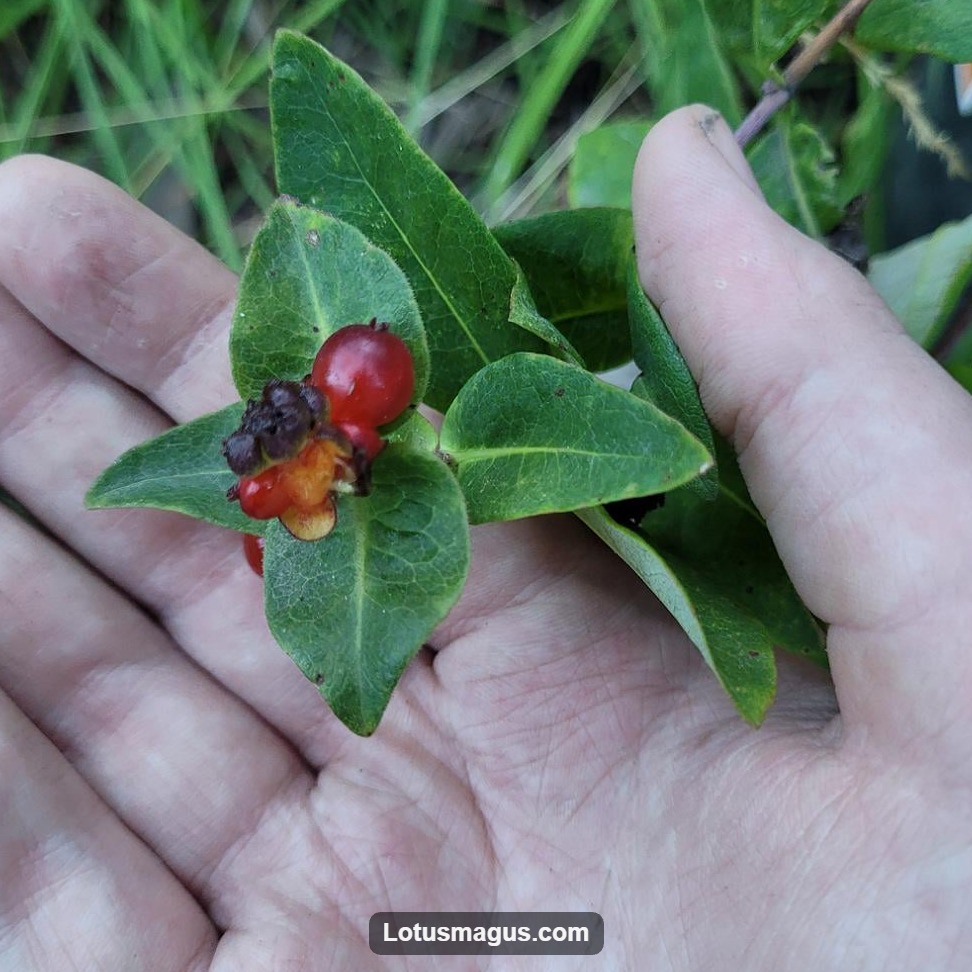
The berries of Amur honeysuckle are small, red to orange, and grow in clusters. Each berry is approximately 0.25 inches in diameter. While wildlife, such as birds, may consume these berries without harm, they are toxic to humans. Consumption can lead to symptoms like nausea, vomiting, and diarrhea.
Table of Contents
To help identify Amur honeysuckle berries and differentiate them from edible varieties, consider the following characteristics:
- Color: Bright red to orange.
- Shape: Small and round.
- Growth pattern: Clusters along the branches.
Ecological Impact of Amur Honeysuckle
Amur honeysuckle significantly disrupts local ecosystems. Its aggressive growth can choke out native plant species, reducing biodiversity. Native wildlife may also suffer as their food sources diminish. For example, plants like goldenrod and native berry-producing shrubs are often replaced by Amur honeysuckle, leading to a decline in local bird populations that rely on these native species for food.
Understanding the invasive nature of Amur honeysuckle and the toxicity of its berries is essential for anyone considering foraging in areas where this plant thrives.
Are Amur Honeysuckle Berries Toxic?
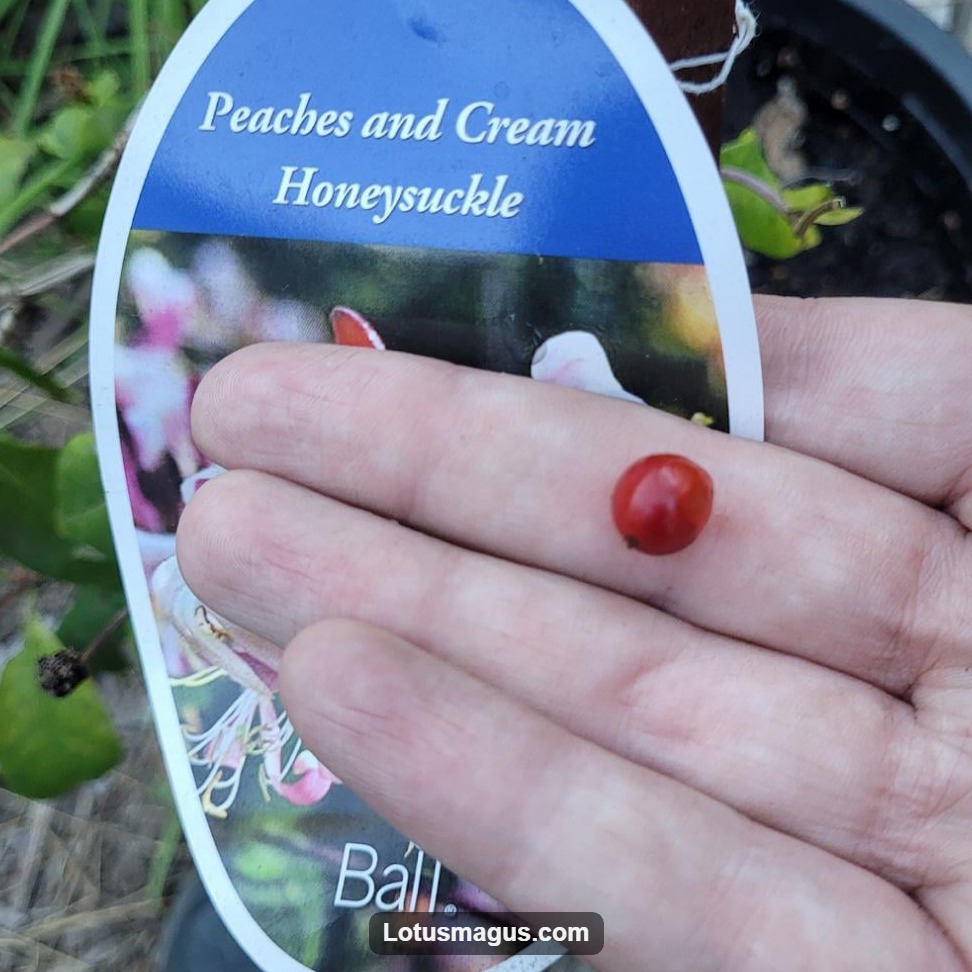
Amur honeysuckle berries, produced by the invasive plant Lonicera maackii, contain compounds that can be harmful if ingested by humans. Understanding these toxic properties and their associated health risks is crucial for anyone considering whether they can eat amur honeysuckle berries.
Chemical Compounds in the Berries
The toxicity of amur honeysuckle berries stems primarily from specific chemical compounds. These include:
- Saponins: These compounds can cause gastrointestinal distress and other negative reactions if consumed in significant quantities.
- Glycosides: While not all glycosides are harmful, certain types found in these berries can lead to toxic effects.
These chemicals work together to create a risk for human consumption, even if the berries may appear harmless at first glance.
Health Risks and Symptoms of Poisoning
Ingesting amur honeysuckle berries can lead to various health issues. Symptoms of poisoning may include:
- Nausea: An upset stomach is often the first sign of trouble.
- Vomiting: This can occur as the body attempts to rid itself of the toxins.
- Diarrhea: Similar to vomiting, this is a response to the irritants in the berries.
- Abdominal Pain: Discomfort and cramping can accompany gastrointestinal symptoms.
In severe cases, individuals may also experience dizziness or an allergic reaction, though these are less common.
When considering “can you eat amur honeysuckle berries,” it’s essential to weigh these potential health risks. Anecdotal evidence suggests that some people may experience milder effects, but the unpredictability of reactions makes consumption risky.
Decision Guidance for Foragers
For those exploring foraging options, here are some practical tips:
- Avoid Amur Honeysuckle Berries: Given the associated risks, it’s safer to steer clear of these berries.
- Identify Correctly: Ensure you can correctly identify amur honeysuckle. Look for distinguishing features such as opposite leaves and hollow stems.
- Know Alternatives: Familiarize yourself with edible honeysuckle varieties that do not pose health risks.
By understanding the toxic properties of amur honeysuckle berries, foragers can make informed decisions and prioritize safety.
How to Identify Amur Honeysuckle
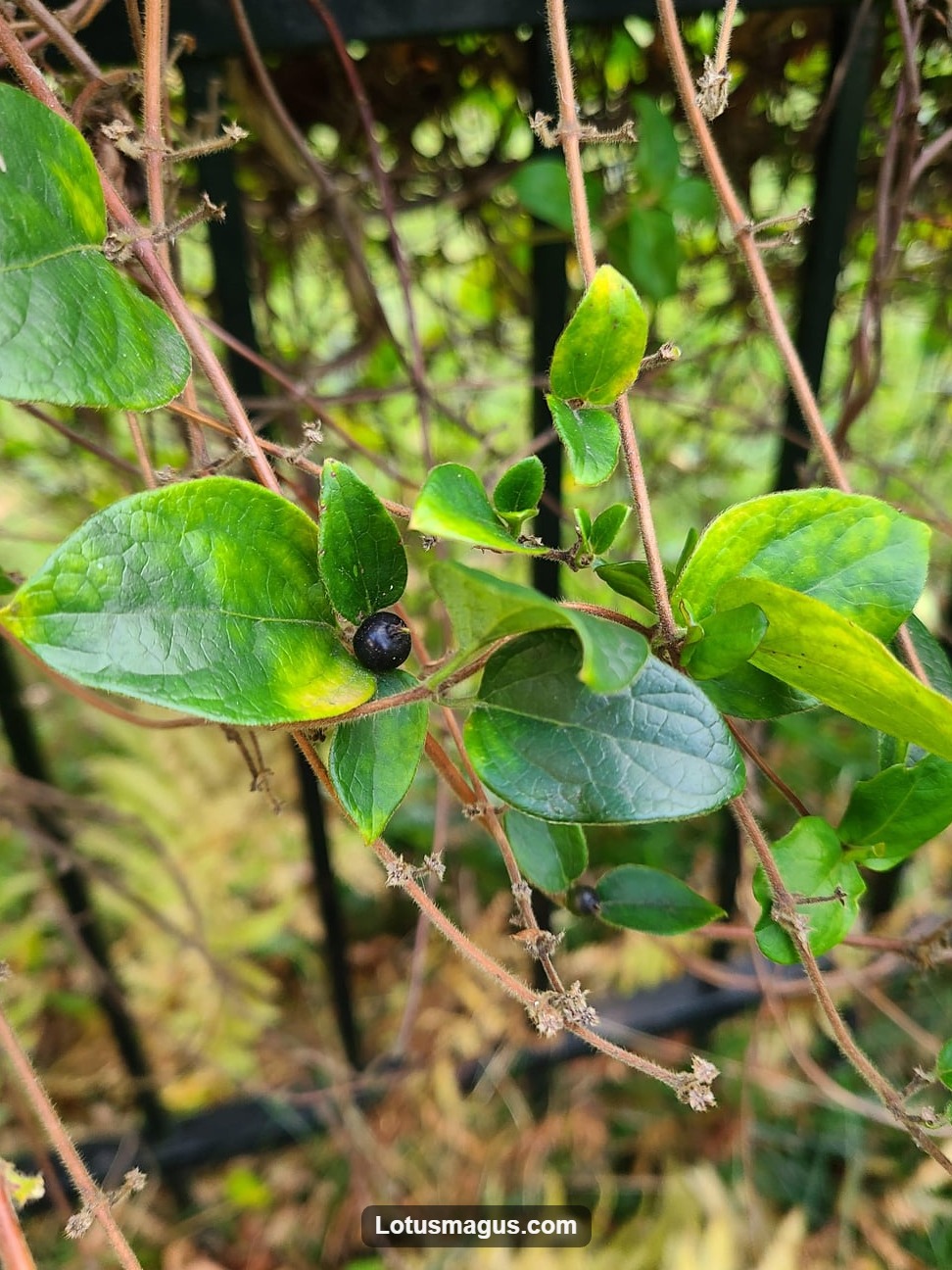
Identifying Amur honeysuckle is crucial for anyone concerned about the risks of consuming its berries. This invasive species, known scientifically as Lonicera maackii, has distinct visual features that help differentiate it from safe-to-eat honeysuckle varieties.
Visual Features of Amur Honeysuckle
1. Leaves: Amur honeysuckle has opposite leaves that are ovate to elliptical in shape. They measure about 1.5 to 3 inches long and have a smooth, dark green surface. In autumn, the leaves turn yellow to reddish-purple, but identifying them while still green is more common.
2. Flowers: The flowers are tubular and typically appear in pairs. They are creamy-white to yellow in color, blooming in late spring to early summer. Each flower can reach up to 1 inch in length.
3. Berries: After flowering, Amur honeysuckle produces small, red to orange berries that are about 0.2 inches in diameter. These berries grow in clusters and are highly attractive to birds, which helps in the plant’s propagation.
Distinguishing from Edible Varieties
To avoid mistakenly consuming toxic berries, it’s essential to compare Amur honeysuckle with safe varieties. Here’s a quick comparison:
| Feature | Amur Honeysuckle (Lonicera maackii) | Edible Honeysuckle Varieties (e.g., Lonicera caerulea) |
|---|---|---|
| Leaf Arrangement | Opposite | Opposite or alternate |
| Leaf Shape | Ovate to elliptical | Variable, often broader or more distinct shapes |
| Flower Color | Creamy-white to yellow | Yellow, white, or pink, often with a fragrant scent |
| Berry Color | Red to orange | Blue or purple, typically larger and edible |
Checklist for Identification
- Check Leaf Arrangement: Ensure leaves are opposite.
- Examine Leaf Shape: Look for ovate, smooth edges.
- Observe Flower Color: Identify creamy-white to yellow flowers.
- Inspect Berries: Confirm they are red or orange and in clusters.
By following these identification tips, you can confidently determine whether you are dealing with Amur honeysuckle. This knowledge is vital for answering the question, “can you eat amur honeysuckle berries?”—the answer, in this case, is a definitive no.
Safety Tips for Foragers and Pet Owners
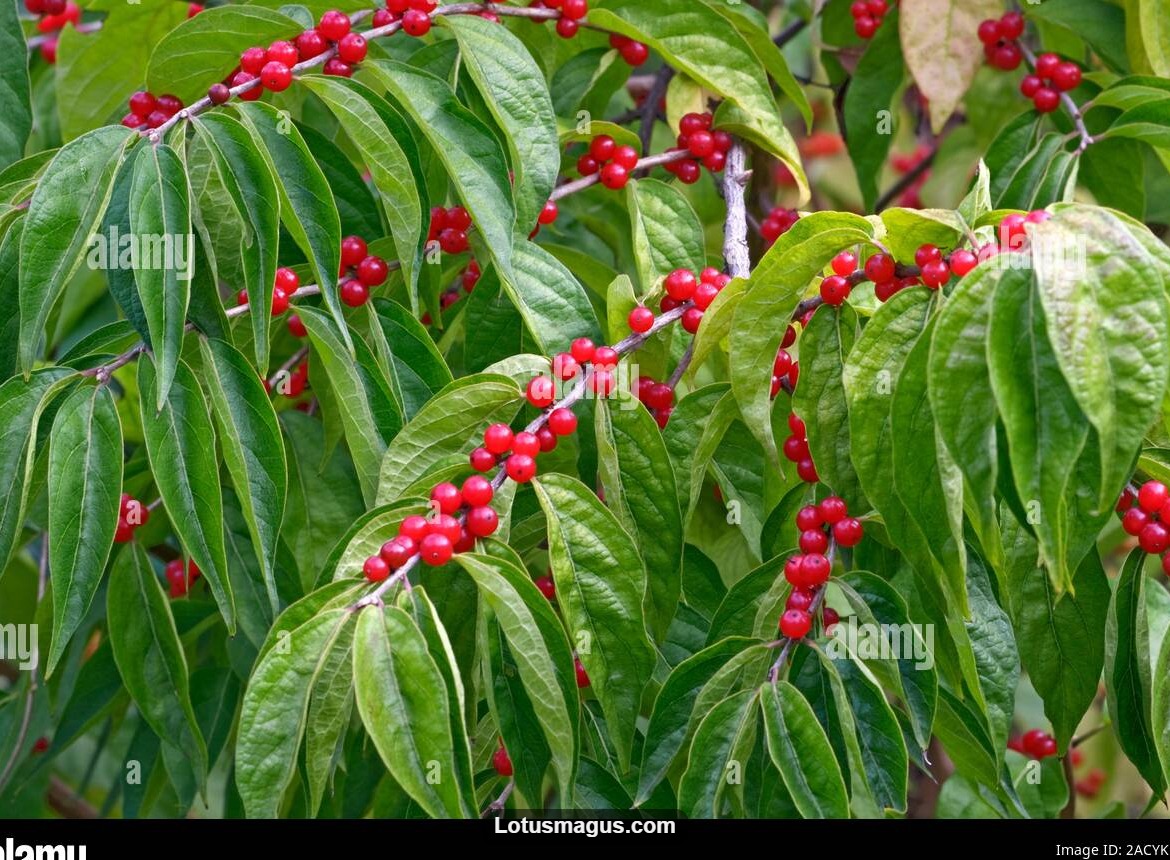
Understanding how to safely interact with Amur honeysuckle berries is crucial for foragers and pet owners. These berries are toxic to humans and pets, making it vital to recognize the risks and take proper precautions.
Guidelines for Foraging Safely
1. Know the Plant: Familiarize yourself with the identifying characteristics of Amur honeysuckle (Lonicera maackii). Look for its red to orange berries, opposite leaf arrangement, and creamy-white flowers.
2. Avoid Consumption: Do not consume the berries. Despite their appearance, they are not safe for human consumption.
3. Stay Informed: Research local flora. Be aware of other honeysuckle species in your area that may be safe to eat. A comparison table can help distinguish between edible and toxic varieties.
4. Practice Caution: If foraging near wildlife, note that some animals may consume the berries without adverse effects. However, this does not mean they are safe for human or pet consumption.
5. Emergency Preparedness: Carry a plant identification app or guide. This can help if you need to quickly verify what you find in the wild.
What to Do If Your Pet Eats the Berries
If you suspect that your pet has ingested Amur honeysuckle berries, follow these steps:
- Identify Symptoms: Watch for signs of poisoning, which may include vomiting, diarrhea, or lethargy.
- Contact a Veterinarian: Reach out to your vet immediately. Provide details about the type of berries consumed and the amount if known.
- Do Not Induce Vomiting: Unless directed by a veterinarian, do not attempt to make your pet vomit. This could complicate the situation.
- Keep Your Pet Calm: Maintain a calm environment while waiting for professional help. This can reduce stress for both you and your pet.
Quick Checklist for Pet Owners
- [ ] Identify the plant and confirm it is Amur honeysuckle.
- [ ] Monitor for symptoms of toxicity.
- [ ] Contact a veterinarian promptly.
- [ ] Avoid home remedies without professional guidance.
By following these safety tips, you can protect yourself and your pets from the dangers associated with Amur honeysuckle berries.
Conclusion: The Risks of Amur Honeysuckle Berries
Understanding the toxicity of Amur honeysuckle berries is vital for safe foraging. These berries can pose serious health risks to humans if consumed. Proper identification and caution are essential.
Toxicity of Amur Honeysuckle Berries
Amur honeysuckle, scientifically known as Lonicera maackii, produces berries that are toxic to humans. Symptoms of poisoning can include nausea, vomiting, and gastrointestinal distress. In severe cases, consumption may require medical attention. Always err on the side of caution when considering wild berries.
Identification Tips
To avoid accidental ingestion, it’s crucial to identify Amur honeysuckle accurately. Look for the following characteristics:
- Leaves: Opposite pairs, ovate, with a smooth margin.
- Flowers: Tubular, often white or yellow, blooming in clusters.
- Berries: Small, red to orange, appearing in clusters.
Familiarity with these features can help distinguish it from non-toxic honeysuckle varieties.
Safety Measures for Foragers
If you’re foraging, follow these guidelines:
- Avoid Unknown Berries: If unsure, do not eat them.
- Educate Yourself: Learn about local flora and their properties.
- Consult Resources: Use field guides or local experts to ensure proper identification.
By taking these precautions, you can significantly reduce the risks associated with Amur honeysuckle berries.
Frequently Asked Questions
These quick answers cover the most common questions about this topic, including key details, practical tips, and common concerns.
Are Amur honeysuckle berries safe to eat?
No, Amur honeysuckle berries are not safe to eat. They contain toxic compounds that can cause gastrointestinal distress in humans, such as nausea, vomiting, and diarrhea. While some wildlife, including birds, can consume these berries without harm, they pose significant risks for human consumption.
What symptoms occur if you eat Amur honeysuckle berries?
If someone ingests Amur honeysuckle berries, they may experience symptoms such as nausea, vomiting, diarrhea, and abdominal pain. In severe cases, dizziness or allergic reactions may occur. It’s important to seek medical attention if any serious symptoms develop after ingestion.
How can I identify Amur honeysuckle?
Amur honeysuckle can be identified by its opposite, ovate leaves, which are smooth and dark green. The plant produces tubular flowers that are creamy-white to yellow and bloom in late spring. Its berries are small, red to orange, and grow in clusters. Familiarizing yourself with these features can help you distinguish it from edible honeysuckle varieties.
What should I do if my pet eats Amur honeysuckle berries?
If your pet eats Amur honeysuckle berries, monitor them closely for symptoms like vomiting or diarrhea. Contact your veterinarian immediately for advice. Do not attempt to induce vomiting unless instructed by a professional, as this could worsen the situation.
What other honeysuckle varieties are safe to eat?
Several honeysuckle varieties are safe to eat, such as Lonicera caerulea (blue honeysuckle) and Lonicera japonica (Japanese honeysuckle). These varieties produce edible berries that are often sweet and nutritious. Always ensure proper identification before consuming any wild berries.
What should readers know about visual aids for identification?
Visual aids, such as photos or diagrams, can greatly enhance your ability to identify Amur honeysuckle accurately. Look for images that highlight key features like leaf shape, flower color, and berry clusters. Using these aids alongside field guides can improve your confidence in distinguishing between edible and toxic honeysuckle varieties.
What should readers know about comparison tables of edible vs. toxic honeysuckle?
A comparison table can be a valuable resource for foragers. It typically lists features such as leaf arrangement, flower color, and berry characteristics side by side for both edible and toxic honeysuckle species. This quick reference can help you make informed decisions and avoid accidental ingestion of toxic varieties.