
Cherry blossoms symbolize beauty, renewal, and the fleeting nature of life, representing both aesthetic pleasure and deeper philosophical insights across various cultures, especially in Japan, where they embody the concept of ‘mono no aware.’
Cherry blossoms, or sakura, are not just beautiful flowers; they carry profound meanings that resonate across cultures. Their short bloom period evokes themes of renewal, beauty, and the impermanence of life, making them a cherished symbol in various traditions.

Defining Cherry Blossom Symbolism
Cherry blossoms symbolize beauty, renewal, and the transient nature of life. Their fleeting bloom captures profound themes that resonate deeply within various cultures.
The Essence of Cherry Blossom Symbolism
Cherry blossoms, known as sakura in Japan, serve as a reminder of life’s impermanence. This symbolism is consistent across cultures, where the flowers are celebrated for their delicate beauty. The brief life cycle of cherry blossoms—from bud to full bloom, and then to fall—mirrors the human experience.
Key aspects of cherry blossom symbolism include:
Table of Contents
- Beauty: The striking pink and white petals represent aesthetic perfection.
- Renewal: Cherry blossoms herald the arrival of spring, symbolizing new beginnings and growth.
- Impermanence: Their short lifespan evokes a bittersweet acknowledgement of the transient nature of life.
Understanding ‘Mono no Aware’
‘Mono no aware’ is a Japanese term encapsulating the appreciation of the ephemeral. It translates to “the pathos of things” and highlights the beauty found in the fleeting moments of life. This concept is essential for understanding the cultural significance of cherry blossoms.
- Heightened Appreciation: The beauty of cherry blossoms is intensified by their short bloom period, typically lasting just one to two weeks. This awareness encourages mindfulness and a deeper appreciation for the present moment.
- Cultural Reflection: In Japanese culture, ‘mono no aware’ is not merely about sadness; it inspires a profound reverence for beauty and a conscious acceptance of life’s cycles.
For example, during hanami, people gather to view cherry blossoms, reflecting on nature’s beauty while embracing its transient nature. This shared experience fosters community and connection, underscoring the flower’s role as a cultural symbol.
Understanding these elements enriches the appreciation of cherry blossoms and their significance across various cultures.
Cultural Significance of Cherry Blossoms
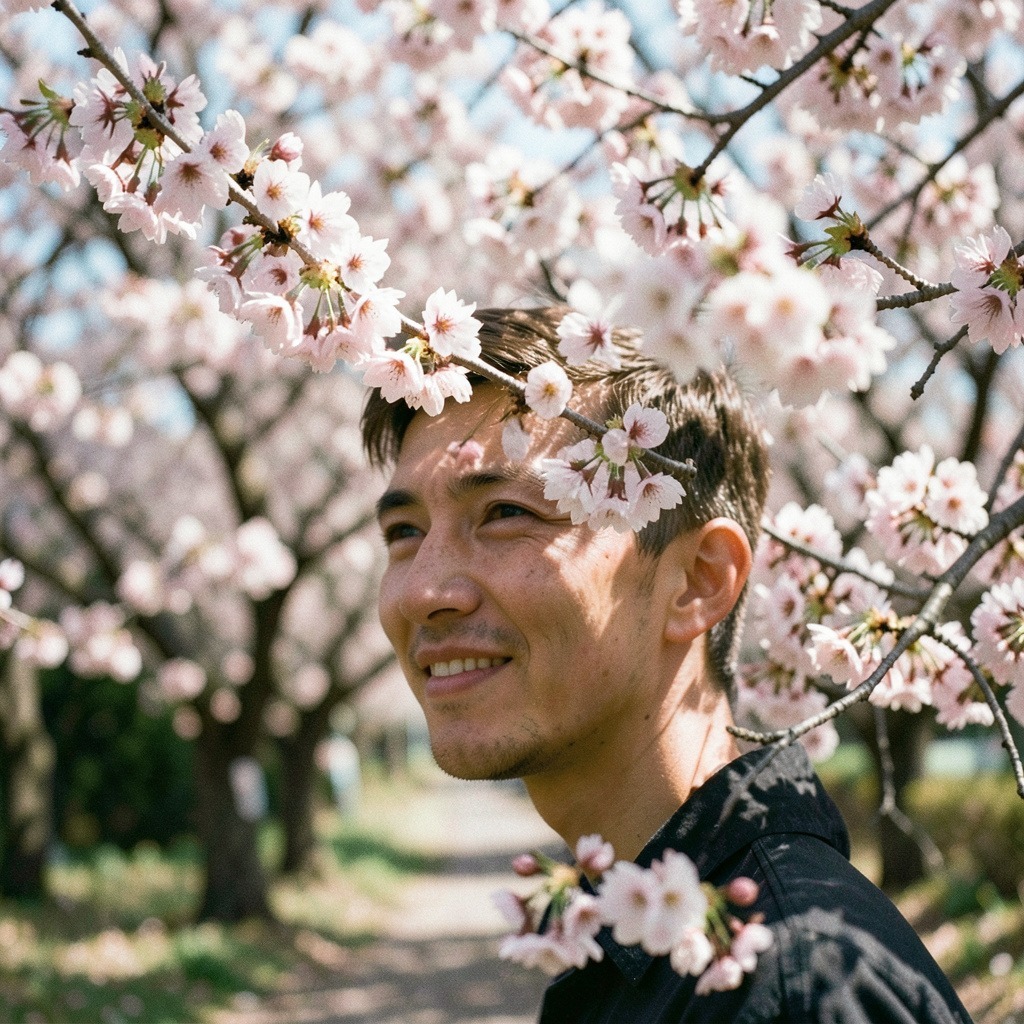
Cherry blossoms hold profound cultural significance across various societies, particularly in Japan, China, and Western countries. Their beauty and fleeting nature evoke themes of renewal, impermanence, and community celebration.
Cherry Blossoms in Japanese Tradition
In Japan, cherry blossoms, or sakura, symbolize the transient beauty of life. This symbolism is deeply embedded in cultural practices, particularly during hanami, the traditional flower-viewing festival. During hanami, people gather under blooming cherry trees to appreciate the blossoms and reflect on their beauty.
- Hanami Celebrations: These gatherings often involve picnics, music, and storytelling. Friends and families celebrate together, reinforcing social bonds.
- Cultural Reflection: The Japanese concept of ‘mono no aware’ inspires a deep appreciation for beauty and the acceptance of life’s fleeting moments. The cherry blossom serves as a reminder of life’s impermanence, inviting reflection and mindfulness.
Meanings in Chinese and Korean Cultures
In China, cherry blossoms (yīnghuā) represent feminine beauty, love, and the vitality of spring. This contrasts with the more weighty symbolism of plum blossoms, which embody perseverance.
- Feminine Vitality: The abundant blooms of cherry blossoms align with themes of romantic possibility, marking the arrival of spring and the celebration of love.
- Cultural Practices: Festivals in China often include poetry recitals and art displays inspired by cherry blossoms, showcasing their beauty and cultural relevance.
In Korea, cherry blossoms (beotkkot) symbolize purity and the arrival of spring. They are celebrated through various festivals, where people enjoy nature and partake in traditional foods.
Western Celebrations of Cherry Blossoms
In Western countries, cherry blossoms have gained popularity as symbols of spring and renewal. The National Cherry Blossom Festival in Washington, D.C., highlights this cultural integration.
- International Festivals: Events in the United States, Canada, and other countries celebrate cherry blossoms, combining local traditions with Japanese influences. Activities include parades, cultural performances, and art exhibitions.
- Symbol of Friendship: The cherry trees gifted by Japan to the U.S. in 1912 represent goodwill and friendship between the two nations. This historical context enriches the blossoms’ symbolism in Western culture.
Unique Insights on Cherry Blossom Practices
- Mindfulness and Mental Health: Observing cherry blossoms can enhance mental well-being. The short bloom period encourages individuals to engage in mindfulness practices, appreciating the beauty in the present moment.
- Cultural Comparisons: While cherry blossoms symbolize beauty and renewal across cultures, their specific meanings vary. Understanding these nuances can enrich one’s appreciation of the blossoms in different contexts.
Cherry blossoms, through their various cultural significances, continue to inspire beauty, community, and reflection on the impermanence of life.
Spiritual Meanings of Cherry Blossoms
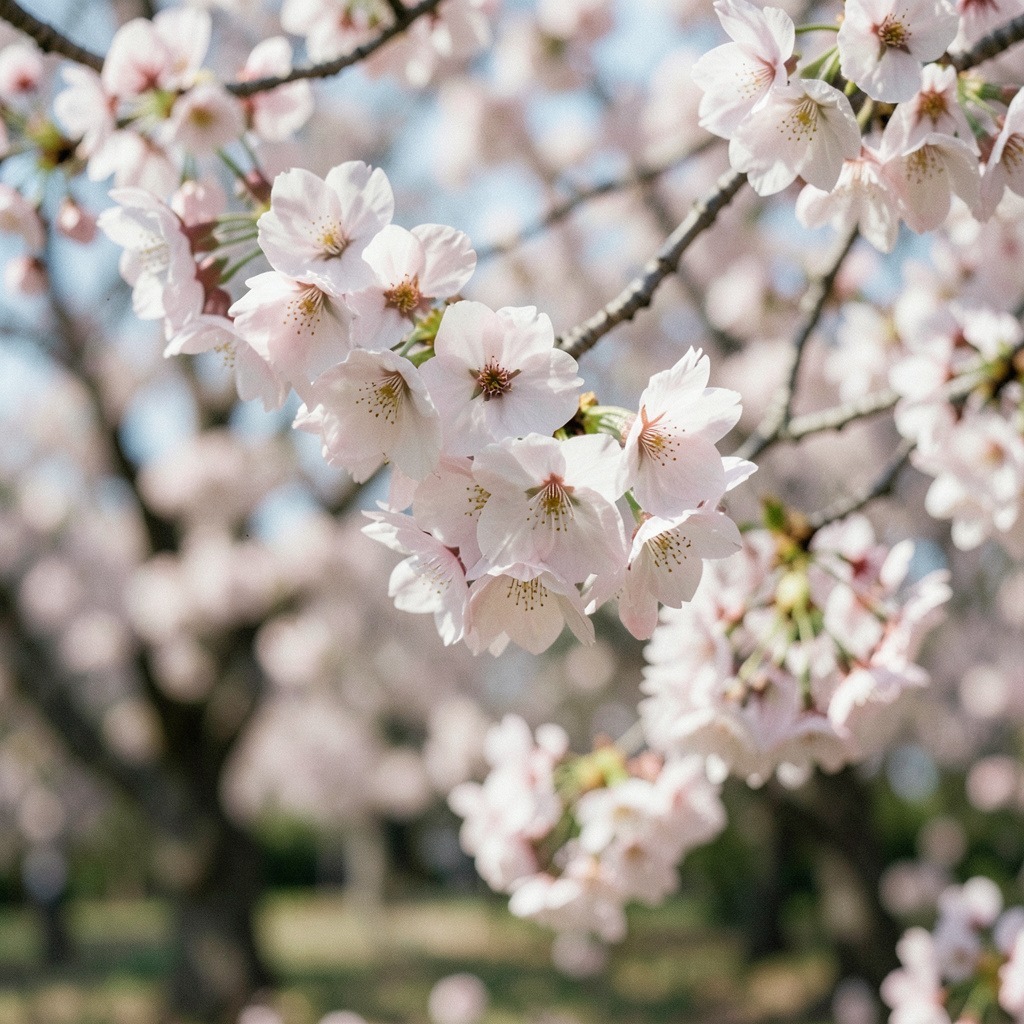
Cherry blossoms hold profound spiritual significance across cultures. They embody themes of mindfulness, acceptance of impermanence, and personal growth. Their fleeting beauty serves as a reminder of life’s transient nature.
Mindfulness and Acceptance of Impermanence
Cherry blossoms teach mindfulness by encouraging individuals to appreciate the present moment. The flowers bloom for only a short time, typically two weeks, which symbolizes the impermanence of life. This brevity fosters an awareness of beauty in the here and now.
Practicing mindfulness with cherry blossoms can involve:
- Reflection: Spend time in a cherry blossom park. Observe the flowers closely. Reflect on your feelings as you witness their beauty.
- Meditation: Incorporate cherry blossoms into your meditation practice. Visualize their delicate petals and the cycle of life they represent.
- Journaling: Write about your experiences with cherry blossoms. Focus on how their fleeting nature resonates with your life experiences.
Cherry Blossoms as Symbols of Growth
Cherry blossoms also symbolize personal growth and renewal. In various cultures, they represent new beginnings and the potential for transformation. This symbolism encourages individuals to embrace change and cultivate resilience.
Examples of growth representations include:
- In Japanese Culture: The sakura blossoms herald the arrival of spring, a time for new starts and rejuvenation.
- In Chinese Culture: Cherry blossoms symbolize feminine beauty and vitality, linking them to love and romantic possibilities.
- In Western Contexts: Cherry blossoms are often associated with the beauty of life’s cycles, reminding us to cherish each moment.
Incorporating cherry blossom symbolism into your life can enhance personal growth. Consider these practices:
- Goal Setting: Like the cherry blossom’s brief bloom, set clear, achievable goals with a short timeline. Celebrate each milestone.
- Mindful Appreciation: Regularly take moments to appreciate simple joys in life. This can lead to greater awareness and personal development.
- Community Engagement: Participate in cherry blossom festivals. These events foster connections and celebrate shared experiences of growth and renewal.
The Role of Cherry Blossoms in Art and Literature
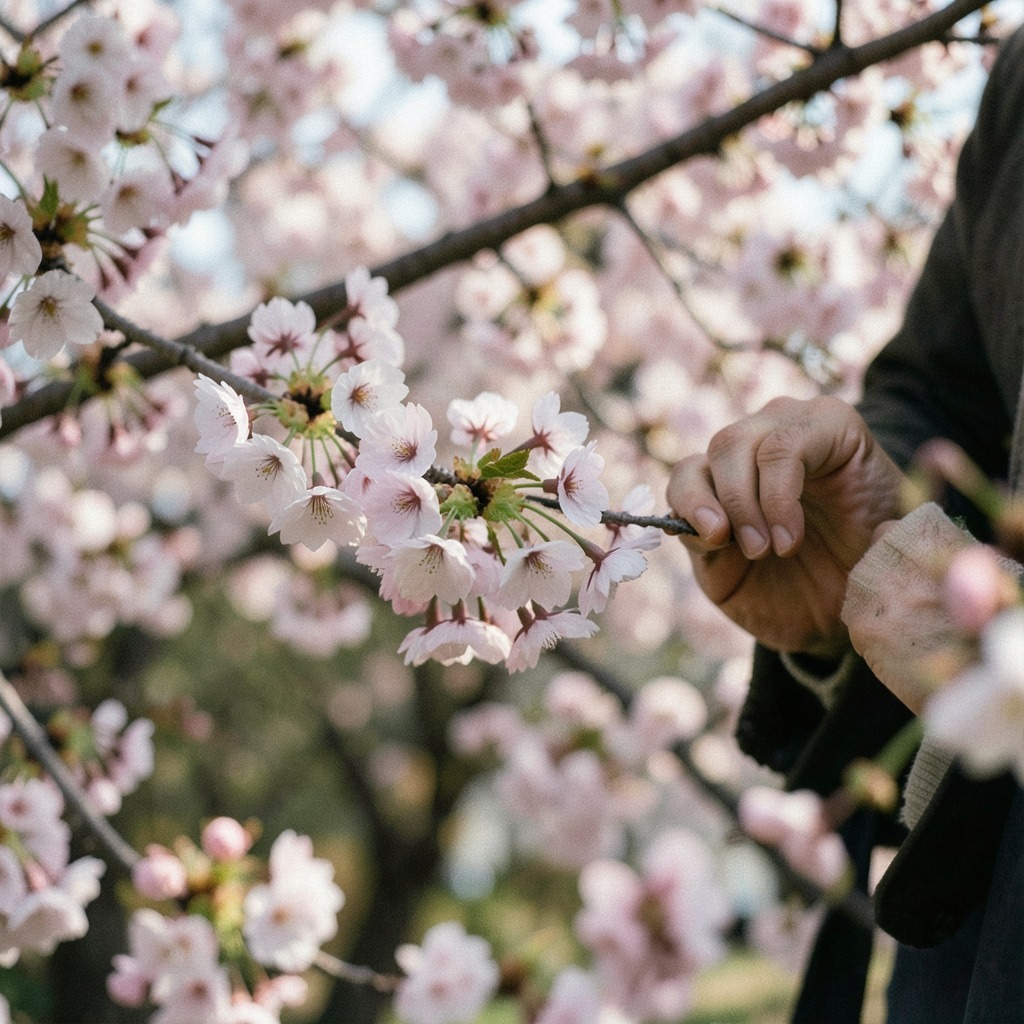
Cherry blossoms have captivated artists and writers for centuries. Their beauty and fleeting nature serve as powerful symbols in various forms of expression, particularly in Japanese art and literature.
Cherry Blossoms in Japanese Poetry
In Japanese poetry, cherry blossoms, or sakura, epitomize the transient nature of life. Poets have long used these blossoms to convey deeper meanings. One notable example is the famous haiku by Matsuo Basho, which illustrates the fragility of existence through the imagery of cherry blossoms adorned with dewdrops. This metaphor highlights the delicate balance between beauty and impermanence.
- Symbolism in Haiku: Basho’s haiku encapsulates the essence of cherry blossoms, emphasizing their brief bloom as a reminder to appreciate life’s fleeting moments.
- Themes of Renewal: Many poems reflect themes of renewal and hope, showcasing how cherry blossoms herald the arrival of spring and new beginnings.
Artistic Depictions of Cherry Blossoms
Cherry blossoms are prominent in various art forms, particularly during Japan’s Edo period. Artists have depicted these blooms in numerous ways, each capturing their ephemeral beauty and cultural significance.
- Notable Works:
- “Cherry Blossoms at Night” by Ogata Korin: This painting portrays cherry blossoms illuminated by moonlight, creating a serene atmosphere that invites contemplation.
- Edo Period Paintings: Many works from this era showcase cherry blossoms in different stages, symbolizing life’s cycles—from budding to full bloom to falling petals.
The artistic representation of cherry blossoms often reflects a broader appreciation for nature, emphasizing the connection between beauty and the passage of time. The use of cherry blossoms in art serves as a powerful reminder of the impermanence of life, encouraging viewers to find beauty in the moment.
- Cultural Significance: Cherry blossoms in art are not merely decorative; they represent cultural values such as beauty, elegance, and the acceptance of life’s transient moments.
Through these artistic and literary lenses, cherry blossoms emerge as profound symbols of beauty, renewal, and the ephemeral nature of existence, resonating with audiences across cultures and time periods.
Common Misconceptions About Cherry Blossom Symbolism
Cherry blossoms are rich in symbolism, yet many misconceptions surround their meanings. Understanding these nuances is essential for appreciating their cultural significance across various societies.
Misinterpretations in Popular Culture
One common misunderstanding is equating cherry blossoms solely with beauty. While their aesthetic appeal is undeniable, they also embody deeper themes such as renewal and the transient nature of life. Here are a few prevalent misconceptions:
- Cherry Blossoms as Solely Joyful Symbols: While they represent beauty, they also reflect impermanence and loss, reminding us that life is fleeting.
- Homogenized Cultural Meaning: Many people believe that all cultures interpret cherry blossoms in the same way. In Japan, they symbolize the beauty of fleeting life. In contrast, Western interpretations often focus on new beginnings.
- Misuse in Commercialization: The commercialization of cherry blossoms can overshadow their cultural significance. For example, using cherry blossoms in products without understanding their origins can dilute their meaning.
Cultural Appropriation vs. Appreciation
The line between cultural appropriation and appreciation regarding cherry blossoms can often be blurred. Understanding this distinction is crucial.
- Cultural Appropriation: This occurs when elements of one culture are taken by another without permission or understanding. For example, hosting a cherry blossom festival without acknowledging its Japanese roots can be viewed as appropriation.
- Cultural Appreciation: Conversely, embracing cherry blossoms while respecting their cultural significance is a form of appreciation. This includes educating oneself about the history and symbolism associated with cherry blossoms before celebrating them.
| Aspect | Cultural Appropriation | Cultural Appreciation |
|---|---|---|
| Understanding | Lack of awareness about origins | Educated about cultural significance |
| Representation | Commercialization without context | Respectful homage to traditions |
| Engagement | Surface-level participation | Meaningful involvement and learning |
By clarifying these misconceptions, we can foster a deeper understanding of cherry blossom symbolism. This awareness enriches our appreciation of their beauty and the cultural narratives they convey.
How to Celebrate Cherry Blossom Season
Cherry blossom season offers unique opportunities to appreciate their beauty and symbolism. Engaging in various activities can enhance your understanding of the cultural significance behind these delicate blooms.
Attending Cherry Blossom Festivals
Cherry blossom festivals are vibrant events celebrated worldwide. They provide a chance to immerse yourself in the cultural significance of the blossoms. Here are some notable festivals to consider:
- Hanami in Japan: Experience traditional flower viewing under sakura trees. Enjoy picnics with friends and family while appreciating the fleeting beauty of the blossoms.
- National Cherry Blossom Festival in Washington, D.C.: This annual event celebrates the gift of cherry trees from Japan. Participate in parades, cultural performances, and art displays.
- Vancouver Cherry Blossom Festival: Enjoy a month-long celebration featuring street parties, bike rides, and local art inspired by cherry blossoms.
- Festival das Cerejeiras in Brazil: This festival showcases Brazilian culture alongside Japanese traditions, including food, music, and dance.
Personal Celebrations and Rituals
Incorporating cherry blossom symbolism into your personal life can deepen your connection to these flowers. Consider these activities:
- Mindful Walks: Take leisurely walks among blooming cherry trees. Reflect on the themes of renewal and impermanence.
- Artistic Expression: Create art inspired by cherry blossoms. Paint, draw, or write poetry to capture their beauty and symbolism.
- Tattoo Symbolism: Consider a cherry blossom tattoo to symbolize personal growth and the transient nature of life.
- Home Decor: Use cherry blossom-themed decor to remind yourself of renewal and beauty. This can include floral arrangements, art prints, or textiles.
Checklist for Cherry Blossom Celebrations
1. Research local festivals or events.
2. Plan a picnic under the cherry blossoms.
3. Create or engage in art inspired by cherry blossoms.
4. Practice mindfulness during cherry blossom viewing.
5. Consider personal symbols related to cherry blossoms for tattoos or decor.
Engaging in these activities can enhance your understanding of cherry blossom symbolism while celebrating their beauty and cultural significance.
Frequently Asked Questions
These quick answers cover the most common questions about this topic, including key details, practical tips, and common concerns.
What is the spiritual meaning of blossoms?
Blossoms, including cherry blossoms, often symbolize renewal, beauty, and the transient nature of life. They remind us to appreciate the present moment and the fleeting beauty around us. In many cultures, blossoms are seen as a connection to the divine and a representation of personal growth and transformation.
What is the spiritual meaning of a cherry?
Cherry trees, particularly their blossoms, symbolize the beauty of life and its impermanence. They encourage mindfulness and appreciation for the present. In Japanese culture, cherries embody the concept of ‘mono no aware,’ which reflects an awareness of the transient nature of existence and the beauty found within it.
How can I celebrate cherry blossom season?
To celebrate cherry blossom season, consider attending local festivals or hanami gatherings. Engage in picnics under the trees, enjoy cultural performances, or participate in art activities inspired by the blossoms. You can also take mindful walks to appreciate their beauty and reflect on their symbolism.
What do cherry blossom trees mean spiritually?
Spiritually, cherry blossom trees represent renewal, hope, and the acceptance of life’s impermanence. They encourage individuals to embrace change and find beauty in the fleeting moments of life. The blossoms serve as a reminder to cherish each experience and appreciate the cycles of nature.
Why are cherry blossoms important in Japanese festivals?
Cherry blossoms are central to many Japanese festivals, particularly hanami, where people gather to view and celebrate the blooms. These festivals foster community, reflection, and appreciation for nature’s beauty. They also highlight the cultural significance of cherry blossoms as symbols of renewal and the transient nature of life.
What are the different colors of cherry blossoms and their meanings?
Cherry blossoms typically bloom in shades of pink and white. Pink blossoms often symbolize love, romance, and feminine beauty, while white blossoms represent purity and simplicity. Each color carries its own cultural significance, adding depth to the overall symbolism of cherry blossoms.
What does it mean to dream about cherry blossoms?
Dreaming about cherry blossoms can signify new beginnings, personal growth, or a desire for change. It may reflect your appreciation for beauty and the transient nature of life. Such dreams encourage you to embrace the present and make the most of fleeting opportunities.