
Fighting pests in tropical gardening can feel overwhelming, but it doesn’t have to be! With Integrated Pest Management (IPM), we can create thriving gardens while minimizing harm to our plants and the environment.
Table of Contents
Understanding Integrated Pest Management (IPM)
What is Integrated Pest Management?
Integrated Pest Management, or IPM, is a sustainable approach to managing pests that combines different strategies and practices. I remember the first time I heard about IPM—it was like a light bulb went off in my head. Instead of relying solely on chemical pesticides, IPM encourages us to understand the entire ecosystem of our garden. This method involves monitoring pest populations, using natural predators, and implementing cultural practices to prevent infestations. It’s not just about eliminating pests but managing them in a way that is harmonious with nature.
Benefits of IPM in Tropical Gardening
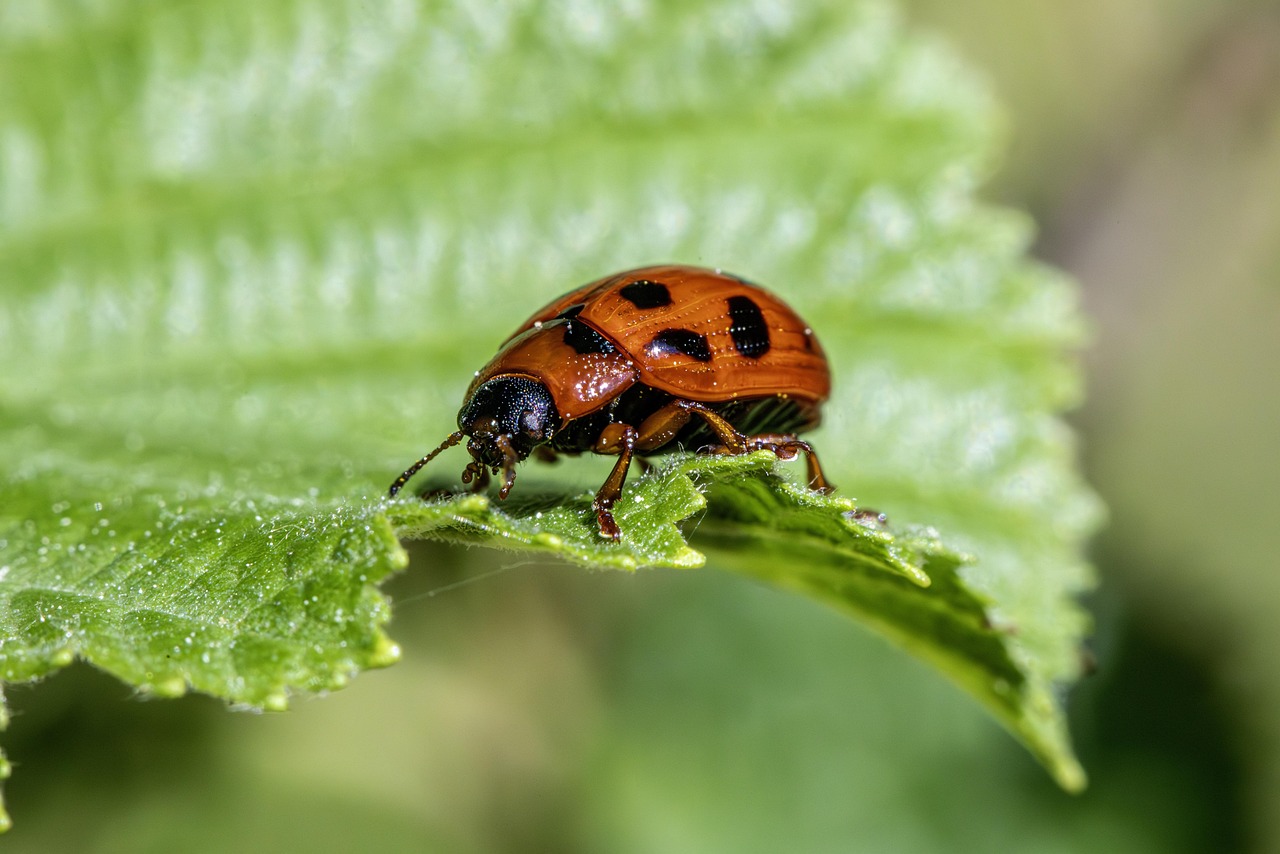
As I delved deeper into tropical gardening, I realized the many benefits of IPM. One of the biggest advantages is its environmental sustainability. By reducing our reliance on harmful chemicals, we’re not only protecting beneficial insects and wildlife but also safeguarding the health of our soil and water sources. I found that gardens managed with IPM tend to be more resilient, as they foster a balanced ecosystem. This means healthier plants that can better withstand pest pressures. Plus, IPM approaches can save us money in the long run, as we’re often able to manage pests before they become a significant problem. To learn more about effective methods, check out Top Strategies for Integrated Pest Management in Tropical Gardens.
Key Principles of IPM
Understanding the key principles of IPM has been crucial in my gardening journey. Here are the core concepts that guide IPM practices:
- Prevention: This is the first line of defense. We can prevent pest problems by choosing the right plants, creating healthy soil, and maintaining the overall health of our garden.
- Monitoring: Regularly inspecting our plants for signs of pests helps us catch problems early. I’ve found that keeping a garden journal to track pest sightings and plant health has been incredibly helpful.
- Identification: Knowing what pests are present in our gardens is essential. There’s a big difference between a harmless insect and a destructive one. I always try to educate myself about the common pests in my area.
- Control: When pests do appear, IPM encourages us to use the least harmful methods first. This could include introducing beneficial insects, using physical barriers, or applying organic pesticides as a last resort.
- Evaluation: Finally, evaluating the effectiveness of our pest management strategies helps us learn and adapt. I often reflect on what worked and what didn’t, which has made me a better gardener over time.
Common Pests in Tropical Gardens
Identifying Common Tropical Pests
In my tropical garden, I’ve encountered a variety of pests, each with its own unique challenges. Some of the most common pests I’ve identified include aphids, spider mites, and whiteflies. Aphids are tiny and often found clustered on new growth, while spider mites leave a telltale webbing on plants. Whiteflies, on the other hand, are a bit trickier; they fly up in a cloud when disturbed. Recognizing these pests early is crucial, as it allows us to take action before they cause significant damage.
Life Cycles and Behavior of Tropical Pests
Understanding the life cycles and behaviors of these pests has been a game changer for me. For instance, I learned that aphids reproduce quickly, with females giving birth to live young. This means that a few aphids can turn into a full-blown infestation in no time! By observing their life cycles, I’ve been able to time my interventions for maximum effectiveness. I also discovered that certain pests are more active during specific times of the year, which helps me prepare and monitor closely.
Impact of Pests on Tropical Plants
The impact of pests on my tropical plants has been significant. I’ve seen plants wilt, become discolored, and even die from unchecked pest populations. For instance, my once-vibrant hibiscus was heavily infested with whiteflies, which drained its vitality. I quickly learned that early intervention was key to saving my plants. By understanding how pests affect plant health, we can better appreciate the importance of integrated pest management.
Preventive Measures in Pest Management
Choosing Resistant Plant Varieties
One of the first things I learned in my tropical gardening journey was the importance of selecting the right plant varieties. I discovered that some plants are naturally more resistant to pests and diseases, which can save us a lot of trouble down the line. For instance, when I decided to grow tomatoes, I opted for varieties that are known to withstand common pests like aphids and tomato hornworms. This choice not only meant less stress for me but also healthier plants overall. I encourage fellow gardeners to research resistant varieties, as they can often thrive even when pest pressures are high, providing a solid foundation for a successful garden.
Creating a Healthy Garden Ecosystem
Building a healthy ecosystem in our gardens has been transformative for me. I realized that a garden that supports a diverse range of plant and animal life is more resilient against pests. I’ve started incorporating native plants, which attract beneficial insects and pollinators. This diversity creates a balanced environment where pests have natural predators. For example, when I planted marigolds alongside my vegetable crops, I noticed a reduction in nematodes and aphids. This simple addition made a significant difference. I believe that nurturing a healthy garden ecosystem is one of the best preventive measures we can take against pest invasions.
Sanitation Practices to Reduce Pests
Maintaining cleanliness in the garden is another key practice that I’ve found essential. I remember the first time I neglected to clear away dead leaves and debris from my garden beds. It wasn’t long before I noticed an uptick in pests. Keeping our gardens tidy not only improves their appearance but also minimizes hiding spots for pests. I make it a habit to regularly remove any fallen leaves, dead plants, or other organic matter that could attract critters. Additionally, I’ve learned to immediately dispose of any infested plants to prevent spreading the problem. These sanitation practices have become a routine part of my gardening life, and I can’t stress enough how they help in keeping pests at bay.
Monitoring and Identifying Pest Problems
Regular Inspection Techniques
Developing a routine for inspecting my plants has been one of the most valuable skills I’ve acquired. I try to walk through my garden every few days to check for any signs of trouble. During these inspections, I look for unusual discolorations, wilting, or any visible pests. I’ve found that being proactive in monitoring helps me catch issues before they escalate. Sometimes, I’ll even bring a magnifying glass to get a closer look at the leaves. It’s like being a detective in my own garden, which I find quite enjoyable!
Using Pheromone Traps and Sticky Cards
As I explored more about pest monitoring, I came across pheromone traps and sticky cards, which I now consider essential tools in my gardening toolkit. These traps are designed to attract specific pests, allowing me to track their presence and population levels. I remember the first time I set up a sticky card; it was fascinating to see how many pests were lurking in my garden that I hadn’t noticed before. By analyzing the catches, I can adjust my pest management strategies accordingly. It’s a simple yet effective way to stay one step ahead of potential infestations.
Identifying Signs of Infestation
Learning to recognize the signs of infestation has been a game changer for me. Each pest has its own indicators, and understanding these signs has helped me react swiftly. For example, when I noticed small yellowing spots on my plant leaves, I immediately suspected spider mites. I’ve learned to look for webbing and tiny specks on the underside of leaves, which are telltale signs of these pests. The sooner we can identify an infestation, the easier it is to manage. I often encourage fellow gardeners to familiarize themselves with the symptoms of common pests in their area, as this knowledge can save our plants and preserve our gardening efforts.
Cultural Control Methods
Crop Rotation and Companion Planting
Cultural control methods, like crop rotation and companion planting, have made a huge difference in my gardening success. I’ve found that rotating my crops each season helps prevent pests and diseases that thrive on specific plants. For example, after growing tomatoes in one area, I’ll plant legumes the next year. This rotation disrupts pest life cycles and minimizes soil-borne diseases. Companion planting is another strategy I love; by pairing plants that benefit each other, I’ve seen improvements in pest resistance. When I planted basil next to my tomatoes, not only did the basil thrive, but it also helped repel flies and mosquitoes. It’s incredible how nature’s partnerships can enhance our gardening efforts!
Soil Management and Fertilization
Healthy soil is the foundation of a thriving garden, and I’ve learned that proper soil management can significantly impact pest resistance. I regularly test my soil’s pH and nutrient levels to ensure my plants have what they need to flourish. Amending my soil with organic matter and compost has made a noticeable difference in plant health. Healthy plants are more resilient and better able to withstand pest pressures. I’ve also started to use slow-release fertilizers that provide a steady supply of nutrients, which helps my plants grow strong and vibrant. Investing time in soil management has paid off handsomely in my gardening adventures.
Watering Practices to Minimize Pest Attraction
Lastly, I’ve discovered that my watering practices can influence pest attraction. Overwatering can create a damp environment that attracts pests like fungus gnats and root rot. I’ve learned to water my plants early in the morning, allowing them to dry out throughout the day. This practice not only keeps my plants healthy but has also reduced the incidence of certain pests. It’s amazing how something as simple as adjusting my watering routine can lead to healthier plants and fewer pest problems.
Biological Control Options
Beneficial Insects for Pest Control
When I first started exploring biological control options in my garden, I was amazed by the role beneficial insects play in pest management. I remember the excitement I felt when I spotted ladybugs for the first time—they’re not only adorable but also voracious eaters of aphids! I’ve since learned that introducing beneficial insects like lacewings and parasitic wasps can drastically reduce pest populations in a natural way. For instance, I’ve found that releasing predatory mites can help manage spider mite populations effectively. It’s like having tiny allies in the garden, working tirelessly to keep harmful pests in check.
Microbial Pesticides and Natural Predators
Another fascinating aspect of biological control is the use of microbial pesticides. I’ve had great success with products containing Bacillus thuringiensis (Bt), a natural bacterium that targets certain caterpillars without harming beneficial insects. It was a game changer for me when I discovered how effective it is against pests like the cabbage looper. I’ve also learned about using nematodes, microscopic worms that can attack soil-dwelling pests like grubs. Introducing these natural predators has not only minimized pest issues but has also helped enhance the overall health of my garden ecosystem.
Creating Habitats for Beneficial Organisms
Creating a welcoming environment for beneficial insects has been one of my favorite discoveries in gardening. I started planting a variety of flowering plants to attract pollinators and predatory insects. For example, I’ve included yarrow and dill, which are known to attract ladybugs and lacewings. I’ve also added small piles of rocks and logs to encourage beneficial organisms to take up residence in my garden. By nurturing these habitats, I’ve noticed an increase in the population of natural pest controllers, which has made a significant difference in my pest management efforts. It’s rewarding to see my garden not just as a collection of plants but as a vibrant ecosystem that supports life.
Chemical Control Measures
When to Use Chemical Pesticides
While I believe in the power of natural solutions, there are times when chemical pesticides might be necessary. I’ve learned that it’s crucial to use them as a last resort, especially when pest populations become overwhelming or threaten the health of my plants. I always assess the situation carefully, looking for signs of severe damage or disease spread before deciding to use any chemicals. It’s essential to consider the potential impact on beneficial insects and the surrounding environment. In my experience, understanding when it’s appropriate to use chemical pesticides can help us maintain a balance in our gardens.
Types of Pesticides Suitable for Tropical Gardens
When I do opt for chemical controls, I make sure to choose products that are specifically formulated for tropical gardens. I’ve learned about different classes of pesticides, like systemic and contact pesticides, and how they behave in warm, humid conditions. It’s important to read labels carefully and choose options that are effective against the pests I’m targeting while being as eco-friendly as possible. I’ve found that organic pesticides, such as neem oil or insecticidal soaps, can be effective choices without causing harm to the beneficial insects I’ve worked so hard to attract.
Safe Application Practices
Safety is always at the forefront of my mind when using any type of pesticide. I remember the first time I applied a chemical pesticide without taking proper precautions, and I felt uneasy about the potential effects on my garden and myself. Now, I make it a point to wear protective gear—gloves, masks, and long sleeves—whenever I handle these products. I also ensure that I apply them during the cooler parts of the day, like early morning or late afternoon, to minimize the risk of harming beneficial insects. I’ve also learned to carefully follow the application instructions to ensure the best results while protecting my plants and the environment.
Evaluating the Effectiveness of Pest Management Strategies
Assessing Pest Populations and Damage
As I’ve implemented various pest management strategies, I’ve realized the importance of regularly assessing pest populations and the damage they cause. I keep a close eye on any changes in pest numbers after introducing beneficial insects or applying treatments. There have been times when I’ve noticed a significant reduction in pest activity, which gives me confidence that my strategies are working. I also document any visible damage on my plants, as this helps me identify which methods are truly effective and which may need adjustment.
Adjusting Management Practices Based on Results
Every garden is different, and I’ve learned that flexibility is key. After evaluating the results of my pest management efforts, I’m not afraid to adjust my practices. If I notice that a particular method isn’t yielding the results I hoped for, I take the time to explore new options. This adaptability has made me a more informed gardener and has often led to even better outcomes. I’ve found that experimenting with different techniques can lead to surprising successes!
Long-term Strategies for Sustainable Pest Management
For me, sustainable pest management is all about long-term planning. I’ve begun to think ahead, considering how my current practices will affect my garden in the future. This includes rotating crops, continuously improving soil health, and maintaining biodiversity to create a more resilient garden. I aim to build a self-sustaining ecosystem where beneficial organisms thrive alongside my plants. By focusing on long-term strategies, I believe I can minimize pest challenges and create a thriving tropical garden that flourishes season after season.
Case Studies: Successful IPM in Tropical Gardening
Frequently Asked Questions
What is Integrated Pest Management (IPM)?
Integrated Pest Management, or IPM, is a sustainable approach to managing pests that combines different strategies and practices. It encourages understanding the entire ecosystem of a garden and involves monitoring pest populations, using natural predators, and implementing cultural practices to prevent infestations.
What are the benefits of using IPM in tropical gardening?
The benefits of IPM include environmental sustainability, protection of beneficial insects and wildlife, healthier plants that can withstand pest pressures, and potential cost savings by managing pests before they become significant problems.
What are the key principles of IPM?
The key principles of IPM include prevention, monitoring, identification, control, and evaluation. These principles guide gardeners in managing pests effectively while maintaining a healthy ecosystem.
What are some common pests found in tropical gardens?
Common pests in tropical gardens include aphids, spider mites, and whiteflies. Each of these pests has unique challenges, and recognizing them early is crucial for effective management.
How can gardeners create a healthy garden ecosystem to prevent pests?
Gardeners can create a healthy ecosystem by incorporating native plants that attract beneficial insects and pollinators, fostering a balanced environment where pests have natural predators.
What sanitation practices can help reduce pests in the garden?
Sanitation practices include regularly removing dead leaves, debris, and any infested plants to minimize hiding spots for pests, which helps keep pest populations in check.
What are effective monitoring techniques for pest problems?
Effective monitoring techniques include regular inspections of plants for signs of pests, using pheromone traps and sticky cards to track pest presence, and learning to identify signs of infestation early.
When is it appropriate to use chemical pesticides?
Chemical pesticides should be used as a last resort when pest populations become overwhelming or threaten plant health. It’s important to assess the situation carefully before deciding to use chemicals.
What are some biological control options for managing pests?
Biological control options include introducing beneficial insects, using microbial pesticides like Bacillus thuringiensis (Bt), and creating habitats for beneficial organisms to thrive in the garden.
How can gardeners evaluate the effectiveness of their pest management strategies?
Gardeners can evaluate effectiveness by regularly assessing pest populations and damage, adjusting management practices based on results, and focusing on long-term strategies for sustainable pest management. For more insights, check out Master Integrated Pest Management for Tropical Plants.