
Transform your garden into a tropical paradise with stunning fern varieties that add lush greenery and texture. Let’s explore the magical world of tropical ferns and how they can elevate your gardening experience. Read Interesting article: Essential Care Tips for Thriving Tropical Ferns
Introduction to Tropical Ferns
What Are Tropical Ferns?
Tropical ferns are vibrant, leafy plants that thrive in warm and humid environments. Unlike their temperate counterparts, these ferns often display larger leaves and more intricate textures, making them a popular choice for gardeners looking to create a lush, tropical atmosphere. I remember the first time I stumbled upon a tropical fern at a local nursery; its vibrant green fronds instantly captivated me. I learned that there are many varieties, each with its unique charm and care requirements, which makes them fascinating to explore and cultivate in our gardens.
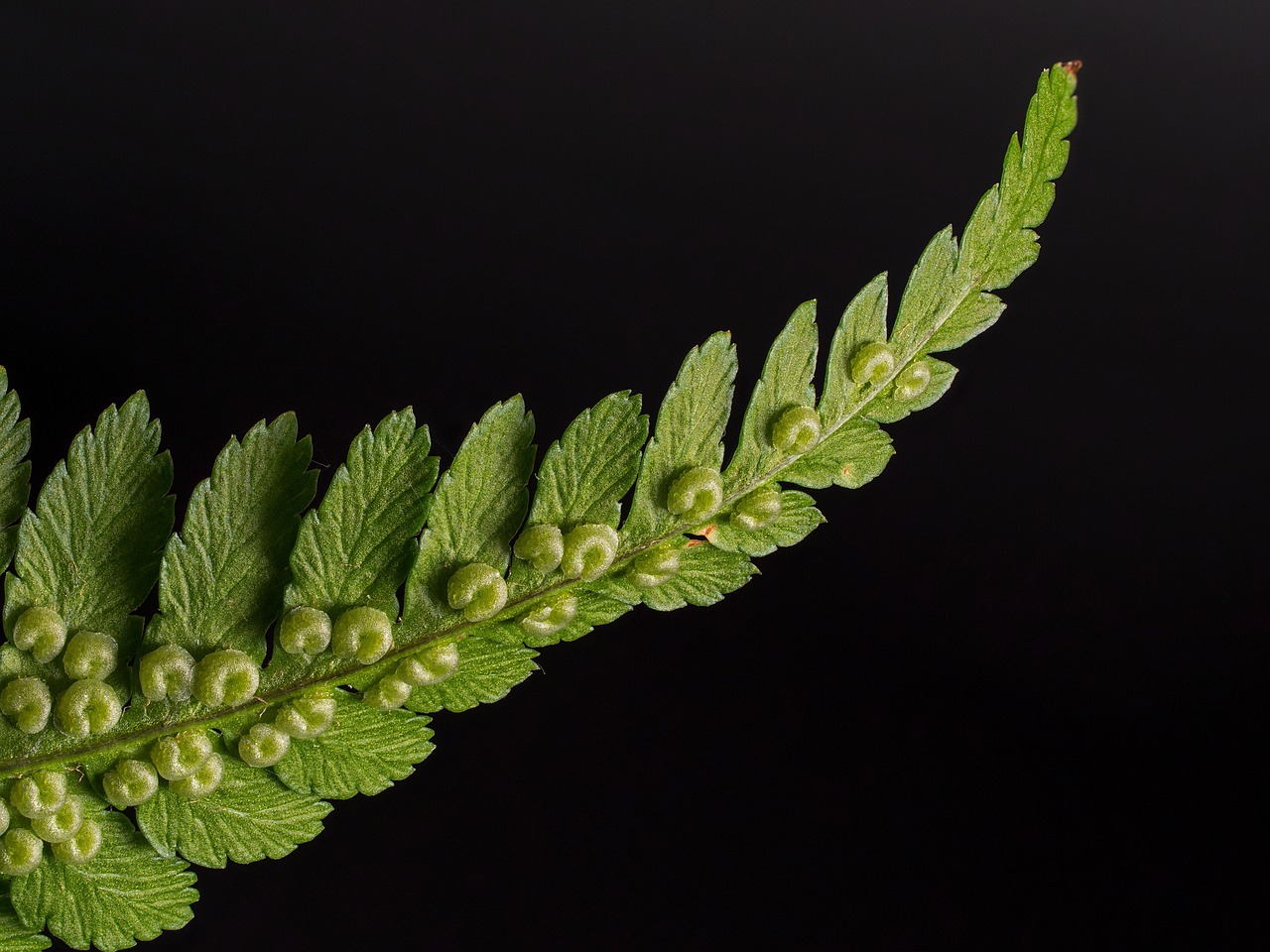
Benefits of Growing Tropical Ferns in Your Garden
Growing tropical ferns in your garden comes with a host of benefits. For starters, they provide a stunning visual element, bringing life and texture to any garden design. I’ve found that their feathery fronds create a beautiful contrast with flowering plants and shrubs, enhancing the overall aesthetic appeal.
Moreover, tropical ferns are relatively low-maintenance once established, which suits my busy lifestyle. They thrive in shaded areas where many other plants might struggle, allowing us to maximize every inch of our garden space. Their ability to adapt to varying light conditions means they can flourish in spots that receive filtered sunlight or even in deep shade.
Additionally, tropical ferns help improve air quality by filtering pollutants and releasing oxygen. I often notice how refreshing the air feels around my ferns, making my garden a more inviting space. They also provide habitat for beneficial insects, which can be great for maintaining a balanced ecosystem in our outdoor spaces.
Another aspect I love is their versatility. Whether you want to create a tropical oasis in your backyard, enhance a shaded corner, or even add greenery to your indoor spaces, tropical ferns can accommodate all of these needs. My experience has taught me that with the right care, these ferns can thrive indoors, too, bringing that lively touch of nature inside our homes. Read Interesting article: Top 5 Tropical Ferns for Lush Indoor Spaces
Top Tropical Fern Varieties for Your Garden
Boston Fern (Nephrolepis exaltata)
The Boston fern is one of the most well-known tropical ferns and for good reason. Its delicate, arching fronds can grow several feet long, creating a stunning display that draws the eye. I’ve had great success with Boston ferns in hanging baskets, where their fronds cascade beautifully. They thrive in indirect light and prefer moist, well-drained soil. I recommend keeping them in a humid environment, as this helps them flourish and prevent browning tips.
Asparagus Fern (Asparagus setaceus)
Despite its name, the asparagus fern is not a true fern, but its feathery, fern-like foliage makes it a popular choice for tropical gardens. I’ve found that it offers a unique texture that adds depth to garden designs. This fern is incredibly resilient and can tolerate various light conditions. I usually plant mine in full sun to partial shade, and they do wonderfully. Just be cautious, as the asparagus fern can be invasive in some regions, so it’s wise to keep it contained.
Bird’s Nest Fern (Asplenium nidus)
The Bird’s Nest Fern is a favorite of mine, known for its broad, wavy leaves that form a rosette. It’s an eye-catching addition to both gardens and indoor settings. I love placing it in a spot where it can receive indirect sunlight, as too much direct sun can scorch its leaves. This fern prefers slightly moist soil, and I often mist mine to maintain humidity. Watching it thrive has been a rewarding experience for me.
Maidenhair Fern (Adiantum spp.)
With its delicate, lacy fronds, the Maidenhair fern is a stunning choice for creating a soft, ethereal look in the garden. I find that it does best in shady areas where the soil retains moisture. One thing I’ve learned is that it can be a bit fussy about its watering needs; it prefers consistent moisture without becoming soggy. It’s a lovely plant that adds a touch of elegance to any garden.
Staghorn Fern (Platycerium spp.)
The Staghorn fern is truly a conversation starter. Its unique, antler-like fronds can be mounted on wooden plaques or hung in baskets, making it a fantastic choice for vertical gardening. Personally, I find it fascinating to care for. It thrives in bright, indirect light and enjoys humidity, so I often place mine in a bathroom or kitchen. Watching it grow has been a delightful journey!
Japanese Painted Fern (Athyrium niponicum)
This fern is a standout with its striking silver and purple foliage. The Japanese Painted fern adds a pop of color in shady spots, and I’ve planted it alongside darker green ferns to create a beautiful contrast. It’s not only visually appealing but also quite hardy, making it a great option for beginner gardeners. I appreciate how it can bring life to shaded areas that might otherwise feel dull.
Ostrich Fern (Matteuccia struthiopteris)
The Ostrich fern is known for its tall, feathery fronds that can reach impressive heights. I’ve planted them along the edges of my garden, where they create a lovely border. They thrive in rich, moist soil and prefer partial to full shade. Watching them unfurl in the spring is a highlight of my gardening year. Their lush appearance adds a dramatic touch to any garden setting.
How to Care for Tropical Ferns
Ideal Growing Conditions
When it comes to caring for tropical ferns, understanding their ideal growing conditions is key. I’ve realized that these plants love warmth and humidity, making them perfect for those of us living in warmer climates or even in humid indoor environments. For me, I’ve found that placing them in spots where they can receive filtered light works wonders. Too much direct sunlight can actually scorch their delicate leaves, which is something I learned the hard way with my first Boston fern! A shady area, like under a tree or on a covered porch, can often be the perfect home for these beauties.
Temperature also plays a significant role; tropical ferns typically thrive in temperatures between 60°F and 75°F. I remember one summer when I forgot to move my ferns indoors during a heatwave; they survived, but I could tell they were stressed. So, keeping an eye on temperature changes is essential to ensure they remain happy and healthy.
Watering and Humidity Requirements
Watering is another crucial aspect of fern care. I’ve discovered that tropical ferns prefer consistently moist soil, but they also dislike sitting in waterlogged conditions. It’s a fine balance! I usually check the soil moisture by sticking my finger about an inch deep into the soil; if it feels dry, it’s time to water. I aim to water my ferns thoroughly until I see it draining from the bottom of the pot, ensuring that the entire root system gets the hydration it needs.
Humidity is an important factor, too. I often mist my ferns, especially during dry seasons or in homes with central heating, as this helps maintain the high humidity they love. If you have a bathroom with natural light, that’s a perfect spot for ferns! I’ve noticed they thrive there, almost like they’re enjoying the steam from hot showers.
Soil Types and Fertilization Tips
The right soil is essential for healthy ferns. I’ve found that a well-draining potting mix works best. It’s important to have a mix that retains some moisture but doesn’t become soggy. Sometimes, I even add perlite or orchid bark to my potting mix, which helps create that ideal texture for roots to breathe. One time, I used regular garden soil, and my ferns didn’t fare well, so I learned to stick to a quality potting mix designed for ferns or tropical plants.
Fertilization is another area where I’ve adjusted my approach based on my experiences. I usually fertilize my ferns every few months during the growing season using a balanced, water-soluble fertilizer at half strength. This encourages healthy growth without overwhelming them. I’ve noticed that my ferns respond well to this light feeding, becoming lush and green.
Pruning and Maintenance
Pruning is an integral part of keeping tropical ferns looking their best. I always find myself trimming away any dead or brown fronds to encourage new growth. It’s a simple task that makes a big difference in the overall appearance of the plant. I’ve learned to use clean, sharp scissors to avoid any damage to the healthy parts of the fern. A little maintenance goes a long way!
Another tip I’ve picked up is to keep an eye out for fronds that are growing too densely. If I notice any overcrowding, I’ll take the time to thin them out. This not only makes the fern look better but also allows for better air circulation, which is vital for preventing diseases. Trust me, I’ve had my share of experiences where neglecting this step led to problems later on. Being proactive in care can really pay off!
In my experience, tropical ferns are incredibly rewarding to grow. With a bit of attention to their specific needs, they bring a vibrant, lush vibe to any garden or indoor space. I hope these care tips help you nurture your own ferns into flourishing beauties!
Designing with Tropical Ferns
Creating a Lush Tropical Look
Designing with tropical ferns can truly transform any space into a lush paradise. I often find myself dreaming of a garden that feels like a retreat, and ferns are key players in achieving that vibe. One design tip that has worked wonders for me is to group different fern varieties together. The varying shapes and sizes of their fronds create a stunning visual effect. For instance, pairing a tall Ostrich fern with the delicate Maidenhair fern adds layers and depth to the arrangement. I also love incorporating vibrant pots to highlight the greenery, which really draws the eye and makes the ferns pop against their surroundings.
Another approach I’ve experimented with is creating a ‘fern wall’ using various species. This not only maximizes vertical space but also allows for a dramatic focal point, especially in smaller gardens. I remember the first time I created one; it felt like stepping into a mini rainforest! Using a trellis or a series of hanging planters can help achieve this look while allowing sunlight to filter through, providing the ferns with adequate light without scorching their leaves.
Combining Ferns with Other Plants
Combining tropical ferns with other plants is an exciting way to enhance your garden. I’ve discovered that ferns pair beautifully with flowering plants, especially those that thrive in similar conditions. For example, I often plant my Bird’s Nest fern alongside colorful impatiens or caladiums. The contrast between the lush green fronds and the vibrant blooms creates a harmonious balance that I can’t get enough of. Another combination I enjoy is mixing ferns with low-growing ground covers like creeping thyme or sweet woodruff. This creates a soft transition between different plant heights, making the garden feel more cohesive.
When selecting companion plants, I always look for those that appreciate similar moisture and light requirements. I’ve learned the hard way that mismatched plants can lead to disappointment. For instance, I once paired ferns with sun-loving plants, and it was a disaster. The ferns struggled while the others thrived, leading to an uneven look. So, making thoughtful combinations based on shared growing conditions can elevate your garden design. Read Interesting article: Top 5 Stunning Palm Varieties for Tropical Gardens
Using Ferns in Container Gardening
Container gardening with tropical ferns has been one of my favorite projects. It allows me to bring the beauty of ferns into smaller spaces, such as balconies or patios. I usually opt for decorative pots that complement my outdoor decor, which adds a stylish touch. One of my go-to ferns for container gardening is the Boston fern. Its cascading fronds look stunning in hanging baskets, and I love how they sway slightly in the breeze.
When creating container arrangements, I always remember to choose pots with drainage holes to prevent waterlogging. I often fill the containers with a light, well-draining potting mix to ensure the ferns have the best chance to thrive. Layering the soil with some pebbles at the bottom also helps with drainage. I find that arranging ferns with complementary plants, like orchids or succulents, can create a dynamic display that adds interest. In my experience, the key is to keep the containers in a spot where they can get indirect sunlight, as most ferns prefer those conditions.
Another tip I’ve picked up is to rotate the containers occasionally. This ensures that all sides receive equal light, leading to more balanced growth. I remember the first time I left my ferns in one position for too long; they became lopsided and uneven, which wasn’t quite the look I was going for!
Common Pests and Diseases Affecting Tropical Ferns
Identifying Pests: Aphids, Mealybugs, and Scale
As much as I adore my tropical ferns, I’ve had to deal with pests along the way. Aphids, mealybugs, and scale insects are three common culprits that can wreak havoc on our beloved plants. I’ll never forget the time I noticed tiny green bugs clustered on the undersides of my ferns. It was alarming! After some research, I learned that these pests can sap the plant’s strength, leading to stunted growth and even leaf drop.
Mealybugs are another unwelcome visitor I’ve encountered. Their white, cottony appearance makes them stand out, but that doesn’t make them any less troublesome. I usually start by inspecting my ferns regularly, especially if I notice any unusual discoloration or sticky residue on the leaves. If I catch these pests early, I can often wipe them off with a cotton swab dipped in rubbing alcohol, which has worked wonders for me.
Common Diseases: Root Rot and Leaf Spot
Root rot and leaf spot diseases can also be a challenge for tropical fern lovers. I learned about root rot the hard way when I overwatered one of my ferns, and it started to wilt despite being in a humid environment. The key to preventing this is ensuring proper drainage and allowing the soil to dry out slightly between waterings. I’ve found that using pots with drainage holes is essential in avoiding this problem.
As for leaf spot, I often notice it as yellow or brown patches on the fronds. It can result from overwatering or inadequate air circulation. I’ve learned to keep the fronds trimmed and spaced out to promote airflow, which has significantly reduced the occurrence of this disease in my garden.
Prevention and Treatment Options
To prevent pest and disease issues, I make it a habit to keep my ferns healthy through proper care. Regularly checking for any signs of distress or pests has become part of my routine. I also make sure to maintain humidity levels, as stressed plants are more susceptible to infestations. If I do notice pests, I often resort to natural remedies first, such as a gentle spray of insecticidal soap or neem oil. These methods have helped me manage issues without resorting to harsh chemicals.
Ultimately, I’ve found that staying proactive in caring for my ferns makes a world of difference. By keeping an eye on their health and addressing any concerns quickly, I can enjoy these lush beauties without too much worry. Embracing tropical ferns has truly been a rewarding journey, and I look forward to discovering even more about them along the way!
Frequently Asked Questions
What are tropical ferns?
Tropical ferns are vibrant, leafy plants that thrive in warm and humid environments, often displaying larger leaves and more intricate textures than temperate ferns. They are popular for creating a lush, tropical atmosphere in gardens.
What are the benefits of growing tropical ferns?
Growing tropical ferns provides stunning visual appeal, is low-maintenance once established, improves air quality, provides habitat for beneficial insects, and offers versatility for various garden designs and indoor settings.
What is the ideal growing condition for tropical ferns?
Tropical ferns thrive in warm and humid conditions, typically between 60°F and 75°F, and prefer filtered light or shady areas to avoid leaf scorching. They enjoy moist but well-drained soil.
How should tropical ferns be watered?
Tropical ferns prefer consistently moist soil without being waterlogged. Water thoroughly until it drains from the bottom of the pot, and check the soil moisture regularly to ensure proper hydration.
What soil type is best for tropical ferns?
A well-draining potting mix is essential for healthy ferns. Adding perlite or orchid bark can help create the ideal texture, allowing roots to breathe while retaining some moisture.
How often should tropical ferns be fertilized?
Fertilize tropical ferns every few months during the growing season using a balanced, water-soluble fertilizer at half strength to encourage healthy growth without overwhelming them.
What are some top tropical fern varieties for gardens?
Some top tropical fern varieties include Boston Fern, Asparagus Fern, Bird’s Nest Fern, Maidenhair Fern, Staghorn Fern, Japanese Painted Fern, and Ostrich Fern, each offering unique characteristics and care requirements.
What common pests and diseases affect tropical ferns?
Common pests include aphids, mealybugs, and scale insects, while diseases like root rot and leaf spot can occur due to overwatering and poor air circulation.
How can pests and diseases be prevented in tropical ferns?
Prevent pests and diseases by maintaining proper care, regularly checking for signs of distress, ensuring humidity levels are adequate, and using natural remedies like insecticidal soap or neem oil when necessary.
Can tropical ferns be grown indoors?
Yes, tropical ferns can thrive indoors as long as they are placed in areas with adequate humidity and indirect sunlight, making them a great option for bringing greenery into homes.