
Creating a vibrant tropical container garden is an exhilarating journey, and the secret often lies beneath the surface—literally! A well-crafted soil mix can be the difference between thriving plants and struggling ones. For those interested in specific mixes, Essential Soil Mixes for Lush Tropical Container Gardening can provide valuable insights.
Understanding the Importance of Soil in Container Gardening
When I first started my container gardening adventure, I quickly learned that soil is more than just dirt; it’s the lifeblood of my plants. I remember the excitement I felt as I watched my tropical plants flourish, and a big part of that was due to understanding the importance of soil quality. Tropical plants can be quite demanding, and the right mix can give them the boost they need to thrive in containers.
Why Soil Quality Matters for Tropical Plants
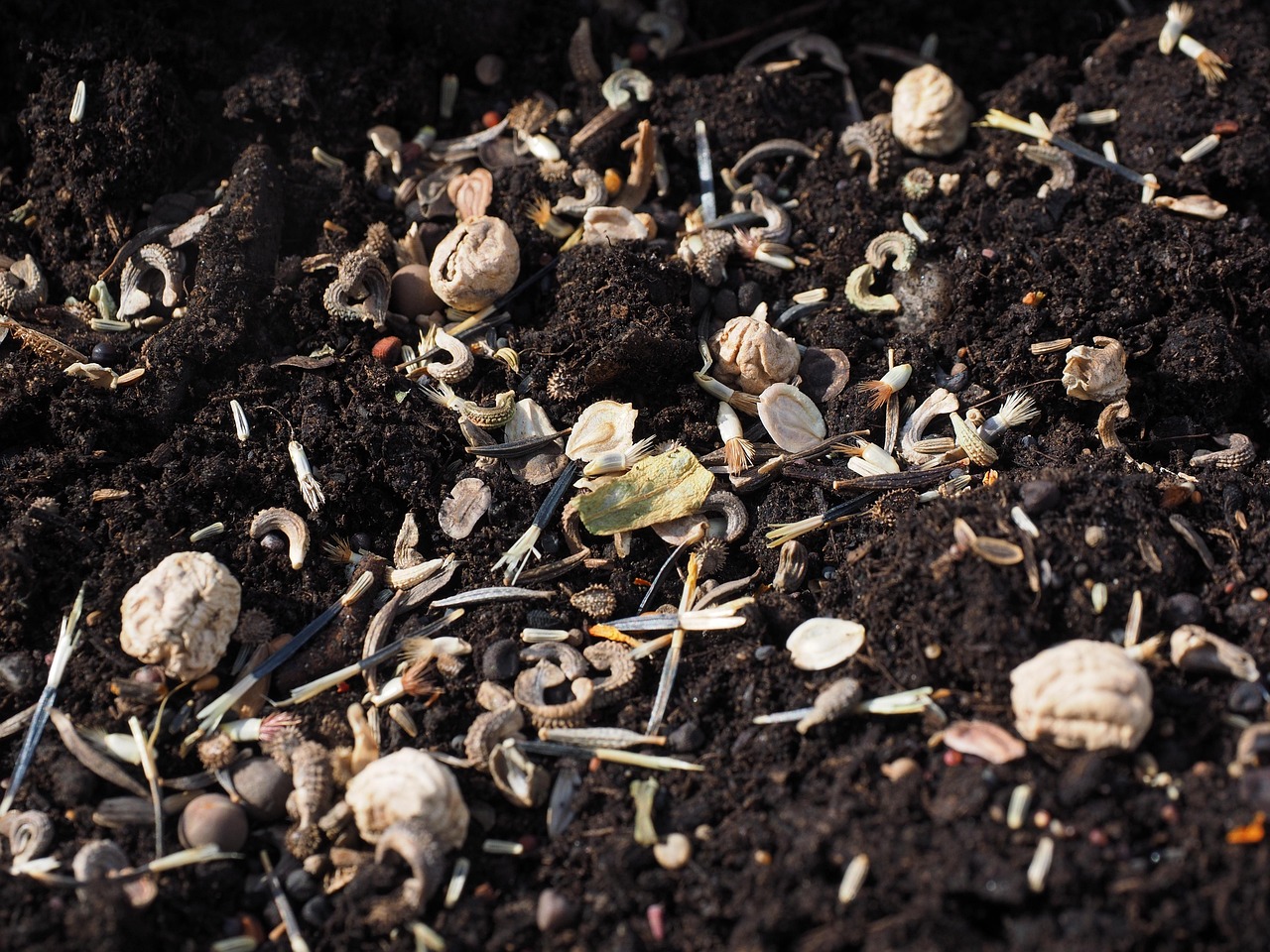
Soil quality is crucial for tropical plants because they often come from rich, organic environments. In my experience, these plants thrive when they have access to the right nutrients, moisture, and air. Poor soil can lead to stunted growth, poor drainage, and even root rot. I’ve seen firsthand how plants react when they’re given the proper soil mix; it’s like they come alive! On the other hand, using low-quality soil or the wrong mix can result in a garden that’s more headache than joy.
Key Components of a Healthy Soil Mix
Building a healthy soil mix for my tropical container garden has become a rewarding process. There are a few key components that I’ve learned to include. First, a good soil mix needs organic matter, which helps with nutrient retention and promotes healthy microbial activity. Then, there’s the importance of drainage materials. Tropical plants often need a fine balance between moisture retention and drainage to prevent overwatering. Lastly, I’ve discovered that nutrient sources and pH balance play vital roles in plant health. It’s all about creating an environment where your tropical plants can thrive!
Essential Ingredients for DIY Soil Mixes
Organic Matter: Compost and Peat Moss
One of my favorite ingredients to include in my DIY soil mix is organic matter, specifically compost and peat moss. Compost is like a magic elixir for plants; it’s rich in nutrients and improves soil structure. I began adding it to my mix after realizing how much healthier my plants became. Peat moss is another fantastic option. It holds moisture incredibly well, which is helpful for tropical plants that prefer a little humidity in their soil. I often use a combination of both to strike the perfect balance.
Drainage Materials: Perlite and Vermiculite
When I first started gardening, I didn’t pay much attention to drainage, and boy, did I learn my lesson! That’s when I discovered perlite and vermiculite. These materials are lightweight and help improve aeration in the soil, which is essential for preventing root rot. I usually mix in a handful of perlite or vermiculite for every pot I fill. It makes a noticeable difference in how quickly the soil drains, and my plants seem to appreciate the added airflow around their roots.
Nutrient Sources: Fertilizers and Amendments
As my tropical garden grew, I realized that not all soil mixes come pre-loaded with nutrients. I began researching and experimenting with various fertilizers and soil amendments. I found that a slow-release fertilizer sprinkled into the mix gives my plants a steady supply of nutrients over time. I also like to add some worm castings for that extra boost of goodness. It’s amazing how much healthier the plants appear when they have a reliable source of nutrients!
pH Balance: Testing and Adjusting Soil Acidity
One aspect I underestimated was the pH balance of my soil. I learned that tropical plants often prefer slightly acidic to neutral soil. So, I decided to invest in a simple pH testing kit. Adjusting the pH can be as easy as adding lime to raise it or incorporating sulfur to lower it. I remember the first time I tested my soil and found it to be too alkaline. After making adjustments, the difference in my plants was remarkable! They perked up almost overnight.
Creating the perfect soil mix for tropical container gardening is a blend of art and science. I’ve enjoyed every step of the journey, from experimenting with ingredients to discovering what works best for my plants. With a little understanding and the right components, I believe anyone can create a thriving tropical oasis right at home. If you’re interested in a specific mix for a Money Tree, check out Money Tree Soil Mix: DIY Recipe for Healthy Growth.
Popular DIY Soil Mix Recipes for Tropical Container Gardens
Recipe 1: Basic Tropical Soil Mix
Creating a basic tropical soil mix is a fantastic starting point for anyone new to container gardening. This recipe combines essential ingredients that provide a great foundation for most tropical plants. I remember when I first tried this mix and how well my plants responded. Here’s what I use:
- 2 parts potting soil
- 1 part compost
- 1 part peat moss
- 1 part perlite
Mix these ingredients thoroughly to ensure even distribution. This blend holds moisture while allowing for proper drainage. I found that my plants, like hibiscus and bromeliads, thrived in this mix, showing vibrant colors and healthy growth.
Recipe 2: Moisture-Retaining Mix for Humid Climates
If you live in a humid climate, you might want a soil mix that retains moisture without becoming soggy. My experience with tropical plants in humid regions has taught me the importance of finding that sweet spot. Here’s a recipe I recommend:
- 1 part potting soil
- 2 parts coconut coir
- 1 part compost
- 1 part vermiculite
The coconut coir is a game-changer; it retains water well while providing good aeration. I’ve seen my plants flourish in this mix, especially during the hotter months when moisture retention is crucial. It’s a great option for plants like ferns and philodendrons that thrive in more humid conditions.
Recipe 3: Well-Draining Mix for Container Plants
For those of us living in areas with more rainfall or who tend to overwater, a well-draining mix is essential. I had my share of experiences with root rot before I discovered this recipe. Here’s what I’ve found works best:
- 2 parts potting soil
- 1 part perlite
- 1 part pine bark fines
- 1 part coarse sand
This mix provides excellent drainage while still holding some moisture. The pine bark adds organic matter that helps with aeration. I’ve used this mixture for container plants like orchids and anthuriums, and I noticed a significant reduction in root issues.
Recipe 4: Nutrient-Rich Mix for Fertilizer-Hungry Plants
Some tropical plants are heavy feeders and need a nutrient-rich environment to thrive. When I started growing plants like banana and citrus trees in containers, I realized I needed to amp up my soil’s nutrient content. Here’s my go-to recipe:
- 1 part potting soil
- 1 part compost
- 1 part worm castings
- 1 part alfalfa meal
- 1 part perlite
The worm castings and alfalfa meal are fantastic sources of nutrients that slowly release over time, which is perfect for nutrient-hungry plants. I noticed that the growth rate of my plants increased dramatically with this mix, and their overall health improved. It’s like giving them a boost of energy!
Recipe 5: Custom Mix for Specific Tropical Species
Sometimes, we might have specific tropical plants with unique soil needs. I’ve learned that mixing custom soil can make all the difference. For example, when I wanted to grow succulents or cacti indoors, I created a mix tailored just for them:
- 1 part potting soil
- 1 part coarse sand
- 1 part perlite
This mix allows for excellent drainage and prevents water retention, which is essential for these drought-loving plants. I experimented with this mix and saw my succulents thrive without any signs of rot. It’s exciting to customize based on what each tropical species needs!
Mixing your own soil for tropical container gardens is not just about following recipes; it’s about understanding your plants and their needs. I encourage you to try these recipes and modify them based on your experiences. You’ll soon find your favorite combinations that work best with your plants, creating a lush tropical paradise in your own home!
How to Prepare and Store Your Soil Mix
Steps for Mixing Your Own Soil
After experimenting with various recipes, I’ve developed a routine for mixing my own soil that I find both enjoyable and satisfying. First, I gather all my ingredients. Having everything ready makes the process smoother. I usually set up in my garage or backyard where I can make a bit of a mess without worrying too much about cleanup. Here’s how I go about it:
- Start with a clean container: I use a large wheelbarrow or a sturdy plastic tub as my mixing container. It’s important to have enough space to mix everything thoroughly.
- Add the base ingredients: Begin by adding the potting soil, which acts as the foundation of your mix. I usually start with the largest component first.
- Incorporate organic matter: Next, I add the compost and peat moss. I like to break up any clumps of compost before adding it to ensure even distribution.
- Mix in drainage materials: After that, I add my perlite or vermiculite, depending on the recipe. I find that mixing these materials thoroughly helps to achieve the right aeration.
- Adjust the nutrient sources: If the recipe calls for fertilizers or amendments, I sprinkle them in at this stage, mixing them well into the soil.
- Check the consistency: I always take a moment to feel the texture. It should be light, fluffy, and not too compacted. If it seems too dry, I may add a little water to moisten the mix.
After mixing, I like to let the soil sit for a bit. This allows the ingredients to settle and blend together. Once I’m satisfied with the mix, I can start filling my containers right away or store it for later use.
Storing Soil Mix: Best Practices
Storing leftover soil mix properly is essential to keep it fresh and ready for future use. I’ve learned that the way I store my mix can impact its quality. Here are some tips I follow:
- Use airtight containers: I like to use sturdy plastic bins with tight-fitting lids. This keeps moisture out and prevents the soil from becoming too dry or compacted.
- Label your containers: I make sure to label each bin with the date and the type of mix inside. This helps me keep track of what I have and when it needs to be used.
- Store in a cool, dry place: I keep my soil mixes in a shaded area, away from direct sunlight. Too much heat can degrade the nutrients over time.
- Check periodically: Every few weeks, I like to give my stored soil a quick check to ensure it’s still in good condition. If it feels too dry, I might add a little moisture or fluff it up with my hands.
By following these steps, I’ve been able to maintain a stock of high-quality soil mix that’s always ready when I want to pot new plants or refresh old ones.
Common Mistakes to Avoid in DIY Soil Mixes
Overcomplicating the Mix
In my early days of container gardening, I remember thinking that the more ingredients I added, the better my soil would be. I got caught up in experimenting with all sorts of additives—some effective, some not so much. I learned that sometimes simplicity is key. A good soil mix doesn’t need to be overly complicated. Sticking to the fundamental components often yields the best results. I recommend starting with a basic recipe and tweaking it gradually as you get to know your plants’ needs.
Neglecting Drainage Needs
One of the biggest pitfalls I encountered was overlooking drainage. I once filled a beautiful ceramic pot with dense soil, thinking it would be perfect for my tropical plant. A few weeks later, I found myself battling root rot. Now, I understand how vital drainage is for tropical plants that hate sitting in water. Ensuring my mix has enough perlite or vermiculite has become a non-negotiable for me. I always stress this point to my gardening friends; good drainage can save your plants!
Ignoring Nutrient Requirements
It’s tempting to think that a rich potting mix will provide all the nutrients my tropical plants need. However, I’ve learned that many plants, especially those that are heavy feeders, require additional nutrients over time. I’ve had great success by adding a slow-release fertilizer and regularly checking the nutrient levels in my mix. This proactive approach has kept my plants looking lush and vibrant.
Avoiding these common mistakes has helped me enjoy a thriving tropical container garden. With a little patience and practice, I believe anyone can create the perfect soil mix tailored to their plants’ needs!
Tips for Planting in Tropical Container Gardens
Choosing the Right Containers
When I first started my tropical container garden, I didn’t give much thought to the containers themselves. I quickly learned that choosing the right container is just as crucial as the soil mix. My experience has taught me that containers should have good drainage holes; this prevents water from accumulating at the bottom, which can lead to root rot. I often opt for terracotta or plastic pots. Terracotta allows for excellent airflow, while plastic pots are lightweight and easy to move around.
Another tip I picked up along the way is to consider the size of the container. I’ve found that a larger pot provides more room for root growth, which is essential for tropical plants that can grow quite large. Plus, it allows for better moisture retention. I like to choose pots that are at least 12 inches in diameter for most tropical plants, especially those that I know will grow vigorously.
Watering Techniques for Tropical Plants
Watering can be one of the trickiest aspects of container gardening, especially for tropical plants that thrive in higher humidity. I remember the first summer I had my tropical garden; I was either overwatering or letting my plants dry out too much. I learned quickly that a consistent watering schedule is key. I typically water my plants when the top inch of soil feels dry. I use my finger to check the moisture levels; this simple trick has saved me from many plant crises!
Another technique I’ve adopted is the use of self-watering pots. These have been a game-changer for me, especially during hotter months. They allow my plants to take up water as needed, reducing the risk of overwatering and helping to maintain consistent moisture levels. I find that my tropical plants, particularly those that love humidity, respond well when I use these types of containers.
Fertilizing Your Container Garden
I’ve noticed that tropical plants are often heavy feeders, and they can quickly deplete the nutrients in the soil mix. To keep my plants healthy, I’ve learned to have a regular fertilizing schedule. I usually apply a balanced, water-soluble fertilizer every four to six weeks during the growing season. I remember the first time I tried a fertilizer formulated for tropical plants; the results were astonishing! My plants grew more vigorously, and the colors were so much more vibrant.
For me, incorporating organic fertilizers like fish emulsion or seaweed extract has also made a positive impact. These options provide a slow release of nutrients and promote healthy growth without the risk of over-fertilization. I like to mix them into my watering routine, ensuring that my plants are getting an extra nutrient boost when they need it most.
Maintaining Soil Health Throughout the Growing Season
Signs of Soil Degradation
Over time, I’ve noticed that soil health can decline, even with the best care. One telltale sign of soil degradation is poor drainage. If I find that my pots are taking longer to drain after watering, it’s usually a sign that the soil has become compacted or depleted of nutrients. Another sign is when my plants begin to look unhealthy, showing signs of stress like yellowing leaves or stunted growth. I’ve learned to stay observant and proactive in addressing these issues.
How to Refresh Your Soil Mix
When I notice signs of soil degradation, I take action to refresh my soil mix. I often start by carefully removing the top layer of soil and replacing it with fresh mix. This allows me to add back nutrients without disturbing the entire plant. I also like to incorporate additional compost or worm castings to rejuvenate the soil. In my experience, this refresh can make a world of difference, reviving my tropical plants and encouraging new growth.
Seasonal Adjustments for Soil Care
With changing seasons, I’ve learned that my soil care routine needs to adapt as well. For instance, during the hotter months, I focus on ensuring my soil mix retains moisture. I might add extra coconut coir or adjust my watering schedule. In fall and winter, I pay attention to the reduced light and cooler temperatures, which means my plants might need less water and fertilizer. Observing these seasonal changes and adjusting my care routine has helped keep my tropical garden thriving year-round.
Resources for Further Learning
Books on Tropical Gardening
If you’re looking to dive deeper into tropical gardening, I highly recommend exploring some insightful books. Titles like “Tropical Plants for Home and Garden” by Richard W. Cowles and “The Tropical Garden” by John Ednie have enriched my understanding and inspired many of my gardening choices. These resources offer a wealth of information on plant care, design, and soil management.
Online Courses and Webinars
With the rise of online learning, I’ve found some fantastic courses and webinars focused on container gardening and tropical plants. Websites like Udemy and Coursera often have classes taught by experienced gardeners and horticulturists. These courses provide valuable insights and practical tips that can enhance our gardening skills.
Community Forums and Gardening Clubs
Joining community forums and local gardening clubs has been incredibly beneficial for me. Platforms like GardenWeb or Reddit’s gardening community are filled with passionate gardeners ready to share their knowledge and experiences. Local clubs often host events where we can exchange tips, share plants, and learn from one another, fostering a sense of camaraderie among fellow enthusiasts.
Final Thoughts
Creating and maintaining a tropical container garden has been a deeply rewarding experience for me. From perfecting my soil mix to choosing the right containers and understanding my plants’ needs, every step has taught me something new. I encourage you to embrace the journey, experiment with different ingredients, and connect with other gardening enthusiasts. Together, we can cultivate beautiful tropical oases in our homes, bringing a touch of paradise to our everyday lives. Remember that gardening is not just about the end results; it’s about the joy of learning, growing, and nurturing both our plants and ourselves along the way!
Frequently Asked Questions
What is the importance of soil quality in tropical container gardening?
Soil quality is crucial for tropical plants because they often come from rich, organic environments. The right soil mix provides essential nutrients, moisture, and air, promoting healthy growth, while poor soil can lead to stunted growth and root rot.
What are the key components of a healthy soil mix for tropical plants?
A healthy soil mix for tropical plants should include organic matter for nutrient retention, drainage materials to prevent overwatering, and nutrient sources along with a proper pH balance to support plant health.
What ingredients are recommended for a DIY soil mix?
Essential ingredients for a DIY soil mix include organic matter like compost and peat moss, drainage materials such as perlite and vermiculite, nutrient sources like fertilizers and amendments, and considering pH balance adjustments.
Can you provide a basic recipe for a tropical soil mix?
A basic tropical soil mix consists of 2 parts potting soil, 1 part compost, 1 part peat moss, and 1 part perlite. This blend holds moisture while allowing for proper drainage.
What should I include in a moisture-retaining mix for humid climates?
A moisture-retaining mix for humid climates can include 1 part potting soil, 2 parts coconut coir, 1 part compost, and 1 part vermiculite. Coconut coir helps retain moisture while providing good aeration.
How can I prepare and store my soil mix effectively?
To prepare your soil mix, gather ingredients and mix them in a clean container. For storage, use airtight containers, label them, store in a cool, dry place, and check periodically to maintain quality.
What common mistakes should I avoid when creating a DIY soil mix?
Common mistakes to avoid include overcomplicating the mix, neglecting drainage needs, and ignoring the nutrient requirements of your plants. Simplicity and attention to these factors can lead to better results.
What are some watering techniques for tropical container plants?
Key watering techniques for tropical plants include establishing a consistent watering schedule based on soil moisture, using self-watering pots to maintain humidity levels, and avoiding overwatering or letting the soil dry out too much.
How can I refresh my soil mix if I notice signs of degradation?
To refresh your soil mix, carefully remove the top layer of soil and replace it with fresh mix. Adding compost or worm castings can rejuvenate the soil and encourage new growth.
What resources can I explore for further learning about tropical gardening?
For further learning, consider books on tropical gardening, online courses and webinars on platforms like Udemy and Coursera, and joining community forums or local gardening clubs to exchange knowledge and experiences.