
Yes, deer can attack humans, but it’s rare. Understanding the reasons behind these encounters and how to avoid them is essential for safety. This guide explores the circumstances that lead to deer aggression and provides practical tips for safe interactions.
Understanding Deer Behavior and Aggression Triggers
Deer are typically gentle creatures, but certain situations can trigger aggressive behavior. Understanding these triggers can help keep you safe during encounters.

Understanding Maternal Protection During Fawning Season
During fawning season, does (female deer) become extremely protective of their young. If they sense a threat, they may act aggressively to defend their fawns. This protective instinct is strongest when does feel their babies are in danger.
Key Points:
- Does will charge at perceived threats close to their fawns.
- They may stomp or snort to warn intruders away.
- The fawning season typically occurs in late spring to early summer.
The Impact of the Rutting Season on Buck Behavior
The rutting season is when male deer, or bucks, become territorial and aggressive. This behavior peaks from October to December. During this time, bucks see humans as potential threats or competitors.
Table of Contents
Characteristics of Aggressive Bucks:
- Antlers are used for fighting other males.
- They may become more bold and approach humans closely.
- Aggression can increase if they feel challenged or cornered.
Habituation: When Deer Lose Their Fear of Humans
Habituation occurs when deer become accustomed to human presence, often due to feeding or regular interactions. This can lead to deer approaching people without fear, increasing the risk of aggression.
Signs of Habituation:
- Deer approaching closely for food.
- Loss of natural flight response.
- Aggressive behavior when food is not provided.
Statistics on Deer Attacks:
- Most attacks happen during fawning and rutting seasons.
- Attacks are more common near residential areas where deer are fed by humans.
By recognizing these behaviors and understanding the triggers for deer aggression, you can take steps to avoid dangerous encounters. Always be cautious and respect their space!
Identifying Warning Signs of Aggressive Deer
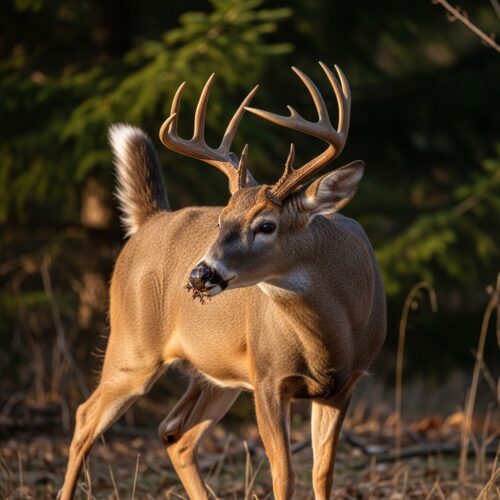
Understanding deer behavior is essential for your safety. Recognizing the signs of aggression can help you avoid dangerous encounters. Here’s what to look for.
Key Behavioral Indicators of Aggression
Deer show clear signs when they’re feeling threatened or aggressive. Here are some key behaviors to watch for:
- Ears Flat: If a deer flattens its ears against its head, it’s a warning sign. This indicates irritation or aggression.
- Raised Hair: When a deer’s fur stands on end, it’s preparing to defend itself.
- Stomping Hooves: This is a way deer signal danger. It’s their version of “back off!”
- Intense Staring: If a deer locks eyes with you, it may feel threatened and could react defensively.
- Head Position: A deer holding its head low or slightly above its shoulders can signal aggression.
Understanding Body Language: When to Be Cautious
Deer communicate through body language. Recognizing these signs can keep you safe. Here’s a checklist of behaviors to be cautious of:
- Tucked Tail: A deer with a tucked tail is likely scared or ready to flee. Approach with caution.
- Snorting or Grunting: Noises made by deer can indicate distress or aggression. It’s best to back away slowly.
- Rutting Behavior: During the fall, male deer may display aggressive behavior due to territorial instincts. Keep your distance!
Recognizing Signs of a Cornered or Threatened Deer
A deer that feels cornered is more likely to attack. Here’s how to identify such a situation:
- Backing Away: If a deer is trying to escape but can’t find a way out, it may lash out.
- Aggressive Movements: Look for sudden movements or charges. This indicates that the deer feels threatened.
- Protective Mothers: Does will fiercely protect their fawns. If you see a fawn, keep your distance.
Quick Safety Checklist
- Observe from a Distance: Always keep a safe distance from deer, especially during fawning and rutting seasons.
- Make Noise: If you encounter deer, make your presence known without startling them.
- Retreat Calmly: If you notice aggressive behavior, back away slowly and calmly. Do not turn your back on the deer.
- Avoid Feeding: Never feed deer to prevent habituation, which can lead to aggressive behavior.
By recognizing these signs, you can enjoy nature while staying safe around deer.
How to Avoid Deer Attacks: Practical Strategies
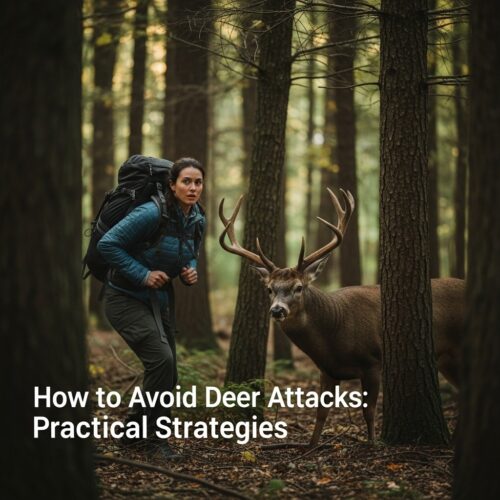
Deer are generally peaceful creatures, but they can act aggressively in certain situations. Here are some practical strategies to minimize your risk of encountering aggressive deer.
Best Practices for Hiking and Outdoor Activities Around Deer
When you’re out enjoying nature, keep these strategies in mind:
- Stay Alert: Always be aware of your surroundings. Look out for deer tracks or droppings.
- Make Noise: Talk or clap your hands to announce your presence. This helps avoid startling deer.
- Keep Your Distance: If you see a deer, admire it from afar. Don’t approach, especially if it has young ones nearby.
- Hike with Others: There’s safety in numbers! Deer are less likely to approach a group.
Preventing Habituation: Why You Should Never Feed Deer
Feeding deer can lead to dangerous situations. Here’s why:
- Loss of Fear: Deer that are fed by humans lose their natural wariness. They become bolder and more likely to approach people.
- Aggression Triggers: If a habituated deer feels threatened, it may attack. This is especially true during the rutting season or when protecting fawns.
- Avoid Food Sources: Don’t leave out birdseed or garden scraps. This can attract deer and teach them to associate humans with food.
Creating a Safe Environment in Your Backyard
Your yard should be a safe space for both you and the deer. Here are some tips:
- Remove Attractions: Clear away food sources like fallen fruit or accessible bird feeders.
- Install Fencing: A tall fence can deter deer from entering your property.
- Use Motion-Activated Lights: These can startle deer and keep them away from your yard.
- Monitor for Deer Activity: Look for signs like tracks or droppings. If you notice increased activity, take preventive measures.
Safety Checklist for Interacting with Deer
Here’s a quick checklist to keep you safe around deer:
- Do: Observe from a distance.
- Do: Make noise to announce your presence.
- Do: Retreat calmly if a deer shows aggression.
- Don’t: Approach fawns or any deer that seems distressed.
- Don’t: Feed deer or leave food sources accessible.
By following these strategies, you can enjoy the beauty of nature while keeping yourself safe from potential deer encounters.
What to Do If You Encounter an Aggressive Deer

Encountering an aggressive deer can be startling. Knowing how to respond is key to staying safe. Here are some effective strategies for handling such situations.
Steps to Take When a Deer Charges
If a deer charges at you, stay calm and remember these steps:
1. Don’t Run: Running may trigger a chase response.
2. Back Away Slowly: Maintain eye contact and move away without turning your back.
3. Make Yourself Big: Raise your arms and shout to appear larger and more intimidating.
4. Find a Barrier: If possible, position something solid between you and the deer, like a tree or a car.
How to Use Your Body Language to Deter Aggression
Deer can sense fear and aggression. Here’s how to communicate safety:
- Stand Tall: A confident posture can deter a deer.
- Wave Your Arms: Make yourself look larger.
- Make Noise: Shout or clap your hands to scare the deer away.
Seeking Shelter: Finding Safety in Your Environment
If an aggressive deer approaches, finding safety is crucial:
- Look for Shelter: Head towards a building, vehicle, or any high ground.
- Climb if Necessary: If the situation escalates, climbing a high spot can provide safety.
- Protect Yourself: If knocked down, curl into a fetal position to protect vital areas.
Real-Life Scenario
Imagine you’re hiking and a deer suddenly charges towards you. Instead of panicking, you remember these steps. You stand tall, shout, and slowly back away while keeping your eyes on the deer. You spot a tree nearby and quickly position yourself behind it. The deer stops, confused by your presence and the barrier.
By following these strategies, you can effectively manage an encounter with an aggressive deer. Stay alert and respect their space to prevent such situations in the first place.
Real-Life Examples of Deer Attacks: Lessons Learned
Understanding real-life encounters with deer can help us learn how to avoid potential attacks. Let’s dive into a couple of case studies to shed light on deer behavior and safety measures.
Case Study 1: The Impact of a Maternal Doe
In one incident, a hiker accidentally wandered too close to a doe with her fawn. The doe perceived the hiker as a threat. She charged, forcing the hiker to retreat quickly. Fortunately, the hiker remembered to stand tall and make noise. This startled the doe, allowing them to escape without injury.
Key Takeaways:
- Keep Your Distance: Always maintain a safe distance from does and their young.
- Recognize Protective Behavior: A doe will fiercely protect her fawn. If you spot one, back away calmly.
Case Study 2: Aggressive Behavior During the Rut
During the fall rut, a group of hunters experienced a surprising encounter. A buck, agitated and territorial, charged at one of them. The hunter had unknowingly ventured into the buck’s territory. The hunter raised his arms and shouted, which surprised the buck and made it retreat.
Key Takeaways:
- Know the Seasons: Be extra cautious during the rutting season (October to December).
- Avoid Aggressive Encounters: If you spot a buck acting aggressively, it’s best to back away slowly.
Comparative Analysis of Human Responses to Deer Aggression
Different responses can determine the outcome of a deer encounter. In one scenario, a person tried to feed a deer, resulting in a sudden aggressive charge. In contrast, another individual, who spotted a deer in the wild, simply made noise and kept their distance.
Effective Responses:
- Stay Calm: Panic can escalate the situation.
- Make Noise: Shouting or waving your arms can deter a deer.
- Back Away Slowly: Never turn your back on an aggressive deer.
Common Mistakes:
- Approaching too closely, especially to does with fawns.
- Feeding deer, which can lead to habituated and aggressive behavior.
By learning from these examples, we can better understand deer behavior and protect ourselves from unexpected encounters.
Myths and Misconceptions About Deer Attacks
Many people have misunderstandings about deer behavior and the likelihood of attacks. Let’s clear up some common myths to help you stay safe and informed.
Myth 1: Deer Only Attack When Provoked
It’s a common belief that deer will only attack if you provoke them. While provoking a deer can lead to aggression, it’s not the only trigger. Deer can feel threatened even without direct provocation. For example, if a doe feels her fawn is in danger, she may charge without warning.
Myth 2: All Deer are Dangerous During the Rut
Not all deer become aggressive just because it’s rutting season. While male deer (bucks) can be more territorial and aggressive during this time, it varies by individual and circumstance. Many bucks will avoid human interaction. Knowing this helps you recognize that not every deer poses a threat during the rut.
Understanding Deer: The Balance Between Fear and Aggression
Deer are generally shy and prefer to avoid humans. However, when they feel cornered or threatened, fear can turn into aggression. Here are key points to consider:
- Maternal Instincts: Does are protective of their fawns. If you get too close, they may see you as a threat.
- Habituation: Deer that are used to human presence may become less fearful and more aggressive. Feeding them can lead to this behavior.
- Territorial Disputes: During mating season, bucks may display aggression towards other males and, occasionally, humans who get too close.
Tips for Safety:
- Watch for Signs: Raised fur, stomping hooves, and intense staring are warning signs.
- Keep Your Distance: Always maintain a respectful distance from deer, especially if they have young ones.
- Stay Calm: If you encounter an aggressive deer, don’t panic. Make noise and back away slowly.
Understanding these myths and behaviors will help you navigate encounters with deer more safely.
Conclusion: Understanding Deer and Ensuring Safety
Navigating the world of deer can be tricky. Understanding their behavior and knowing how to stay safe is key. Let’s recap some important points.
Recap of Key Aggression Triggers
1. Rutting Season: Male deer can become aggressive during mating season. They might see humans as a threat to their territory.
2. Maternal Instincts: Does are fiercely protective of their fawns. If you get too close, they may charge to defend their young.
3. Habituation: Feeding deer can make them less wary of humans, leading to aggressive begging or even territorial behavior.
4. Territorial Disputes: Bucks may become aggressive toward other males or humans who encroach on their space during mating season.
Final Safety Tips for Interacting with Deer
- Observe from a Distance: Use binoculars to enjoy their beauty without getting too close.
- Watch for Warning Signs: Raised fur, stomping hooves, and a fixed stare indicate that a deer feels threatened.
- Stay Calm: If you encounter an aggressive deer, back away slowly and make noise to signal your presence.
- Avoid Feeding: Never feed deer. It encourages close encounters and can lead to aggressive behavior.
Encouragement to Respect Wildlife
Remember, deer are wild animals. They deserve respect and space. By being aware of their behavior and following these safety tips, we can coexist peacefully with these beautiful creatures. Enjoy observing them, but always prioritize safety for both you and the deer!
Frequently Asked Questions
These quick answers cover the most common questions about this topic, including key details, practical tips, and common concerns.
How do you know if a deer will attack you?
Deer show warning signs when feeling threatened or aggressive. Look for flattened ears, raised fur, stomping hooves, intense staring, or head positioning. These behaviors indicate the deer perceives danger and may act defensively. Recognizing these signs can help you avoid escalation.
When God sends you a deer?
This phrase is often interpreted as a sign or message from nature. While not scientifically based, some see deer as symbols of grace, gentleness, or spiritual guidance. If you encounter a deer unexpectedly, it might be a moment to reflect or appreciate the natural world.
What smell does a deer hate?
Deer dislike strong, pungent smells that mimic predators or irritate their senses. Common scents that repel deer include ammonia, garlic, or predator urine. Using these around your yard or during outdoor activities can help deter deer from approaching.
What is the 7 day rule for deer?
The 7-day rule suggests that deer are more likely to be aggressive or territorial during their rutting (mating) season, which peaks from October to December. During this period, increased caution is advised, especially around male deer, as their behavior can become unpredictable.
When are deer most aggressive?
Deer are most aggressive during the rutting season in fall, especially from October to December. Females may defend their fawns in late spring to early summer. Additionally, habituated deer that have lost their fear of humans can show aggression at any time, particularly if provoked or cornered.
What should I do if a deer charges at me?
Stay calm and do not run. Slowly back away while keeping eye contact. Make yourself appear larger by raising your arms or waving. If possible, find a barrier like a tree or car to put between you and the deer. Shouting or making noise can also deter the animal.
Can feeding deer lead to aggressive behavior?
Yes, feeding deer can cause them to lose their natural wariness of humans. Habituated deer may approach aggressively for food or defend feeding sites, increasing the risk of attacks. It’s best to avoid feeding deer to promote safe, natural interactions.
What are the warning signs of an aggressive deer?
Warning signs include flattened ears, raised fur, stomping hooves, intense staring, and head lowering. These signals indicate the deer feels threatened and may react defensively. Recognizing these signs early helps you keep your distance and avoid confrontation.