
Pruning your Ti plant (Cordyline fruticosa) is crucial for promoting healthy growth and maintaining its vibrant appearance. This guide will walk you through the essential steps, techniques, and care tips to ensure your Ti plant flourishes after pruning.
Understanding the Ti Plant and Its Growth Needs
The Ti plant (Cordyline fruticosa) is a striking ornamental evergreen native to tropical regions. Its vibrant foliage and cultural significance make it a favorite among gardeners. Understanding its characteristics, environmental needs, and common growth issues is essential for effective pruning and overall care.

Characteristics of Ti Plant
- Height and Spread: Ti plants can grow up to 15 feet tall and spread about 7-8 feet wide.
- Leaf Color and Shape: They feature long, narrow leaves that can be dark maroon, green, or variegated.
- Cultural Importance: In Hawaiian culture, Ti leaves are used in traditional ceremonies and crafts, such as hula skirts and floral arrangements.
Pruning is vital for maintaining the Ti plant’s size and promoting healthy growth. It encourages branching and rejuvenates the plant, leading to a fuller appearance.
Environmental Requirements
Ti plants thrive in specific conditions to flourish:
- Light: They prefer full sun to partial shade. Filtered light enhances leaf color.
- Temperature: Ideal temperatures range from 66°F to 84°F, with a minimum of 55°F.
- Humidity: A humid environment is essential. Regular misting or placing the plant in a humid room can help maintain moisture.
These environmental needs must be met to ensure the plant remains robust and visually appealing.
Table of Contents
Common Growth Issues
Despite their resilience, Ti plants can face several challenges:
- Leaf Browning: Often due to low humidity or inconsistent watering.
- Pests: Common pests include spider mites and aphids. Regular inspection and appropriate treatment can mitigate these issues.
- Overgrowth: Without pruning, Ti plants may become leggy and lose their aesthetic appeal.
Proper pruning techniques can prevent these issues from escalating, allowing for healthier and more attractive plants. For effective pruning, consider using high-quality tools like Pruning Shears for Ti Plants to achieve clean cuts and promote optimal growth.
When to Prune Your Ti Plant for Best Results
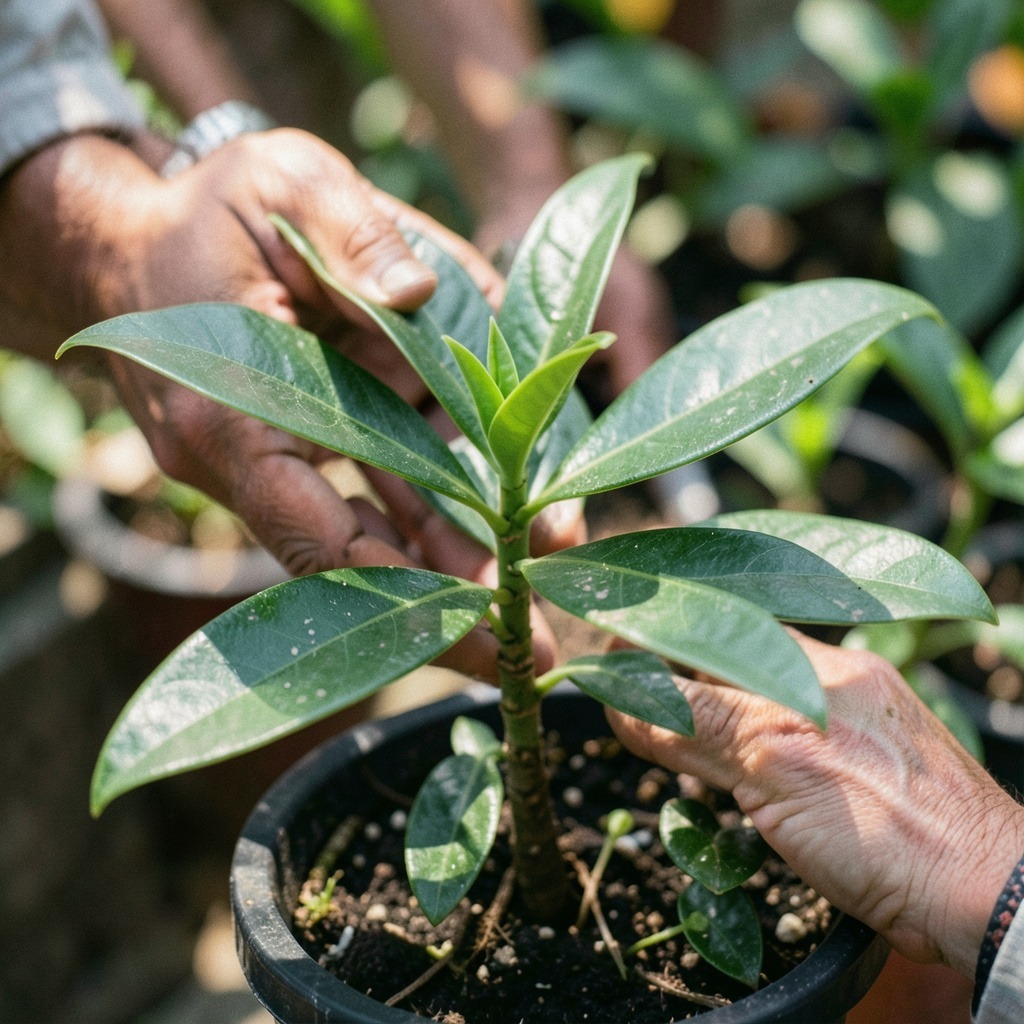
Timing is crucial for effective pruning of your Ti plant (Cordyline fruticosa). Understanding when to prune can significantly enhance the plant’s health and appearance.
Best Seasons for Pruning
Pruning your Ti plant works best in specific seasons. The ideal times are:
- Spring: This is the most favorable time for pruning. As the plant emerges from dormancy, it starts to grow actively. Pruning in spring encourages new growth and branching.
- Early Summer: If you missed spring, early summer is another good option. The plant’s growth is robust, and pruning will help maintain its shape.
- Fall: Pruning in early fall can prepare the plant for dormancy. However, avoid heavy pruning as the plant prepares for winter.
Signs Your Ti Plant Needs Pruning
Recognizing signs that your Ti plant requires pruning is essential for maintaining its health. Look for these indicators:
- Leggy Growth: If your plant appears stretched or sparse, pruning can encourage denser growth.
- Dried or Yellow Leaves: Remove dead or discolored leaves to improve aesthetic appeal and plant health.
- Overcrowding: If the plant is becoming too large for its space, prune to maintain a manageable size.
Seasonal Pruning Checklist
Use this checklist to ensure you are pruning effectively:
- Spring:
- Prune back to promote branching.
- Remove any damaged or dead leaves.
- Early Summer:
- Trim any leggy growth.
- Shape the plant for aesthetic purposes.
- Fall:
- Lightly prune to prepare for winter.
- Remove any remaining dead foliage.
By observing these seasonal cues and signs, you can ensure your Ti plant thrives. For clean cuts and optimal results, consider using high-quality tools like Pruning Shears for Ti Plants.
Essential Tools for Pruning a Ti Plant
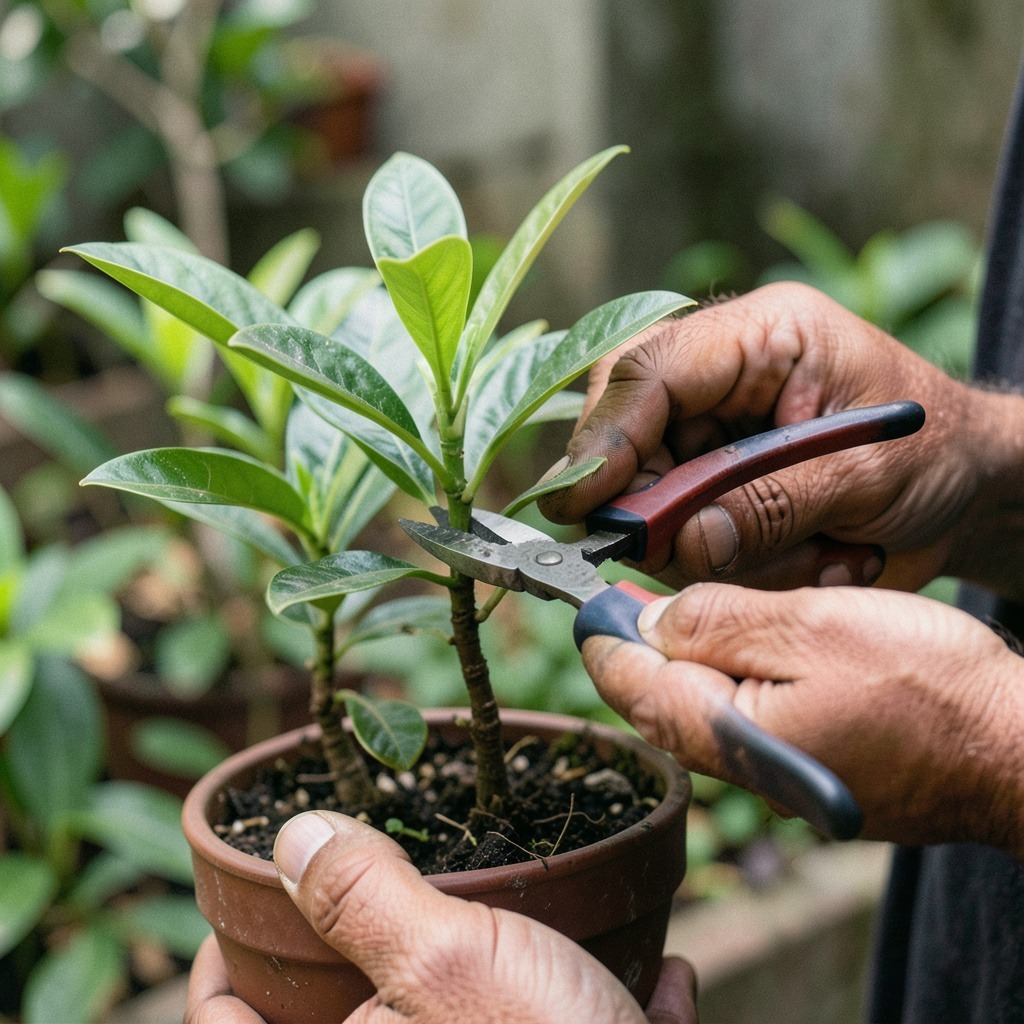
Effective pruning of a Ti plant requires the right tools to ensure clean cuts and promote healthy growth. Here are the essential tools you should consider for successful pruning.
Recommended Pruning Tools
1. Pruning Shears
- Use: Ideal for cutting stems and branches up to ¾ inch thick. They provide a clean cut, which helps prevent damage to the plant.
- Example: Bypass pruning shears are particularly effective as they cut like scissors, making them suitable for live stems.
- Maintenance: Regularly clean the blades and oil them to prevent rust and ensure smooth operation.
2. Loppers
- Use: Best for thicker branches, typically between ¾ inch and 2 inches in diameter.
- Example: Anvil loppers can crush stems, so choose bypass loppers for a cleaner cut.
- Maintenance: Sharpen the blades yearly and check for loose screws or joints.
3. Hedge Trimmers
- Use: Great for shaping the plant and managing larger areas of foliage.
- Example: Electric hedge trimmers can make the job quicker, especially for extensive pruning.
- Maintenance: Clean the blades after each use and lubricate to prevent rust.
4. Hand Pruners
- Use: Useful for precision cuts on smaller plants or delicate areas.
- Example: Ideal for removing dead leaves or minor shaping.
- Maintenance: Ensure they are sharp and clean to maintain effectiveness.
How to Maintain Your Tools
- Regular Cleaning: After each use, wipe down tools with a cloth to remove sap and dirt. This prevents buildup that can cause rust and affect performance.
- Sharpening: Keep blades sharp for clean cuts. Dull blades can damage plants and lead to disease.
- Storage: Store tools in a dry place, preferably in a toolbox or shed, to minimize exposure to moisture.
Using the right tools and maintaining them properly not only enhances your pruning efforts but also promotes the overall health of your Ti plant. For optimal results, consider investing in high-quality Pruning Shears for Ti Plants.
Step-by-Step Guide to Pruning Your Ti Plant

Pruning your Ti plant (Cordyline fruticosa) is essential for maintaining its health and promoting robust growth. This step-by-step guide will help you prune effectively, ensuring your plant thrives.
Preparing Your Tools and Plant
Before you begin pruning, gather the necessary tools and prepare your plant:
- Tools Needed:
- Pruning Shears: Ensure they are sharp for clean cuts.
- Gloves: Protect your hands from sap and sharp edges.
- Disinfectant: Use to clean tools before and after pruning.
- Plant Preparation:
- Assess your Ti plant for dead or damaged leaves.
- Ensure the plant is healthy and hydrated; prune after watering.
Executing the Pruning Process
Follow these steps to prune your Ti plant effectively:
1. Identify What to Prune:
- Remove dead or yellowing leaves.
- Cut back any leggy growth to encourage bushiness.
- Trim the top if the plant is too tall for your space.
2. Make Cuts:
- Cut just above a leaf node or stem joint. This encourages new growth.
- Use clean, angled cuts to minimize damage.
3. Monitor for Health:
- After each cut, check the plant for signs of stress.
- Adjust your pruning approach if necessary.
What to Avoid When Pruning
To ensure successful pruning, avoid these common mistakes:
- Do Not Over-Prune: Remove only a third of the plant at a time. Over-pruning can stress the plant.
- Avoid Cutting into Healthy Tissue: Always cut above leaves or nodes to promote healthy regrowth.
- Neglecting Tool Maintenance: Use clean and sharp tools to prevent disease transmission.
Tips for Pruning Success
- Timing: Prune during the growing season (spring to early summer) for best results.
- Observe Growth Patterns: Understand your plant’s growth habits to know when and where to prune.
- Consider Environment: Indoor Ti plants may require different care compared to outdoor ones; adjust your pruning techniques accordingly.
Use this guide as a framework for successful pruning, and your Ti plant will flourish.
Post-Pruning Care for Your Ti Plant
After pruning your Ti plant, proper care is essential to ensure its health and vitality. Follow these guidelines to provide optimal conditions for recovery and growth.
Watering and Fertilization After Pruning
- Watering: Immediately after pruning, ensure your Ti plant receives adequate water. Keep the soil consistently moist but not soggy. Check the top inch of soil; if it feels dry, it’s time to water.
- Fertilization: Wait at least four to six weeks after pruning before applying fertilizer. This allows the plant to recover from the shock. Use a balanced, water-soluble fertilizer diluted to half strength to encourage new growth.
Monitoring for Pests and Diseases
Following pruning, it’s crucial to keep an eye out for potential pest infestations and diseases.
- Common Pests: Watch for spider mites, aphids, and mealybugs. These pests can thrive in the stress following pruning.
- Signs of Trouble: Look for yellowing leaves, webbing, or sticky residue on the plant. If you notice any of these signs, treat the affected areas promptly with insecticidal soap or neem oil.
Post-Pruning Care Checklist
- Water regularly: Maintain soil moisture without overwatering.
- Fertilize: Wait 4-6 weeks post-pruning before applying fertilizer.
- Inspect for pests: Check weekly for signs of pests or diseases.
- Adjust humidity: Keep humidity levels high. If indoors, consider using a humidifier or pebble tray.
- Monitor light exposure: Ensure the plant receives filtered light, avoiding direct sunlight that could stress it further.
By following these post-pruning care steps, your Ti plant can thrive and continue to grow robustly.
Common Problems and Solutions for Ti Plants
Ti plants are vibrant and resilient, but they can face challenges, especially after pruning. Recognizing and addressing these issues promptly can ensure your plant thrives.
Identifying Common Problems
Common problems in Ti plants often manifest as discoloration or pest infestations. Here are the most frequent issues to watch for:
- Brown Leaves: This typically occurs from underwatering, overwatering, or exposure to harsh conditions. Leaves may also turn brown after pruning due to stress.
- Yellowing Leaves: Often indicates poor drainage or nutrient deficiencies.
- Leaf Spots: These can signal fungal infections or pest damage, including spider mites and mealybugs.
Effective Solutions and Preventative Measures
Addressing these problems effectively involves a combination of immediate action and preventive care.
- Brown Leaves:
- Assess watering habits. Ensure the soil remains damp but never soggy.
- If leaves are brown post-pruning, maintain consistent humidity and avoid direct sunlight.
- Yellowing Leaves:
- Check soil drainage. Use well-draining soil to prevent root rot.
- Fertilize with a balanced fertilizer, particularly if growth appears stunted.
- Leaf Spots:
- Remove affected leaves immediately to prevent spreading.
- Use fungicides or natural remedies like neem oil for treatment.
- Regularly inspect for pests. Early intervention is key.
Checklist for Post-Pruning Health
- Water Regularly: Keep soil moisture consistent.
- Inspect for Pests: Conduct weekly checks for pests or diseases.
- Maintain Humidity: Use a humidifier or pebble tray as needed.
- Monitor Light Exposure: Ensure adequate but indirect light.
By implementing these solutions, you can effectively manage the health of your Ti plant and promote robust growth after pruning.
Propagating Ti Plants from Pruning Cuttings
Propagating Ti plants from pruning cuttings is an effective way to expand your collection. This method not only revitalizes the parent plant but also produces new, healthy specimens.
How to Take Cuttings
1. Select Healthy Stems: Choose stems that are at least 6-8 inches long and have healthy, vibrant leaves. Avoid stems with yellowing or brown spots.
2. Make the Cut: Using sharp, sterile pruning shears, cut just below a node (the point where leaves attach). This encourages root growth.
3. Prepare the Cuttings: Remove the lower leaves, leaving a few at the top. This reduces moisture loss and focuses energy on root development.
4. Apply Rooting Hormone: Dip the cut end in rooting hormone to promote faster root growth. This step is optional but can enhance success rates.
Caring for Propagated Cuttings
1. Choose the Right Medium: Use a well-draining potting mix or a combination of perlite and peat moss. This ensures adequate drainage and aeration.
2. Plant the Cuttings: Insert the cut end into the medium, burying it about 2-3 inches deep. Space multiple cuttings at least 6 inches apart for air circulation.
3. Provide Proper Conditions:
- Humidity: Cover the pot with a plastic bag or a clear plastic dome to maintain humidity. Open it periodically for air circulation.
- Light: Place in a location with bright, indirect light. Avoid direct sunlight, which can scorch the cuttings.
4. Watering: Keep the soil consistently moist but not soggy. A light misting can help maintain humidity without overwatering.
5. Monitor Growth: After a few weeks, check for root development by gently tugging on the cuttings. Once resistance is felt, roots have formed.
Propagation Checklist
- Cutting Length: 6-8 inches
- Healthy Leaves: Remove lower leaves
- Rooting Hormone: Optional but recommended
- Soil Type: Well-draining mix
- Humidity Maintenance: Use a plastic cover
- Light Requirement: Bright, indirect light
- Watering Frequency: Keep moist, avoid sogginess
By following these steps, you can successfully propagate your Ti plants, ensuring a thriving and vibrant collection.
Frequently Asked Questions
These quick answers cover the most common questions about this topic, including key details, practical tips, and common concerns.
What is the lifespan of a ti plant?
Ti plants (Cordyline fruticosa) can live for several years, typically ranging from 5 to 15 years, depending on their care and environmental conditions. Factors such as light, humidity, and soil quality play crucial roles in determining their longevity. With proper care, including regular pruning and pest management, your ti plant can thrive for a long time.
Will Cordyline grow if it was cut back?
Yes, Cordyline can grow back if it is cut back properly. Pruning encourages new growth and branching, leading to a fuller appearance. When you cut back the plant, make sure to do so above a leaf node to promote healthy regrowth. Spring is the best time for this, as the plant is actively growing.
What are common ti plant problems?
Common problems with ti plants include leaf browning, yellowing, and pest infestations. Browning often results from low humidity or inconsistent watering, while yellowing can indicate overwatering or nutrient deficiencies. Regularly inspect your plant for signs of pests like spider mites or aphids, which can harm its health.
Can you grow a ti plant from a cutting?
Yes, ti plants can be propagated from cuttings. To do this, take a healthy stem cutting that is at least 6-8 inches long, remove the lower leaves, and plant it in a well-draining medium. Keep the cutting in a humid environment with bright, indirect light. With proper care, roots will develop in a few weeks.
Is your ti plant indoors or outdoors?
The care requirements for ti plants differ based on whether they are indoors or outdoors. Indoor ti plants may need more humidity and filtered light, while outdoor plants thrive in full sun to partial shade. Understanding the environment will help you adjust watering and pruning techniques for optimal growth.
When is the best time to prune a ti plant?
The best time to prune a ti plant is in spring, as it emerges from dormancy and begins to grow actively. Early summer is also suitable for pruning if you missed the spring window. Avoid heavy pruning in the fall, as this can stress the plant before winter dormancy.
What mistakes should I avoid when pruning a ti plant?
When pruning a ti plant, avoid cutting too much at once; removing more than a third of the plant can lead to stress. Also, ensure you make clean cuts above leaf nodes to encourage new growth. Neglecting to sterilize your tools can introduce diseases, so always clean them before and after use.