
Most snails primarily eat plant material, but they can occasionally consume bugs or small invertebrates under certain conditions.
This article explains when snails might eat bugs, which types they might target, and the circumstances that influence their feeding behavior, supported by reputable sources.
Snails and Their Dietary Habits: Do They Usually Eat Bugs?
While snails are primarily known for consuming plant material, algae, and decaying organic matter, their diet can sometimes include small insects or bugs, though this is not a regular occurrence. The likelihood of a snail eating bugs depends heavily on its environment and the available food sources. In garden settings or moist, outdoor habitats, snails may encounter insects such as fly larvae, tiny beetles, or other small bugs that are accessible on the surface or within decomposing material. When these insects are within reach, some snails might opportunistically feed on them, especially if they are easy to capture and digest. However, insects generally do not constitute a significant portion of the snail’s diet.
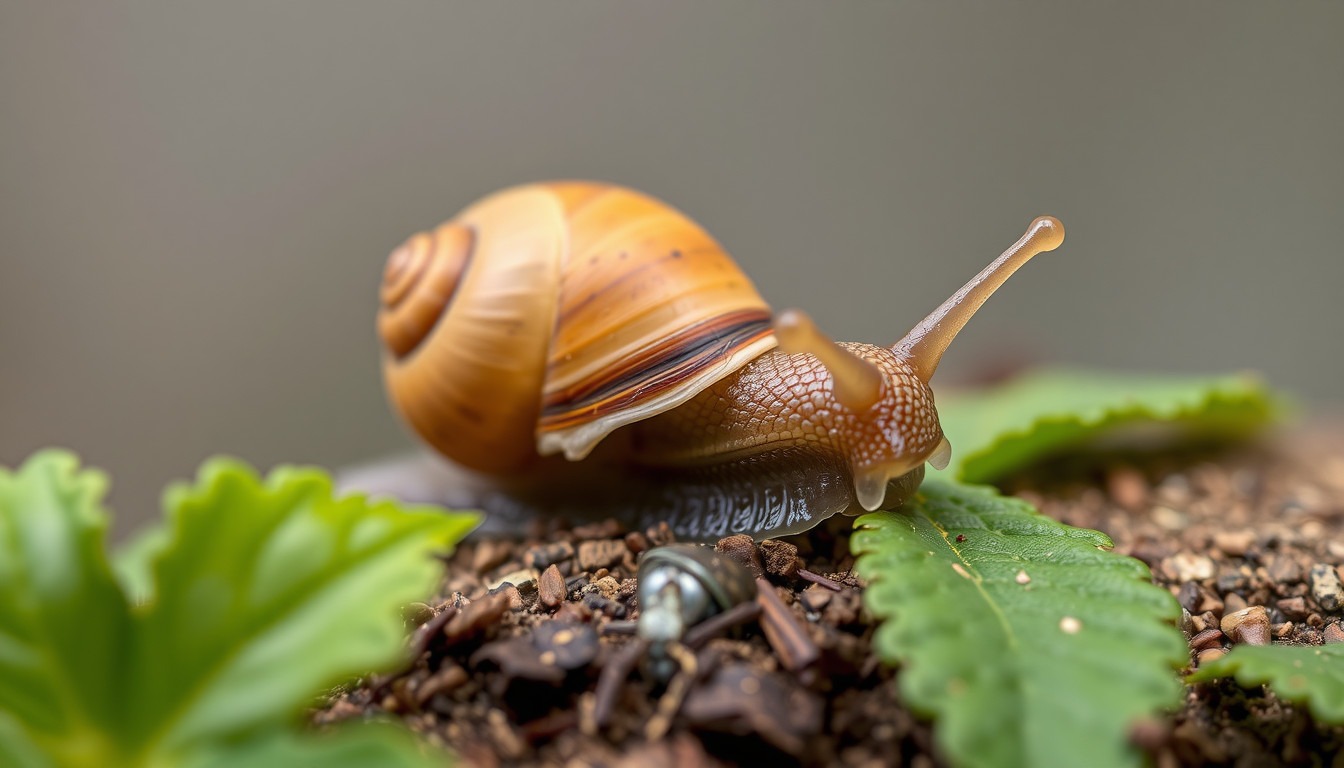
1. When do snails eat bugs?
Snails tend to eat bugs more often when their usual sources of nutrition are scarce or temporarily unavailable. For example, during dry periods or in environments where preferred plant matter is limited, snails may resort to consuming small insects they encounter while foraging. Additionally, young or juvenile snails might be more opportunistic in their feeding habits, including bugs, due to their developing nutritional needs.
2. Types of bugs snails may consume
Snails might consume various small bugs such as tiny beetles, larvae, or decomposing insects present in organic debris, decaying leaves, or compost heaps. These insects are generally part of the organic matter that the snail grazes on during its habitat’s natural decomposition process. While some snails, especially those in damp, organic-rich environments, are more likely to come across and eat such bugs, others in more barren settings may rarely do so.
Table of Contents
3. Are bugs a primary diet component?
No, bugs are typically a minor component of a snail’s diet. The bulk of their nourishment comes from plant-based foods, algae, and decaying matter. Insects are usually consumed opportunistically rather than intentionally, and they rarely form the main part of a snail’s diet. The nutritional value of bugs does not generally outweigh the importance of their preferred food sources, and studies suggest that the dietary focus for snails remains on vegetation and organic debris rather than insects.
Conditions that Influence Whether Snails Eat Bugs in Your Garden
Snails are primarily herbivores, but environmental factors and food availability can lead them to consume bugs occasionally. Their feeding behavior adapts based on the resources they encounter in their habitat.
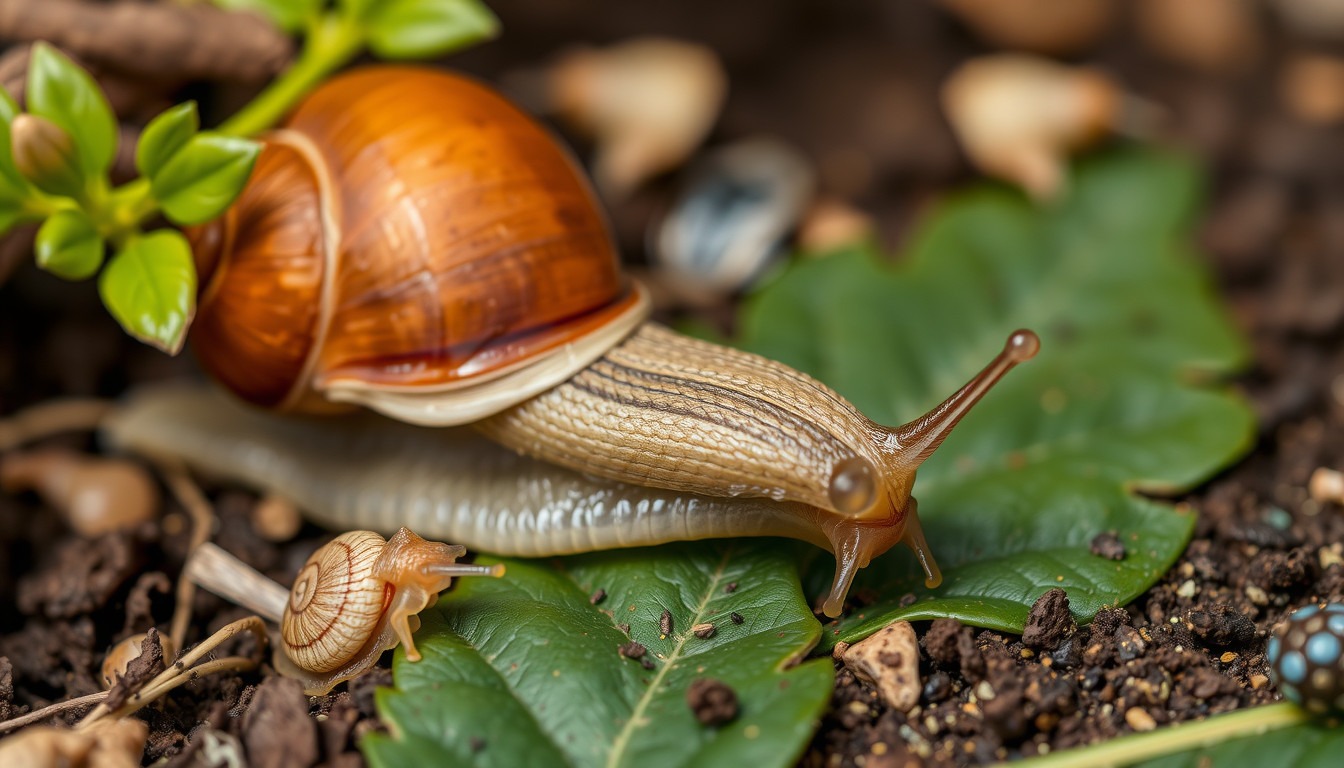
1. Availability of Plant Food
The presence of ample plant material, algae, and organic debris typically satisfies a snail’s dietary needs. When these food sources are abundant, snails generally avoid insects, focusing instead on what provides the most nutrition with the least effort. However, if plant food becomes scarce due to drought, overgrazing, or seasonal changes, snails may expand their diet to include insects and other organic matter. This opportunistic behavior helps them survive in nutrient-poor conditions, but bugs are usually a secondary food source and not a primary component of their diet.
2. Presence of Insects and Decaying Matter
Snails are more likely to eat bugs when insects are readily available, especially in environments rich in decaying plant material and organic waste. Decayed leaves and rotting wood attract both bugs and snails, increasing the likelihood of accidental or opportunistic insect consumption. The moisture level in such environments also plays a role, as damp conditions favor the movement of insects and the activity of snails, creating more chances for encounters. Generally, bugs do not constitute a major part of their regular diet, but in crowded, nutrient-scarce habitats, snails may opportunistically prey on or scavenge insects.
3. Snail Species with Carnivorous Tendencies
While most snails are herbivores or omnivores, certain species exhibit more carnivorous behaviors. These snails tend to be more inclined to eat insects, especially in environments where typical food sources are limited. For example, some aquatic or land snail species have specialized feeding habits that include preying on small invertebrates. Nonetheless, insects rarely form the dominant part of their diet; rather, they represent an opportunistic supplement when the environment encourages such behavior. In densely populated or organic-rich settings, these species may prey on bugs more frequently than their herbivorous counterparts.
How Noticing Bugs in Your Garden Affects Snail Behavior
When you observe bugs in your garden, it can influence how snails behave, especially when they encounter potential prey or food sources. Recognizing signs of snail-bug interactions helps understand the dynamics between these creatures and their environment.
1. Signs snails are eating bugs
Evidence of snail predation or feeding on insects often appears as mucus trails near bugs or in areas where bugs have been detected. Sometimes, you may find small bugs or insect remnants inside snail shells, indicating they’ve ingested or scavenged them. Snails may also actively chase or hover around insect pests, especially if food is scarce. Observing mucus trails close to insects or seeing bugs in the vicinity of snails can point to such interactions.
2. Impact on garden pest management
Snails eating bugs can naturally reduce pest insect populations, offering a form of biological control. While not the primary method of pest management, this behavior can help minimize the need for chemical interventions. However, the extent of their impact varies with species, environment, and food availability. If snails are actively preying on pest insects, encouraging their presence might support your pest control efforts, but it is unlikely to replace targeted interventions entirely.
3. Distinguishing snail behavior in natural settings
Snail behavior changes based on seasonal and habitat conditions. During wetter months, they tend to be more active and may exhibit increased interactions with bugs, especially those that emerge in moisture-rich environments. In contrast, in drier conditions, snails may focus more on conserving energy and feeding on accessible plants. Identifying their feeding habits requires careful observation—look for mucus trails, shell contents, and movement patterns. Since many snails are primarily herbivorous, bug-eating tends to be opportunistic rather than habitual, mostly occurring when other food sources are limited or bugs are abundant.
Comparing Snail Species: Do All Eat Bugs or Only Certain Types?
Understanding whether snails eat bugs depends largely on their species and environmental conditions. While many garden snails are primarily herbivores, some species exhibit omnivorous or even carnivorous behaviors. The distinction is significant for gardeners and pest controllers considering snails as natural allies or potential pests. Garden snails such as Cepaea nemoralis and Helix aspersa predominantly feed on leaves, stems, and decaying plant matter, with occasional accidental ingestion of small insects. In contrast, certain land snails and freshwater species demonstrate more omnivorous tendencies, actively consuming insects, larvae, and other tiny invertebrates when available.
1. Herbivorous vs. Omnivorous Snails
2. Common Snail Species and Their Diets
- Garden snails: Mainly herbivores, feeding on leaves, fruits, and decaying plant matter; sometimes ingest small insects by mistake.
- Milk snails (Lymnaea): Mostly algae and plant matter, with occasional small invertebrates.
- Giant African land snails (Achatina spp.): Herbivores but capable of consuming insects and decaying organic material if accessible.
3. Are Carnivorous Snails a Reality?
While rare, carnivorous snail species do exist, such as Natica and some predatory marine snails. These species hunt and consume live prey, including small invertebrates and sometimes other mollusks. However, in typical garden environments, these snails are uncommon, making the likelihood of encountering a fully carnivorous snail quite low. Most land and freshwater snails are non-predatory, with their diet dominated by plant matter and organic debris, and only occasionally supplementing with bugs under specific conditions.
Practical Tips: Managing Snails and Their Potential to Eat Bugs
Controlling snail populations in gardens involves multiple strategies that also influence their interactions with bug visitors. Snails can both cultivate pests by feeding on decaying matter and inadvertently limit pests by consuming certain insects. Implementing natural predators, physical barriers, traps, and environmental modifications can help maintain a healthy balance, reducing snail and bug populations effectively.
1. Encouraging natural predators
- Birds, frogs, and beneficial insects like beetles naturally prey on snails and some bugs. Installing birdhouses, maintaining frog habitats near garden ponds, and avoiding broad-spectrum insecticides can help attract these predators and support their populations.
- Introducing or cultivating native plants that attract insects which prey on pests can also help regulate snail and bug numbers without chemical interventions.
2. Using barriers and traps
- Physical barriers such as copper tape around garden beds can deter snails from accessing plants where they might feed on bugs or decaying organic matter that attracts pests.
- DIY traps, like collecting snails in shallow dishes lined with beer or a mixture of salt and water, can reduce local snail populations and cut down on their interactions with bugs on plants.
3. Environmental modifications to reduce snail feeding opportunities
- Reducing decaying organic matter, such as fallen leaves and compost piles, minimizes habitat for snails to thrive and limits their food sources, consequently decreasing their impact on both pests and beneficial insects.
- Ensuring good drainage and avoiding excess moisture creates less favorable conditions for snails, while also discouraging certain insect pests that prefer damp, organic-rich environments.
- By maintaining a tidy and well-managed garden, gardeners can significantly diminish the places where snails and bugs congregate, thereby reducing their interactions and overall populations.
Specifying When and How to Encourage or Discourage Snails from Eating Bugs
Understanding when to allow snails to target certain insects and when to prevent their feeding can help gardeners balance pest control with protecting young plants. Adjusting snail activity based on garden conditions ensures a healthy, resilient ecosystem.
1. When to allow snail bug eating
If natural pest control is a priority, allowing snails to consume soft-bodied insects such as aphids and small pests can reduce the need for chemical interventions. Snails may also help manage certain pest populations that are difficult to control through other means, especially in areas with high organic decay where they naturally feed on decomposing matter and insects. During early planting or when pest levels are minimal, fostering snail activity aligns with a natural pest management approach.
2. When to prevent snail consumption of bugs
Precaution is essential when young plants and vulnerable seedlings are at risk. Snails can cause damage by feeding on tender young leaves, which hampers plant growth. During critical growth periods, restrict snail access by using barriers, handpicking, or applying organic deterrents. Avoid encouraging snail populations near sensitive plants, especially if the bugs present are beneficial insects like pollinators or predatory species that contribute to pest control in other ways.
3. Balancing snail and insect populations
Effective management involves maintaining a dynamic balance. Reduce habitats for snails in areas where they may overconsume beneficial bugs or young plants by removing organic debris, controlling excess moisture, and establishing dry zones. Conversely, in sections where pest insects threaten crops, strategic allowances for snail predation can help naturally regulate pest outbreaks, reducing reliance on chemical solutions. Consistent monitoring and habitat management support this balance, ensuring both snail and bug populations stay within sustainable levels.
Frequently Asked Questions
1. Do all snails eat bugs or only some species?
Only some snail species, particularly those with carnivorous tendencies, may eat bugs; most are primarily herbivores.
2. Can snails help control insect pests in the garden?
Yes, certain snails can reduce populations of small pest insects when they opportunistically feed on them, providing minor biological pest control.
3. Under what conditions do snails eat insects?
Snails eat insects mainly when their preferred plant-based foods are scarce, in moist environments with abundant organic debris, or if they belong to more carnivorous species.
4. Are snails primarily herbivores, or do they eat bugs regularly?
They are primarily herbivores, and bugs constitute only a minor, opportunistic part of their diet.
5. What signs indicate snails are consuming bugs?
Look for mucus trails near insect remains, bugs in or around snail shells, or snails actively chasing insects—these suggest bug consumption.
6. How can I prevent snails from eating beneficial insects?
Managing moisture levels and removing decaying organic matter reduces snail and insect encounters, though complete prevention is difficult in organic-rich habitats.
7. Are there snail species that are considered predators of bugs?
Yes, certain predatory or carnivorous snail species in aquatic or organic-rich environments may prey on small invertebrates, including bugs.
}