
Yes, String of Hearts plants (Ceropegia woodii) do flower, producing small tubular blooms.
The String of Hearts, known scientifically as Ceropegia woodii, is admired for its trailing vines and heart-shaped leaves. While its flowers are distinctively beautiful, many enthusiasts wonder about their blooming frequency and care requirements to encourage flowering.
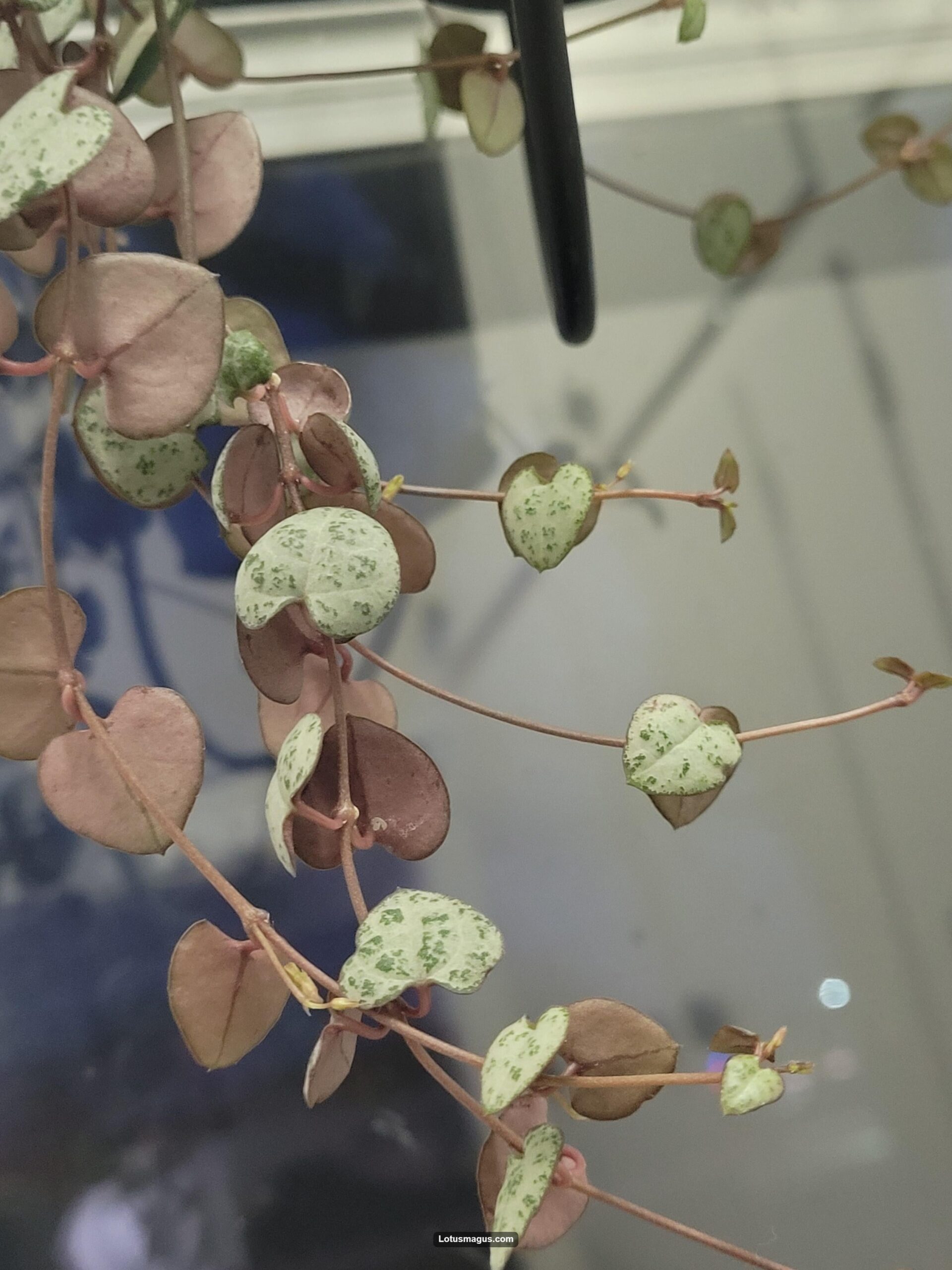
Understanding the Flowering of String of Hearts
The String of Hearts, or Ceropegia woodii, produces unique, tubular flowers that can be a delightful surprise for plant owners. Understanding how to encourage blooming can enhance the overall experience of growing this beloved houseplant.
Characteristics of String of Hearts Flowers
The flowers of the String of Hearts are small and tubular, often described as resembling tiny lanterns. They typically have a pale purple or pink hue with darker purple markings, adding to their charm. While the plant is primarily grown for its attractive foliage, the flowers are a sign of a healthy plant and proper care.
Conditions Encouraging Blooming
To maximize the chances of flowering, certain care conditions should be met:
Table of Contents
- Light Requirements: String of Hearts thrive in bright, indirect light. Too little light can hinder blooming, while direct sunlight can scorch the leaves.
- Watering Practices: Allow the soil to dry out between waterings. Overwatering can lead to root rot, while insufficient water can stress the plant, reducing its likelihood to flower.
- Soil Quality: Use well-draining soil, such as a cactus mix or a blend with perlite. Good drainage helps prevent water retention, promoting healthier roots and flowering potential.
- Temperature and Humidity: These plants prefer warmer temperatures, ideally between 65°F and 80°F (18°C to 27°C). Higher humidity can also support blooming, though they are fairly tolerant of average household humidity levels.
What Flowering Indicates About Plant Health
The appearance of flowers on a String of Hearts is often an indicator of optimal care. When the plant blooms, it suggests that:
- The plant is well-established and healthy.
- It has received adequate light and water, meeting its growth needs.
- The environmental conditions, such as temperature and humidity, are favorable.
In contrast, a lack of flowering may signal stress or inadequate care. Regular monitoring of the plant’s condition and adjusting care practices can help encourage blooming.
Essential Care Tips for String of Hearts
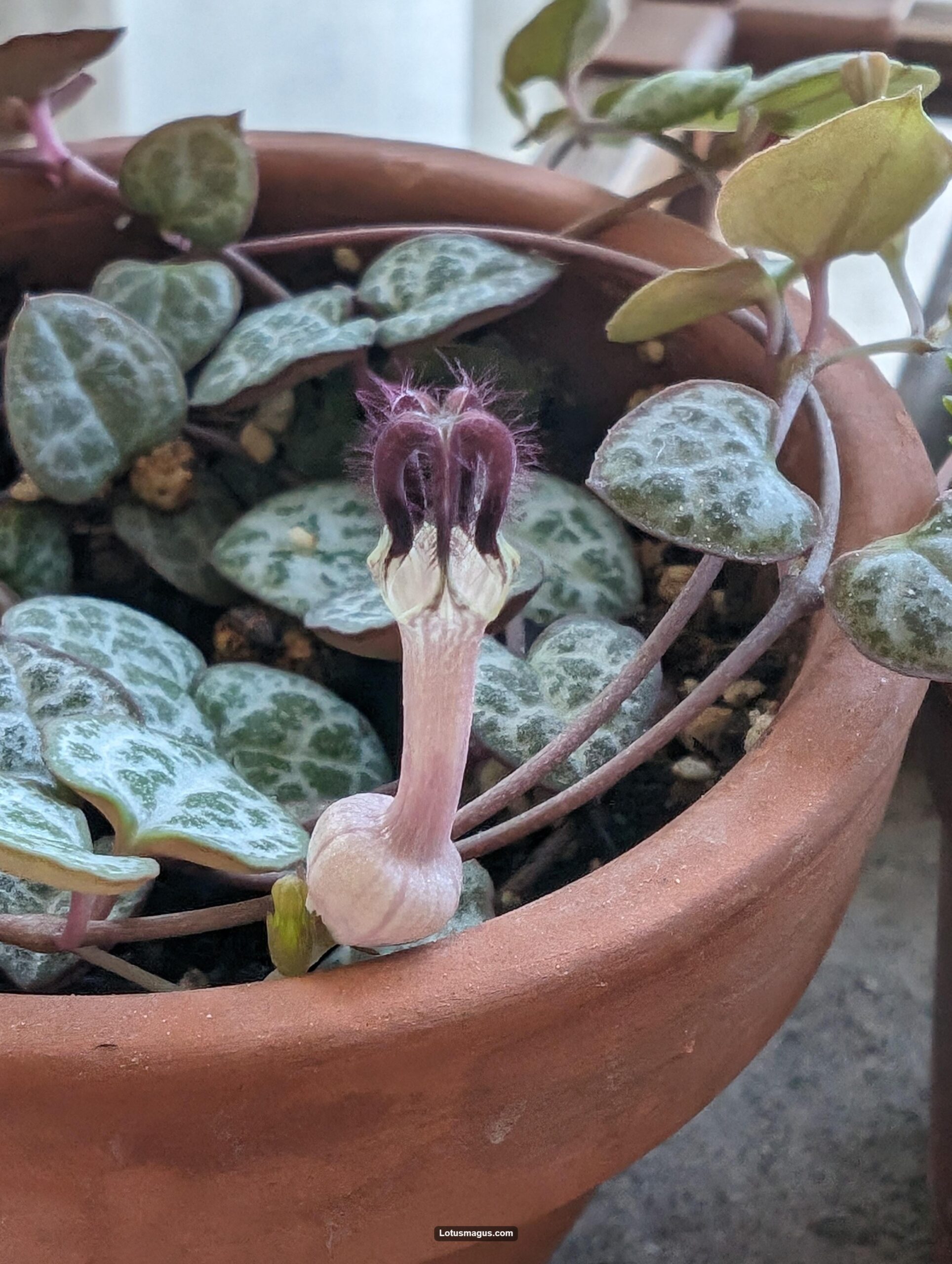
To encourage flowering in your String of Hearts, it is crucial to provide the right care. This includes understanding their watering needs, light requirements, and soil preferences. Proper attention to these factors can significantly enhance the plant’s health and blooming potential.
Watering Needs for Optimal Growth
String of Hearts plants thrive best with careful watering practices. Overwatering can lead to root rot, while underwatering may stress the plant, preventing it from blooming. Here are some key points to consider:
- Soil Moisture: Allow the top inch of soil to dry out before watering again. This helps prevent waterlogged roots.
- Frequency: Water approximately every 2-3 weeks during the growing season (spring and summer). Reduce frequency in fall and winter.
- Signs of Need: Yellowing leaves can indicate overwatering, while shriveling leaves may suggest underwatering.
Checklist for Watering:
- Check soil moisture weekly.
- Use well-draining pots to avoid excess moisture.
- Adjust watering based on seasonal changes.
Ideal Light Conditions
Light plays a vital role in the flowering process of String of Hearts. The right light conditions not only promote blooming but also enhance the plant’s overall vitality.
- Light Type: Place your plant in bright, indirect sunlight. Direct sunlight can scorch the leaves, while too little light may inhibit flowering.
- Duration: Aim for 6-8 hours of bright, indirect light daily. This duration helps stimulate growth and flowering.
- Signs of Adequate Light: Healthy, vibrant leaves and potential flower buds indicate sufficient light exposure.
Tip: If your String of Hearts is not flowering, consider relocating it to a brighter spot.
Soil Preferences for Healthy Growth
The soil type you choose can greatly impact the health of your String of Hearts. A well-chosen soil mix provides essential drainage and nutrients.
- Soil Type: Use a cactus or succulent potting mix. These blends typically contain materials that promote drainage.
- pH Level: Aim for a slightly acidic to neutral pH (6.0 to 7.0) for optimal growth.
- Repotting: Consider repotting every 1-2 years to refresh the soil and allow for growth.
Common Mistakes to Avoid:
- Using heavy, clay-like soils that retain too much moisture.
- Neglecting to check for root-bound conditions, which can impede growth.
By closely monitoring watering, light, and soil conditions, you can create an environment that encourages your String of Hearts to flower beautifully.
Troubleshooting Non-Blooming String of Hearts
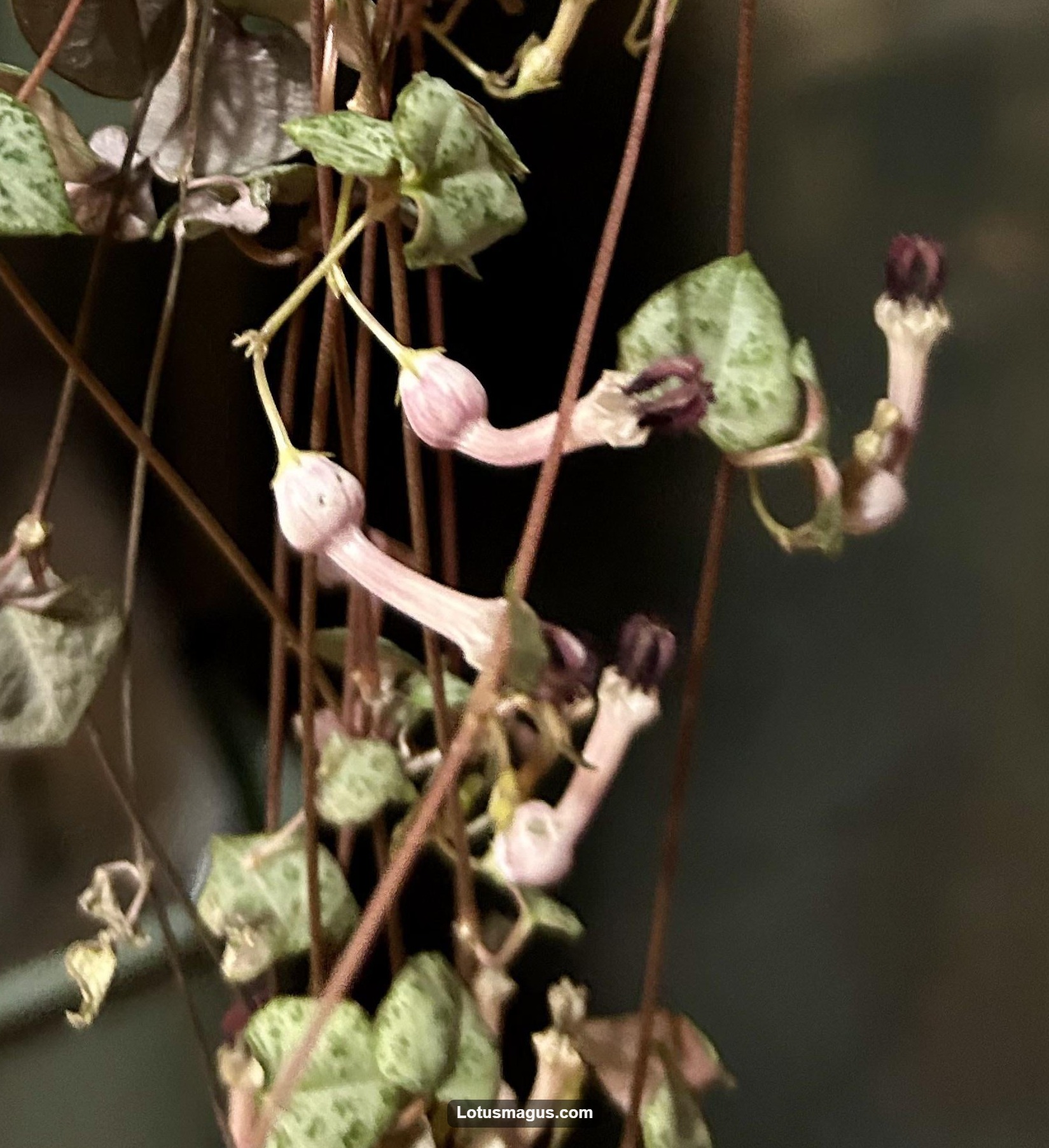
If your String of Hearts plant isn’t producing flowers, several factors could be at play. Understanding these issues can help you create the right conditions for blooming.
Diagnosing Non-Blooming Issues
Several common problems can hinder flowering in String of Hearts (Ceropegia woodii). Here are key factors to consider:
- Insufficient Light: This plant thrives in bright, indirect light. If it’s too shaded, it may not bloom.
- Improper Watering: Overwatering can lead to root rot, while underwatering can stress the plant. Strike a balance.
- Nutrient Deficiency: A lack of essential nutrients, especially phosphorus, can prevent flowering. Use a balanced fertilizer during the growing season.
Environmental Factors Affecting Blooming
Various environmental aspects influence the flowering of your String of Hearts. Pay attention to the following:
- Temperature: Ideal temperatures range from 65°F to 80°F (18°C to 27°C). Extremes can cause stress and inhibit flowers.
- Humidity Levels: While String of Hearts prefers low to moderate humidity, excessively dry conditions can affect blooming.
Common Pests and Their Impact
Pest infestations can also pose a problem. Here are common pests that may affect your plant:
- Mealybugs: These tiny pests suck sap from the plant, weakening it and potentially preventing flowers from forming.
- Spider Mites: They thrive in dry conditions and may cause yellowing leaves, which can impact the plant’s overall health and flowering potential.
Checklist for Troubleshooting Flowering Issues:
- Assess light conditions and adjust if necessary.
- Monitor watering habits and adapt as needed.
- Check for pests and treat accordingly.
- Ensure the plant is in a suitable temperature range.
By addressing these factors, you can significantly enhance the chances of your String of Hearts flowering.
Comparison: String of Hearts and Other Ceropegia Species
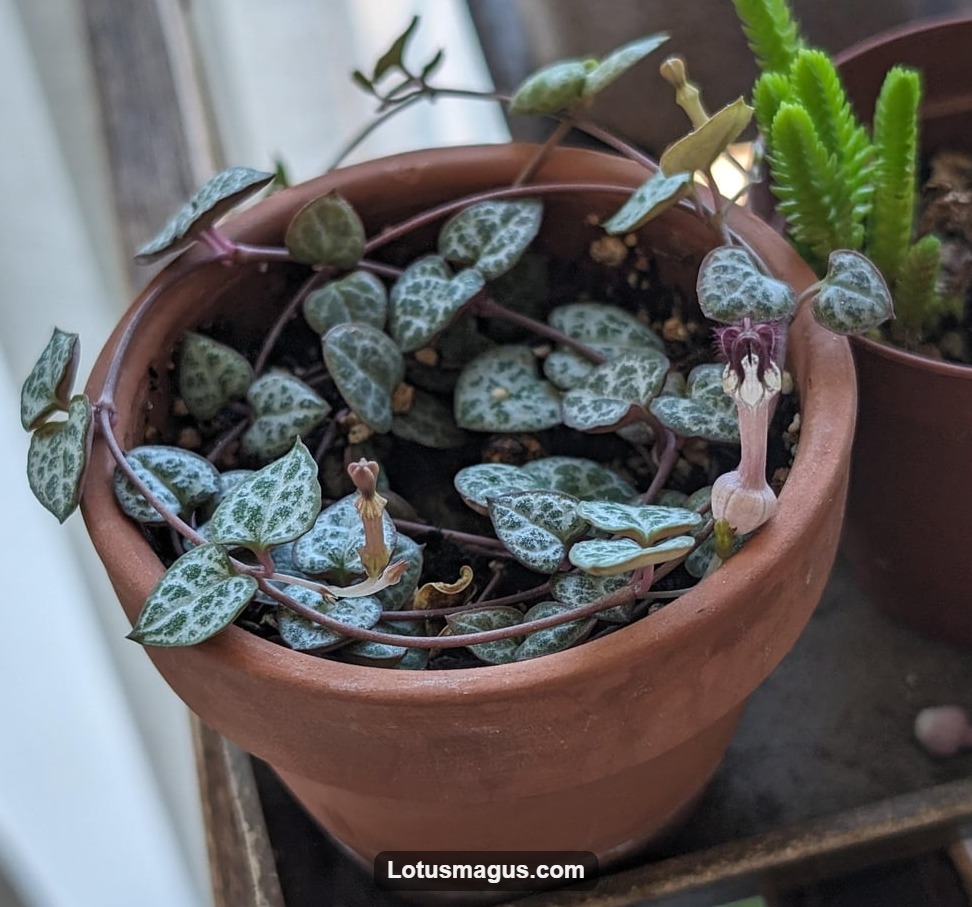
String of Hearts, scientifically known as Ceropegia woodii, is a popular houseplant admired for its trailing vines and unique heart-shaped leaves. However, it shares its genus with other Ceropegia species that also exhibit intriguing characteristics. By comparing these species, we can better understand their care and flowering habits.
Comparing Care Requirements
While all Ceropegia species have similar care needs, there are slight variations that can impact their growth and flowering potential.
- Light: Most Ceropegia species thrive in bright, indirect light. String of Hearts prefers this environment to bloom effectively. However, Ceropegia stapeliiformis can tolerate slightly lower light conditions but may not flower as profusely.
- Watering: String of Hearts requires infrequent watering, allowing the soil to dry out between sessions. Ceropegia woodii is more forgiving of occasional over-watering compared to Ceropegia linearis, which is more sensitive to excess moisture and can develop root rot.
- Soil: A well-draining soil mix is essential for all Ceropegia species. However, Ceropegia woodii might benefit from a mix that retains a bit more moisture, especially when actively growing.
Differences in Flowering Habits
Flowering characteristics can vary significantly among Ceropegia species.
- String of Hearts (Ceropegia woodii): This species produces small, tubular flowers that are typically pinkish to purplish. They bloom sporadically throughout the year, especially if the conditions are optimal.
- Ceropegia stapeliiformis: Known for its more prominent, star-shaped flowers, this species blooms under similar conditions but may have a distinct flowering period in late spring.
- Ceropegia linearis: This species can also flower, but the blooms are less frequent and not as visually striking as those of String of Hearts. It is often grown for its foliage rather than its flowers.
Other Similar Plants to Consider
For those interested in similar plants with comparable care needs and flowering potential, consider the following:
- Hoya Carnosa: Also known as the Wax Plant, it offers beautiful clusters of star-shaped flowers. Like String of Hearts, it thrives in bright light and has similar watering needs.
- Senecio Rowleyanus: Commonly referred to as String of Pearls, this plant has a unique appearance with trailing beads. It shares the same light and watering preferences as String of Hearts.
- Ceropegia haygarthii: This lesser-known species has similar care requirements and produces unique flowers, making it a great alternative for plant enthusiasts.
By understanding the nuances in care and flowering among these Ceropegia species, plant lovers can make informed decisions about which plants to cultivate alongside their String of Hearts.
How to Propagate String of Hearts for Better Blooming
Propagating String of Hearts can enhance plant health and increase the likelihood of blooming. By understanding effective propagation methods, you can support your plant’s growth and flowering potential.
Best Propagation Techniques
Propagation of String of Hearts can be done through cuttings or offsets. Both methods are effective, but they require different approaches.
- Stem Cuttings: Take a cutting that is at least a few inches long and has a few leaves. Allow the cut end to dry for a few hours before planting it in well-draining soil. This helps prevent rot.
- Offsets: Look for small plantlets that naturally grow along the stems. Gently remove them and place them in their own pots with appropriate soil.
Timing and Conditions for Successful Propagation
The best time to propagate String of Hearts is during the spring or early summer. This period aligns with the plant’s active growth phase. Here are key conditions to consider:
- Light: Provide bright, indirect sunlight to support root development.
- Humidity: Maintain moderate humidity levels. This can be achieved by misting the cuttings or placing them in a humidity dome.
- Temperature: Keep the temperature between 70°F to 85°F (21°C to 29°C) to encourage growth.
Benefits of Propagation on Blooming Potential
Healthy propagation can directly impact the blooming potential of your String of Hearts. Here are a few benefits:
- Increased Vigor: Propagating allows you to create new plants, which can lead to a stronger overall group of plants. Healthier plants are more likely to produce flowers.
- Encouraged Blooming: Newly propagated plants often bloom more readily as they establish themselves. A vibrant, well-cared-for plant is more likely to produce those beautiful, star-shaped flowers.
For instance, a gardener successfully propagated several cuttings and noticed a substantial increase in blooms the following season. This demonstrates how effective propagation can lead to improved flowering outcomes.
By employing these propagation techniques and understanding the conditions needed, you can enhance the health of your String of Hearts and increase the chances of witnessing its lovely blooms.
Frequently Asked Questions
These quick answers cover the most common questions about this topic, including key details, practical tips, and common concerns.
What does it mean if my String of Hearts is flowering?
If your String of Hearts (Ceropegia woodii) is flowering, it indicates that the plant is healthy and thriving. The flowers are small, tubular, and typically pale purple or pink with darker markings. Flowering suggests that you are meeting its light, water, and humidity needs effectively.
Is it rare for a String of Hearts to bloom?
While not extremely rare, String of Hearts do not bloom frequently. Many growers enjoy this plant primarily for its attractive foliage. However, with optimal care—such as providing bright, indirect light and proper watering—you can increase the chances of seeing these charming flowers.
How can I encourage my String of Hearts to bloom?
To encourage blooming, ensure your plant receives bright, indirect light for 6-8 hours daily. Allow the soil to dry out between waterings, and use a well-draining soil mix. Regularly fertilizing during the growing season can also provide essential nutrients that promote flowering.
Why is my String of Hearts not flowering?
If your String of Hearts isn’t blooming, it may be due to insufficient light, improper watering, or nutrient deficiencies. Ensure it receives adequate light and that you’re not over or underwatering. Additionally, consider using a balanced fertilizer to support blooming.
Do String of Hearts like to climb or hang?
String of Hearts naturally prefers to trail and hang. Its long vines can climb if given support, but they are often grown in hanging baskets to showcase their beautiful cascading foliage. This growth habit makes them ideal for decorative displays.
What are the pods on my String of Hearts?
The pods on your String of Hearts are likely the flower buds or seed pods. If they appear after flowering, they may contain seeds. These pods can be a sign of healthy blooming and indicate that your plant is thriving.
What do tiny flowers on String of Hearts mean?
The tiny flowers on a String of Hearts are a sign of a well-cared-for plant. They indicate that the plant is healthy and thriving under the right conditions. While the flowers may be small and delicate, their presence is often a reward for diligent care.