
Yes, mulch does eventually break down and enrich the soil, but it does not completely turn into soil. The process of decomposition involves various factors and can take several months to years depending on the type of mulch and environmental conditions.
Understanding the Relationship Between Mulch and Soil
Mulch plays a key role in gardening and landscaping, but it’s important to understand what it is and how it interacts with soil. While mulch enriches soil over time, it doesn’t completely transform into soil itself.
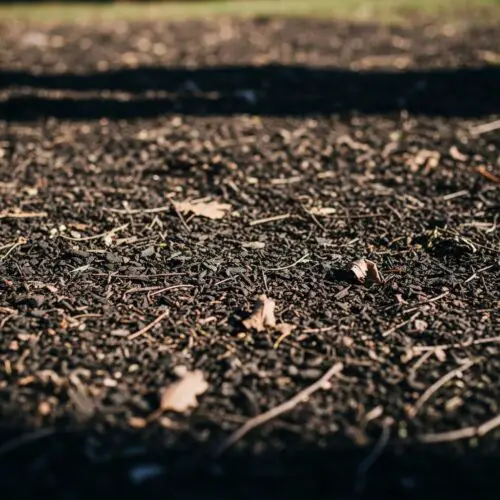
What is Mulch?
Mulch is a layer of organic or inorganic material spread over the soil’s surface. Common types include:
- Wood chips
- Bark
- Straw
- Grass clippings
- Leaves
The primary purpose of mulch is to retain moisture, suppress weeds, and regulate soil temperature. It acts as a protective blanket, shielding soil from harsh weather.
The Role of Mulch in Soil Health
Mulch contributes organic matter to the soil, which is essential for healthy plant growth. As it decomposes, it enriches the soil with nutrients. Here’s how it works:
Table of Contents
1. Decomposition: Microorganisms break down mulch into simpler organic compounds, enriching the soil.
2. Nutrient Release: As mulch decomposes, it releases important nutrients like nitrogen and carbon, which are vital for plant health.
3. Soil Structure Improvement: The organic matter from mulch helps improve soil structure, enhancing water retention and aeration.
However, while mulch adds valuable organic matter, it does not create the mineral framework that soil needs. Soil is a complex mixture of minerals, organic matter, water, and air. So, think of mulch as a supplement that enhances soil health, rather than a replacement for soil itself.
Factors Influencing Mulch Decomposition
The speed at which mulch decomposes can vary. Here are some key factors:
- Type of Mulch: Wood chips decompose slower than grass clippings.
- Environmental Conditions: Warm, moist conditions speed up decomposition.
- Microorganism Activity: A rich population of microorganisms can enhance the breakdown process.
For example, in a garden with wood mulch, you might notice that it takes about 2-3 years for it to break down significantly. In contrast, grass clippings can decompose within a few weeks.
By understanding these elements, you can better choose and manage mulch to benefit your garden.
The Decomposition Process: How Mulch Turns into Organic Matter
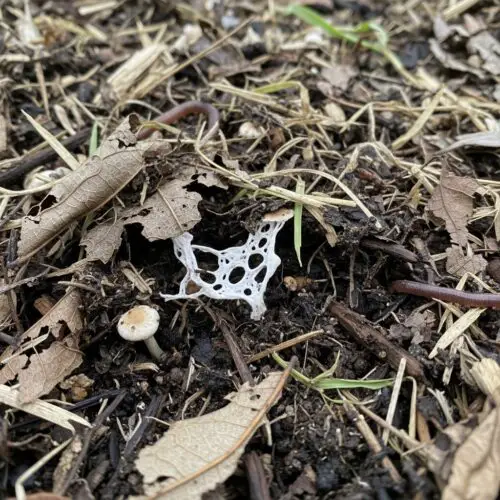
Mulch doesn’t just disappear; it transforms into something valuable over time. This transformation is all about decomposition, a fascinating process driven by microorganisms.
The Role of Microorganisms in Decomposition
Microorganisms are the unsung heroes of mulch decomposition. They include bacteria, fungi, and tiny insects that work together to break down organic matter. Here’s how they do it:
- Bacteria: These tiny organisms are the first to munch on the mulch. They thrive in warm, moist conditions. As they work, they convert complex organic compounds into simpler forms that plants can use.
- Fungi: Fungi take on tougher materials like lignin and cellulose, which are found in wood. They produce enzymes that break these down, making nutrients available to plants.
- Insects: Small insects also play a role. They help break down mulch into smaller pieces, allowing microorganisms to do their job more effectively.
Together, these microorganisms create a rich ecosystem that speeds up the decomposition process.
From Mulch to Humus: The Transformation Explained
As mulch breaks down, it eventually transforms into humus, a nutrient-rich component of soil. Here’s what happens during this journey:
1. Initial Breakdown: Microorganisms consume the organic matter in mulch. In this stage, they release nutrients like nitrogen.
2. Complex to Simple: Bacteria and fungi convert complex structures into simpler compounds. This process reduces the volume of the mulch.
3. Final Product – Humus: After several months to a few years, the remaining organic matter becomes humus. Unlike mulch, humus is dark, stable, and amorphous, meaning it has no recognizable structure from the original material.
Factors Influencing the Decomposition Rate
The rate at which mulch decomposes varies widely. Here are some factors that influence this process:
- Type of Mulch: Softwoods like pine break down faster than hardwoods like oak due to their lower lignin content.
- Environmental Conditions: Warm and moist conditions speed up decomposition. Conversely, dry and cold environments slow it down.
- Microbial Activity: A rich population of microorganisms can enhance the breakdown process. The more active they are, the faster your mulch will turn into soil.
Practical Example of Decomposition
For instance, if you use pine mulch in your garden, you might find it decomposes within 1-2 years. On the other hand, cedar mulch could take up to 5 years due to its natural rot resistance. Monitoring the thickness of your mulch layer can also help maintain its effectiveness, ideally around 2-3 inches for optimal decomposition and soil health.
Understanding these processes helps you make informed decisions about using mulch in your garden.
Factors Influencing the Rate of Mulch Decomposition
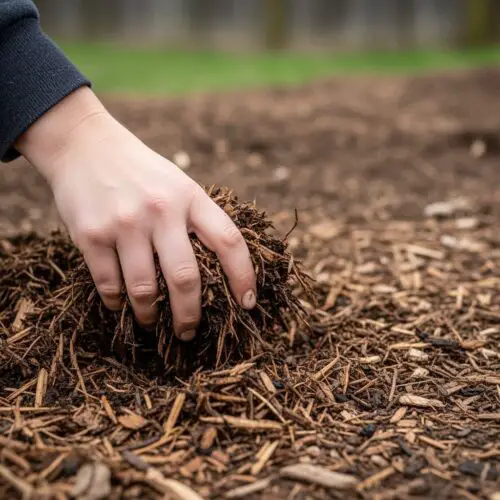
Mulch doesn’t just vanish; it transforms into soil through a process called decomposition. Several factors influence how quickly this happens. Let’s break them down.
Types of Mulch and Their Decomposition Rates
Different types of mulch break down at varying speeds. Here’s a quick look at some common options:
| Type of Mulch | Decomposition Time |
|---|---|
| Pine | 1-2 years |
| Cedar | 3-5 years |
| Hardwood | 3-5 years |
| Straw | 6-12 months |
| Rubber | 10+ years (not organic) |
Softwoods like pine decompose faster than hardwoods. Cedar, while great for longer-lasting mulch, takes more time due to its rot resistance.
Environmental Factors Affecting Decomposition
The environment plays a huge role in how quickly mulch breaks down. Here are some key factors:
- Moisture: Wet conditions speed up decomposition. Dry mulch takes longer to break down.
- Temperature: Warm temperatures boost microbial activity, hastening the process.
- Oxygen Levels: Mulch needs air to decompose. Compact layers restrict airflow and slow down breakdown.
For example, a thick layer of mulch in a humid climate might decompose in just a year, while in a dry, cooler area, it could take several years.
The Role of Soil Microorganisms
Microorganisms are the unsung heroes of decomposition. Bacteria, fungi, and protozoa work tirelessly to break down organic matter. A rich microbial community can significantly speed up the process.
- Diversity Matters: Different microorganisms target different components of mulch, enhancing breakdown efficiency.
- Nutrient Availability: The balance of nitrogen and carbon in the mulch affects microbial activity. Too much carbon can lead to nitrogen depletion, slowing decomposition.
To ensure efficient decomposition, consider adding compost to boost microbial life and nutrient balance.
Understanding these factors helps you make better choices about the mulch you use. The right type in the right conditions can turn your mulch into rich soil faster than you think!
Benefits of Using Mulch in Gardening
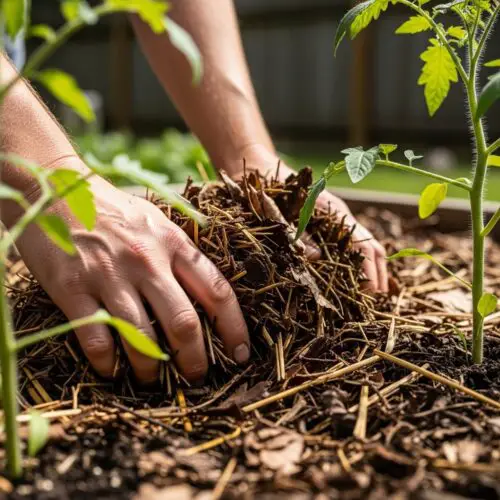
Mulch isn’t just pretty; it’s a gardening superstar! It offers several benefits that enhance soil health and plant growth. Let’s dive into what makes mulch a must-have for your garden.
How Mulch Retains Soil Moisture
One of the best things about mulch is its ability to keep soil moist. When you apply a layer of mulch, it acts like a sponge. Here’s how it works:
- Prevents Evaporation: Mulch reduces water loss from soil. This means less frequent watering for you!
- Even Moisture Distribution: It helps distribute moisture evenly, so plants get what they need without dry patches.
- Encourages Root Growth: With consistent moisture, plant roots can grow deeper and stronger.
For example, in a hot climate, a thick layer of wood chips can keep the soil cooler and retain moisture longer, benefiting your plants.
Weed Suppression and Temperature Regulation Benefits
Weeds are the bane of every gardener’s existence. Luckily, mulch can help! Here’s how:
- Weed Barrier: A thick layer of mulch blocks sunlight, making it harder for weeds to sprout.
- Temperature Control: Mulch keeps soil temperatures stable. It protects roots from extreme heat in summer and cold in winter.
Imagine a vegetable garden with a 3-inch layer of straw mulch. Not only does it suppress weeds, but it also keeps the soil warm for those early spring seedlings.
Additional Benefits to Consider
- Improves Soil Structure: As mulch decomposes, it adds organic matter to the soil, improving its structure and fertility.
- Aesthetic Appeal: Different types of mulch can enhance your garden’s look while providing the benefits mentioned.
In short, using mulch is a simple yet powerful way to boost your garden’s health and beauty. By choosing the right type and applying it effectively, you can create a thriving environment for your plants.
Practical Tips for Choosing and Maintaining Mulch
Choosing the right mulch and maintaining it properly can significantly affect how well it breaks down and enriches your soil. Here are some practical tips to help you make the best choices for your garden.
Selecting the Right Mulch for Your Garden
Different types of mulch serve different purposes. Here’s a quick guide:
- Wood Chips: Great for long-lasting coverage. They decompose slowly and add organic matter over time, making them ideal for perennial gardens.
- Straw: Breaks down quickly (within 6 to 12 months). Perfect for annual gardens but needs regular replacement.
- Pine Straw: Adds acidity, benefiting acid-loving plants like blueberries. It lasts about 1 to 2 years.
- Rubber Mulch: A synthetic option that lasts over 10 years but doesn’t enrich the soil. Use it where you want durability without soil improvement.
Decision Rule: Match your mulch to the plants you’re growing and your garden’s climate. For example, if you have acid-loving plants, opt for pine straw. If you want something that breaks down slowly, go for hardwood mulch.
Maintaining Mulch for Optimal Decomposition
Once you’ve selected your mulch, maintaining it is key to ensuring it breaks down effectively. Here are some tips:
- Layer Thickness: Apply a 2 to 3-inch layer of mulch. This thickness is optimal for weed suppression and moisture retention.
- Distance from Plants: Keep mulch a few inches away from plant stems to prevent rot and promote healthy growth.
- Regular Replenishment: As mulch decomposes, top it up to maintain that 2 to 3-inch layer. This keeps nutrients flowing into the soil.
Checklist for Maintenance:
- Check mulch thickness every few months.
- Replenish as needed.
- Monitor for pests or diseases.
Example Scenario: If you use wood chips, check every 6 months. They’ll need replenishing less often than straw, which might need a refresh after just one season.
By following these tips, you’ll help your mulch work its magic, turning into rich soil that supports your plants as it decomposes!
Common Misconceptions About Mulch and Soil
Many people wonder about the relationship between mulch and soil. There are a few common myths that can lead to confusion. Let’s clear those up!
Misconception: Mulch Replaces Soil
One big myth is that mulch can replace soil. This is simply not true. Mulch is a protective layer on top of the soil. It helps retain moisture, reduces weeds, and adds organic matter as it breaks down.
However, it doesn’t transform into soil. Soil is a complex mix of minerals, organic matter, and living organisms. Mulch adds to the organic matter but cannot provide the essential minerals and structure that soil needs.
- Key Point: Mulch supports soil health but does not replace it.
Misconception: All Mulch Decomposes the Same Way
Another misconception is that all types of mulch decompose at the same rate. This can vary significantly depending on the material.
For example:
- Wood chips: Decompose slowly, taking 2-5 years to break down fully.
- Straw: Breaks down faster, typically in 1-2 years.
- Leaves: Can decompose in about 1 year, depending on conditions.
Several factors influence decomposition, including moisture, temperature, and the type of microorganisms present.
- Tip: Choose mulch based on how quickly you want it to decompose.
Understanding these differences helps in making a better choice for your garden. Always consider your specific gardening needs when selecting mulch.
Case Studies: Successful Mulch Applications
Mulch can work wonders in different environments, turning your garden into a thriving ecosystem. Let’s dive into a couple of real-life examples showing how mulch has improved soil health in various climates.
Case Study 1: Mulch in Tropical Climates
In tropical regions, the humidity and heat accelerate decomposition. One study found that a layer of organic mulch led to a 30% increase in soil organic matter within just one growing season. This boost in organic matter enhances soil fertility and structure. Here are some key takeaways:
- Material Used: Coconut coir and wood chips.
- Benefits Observed: Improved moisture retention, reduced weed growth, and enhanced microbial activity.
- Outcome: Healthier plants and higher crop yields.
Case Study 2: Mulch in Arid Regions
In arid climates, mulch plays a crucial role in conserving moisture. A garden in a desert area used straw mulch effectively. It helped reduce soil temperature and retained moisture during hot months. Here’s what we learned:
- Material Used: Straw and dried leaves.
- Benefits Observed: Lower soil evaporation rates and improved nutrient availability.
- Outcome: Sustained plant growth even during dry spells.
General Insights
When choosing mulch, consider your climate and soil type. Here are some quick tips:
- For Humid Climates: Opt for materials that decompose slowly, like wood chips, to maintain long-term benefits.
- For Dry Climates: Use materials like straw that help retain moisture and protect the soil from harsh sunlight.
These case studies illustrate the transformative power of mulch. By understanding how different types of mulch work in various environments, you can make smarter choices for your garden.
Frequently Asked Questions
These quick answers cover the most common questions about this topic, including key details, practical tips, and common concerns.
Will mulch eventually turn into soil?
Yes, mulch will decompose over time and enrich the soil with organic matter. However, it does not fully transform into soil itself. Instead, it gradually breaks down into humus, a stable organic component that improves soil fertility and structure.
What are 5 disadvantages of mulching?
1. Pest Attraction: Mulch can attract insects or rodents if not maintained properly.
2. Moisture Retention Issues: Excessive moisture can lead to mold or root rot.
3. Potential for Disease: If mulch is contaminated or stays too wet, it may promote fungal diseases.
4. Nutrient Imbalance: Some mulches may temporarily tie up nitrogen, causing deficiencies.
5. Cost and Maintenance: High-quality mulch can be expensive and requires regular replenishment.
What is the 3-3-3 rule for mulch?
The 3-3-3 rule suggests applying mulch in a 3-inch layer, keeping it 3 inches away from plant stems, and replenishing it every 3 months. This helps maintain effective weed suppression, moisture retention, and proper decomposition.
What mulch is best for citrus trees?
Citrus trees thrive with organic mulches like straw, pine straw, or shredded bark. These mulches help retain moisture, regulate temperature, and add organic matter to the soil. Avoid inorganic mulches, which do not decompose or improve soil health.
How often should I replace my mulch?
Typically, mulch should be replenished every 1 to 3 years, depending on the type and environmental conditions. Organic mulches decompose faster and may need more frequent topping-up, while inorganic mulches last longer but do not add nutrients.
Can I use grass clippings as mulch?
Yes, grass clippings can be used as mulch, especially in vegetable gardens. Use them in thin layers to prevent matting and odor. They decompose quickly, adding nitrogen to the soil, but avoid using grass treated with herbicides or pesticides.
Does mulch affect soil pH?
Mulch can influence soil pH depending on its type. For example, pine straw tends to slightly acidify soil, benefiting acid-loving plants. Hardwood mulches are usually neutral or slightly alkaline. Most mulches have minimal long-term effects on pH but monitor your soil if pH is critical for your plants.
What is the best way to apply mulch?
Apply mulch in a 2-3 inch layer over prepared soil, keeping it a few inches away from plant stems to prevent rot. Spread evenly and avoid piling mulch against plant trunks or stems. Replenish as needed to maintain the depth and benefits.