
Tropical plants bring vibrant life to any garden, but pests can threaten their beauty and health. Understanding how to effectively manage these pests using organic methods can make all the difference in preserving our precious plants. For more information, check out Effective Strategies to Manage Common Tropical Garden Pests.
Table of Contents
Understanding Tropical Plant Pests
As I dove into the world of tropical gardening, I quickly learned that pests are as much a part of the experience as the joy of nurturing lush plants. Tropical environments, with their warm temperatures and high humidity, create perfect breeding grounds for a variety of pests. Understanding these pests is the first step toward effective management.
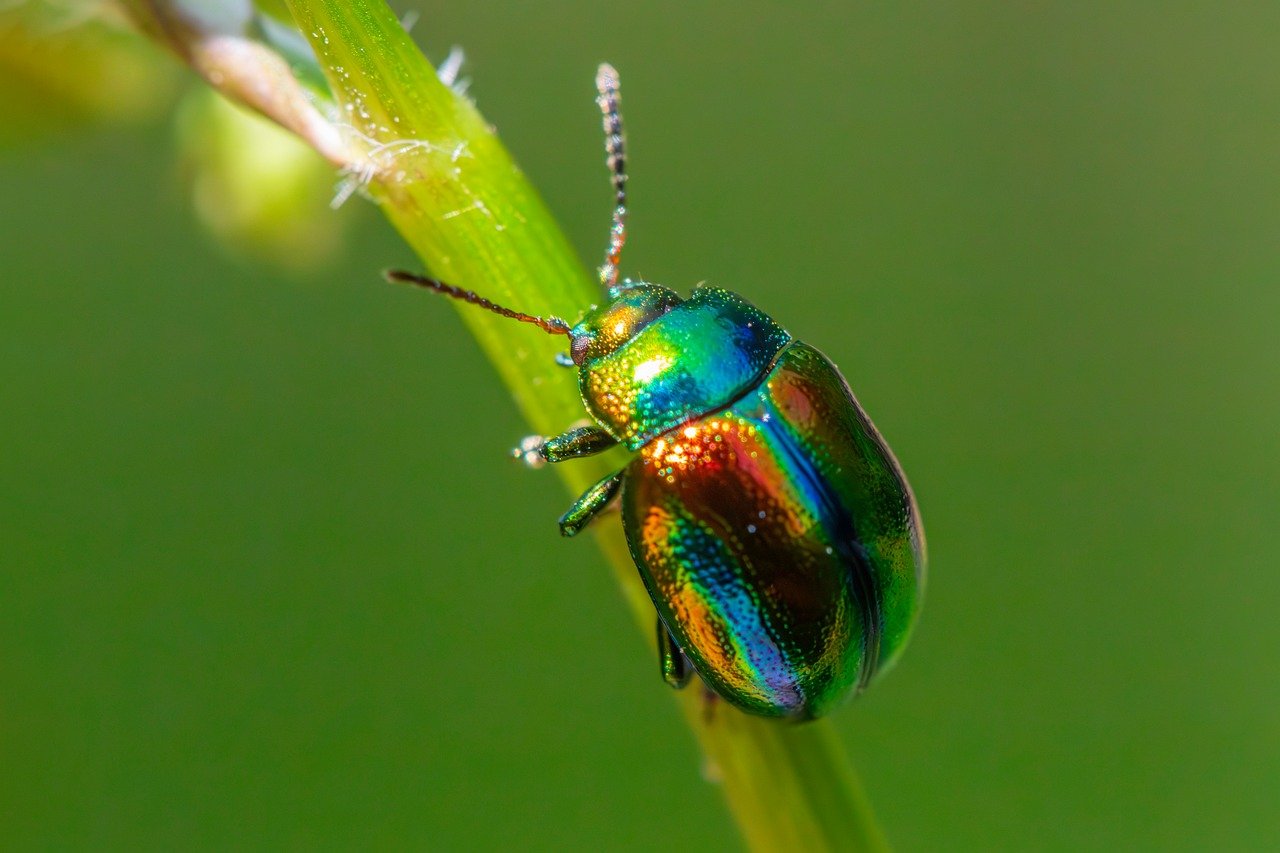
Common Types of Tropical Plant Pests
Throughout my gardening journey, I’ve encountered several common pests that thrive in tropical climates. Some of the most notorious include:
- Aphids: These tiny, soft-bodied insects can be green, black, or even pink. They feed on plant sap, leading to stunted growth and curling leaves.
- Mealybugs: Recognizable by their white, cotton-like appearance, mealybugs suck sap from plants, weakening them and often leading to mold growth.
- Spider Mites: Although not true insects, these pests can cause significant damage by sucking the juices from leaves, resulting in speckled foliage.
- Whiteflies: Small, moth-like insects that can quickly infest plants, whiteflies also excrete honeydew, promoting sooty mold on leaves.
- Scale Insects: These pests appear as small bumps on stems and leaves, feeding on sap and often leading to plant decline.
Identifying these pests early can save your plants from severe damage. I remember the first time I noticed aphids on my favorite hibiscus. It was alarming, but knowing what to look for made all the difference. For a detailed analysis, refer to Identifying Common Pests in Tropical Gardens: A Complete Guide.
Life Cycles and Behavior of Tropical Pests
Understanding the life cycles of these pests is crucial for effective management. Most tropical pests undergo several stages—from egg to larva or nymph to adult. For example, aphids reproduce quickly, and their populations can explode in just a few weeks if not checked. I’ve noticed that keeping an eye on their life cycle helps me time my interventions better. I often found that treating them early in their life cycle prevents larger infestations later on.
Many pests are most active during certain times of the day or year. For instance, spider mites tend to thrive in hot, dry conditions. I discovered that adjusting my watering schedule and increasing humidity around my plants remarkably reduced their numbers. Observing these behaviors has been a game-changer in my pest management strategy.
Signs of Infestation
Recognizing the signs of infestation can save your plants from extensive damage. I learned to look for specific indicators, such as:
- Discoloration: Yellowing leaves or stippling can signal pest presence.
- Webbing: A fine web on leaves typically indicates a spider mite infestation.
- Sticky residue: If you notice a sticky film on leaves or nearby surfaces, it may be due to aphids or whiteflies.
- Visible pests: Sometimes, the pests are simply there for the eye to see. Regular inspection can help catch them early.
My best advice is to regularly inspect your plants, especially the undersides of leaves, where many pests like to hide. I’ve found that spending just a few minutes each week can save hours of work down the road. Early detection is the key to keeping our plants healthy and thriving.
Organic Solutions for Pest Management
Introduction to Organic Pest Control
When I first began to tackle pest problems in my tropical garden, I was overwhelmed by the options available, especially when it came to chemicals. I wanted a solution that wouldn’t harm the beautiful ecosystem I was trying to nurture. That’s when I discovered organic pest control. This approach emphasizes natural methods to manage pests without the use of synthetic chemicals. I’ve come to appreciate how organic solutions not only protect my plants but also safeguard the health of beneficial insects and the environment.
Organic pest control relies on understanding the balance of nature. It uses various strategies that work with natural processes to deter pests or manage their populations. From my experience, I’ve found that embracing this philosophy has made gardening more rewarding. It feels good to know that I’m contributing to a healthier planet while growing my plants.
Benefits of Organic Solutions
Choosing organic pest management has brought numerous benefits to my garden. First and foremost, it’s safe for my family, pets, and the surrounding wildlife. I remember when my dog, Max, would roam freely among my plants. I felt a sense of relief knowing that the methods I used wouldn’t pose any risk to him.
Organic methods also promote biodiversity in my garden. I’ve noticed more butterflies, bees, and other helpful insects buzzing around since I stopped using harsh chemicals. This increase in biodiversity has led to healthier plants and more vibrant blooms, which I find incredibly rewarding.
Another perk is that organic solutions often improve soil health. I’ve learned that healthy soil is the foundation for thriving plants. By using organic materials like compost and natural fertilizers, I’ve noticed a marked improvement in my soil quality. It’s fascinating how everything is connected in the garden, and focusing on organic practices has helped me understand this interconnectedness.
Lastly, organic pest control methods are often more sustainable in the long run. Relying on natural solutions means I’m less likely to create resistant pest populations, which is a common issue with synthetic pesticides. I appreciate knowing that my efforts today will pay off in the future.
Natural Predators and Beneficial Insects
Ladybugs and Lacewings
One of the most exciting discoveries I made in my gardening journey was the world of natural predators. I learned that certain insects can be allies in the fight against pests. Ladybugs, for example, are voracious eaters of aphids. I remember the first time I spotted a ladybug in my garden—it felt like finding a little gem! I’ve since introduced them into my garden, and their presence has made a significant difference. Just a few ladybugs can devour hundreds of aphids in a week, making them a staple of my pest management strategy.
Lacewing larvae, often referred to as “aphid lions,” are another beneficial insect I’ve welcomed. They feed on various pests, including mealybugs and spider mites. I’ve found that attracting lacewings is relatively easy; simply planting flowers like dill and yarrow can help bring them into the garden. Watching these natural predators at work has been fascinating and has given me a sense of confidence in my approach to pest management.
Nematodes
Another helpful ally I discovered is nematodes. These microscopic worms are nature’s tiny soldiers, targeting soil-dwelling pests. At first, I was a bit skeptical about using them. However, after reading about their effectiveness against root-knot nematodes and other garden pests, I decided to give them a try. I remember the first application; it felt a little strange to introduce these invisible creatures into my soil. But within a few weeks, I noticed healthier roots and stronger plants. They have truly been a game-changer for me.
Parasitic Wasps
Parasitic wasps are another fascinating aspect of natural pest control that I delved into. These tiny wasps lay their eggs inside pest insects, like caterpillars and aphids, which eventually leads to the pest’s demise. While it sounds a bit gruesome, it’s a natural solution that keeps pest populations in check. I’ve learned to appreciate the role these wasps play in the ecosystem. By encouraging them in my garden—through the use of flowering plants that provide nectar and pollen—I’ve been able to maintain a balance that minimizes pest issues without heavy intervention.
Homemade Organic Pesticides
Soap-Based Insecticides
One of the first organic solutions I tried was a simple soap-based insecticide. I was amazed at how effective it was. The recipe is straightforward: just mix a few teaspoons of liquid soap with water and spray it directly onto the affected areas. I remember my first application; I targeted the mealybugs that had taken up residence on my favorite plant. The satisfaction of seeing them disappear was exhilarating! Just be careful to use it on a cool day, as hot sun can lead to leaf burn.
Neem Oil Solutions
Then there’s neem oil, which has become a staple in my garden arsenal. Extracted from the seeds of the neem tree, this natural oil disrupts the life cycles of various pests. I love how it not only repels insects but also acts as a fungicide. I learned to mix neem oil with water and a few drops of dish soap for better adherence. After using it on my plants, I noticed fewer pests and an overall improvement in plant health. It feels good to know that I’m using something derived from nature to protect my garden.
Garlic and Pepper Sprays
Garlic and pepper sprays are another homemade concoction I’ve enjoyed making. The strong scents deter many pests, and I’ve found it particularly effective against aphids and whiteflies. The process is simple: blend garlic or hot peppers with water, strain the mixture, and spray it on the plants. I love the idea of using common kitchen ingredients to keep my plants safe. Plus, the smell is a great reminder that I’m doing something good for my garden.
Physical Barriers and Traps
Row Covers and Netting
One strategy that I found incredibly effective in protecting my tropical plants from pests is using physical barriers. Row covers and netting are excellent tools to keep unwanted insects at bay. I remember the first time I set up a row cover over my vegetable patch; it felt like I was creating a safe haven for my plants. These lightweight fabrics allow sunlight and moisture to reach the plants while blocking out pests like aphids and beetles. It’s a simple yet powerful way to create a protective environment.
Netting is also fantastic for smaller plants. I’ve used it to cover young seedlings, ensuring they remain untouched by hungry insects. I discovered that securing the edges well is key—this prevents pests from slipping underneath. Whether I’m growing tomatoes or delicate herbs, I’ve realized that investing in good-quality row covers pays off in healthier plants and higher yields.
Sticky Traps
Another clever method I adopted was using sticky traps. These bright yellow or blue cards are coated with a sticky substance that lures insects and traps them. I was initially skeptical about their effectiveness, but I was pleasantly surprised! I placed them strategically around my garden and quickly started noticing a reduction in the number of flying pests, like whiteflies and fungus gnats. It was satisfying to see how many I had caught in just a few days.
What I appreciated most about sticky traps is their simplicity. I didn’t have to mix any solutions or worry about applying treatments frequently. Just hang them up and let them do their work. After some time, I noticed that the trapped insects also served as a visual reminder to stay vigilant about potential infestations. If the traps filled up quickly, I knew it was time to inspect my plants more closely.
Hand-Picking and Manual Removal
There’s something oddly satisfying about getting hands-on with pest control. I’ve spent many afternoons hand-picking pests off my plants, especially when it comes to larger insects like caterpillars or slugs. It’s a method that requires a little patience, but for me, it’s also a great way to connect more deeply with my garden. The first time I spotted a caterpillar munching on my kale, I felt a mix of disgust and determination. I carefully removed it and relocated it to a nearby area where it could thrive without damaging my plants.
My experience has taught me that regular inspections are crucial for manual removal. I often spend a few moments each day checking the undersides of leaves or around the base of plants. This practice not only helps in keeping pests at bay but also allows me to appreciate the beauty of my garden up close. Plus, I’ve found that involving family members in this task makes it even more enjoyable. We turn it into a small “pest hunt,” which can be a great way to teach kids about nature and gardening!
Cultural Practices for Pest Prevention
Crop Rotation Techniques
As I delved deeper into organic gardening, I came across the concept of crop rotation, which has become an essential part of my pest management strategy. By changing the location of specific plant families each season, I can disrupt the life cycles of pests that target those plants. It’s fascinating to think that a simple shift in planting arrangements can lead to healthier crops. I remember my first attempt at crop rotation—switching my tomato plants to a different bed after a season of growth. I noticed a significant decrease in tomato hornworm infestations the following year!
This practice not only helps with pest control but also improves soil health. Rotating crops helps maintain nutrient balance in the soil, which is crucial for thriving plants. It’s all about working with nature rather than against it, and I’ve found that being mindful of my planting patterns has paid off tremendously in the long run.
Companion Planting Strategies
Companion planting is another cultural practice I’ve embraced. I’ve learned that some plants can benefit from each other, either by repelling pests or enhancing growth. For instance, I’ve found that planting marigolds alongside my vegetables acts as a natural pest deterrent. The first time I tried this, I was amazed at how many fewer aphids I had on my beans. It felt like a little gardening secret that made a big difference!
There’s something beautiful about creating a diverse garden ecosystem where plants support one another. I often experiment with different combinations, and it’s become a fun part of my gardening process. Plus, I love the added visual interest that companion planting brings to my garden. I feel like I’m not just growing plants but creating a thriving community within my garden.
Soil Health and Fertility Management
Healthy soil is the backbone of a successful garden, and I’ve learned this firsthand. Focusing on soil health has significantly improved my plants’ resilience against pests. I started incorporating compost and organic matter into my soil, which has enriched it with nutrients and beneficial microorganisms. It’s remarkable how much of a difference healthy soil can make. I’ve noticed that my plants are not only stronger but also better equipped to fend off potential pests.
Additionally, I pay attention to soil fertility management by testing my soil regularly. Understanding its nutrient levels helps me make informed decisions about what amendments to add. I find joy in knowing that I’m nurturing my garden from the ground up. It’s a holistic approach that has turned my gardening experience into a fulfilling journey of learning and growth.
Monitoring and Assessment Techniques
Regular Plant Inspections
Regular plant inspections have become a cornerstone of my pest management routine. I’ve learned that taking time to observe my plants can help catch issues before they escalate. I often set aside a few minutes each week to walk through my garden, checking for any signs of distress or pest activity. This practice has not only helped me identify problems early but has also deepened my appreciation for the intricacies of my plants.
I recommend making inspections a consistent habit. It’s amazing what you can find when you pay close attention. Sometimes, I discover new growth or flowers that I hadn’t noticed before, making it a rewarding experience every time. Plus, I’ve found that the more familiar I am with my plants’ appearance, the easier it is to spot when something is off.
Using Pest Identification Apps
With technology at our fingertips, I’ve found pest identification apps to be incredibly useful. These apps help me quickly identify pests I’m unfamiliar with, ensuring that I can respond appropriately. I remember the first time I encountered a bug I didn’t recognize; instead of panicking, I pulled out my phone, snapped a picture, and had an answer in seconds. It’s empowering to have that kind of knowledge accessible.
Using these apps has also allowed me to track the types of pests I encounter regularly. By keeping notes, I can adjust my strategies based on the challenges I face. It’s like having a virtual gardening companion that guides me through the process—and let’s be honest, it has made my gardening journey even more exciting!
Keeping Pest Diaries
Lastly, I started keeping a pest diary. This simple practice has helped me track the timing and types of pest infestations throughout the seasons. I jot down what pests I find, when I found them, and what methods I used to manage them. Over time, I’ve seen patterns emerge that help me anticipate issues before they arise. I find it fascinating to look back and see how my gardening practices and pest management strategies have evolved.
Creating a diary has also allowed me to reflect on my successes and failures. It’s a great learning tool that keeps me informed and engaged with my gardening journey. I encourage anyone serious about organic pest control to try this method—it’s like having a roadmap for your garden!
Frequently Asked Questions
What are some common types of tropical plant pests?
Common types of tropical plant pests include aphids, mealybugs, spider mites, whiteflies, and scale insects. Each of these pests can cause significant damage to plants by feeding on their sap.
How can I identify signs of pest infestation on my tropical plants?
Signs of infestation include discoloration of leaves, webbing on leaves indicating spider mites, sticky residue from aphids or whiteflies, and visible pests. Regular inspections of your plants, especially the undersides of leaves, can help catch infestations early.
What are organic solutions for managing tropical plant pests?
Organic solutions for pest management include using natural predators like ladybugs and lacewings, homemade organic pesticides such as soap-based insecticides and neem oil, physical barriers like row covers and netting, and cultural practices like crop rotation and companion planting. For more tips, check out Top 7 Common Pests in Tropical Gardens and How to Combat Them.
What are the benefits of using organic pest control methods?
Organic pest control methods are safe for family, pets, and wildlife, promote biodiversity in the garden, improve soil health, and are more sustainable in the long run, reducing the risk of creating resistant pest populations.
How can I attract beneficial insects to my garden?
You can attract beneficial insects such as ladybugs and lacewings by planting flowers like dill and yarrow. These plants provide nectar and pollen, which help encourage these natural predators to visit your garden.
What homemade organic pesticide can I use for my tropical plants?
A simple homemade organic pesticide can be made by mixing a few teaspoons of liquid soap with water and spraying it directly onto the affected areas. Additionally, neem oil mixed with water and dish soap, or garlic and pepper sprays, can also be effective against pests.
How does crop rotation help with pest management?
Crop rotation helps disrupt the life cycles of pests that target specific plants by changing the location of those plants each season. This practice can lead to healthier crops and reduces the likelihood of pest infestations.
What is the role of physical barriers in pest management?
Physical barriers like row covers and netting protect plants from pests by allowing sunlight and moisture to reach them while blocking out unwanted insects. These barriers can significantly reduce pest damage in your garden.
What is the importance of regular plant inspections?
Regular plant inspections are crucial for catching pest issues before they escalate. By observing your plants frequently, you can identify signs of distress or pest activity early, helping to maintain plant health.
How can I keep track of pest infestations in my garden?
You can keep track of pest infestations by maintaining a pest diary. This diary should include details about the types of pests found, when they were discovered, and the methods used to manage them, helping you anticipate future issues.