
Gardening in tropical climates can be a rewarding experience, but it comes with its own set of challenges, especially when it comes to pests. Understanding how to manage these pests can make all the difference in creating a thriving garden. Read Interesting article: Top Seasonal Pest Management Tips for Tropical Gardens
Understanding Pests in Tropical Gardening
When I first started my tropical garden, I was amazed by the variety of plants I could grow. However, I quickly learned that with this beauty comes the responsibility of managing pests. Understanding the types of pests that may invade our gardens is crucial for effective pest control.
Common Pests Affecting Tropical Plants
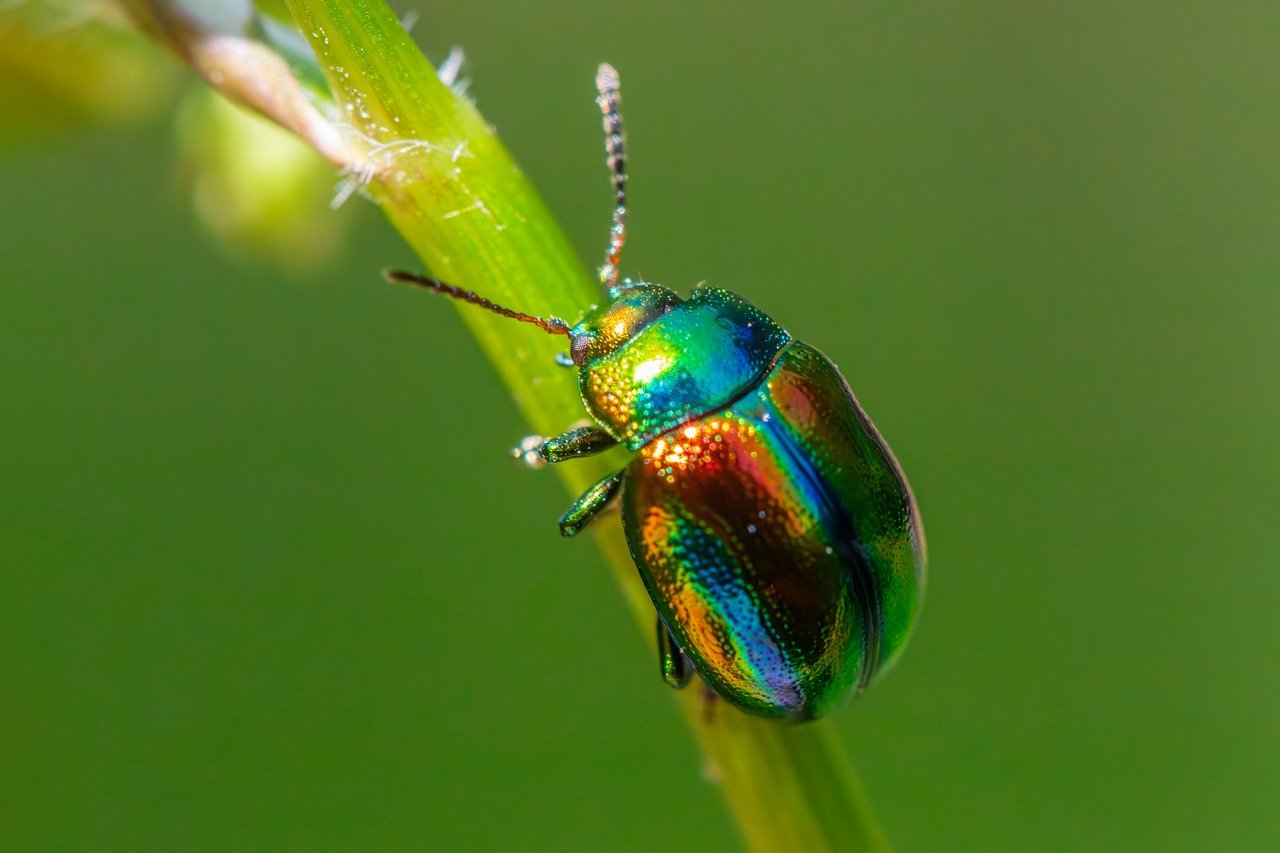
Tropical gardens are often vibrant and lush, attracting a diverse range of pests. Some of the most common culprits include aphids, whiteflies, spider mites, and caterpillars. I remember my first encounter with aphids; they seemed to appear overnight, covering my young plants. They suck the sap from the leaves, causing stunted growth and distorted leaves. Whiteflies, on the other hand, are sneaky little insects that can infest the undersides of leaves, leading to yellowing and wilting. It’s essential to familiarize yourself with these pests, as identifying them early can save your plants from serious damage.
Life Cycles of Tropical Pests
Understanding the life cycles of these pests has been a game changer for me. Many of these pests go through distinct stages: egg, larva, pupa, and adult. For instance, caterpillars start as eggs laid on the leaves, and once they hatch, they can munch their way through your plants in no time. Knowing their life cycle helps me determine the best time to act. I’ve found that targeting them during the larval stage is often the most effective strategy.
Signs of Pest Infestation
Recognizing the signs of a pest infestation is crucial. I’ve learned to look for yellowing leaves, sticky residue, and holes in the foliage. Sometimes, I even notice ants marching up and down my plants, which often indicates a problem with aphids. Their presence can be a sign that they are farming these pests for honeydew. Taking a close look at my plants regularly has helped me catch infestations early, allowing me to take action before it’s too late.
Preventive Measures for Pest Control
Prevention has always been my first line of defense. I found that implementing a few proactive strategies can significantly reduce the chances of pest problems. Here are some methods that have worked well for me.
Choosing Resistant Plant Varieties
One of the best decisions I made was to select plant varieties that are known for their resistance to common pests. I discovered that some tropical plants are naturally more resilient to pests than others. For example, marigolds are not only beautiful but also deter nematodes and other pests. By choosing resistant plants, I’ve been able to create a more balanced ecosystem in my garden.
Creating a Healthy Garden Environment
Healthy plants are less susceptible to pest infestations. I’ve focused on creating a thriving garden environment by ensuring proper watering, sunlight exposure, and nutrient-rich soil. Regularly testing my soil has helped me keep nutrient levels in check. When my plants are healthy, they seem to fend off pests much better, reducing the need for invasive control methods.
Companion Planting Techniques
Companion planting has been another strategy I’ve enjoyed experimenting with. Some plants naturally repel pests or attract beneficial insects that help control pest populations. For instance, planting basil near tomatoes not only enhances their flavor but also wards off certain pests. I love how companion planting allows me to use nature’s own defenses rather than relying solely on chemicals.
Soil Health and Pest Resistance
The health of my soil has become a priority. I’ve learned that rich, well-aerated soil supports strong plants that are better equipped to resist pests. I often mix in organic compost and mulch, which not only nourishes my plants but also improves soil structure. A healthy garden starts from the ground up, and I feel the difference in my plants when I prioritize soil health.
As I continue my gardening journey, I realize that understanding pests and implementing preventive measures can save countless headaches down the line. The more I learn and apply these strategies, the more successful my tropical garden becomes. I can’t wait to share even more insights on natural pest control methods and effective practices to keep our gardens healthy and thriving. Stay tuned! Read Interesting article: Neem Tree Growth Rate for Natural Pest Control
Natural Pest Control Methods
While preventive measures are essential, sometimes pests still find their way into our gardens. That’s when I turn to natural pest control methods. I’ve found that these approaches not only help manage pest populations but also protect the overall health of my garden. Let’s explore some effective techniques that have worked wonders for me.
Beneficial Insects for Tropical Gardens
One of the most exciting aspects of gardening for me has been discovering the role of beneficial insects. Ladybugs, lacewings, and parasitic wasps are just a few of the allies I’ve welcomed into my garden. These insects feed on common pests like aphids and caterpillars, helping to keep their populations in check. I remember when I first noticed ladybugs on my plants; it felt like having little guardians watching over my flowers. To attract these helpful critters, I’ve planted flowers like dill, fennel, and yarrow, which serve as a food source for them. It’s amazing how nature provides its own solutions, and I love fostering that balance in my garden.
Homemade Sprays and Solutions
Whenever I spot pests, I often reach for my trusty homemade sprays. I’ve experimented with various recipes, and I’ve found that a simple mixture of water, soap, and a few drops of vegetable oil can work wonders. This soap spray suffocates soft-bodied pests like aphids and spider mites without harming beneficial insects when applied correctly. I mix a tablespoon of liquid soap with a quart of water and spray it directly on the affected areas. It’s satisfying to know that I’m using something natural and safe. I’ve also tried garlic and chili pepper sprays, which can repel pests thanks to their strong scents. There’s something fulfilling about creating my own solutions right from my kitchen!
Organic Pesticides and Their Uses
When homemade solutions don’t quite cut it, I turn to organic pesticides. I appreciate that these options are less harmful to the environment and beneficial organisms compared to synthetic chemicals. Neem oil is one of my favorites; it’s derived from the seeds of the neem tree and works by disrupting the life cycle of pests. I’ve found that applying neem oil in the early morning or late evening minimizes the risk of harming beneficial insects. Other organic options include insecticidal soaps and diatomaceous earth, which has worked for me in tackling soft-bodied pests. It’s comforting to know that I can manage pests while still being kind to my garden’s ecosystem.
Trap Cropping Techniques
Trap cropping has become one of my go-to strategies for managing pests in a targeted way. I learned that planting specific crops that attract pests away from my main plants can greatly reduce infestations. For instance, I’ve planted mustard greens as a trap crop to lure aphids away from my prized tomatoes. This technique not only protects my main crops but also makes pest control more manageable. It’s fascinating to watch the pests gravitate toward the trap crops, allowing me to focus my pest control efforts where they’re needed most. Implementing trap cropping has turned my garden into a smarter, more strategic space. Read Interesting article: Summer Strategies for Ultimate Tropical Garden Success
Cultural Practices to Minimize Pest Issues
Beyond natural pest control methods, I’ve discovered that incorporating specific cultural practices can significantly reduce pest issues. These practices not only improve plant health but also create a less hospitable environment for pests.
Watering Techniques to Deter Pests
I’ve learned that how and when I water my plants can impact pest problems. Overwatering can lead to root rot and attract pests like fungus gnats, while underwatering stresses plants and makes them more susceptible to infestations. I’ve adopted a deep watering technique, allowing the soil to dry out slightly between waterings. This method encourages strong root development and helps plants withstand pest pressures. Additionally, watering early in the day allows foliage to dry quickly, reducing the chances of fungal diseases that can invite pests.
Pruning and Maintenance Practices
Regular pruning has been a vital practice in my garden. I make it a point to remove dead or diseased leaves promptly, as they can attract pests. Keeping my plants well-trimmed not only allows for better air circulation but also makes it easier to spot any potential infestations. I also take time to clean up fallen debris and weeds, as these can serve as hiding spots for pests. I’ve found that a little maintenance goes a long way in keeping my garden healthy and vibrant.
Seasonal Planting Strategies
Timing my planting has played a crucial role in minimizing pest issues. I’ve discovered that planting certain crops in the cooler months can help avoid the peak pest season. For example, I often plant my brassicas early in the fall, before the cabbage worms become active. Additionally, rotating my crops each year has helped reduce pest populations, as it interrupts their life cycles. By being mindful of planting strategies, I’ve been able to create a garden that thrives without being overwhelmed by pests.
Mechanical and Physical Pest Control Strategies
Even with all the preventive measures and natural methods I’ve explored, sometimes it’s necessary to take a more hands-on approach to pest control. I’ve found that mechanical and physical pest control strategies can be effective and often provide immediate results. Here are some techniques that have worked for me.
Using Barriers and Traps
One of the simplest yet most effective strategies I’ve employed is using physical barriers. Floating row covers are one of my favorites; they provide a protective shield over plants while allowing sunlight and water to reach them. I remember when I first used row covers on my seedlings. They not only kept pests at bay but also created a mini-greenhouse effect, helping my plants thrive. I’ve also used insect netting to cover specific plants, especially when I know they’re particularly prone to pest invasions. These barriers are an excellent way to keep unwanted visitors away without resorting to chemicals.
In addition to barriers, I’ve made use of traps. Simple sticky traps can catch flying pests like whiteflies and fungus gnats, and I’ve noticed a significant reduction in their populations when I strategically place them around my garden. The satisfaction of seeing those pests stuck to the traps gives me a sense of control and accomplishment!
Hand-Picking and Manual Removal
Hand-picking pests has become a routine part of my gardening experience. It might sound tedious, but it can be surprisingly satisfying. I often head out early in the morning, coffee in hand, and inspect my plants for pests. There’s something peaceful about wandering through my garden, looking for caterpillars munching on leaves or aphids hiding on the undersides of the foliage. I’ve learned to keep a small container handy to collect the pests I find. It’s a straightforward way to manage pest populations without using chemicals, and I genuinely feel connected to my garden when I do it.
For larger pests, like slugs or snails, I’ve found that setting up a simple beer trap can work wonders. I bury a container in the soil, leaving the rim at ground level, and fill it with beer. The slugs are attracted to the yeast in the beer and end up in the container. It’s a bit of an amusing sight, and it has helped keep those pesky mollusks away from my prized plants!
Sticky Traps and Their Effectiveness
Sticky traps have played a significant role in my pest management strategy. These bright yellow or blue traps are designed to attract pests, and I’ve found them particularly effective with flying insects like aphids and thrips. I usually place a few around my garden and near vulnerable plants. The best part is that they require little maintenance—just replace them when they become full. I love how they provide a visual indication of pest activity, allowing me to assess whether my pest control strategies are working.
Another advantage of sticky traps is that they don’t harm beneficial insects. It gives me peace of mind knowing I can monitor pest activity without affecting the good bugs that help keep my garden healthy. I’ve even experimented with making my own sticky traps using yellow paper coated with a mix of honey and vegetable oil. It’s a fun little DIY project that adds an extra layer of pest control to my gardening toolkit!
Integrated Pest Management (IPM) Approaches
As I’ve gained more experience in managing pests, I’ve started to appreciate the value of an Integrated Pest Management (IPM) approach. This method combines various strategies to create a comprehensive pest control plan. It’s about looking at the big picture and finding a balance between nature and human intervention.
What is Integrated Pest Management?
IPM is a holistic approach that focuses on long-term prevention of pests through a combination of techniques. I’ve learned that it involves understanding the life cycles of pests, monitoring pest populations, and using a mix of cultural, mechanical, biological, and chemical methods when needed. It’s reassuring to know I have multiple strategies at my disposal, and I can adjust them based on what my plants need at any given time.
Steps to Implement IPM in Tropical Gardens
Implementing IPM in my garden began with careful observation. I started keeping a gardening journal where I note down pest sightings, weather patterns, and plant health. By tracking these details, I can better predict when certain pests might become a problem. I also learned to identify beneficial insects and encourage their presence, as they play a crucial role in maintaining a balanced ecosystem.
Another step I’ve taken is to create a diverse garden. By planting a variety of species, I’ve made it harder for pests to establish themselves. For example, mixing flowering plants with vegetables not only beautifies my garden but also attracts pollinators and beneficial insects. This diversity has made my garden more resilient and less vulnerable to pest outbreaks.
Monitoring and Evaluation of Pest Control Methods
Monitoring the effectiveness of my pest control methods has been key. I regularly assess the results of the strategies I’ve implemented, from natural predators to physical traps. If something isn’t working, I can pivot and try a different approach. I’ve found that flexibility is essential in pest management; what works one season might need adjustment in another due to changes in pest populations or weather conditions. The more I learn about my garden and its specific challenges, the more successful I become in managing pests naturally and effectively.
As I continue my journey in tropical gardening, I’m excited to explore even more methods and share my experiences. It’s a constant learning process, and each season brings new challenges and opportunities to grow. Stay tuned for more insights on the best practices for pest control and how we can cultivate thriving gardens!
Frequently Asked Questions
What are some common pests found in tropical gardens?
Common pests affecting tropical plants include aphids, whiteflies, spider mites, and caterpillars. These pests can cause significant damage to plants if not managed properly.
How can I identify signs of a pest infestation?
Signs of pest infestation include yellowing leaves, sticky residue, holes in the foliage, and the presence of ants, which may indicate a problem with aphids.
What preventive measures can I take to manage pests in my tropical garden?
Preventive measures include choosing resistant plant varieties, creating a healthy garden environment, and using companion planting techniques to deter pests and attract beneficial insects.
What natural pest control methods can be used in tropical gardening?
Natural pest control methods include introducing beneficial insects, using homemade sprays, applying organic pesticides like neem oil, and employing trap cropping techniques to manage pests.
What is companion planting and how does it help in pest management?
Companion planting involves growing certain plants together to enhance their growth and repel pests. For example, planting basil near tomatoes can help ward off specific pests while improving flavor.
How can soil health impact pest resistance in plants?
Healthy, nutrient-rich, and well-aerated soil supports strong plants that are better equipped to resist pests. Regularly testing soil and adding organic compost can improve soil health.
What are some mechanical pest control strategies I can use?
Mechanical pest control strategies include using barriers like floating row covers, sticky traps to catch flying pests, and hand-picking pests directly from plants.
What is Integrated Pest Management (IPM)?
Integrated Pest Management (IPM) is a holistic approach that combines various pest control strategies, including cultural, mechanical, biological, and chemical methods, to create a comprehensive pest management plan.
How can I effectively monitor pest populations in my garden?
Effective monitoring involves keeping a gardening journal to note pest sightings, weather patterns, and plant health. Regular assessment of pest control methods helps track their effectiveness.
What role do beneficial insects play in pest control?
Beneficial insects like ladybugs and lacewings feed on common pests, helping to keep their populations in check. Planting specific flowers can attract these helpful insects to your garden.