
Managing pests in tropical container gardening isn’t just an option; it’s essential for thriving plants. Understanding the nuances of pest management can make all the difference between a lush garden and a disaster. Top Pest Control Tips for Container Tropical Plants can provide additional insights into this vital aspect of gardening.
Table of Contents
Understanding Pest Management in Tropical Container Gardening
The Importance of Pest Management
When I first started container gardening in a tropical climate, I was overwhelmed by the variety of pests that seemed to have a keen interest in my plants. I quickly learned that effective pest management is crucial not just for protecting my plants but also for maintaining the overall health of my garden. In tropical regions, where humidity and warmth create an ideal environment for insects, understanding pest management becomes even more vital. It not only helps in sustaining plant growth but also minimizes the risk of diseases that pests can spread.
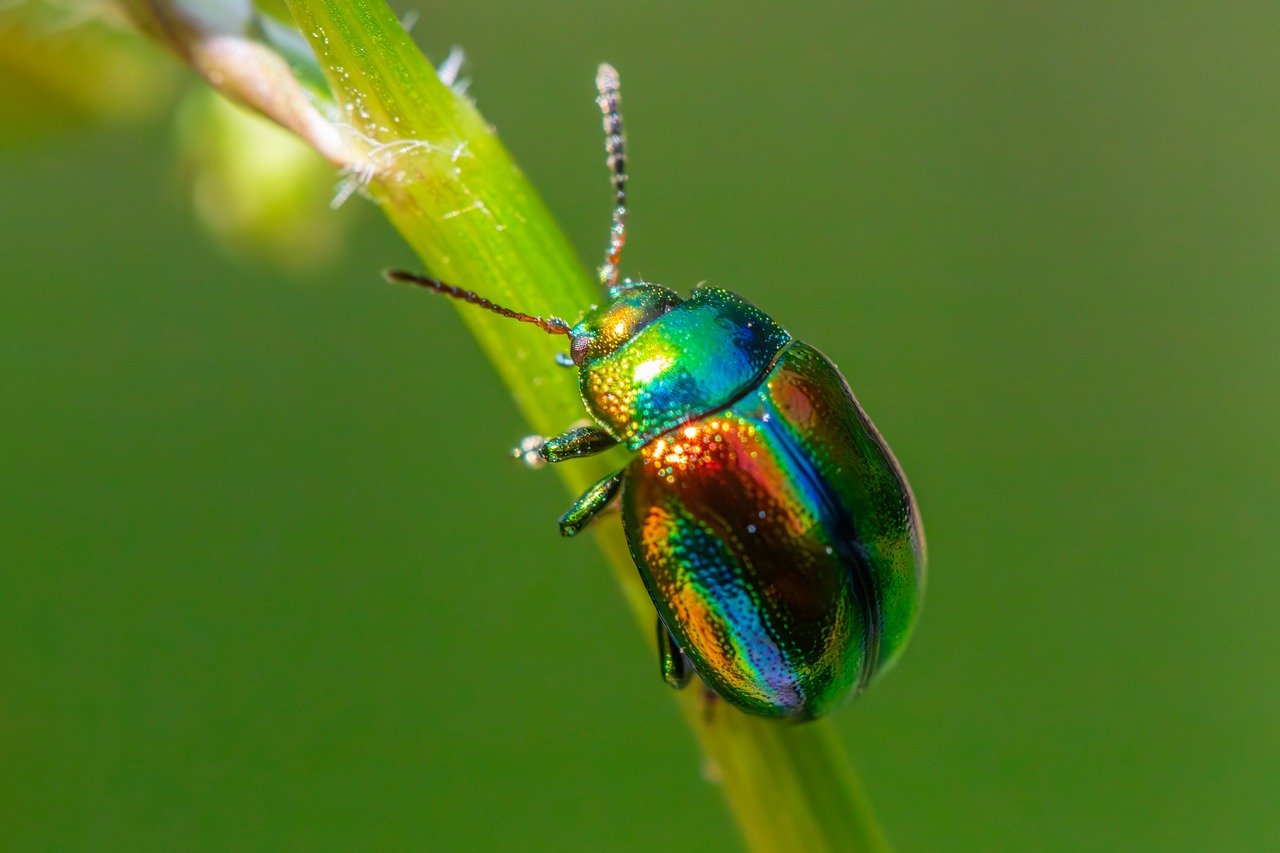
I believe that pest management is a proactive approach. It’s about anticipating potential problems and taking steps to prevent them before they escalate. This mindset can save us time, resources, and frustration in the long run. I remember feeling defeated when I saw my beautiful plants being devoured by pests, but once I understood the importance of pest management, I felt empowered to take control of my gardening experience.
Common Pests in Tropical Containers
In my journey as a gardener, I’ve encountered a variety of pests that plague tropical container gardens. Understanding which pests are common in your area can help you prepare. Some of the most frequent offenders include:
- Aphids: Tiny, soft-bodied insects that suck sap from plants.
- Whiteflies: These little pests tend to congregate on the undersides of leaves, causing damage and spreading diseases.
- Spider Mites: Though minuscule, they can wreak havoc by creating webs and causing leaves to yellow and drop.
- Mealybugs: These pests look like little white cottony masses and can weaken plants significantly.
- Snails and Slugs: A gardener’s nightmare, these creatures can munch through leaves overnight.
Each of these pests has its own unique habits and preferred host plants. I found that keeping a pest journal helped me track which ones were most problematic for my garden. This way, I was able to identify patterns and prepare accordingly. For instance, I noticed that aphids loved my young pepper plants, so I began checking them regularly during their growing season.
Signs of Pest Infestation
Recognizing the signs of pest infestation early can save a lot of heartache. I remember the first time I noticed the tell-tale signs of a pest problem: my plants looked droopy, and there were mysterious holes in the leaves. It was a wake-up call! Here are some signs you should look for:
- Discolored Leaves: Yellowing or browning leaves can indicate stress caused by pests.
- Webbing: If you see fine webs, especially on the undersides of leaves, spider mites may be the culprit.
- Sticky Residue: A sticky film on leaves is often a sign of aphids or whiteflies, as they excrete honeydew.
- Visible Pests: Sometimes, the pests themselves are the most obvious sign. Check for small insects on the leaves or stems.
- Leaf Drop: If your plants suddenly start losing leaves, it may be due to a severe pest infestation.
Regular monitoring is key. I found that spending just a few minutes each day inspecting my plants can help catch any problems before they spiral out of control. Having a magnifying glass handy made it easier to spot those tiny pests lurking among the leaves. Early detection is like a safety net that allows us to take action before the situation worsens.
As I dive deeper into pest management strategies, I’m excited to share what I’ve learned about preventive measures that can help us maintain a healthy and flourishing tropical container garden. By understanding the pests we might face, we can take smarter steps toward effective pest management. It’s a journey worth taking for any gardener passionate about their plants! Top Strategies for Integrated Pest Management in Tropical Gardens
Preventive Measures for Pest Management
Choosing the Right Soil and Container
When I first started my container gardening adventure, I quickly realized that the soil I chose had a significant impact on pest management. Selecting high-quality soil isn’t just about giving your plants the nutrients they need; it’s also about minimizing pest problems. I learned that organic potting mixes can provide a healthier environment for plants compared to conventional soils, which may be laden with chemicals that could attract pests.
Additionally, the container itself plays a vital role. I found that using containers with good drainage can prevent waterlogging, which is a breeding ground for pests like fungus gnats. If the soil stays too wet, it creates a perfect environment for pests to thrive. I recommend choosing pots with drainage holes and ensuring there’s a proper saucer underneath to catch excess water. This small change made a huge difference in the health of my plants.
Optimal Plant Placement and Spacing
Another lesson I learned was the importance of where I place my containers. Each plant has its own light and space requirements, and overcrowding can lead to increased humidity and shady spots that are perfect for pests. I remember when I crammed too many pots together, thinking it would be easier to manage. Instead, I ended up with plants that were stressed and vulnerable to infestations.
Now, I make sure to space my containers adequately, allowing for airflow. This practice not only helps my plants grow better but also reduces the chance of pest problems. Observing sunlight patterns in my garden also helped me place my pots in areas where they receive the right amount of light, keeping them healthy and resilient against pests.
Utilizing Companion Planting
Companion planting has been a game changer for me. The idea of planting certain species together to enhance growth and deter pests has proven effective in my garden. I remember reading about how marigolds can repel nematodes and other pests. So, I decided to plant them alongside my tomatoes, and I was pleasantly surprised to see fewer pest issues. This natural method not only helps protect my plants but also creates a more diverse and vibrant garden.
Other combinations I’ve tried include planting basil near my peppers. The aromatic oils in basil seem to deter aphids, and I’ve noticed a significant decline in their numbers. I love how companion planting adds another layer of strategy to gardening while fostering a healthy ecosystem.
Regular Maintenance and Monitoring
Regular maintenance is crucial in preventing pest issues. I’ve learned that spending a little time each week checking on my plants can save me from major headaches down the line. I make it a habit to inspect the leaves, stems, and soil for any signs of trouble. Early detection has been my greatest ally in managing pests.
In my experience, creating a routine for maintenance can also include cleaning up fallen leaves and debris around my containers. This simple act helps eliminate potential hiding spots for pests. I found that keeping my gardening area neat and organized not only makes it more enjoyable to work in but also contributes to better pest control. A tidy garden is a healthy garden!
Biological Pest Control Strategies
Beneficial Insects for Pest Management
Once I began to understand the importance of beneficial insects, my approach to pest management transformed. I learned that not all bugs are bad; some can actually help control pest populations. For instance, ladybugs are fantastic at keeping aphid numbers in check. I’ve made it a point to encourage these helpful creatures in my garden by planting flowers that attract them, like dill and yarrow.
Another beneficial insect I’ve had success with is lacewings. Their larvae are voracious predators of pests like aphids and spider mites. I remember a time when I noticed an uptick in aphid activity and decided to introduce some lacewing larvae to my containers. It was fascinating to watch them do their job, and within days, I noticed a significant reduction in aphid numbers. It felt great to harness nature’s own pest control!
Using Natural Predators
In addition to beneficial insects, I started introducing natural predators into my garden. I discovered that birds can be excellent at keeping pest populations under control. By providing birdhouses and feeders, I attracted a variety of feathered friends who helped with pest management. I often see them flitting about, and it brings me joy knowing they are working hard to keep my plants healthy.
Also, I’ve found that introducing predatory nematodes into the soil can be helpful for controlling pests like slugs and grubs. These tiny creatures target the pests without harming my plants. It’s a bit of a science experiment, but the results have been worth it. I love the idea of using nature’s balance to my advantage instead of relying solely on chemicals.
Microbial Solutions and Bio-pesticides
As I dove deeper into pest management, I discovered the world of microbial solutions and bio-pesticides. These environmentally friendly alternatives have been a revelation for me. Products like Bacillus thuringiensis (Bt) target specific pests like caterpillars without harming beneficial insects. I remember the first time I used Bt on my cabbage plants, and the results were impressive. Within a few days, the caterpillars were gone, and my plants were thriving again.
I also experimented with neem oil, which I found to be effective against a variety of pests and diseases. The plant-based oil acts as a repellent and disrupts the life cycle of pests. It’s reassuring to know that I can use natural products to protect my garden while minimizing the impact on the environment.
Cultural Control Methods
Watering Techniques to Prevent Pests
One of the most valuable lessons I learned in my gardening journey is the impact of watering techniques on pest management. Overwatering can create a damp environment that attracts pests like fungus gnats and root rot. I used to water my plants on a strict schedule, but I quickly discovered that not all plants have the same water needs. Now, I check the moisture level of the soil before watering, ensuring it’s neither too dry nor too wet.
For instance, I remember a summer when I was watering my containers daily due to the heat. While it seemed like the right thing to do, I ended up with an influx of gnat larvae in the soil. Since then, I’ve adopted a more mindful approach. I make sure to water deeply but less frequently; this encourages deeper root growth and helps my plants become more resilient against pests. Using drip irrigation or self-watering containers has also been a game changer, allowing the soil to maintain optimal moisture levels without over-saturating.
Proper Fertilization Practices
Proper fertilization is another cultural control method that I’ve found crucial for plant health and pest prevention. Over-fertilizing can lead to lush, soft growth that pests find irresistible. I used to think that more fertilizer meant stronger plants, but I learned that balance is key. Now, I focus on using organic fertilizers, which not only feed my plants but also improve soil health.
For me, applying compost has been incredibly beneficial. Not only does it enrich the soil, but it also helps in creating a diverse microbial environment that can suppress pests. I also pay attention to the nutrient needs of each plant. For example, my flowering plants require different nutrients compared to my leafy greens. This tailored approach has helped me maintain strong, healthy plants that are less appealing to pests.
Crop Rotation and Plant Diversity
Crop rotation and plant diversity have been essential strategies in my pest management toolkit. I used to plant the same crops in the same containers year after year, and I quickly realized how this could attract specific pests. Now, I rotate my crops and introduce new varieties each season. This not only helps in breaking pest cycles but also improves soil health.
For example, after harvesting my tomatoes, I might plant beans in the same containers. Beans can fix nitrogen in the soil, benefiting the following crop. I also try to diversify the types of plants I grow. Planting a mix of flowers, herbs, and vegetables creates a more balanced ecosystem that can confuse pests and reduce their populations. I’ve noticed that my container garden’s resilience has grown significantly since I started prioritizing crop rotation and diversity.
Chemical Pest Control Options
Types of Chemical Pesticides
While I prefer natural methods, I’ve learned that sometimes chemical pesticides can be necessary, especially when dealing with severe infestations. There are various types of chemical pesticides available, and understanding their functions is essential. Broad-spectrum pesticides can tackle a wide range of pests, but they can also harm beneficial insects in the process.
In my experience, I’ve found that targeted pesticides are a better option. For instance, there are insecticides specifically designed for aphids or caterpillars. They can be more effective and cause less collateral damage to the ecosystem in my containers. Additionally, I ensure that I choose pesticides that are suitable for container gardening, as some products may be formulated for larger agricultural uses and could be harmful to my small plants.
Applying Pesticides Safely
Safety has always been a top priority for me when using chemical pesticides. I remember my first time applying them without proper precautions, and it was a learning experience! Now, I always wear gloves and a mask, and I make sure to apply pesticides on calm days to prevent drift. I also try to spray in the early morning or late evening when pollinators are less active, minimizing the risk to beneficial insects.
Before applying any pesticide, I read the label carefully to ensure I understand the application instructions and any safety precautions. This diligence has helped me avoid potential mishaps and has given me confidence in my pest management efforts. Plus, it’s a good feeling to know I’m taking responsibility for my garden’s health and safety.
Understanding Pesticide Labels and Regulations
Understanding pesticide labels is crucial for effective pest management. I learned the hard way that not all products are created equal, and the label is my best friend in this regard. It provides essential information about the active ingredients, application rates, and any restrictions on use.
Additionally, I’ve found it helpful to familiarize myself with local regulations regarding pesticide use. Some areas have specific guidelines to protect local wildlife and water sources. By staying informed, I can make responsible choices that not only help my garden but also contribute to the health of the environment. This knowledge has empowered me to use chemical treatments wisely and as a last resort, ensuring my gardening practices remain sustainable.
Integrated Pest Management (IPM) Approach
Principles of Integrated Pest Management
When I first heard about Integrated Pest Management (IPM), I was intrigued by its holistic approach to pest control. IPM is all about using a combination of methods to manage pests while minimizing risks to people and the environment. The principles of IPM emphasize understanding the pest life cycle, recognizing beneficial insects, and using a mix of cultural, biological, and chemical strategies. This comprehensive view helped me shift my mindset from merely reacting to pest issues to being proactive in managing my garden’s ecosystem.
For me, one of the core principles of IPM is monitoring. I learned that regular inspections can help identify pest problems early on, allowing for timely intervention. Instead of waiting for pests to appear, I now keep a close eye on my plants, watching for any shifts in health or signs of distress. This constant vigilance means I’m better equipped to handle any challenges that arise.
Steps to Implement IPM in Tropical Containers
Implementing IPM in my tropical container garden has been a transformative experience. Here are the steps I’ve taken that have made a real difference:
- Identify Pests: The first step is knowing what pests are present in my garden. I’ve learned to identify both harmful pests and beneficial insects, which has helped me avoid unnecessary treatments.
- Monitor Regularly: I created a routine for inspecting my plants. This includes checking for signs of pests, observing plant health, and taking note of any environmental changes.
- Implement Cultural Controls: Simple practices like proper watering, appropriate fertilization, and choosing resistant plant varieties have all contributed to healthier plants and fewer pest issues.
- Introduce Biological Controls: Whenever possible, I use beneficial insects and natural predators to help manage pest populations. Encouraging these allies has become a vital part of my gardening strategy.
- Use Chemicals Judiciously: If pests do become a problem, I opt for targeted chemical solutions as a last resort, ensuring that I follow safety practices and label instructions.
This step-by-step approach has given me the confidence to manage pests effectively while nurturing my garden’s overall health. It’s amazing how a little knowledge and preparation can lead to such positive results!
Evaluating and Adjusting Pest Management Strategies
The beauty of the IPM approach is its adaptability. I’ve learned that pest management is not a one-size-fits-all solution. After each growing season, I take time to evaluate what worked and what didn’t. I keep a gardening journal where I jot down observations, successes, and areas for improvement. For instance, I realized that certain combinations of plants thrived together while others struggled, prompting me to adjust my planting strategy for the next season.
Additionally, if I noticed a particular pest becoming resistant to my methods, I wouldn’t hesitate to try a new approach. I’ve come to understand that flexibility is key in gardening, and being open to learning from my experiences has made me a better gardener.
Case Studies: Successful Pest Management in Tropical Containers
Urban Container Gardens
In my journey, I’ve come across inspiring examples of urban container gardens that have successfully implemented pest management strategies. One community garden in my city used a combination of IPM and organic practices, leading to vibrant and productive plants. They involved local residents in monitoring and maintaining the garden, which fostered a sense of ownership and responsibility. This collaboration not only helped keep pests in check but also educated participants about sustainable gardening practices.
Another urban gardener I met shared her success with companion planting, using marigolds and basil to deter pests in her vegetable containers. She not only enjoyed bountiful harvests but also attracted beneficial insects, creating a lively ecosystem right in the heart of the city.
Community Gardening Initiatives
I’ve also observed how community gardening initiatives can thrive through shared knowledge and resources. Many community gardens host workshops on pest management, allowing gardeners to exchange tips and strategies. These sessions have been enlightening for me, as they introduced me to advanced techniques and local resources I hadn’t considered before.
For example, I participated in a workshop where we learned about soil health and its impact on pest resistance. Hearing fellow gardeners share their experiences reinforced the idea that we’re all in this together, learning and growing from each other.
Resources for Further Learning
Books and Guides on Pest Management
If you’re looking to dive deeper into pest management, I highly recommend picking up some books that focus on organic gardening and integrated pest management. I’ve found that resources like “The Garden Primer” by Barbara Damrosch and “Rodale’s Ultimate Encyclopedia of Organic Gardening” offer great insights and practical advice.
Online Courses and Workshops
Online learning platforms also provide a wealth of information. I’ve taken courses on platforms like Coursera and Udemy that cover everything from pest identification to organic gardening techniques. These courses helped me expand my skill set and approach pest management more effectively.
Local Agricultural Extension Services
Lastly, don’t overlook your local agricultural extension services. They often offer workshops, resources, and expert advice tailored to your specific region. I’ve found their guidance invaluable, especially when it comes to understanding local pests and climate considerations. Read Interesting article: Seasonal Guide to Keeping Pests Away from Tropical Plants
Final Thoughts
Gardening, especially in tropical container environments, is a journey filled with learning experiences. From understanding pests to implementing effective management strategies, every step has taught me something new. Embracing a holistic approach to pest management not only protects our plants but also nurtures a vibrant ecosystem. By sharing our experiences and resources, we empower each other to grow healthier gardens and cultivate a stronger community. I encourage all gardeners to experiment, learn, and find joy in the process, regardless of the challenges that may arise. Together, we can create thriving, pest-resistant gardens that flourish in our tropical climates.
Frequently Asked Questions
What is the importance of pest management in tropical container gardening?
Pest management is essential for protecting plants and maintaining the overall health of the garden, especially in tropical regions where humidity and warmth create ideal conditions for insects. It helps sustain plant growth and minimizes the risk of diseases that pests can spread.
What are some common pests that affect tropical container gardens?
Common pests in tropical container gardens include aphids, whiteflies, spider mites, mealybugs, and snails/slugs. Each has unique habits and preferred host plants, making it important for gardeners to identify which pests are prevalent in their area.
What signs indicate a pest infestation in my plants?
Signs of pest infestation include discolored leaves, webbing on the undersides of leaves, sticky residue on leaves, visible pests, and sudden leaf drop. Regular monitoring of plants can help catch these issues early.
How can I prevent pests in my container garden?
Preventive measures include choosing high-quality soil and containers with good drainage, optimal plant placement and spacing, utilizing companion planting, and maintaining regular monitoring and maintenance of the garden.
What role do beneficial insects play in pest management?
Beneficial insects, such as ladybugs and lacewings, can help control pest populations. Encouraging these insects in the garden can be achieved by planting flowers that attract them, providing a natural method of pest control.
What watering techniques can help prevent pests?
Proper watering techniques involve checking the moisture level of the soil before watering to avoid overwatering, which can create a damp environment that attracts pests. Deep but less frequent watering encourages deeper root growth and plant resilience.
What types of chemical pesticides are available for pest control?
There are various types of chemical pesticides, including broad-spectrum pesticides and targeted insecticides. Targeted pesticides are more effective for specific pests and cause less collateral damage to beneficial insects.
How can I safely apply pesticides in my garden?
To safely apply pesticides, always wear gloves and a mask, apply on calm days to prevent drift, and spray in the early morning or late evening when pollinators are less active. Reading the label carefully for instructions and safety precautions is also crucial.
What is Integrated Pest Management (IPM)?
Integrated Pest Management (IPM) is a holistic approach to pest control that combines methods to manage pests while minimizing risks to people and the environment. It emphasizes monitoring, understanding pest life cycles, and using a mix of cultural, biological, and chemical strategies.
Where can I find additional resources for pest management?
Additional resources for pest management include books and guides on organic gardening, online courses and workshops, and local agricultural extension services that offer tailored advice and workshops for specific regions.