
Palm trees bring a tropical vibe to any space, transforming landscapes with their elegance and charm. To keep these beauties thriving, let’s dive into their care essentials. Read Interesting article: How to Choose the Perfect Palm for Your Home
Table of Contents
Understanding Palm Trees
What Are Palm Trees?
When I first started my journey into gardening, I was captivated by palm trees. These are not just any ordinary trees; they belong to the Arecaceae family and are known for their tall, slender trunks and large, fan-like or feather-like leaves. They thrive in warm climates and come in various shapes and sizes, making them a favorite for both indoor and outdoor settings. I remember the first time I saw a palm tree swaying gracefully in the breeze—it felt like a slice of paradise right in my backyard.
Types of Palm Trees
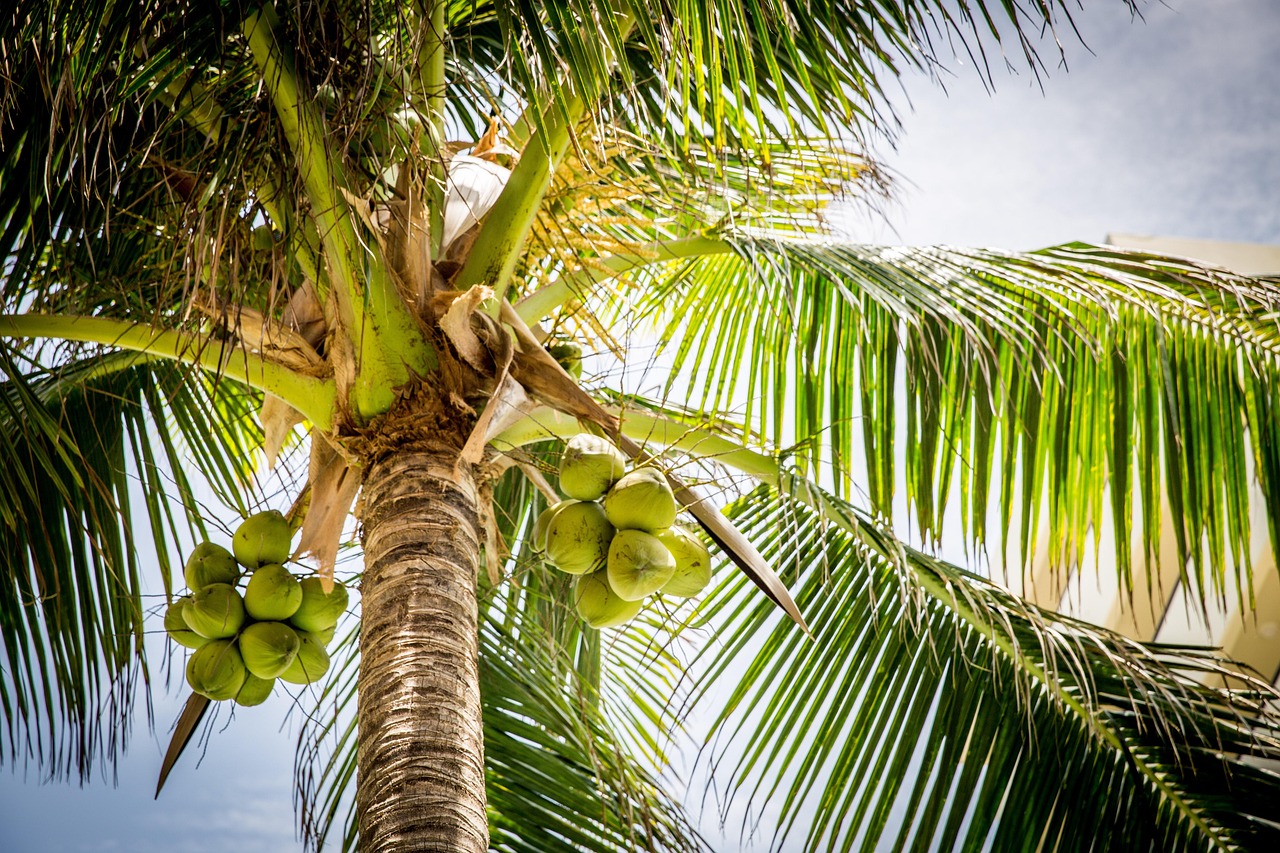
There are over 2,500 species of palm trees, each with its own unique characteristics. Some of my favorites include the majestic Royal Palm, which can grow up to 100 feet tall, and the petite Parlor Palm, perfect for indoor spaces. Other notable types include the Coconut Palm, known for its delicious fruit, and the Date Palm, cherished for its sweet dates. Each variety has its own needs, which I learned through trial and error over the years. Read Interesting article: Top 5 Stunning Palm Varieties for Tropical Gardens
Common Characteristics and Features
One of the things that fascinate me about palm trees is their distinct features. Most exhibit a single trunk that rises up straight, topped with a crown of leaves. While some palms can grow in clusters, others stand alone as magnificent specimens. The texture and color of their leaves can vary greatly—some have a glossy green hue, while others display a striking silver or blue tint. I’ve found that understanding these characteristics helps me choose the right palm for my garden and ensures I provide the best care possible.
Optimal Growing Conditions for Palm Trees
Climate Requirements
Living in a region with a warm climate has its perks, especially when it comes to growing palm trees. Most palms thrive in USDA zones 8-11, which typically means they enjoy temperatures above 50°F. I’ve noticed that some species can even tolerate colder temperatures, but for the most part, warmth is essential. If you’re considering adding palm trees to your garden, it’s crucial to choose a type that aligns with your local climate. I once tried to plant a tropical species in a cooler zone, and let’s just say, it didn’t end well.
Soil Types and Requirements
When it comes to soil, palm trees have specific preferences. They generally prefer well-draining soil that retains some moisture but isn’t too heavy. I’ve learned that a mix of sand, peat, and loam works wonders for most palms. It’s essential to avoid compacted soil, as it can lead to root rot—a mistake I made early on. Now, whenever I plant a new palm, I always ensure the soil is aerated and enriched with organic matter to keep my trees happy.
Sunlight Exposure
Sunlight is another critical factor for palm trees. Most species thrive in full sun or partial shade, depending on their origin. I have a few varieties that love basking in the sun for hours, while others prefer a bit of shade during the hottest parts of the day. I’ve found that observing how my palms react to sun exposure helps me decide the best spot for each tree in my garden. If you notice the leaves turning yellow or brown, it might be a sign they’re getting too much sun, or not enough!
Watering Techniques for Healthy Palm Trees
How Much Water Do Palm Trees Need?
Watering can be a bit tricky, but I’ve learned that palm trees generally need a good amount of water, especially during their growing season. I like to give my palms a deep soak every week or two, depending on the weather. In hot months, you might need to water more often, while cooler months might require less. The key is to ensure the soil stays consistently moist without becoming soggy.
Best Watering Practices
From my experience, it’s best to water palm trees in the early morning or late afternoon. This timing helps the water soak into the roots before the sun can evaporate it. I’ve also found that using a soaker hose or drip irrigation system works wonders for consistent watering. It allows the water to penetrate deeply into the soil, which is essential for healthy root development.
Signs of Overwatering and Underwatering
Both overwatering and underwatering can cause significant issues for palm trees, and I’ve faced the consequences of both. Signs of overwatering include yellowing leaves and a mushy trunk, while underwatering often presents as browning leaf tips and wilting. Keeping an eye on these signs has saved many of my palms, allowing me to adjust my watering practices accordingly.
Nutritional Needs of Palm Trees
Essential Nutrients for Palm Tree Growth
Nurturing palm trees goes beyond just watering them; they also have specific nutritional needs. I’ve learned that palms thrive on a balanced diet of essential nutrients, like nitrogen, phosphorus, and potassium, often referred to as N-P-K. Nitrogen helps promote lush, green foliage, which is something I always aim for in my garden. Phosphorus supports root development and flowering, while potassium contributes to overall health and disease resistance. I remember when I first noticed my palms looking a bit lackluster; after a little research, I realized they weren’t getting the nutrients they needed. Adding a balanced fertilizer made all the difference! I also discovered that micronutrients like magnesium, manganese, and iron are crucial for vibrant growth. They may be needed in smaller amounts, but they play significant roles in the overall health of my palms.
Fertilization Techniques
When it comes to fertilizing my palm trees, I’ve found that timing and technique can make a big difference. I typically start fertilizing in the spring as the growth season begins and continue every couple of months until late summer. I personally love using slow-release fertilizers, which provide a steady supply of nutrients over time. This way, I don’t have to worry about frequent applications. Whenever I do apply fertilizer, I make sure to follow the package instructions carefully—too much can be just as harmful as too little! I also like to take care when applying it; I sprinkle it around the base of the tree but keep it away from the trunk to prevent any potential burn. Watering it in afterward helps the nutrients penetrate the soil and reach the roots effectively.
Organic vs. Chemical Fertilizers
Choosing between organic and chemical fertilizers has often been a topic of discussion among my fellow gardening friends. I personally lean towards organic options when possible, as they tend to be gentler on the environment and promote healthier soil biology. Compost, worm castings, and even coconut coir are great organic choices that can enrich the soil naturally. However, I’ve also used chemical fertilizers with success, especially when I needed a quick boost for a struggling palm. I think the key is to understand the specific needs of your palms and choose the type of fertilizer accordingly. In my experience, a combination of both can work wonders, depending on the situation.
Pest and Disease Management
Common Pests Affecting Palm Trees
Palm trees can be quite resilient, but they aren’t immune to pests. I’ve had my fair share of battles with pests like palm weevils and spider mites. The palm weevil can be particularly devastating, as it burrows into the trunk, which can lead to severe damage or even death. I remember spotting the telltale signs of their presence—small holes in the trunk and a soft, decaying area around them. I quickly learned to keep an eye out for these signs, as early detection is crucial. Additionally, scale insects can appear on the leaves, causing yellowing and a sticky residue. When I first noticed this, it took me a while to identify the problem, but now I regularly inspect my palms to catch these pests before they become a larger issue.
Signs of Disease in Palm Trees
Identifying diseases in palm trees can sometimes feel like a guessing game, but I’ve learned to recognize a few key signs. For example, fungal infections often present as dark spots or patches on the leaves. If I notice any unusual growths or discoloration, I know it’s time to investigate further. Another disease I’ve encountered is lethal yellowing, which causes rapid decline and is often fatal. I once lost a beautiful palm to this disease and realized the importance of staying informed about potential issues in my area. Regularly checking my palms for any abnormalities has become a habit, and I feel it’s one of the best preventative measures I can take.
Preventative Measures and Treatments
Prevention is always better than treatment, and I’ve found that keeping my palms healthy is the best way to fend off pests and diseases. This means ensuring they have the right nutrients, adequate water, and proper sunlight exposure. I also recommend maintaining good airflow around the trees by spacing them appropriately, as this can help prevent fungal diseases. When I do encounter pests, I often start with natural treatments—like insecticidal soap or neem oil—before turning to harsher chemicals. I think it’s essential to be cautious and observe how my palms respond to any treatment. Staying proactive has saved me a lot of heartache and allowed my palms to thrive.
Pruning and Maintenance Tips
When and How to Prune Palm Trees
Pruning palm trees might seem daunting, but I’ve found that it’s a key part of keeping them healthy and beautiful. I usually prune my palms in late winter or early spring, just before the growing season kicks in. This timing allows the tree to direct its energy towards new growth. I’ve learned to focus on removing dead or damaged fronds first. If a frond is completely brown and dry, it’s definitely time to say goodbye. However, I always make sure not to remove too many leaves at once, as palms rely on their fronds for photosynthesis. A good rule of thumb is to keep at least half of the fronds intact. I remember the first time I pruned my palm too aggressively—I learned the hard way that balance is key. Read Interesting article: Top 10 Essential Tips for Healthy Date Palm Tree Pruning and Care
Tools Needed for Palm Tree Care
Having the right tools makes a world of difference when it comes to palm tree maintenance. I typically use a sharp pair of pruning shears for smaller fronds and a saw for larger ones. It’s important to keep my tools clean and sharp to make clean cuts. I’ve noticed that rough cuts can lead to disease entry points. For taller palms, a pole saw has been a lifesaver. I also carry gloves to protect my hands from sharp edges and potential pests. Investing in good-quality tools not only eases the pruning process but also ensures I’m caring for my palms properly.
Seasonal Maintenance Tasks
Seasonal maintenance has become part of my routine, and it’s made a significant difference in my palms’ health. In the spring, I start by inspecting for any signs of pests or disease and do my first round of pruning. Summer is all about watering and ensuring the trees are getting enough nutrients, which I’ve covered earlier. Fall is when I like to clean up the area around my palms, removing any fallen leaves or debris that could harbor pests. Finally, in winter, I take a close look at the overall health of my palms and prepare them for the colder months. This cyclical approach keeps my palms thriving, and I often find myself enjoying the little rituals that come with each season.
Transplanting and Repotting Palm Trees
When to Transplant Palm Trees
Transplanting can be a bit nerve-wracking, but I’ve found it’s sometimes necessary for the health of the palm tree. The best time to transplant is during the early spring before new growth begins. I’ve learned that this gives the palm the best chance to establish its roots in the new location before the heat of summer hits. If you notice your palm is outgrowing its pot or becoming root-bound, it’s definitely time for a change. I remember my first experience transplanting a palm—it was a challenge, but seeing it thrive in its new home made it all worth it!
Steps for Successful Repotting
When it comes to repotting, I follow a few simple steps to ensure success. First, I choose a pot that’s slightly larger than the current one, ideally about 2 inches wider in diameter. I then prepare a well-draining potting mix, which I always mix with some sand to improve drainage. Next, I carefully remove the palm from its old pot, being cautious not to damage the roots. With the palm in its new pot, I fill around it with the fresh soil mix, making sure not to bury the trunk. Lastly, I give it a good soak to help settle the soil. After repotting, I keep it out of direct sunlight for a few weeks to help it adjust—I’ve found that it really helps reduce stress for the tree.
Post-Transplant Care
After transplanting, I pay close attention to my palm’s needs. It’s common for palms to experience a bit of shock, so I ensure they have consistent moisture without overwatering. I also avoid fertilizing right after transplanting since the roots need time to recover. Instead, I wait a few months before I start reintroducing nutrients. Regular checks for pests and signs of distress are essential during this period, as I want to catch any issues before they escalate. By keeping a close eye on my newly transplanted palms, I find that they often bounce back quickly and thrive in their new environment.
Special Considerations for Indoor Palm Trees
Best Indoor Palm Varieties
Indoor palm trees can be such a delightful addition to our living spaces! I’ve experimented with several varieties, but a few stand out as my favorites. The Parlor Palm is one of the best for indoor settings—it’s low-maintenance and can thrive in lower light conditions. I also love the Kentia Palm; it adds a touch of elegance with its graceful fronds. Another great option is the Areca Palm, which grows tall and bushy, making it a fantastic natural air purifier. I remember when I first brought an indoor palm home; it instantly brightened up my room and lifted my spirits.
Indoor Lighting Requirements
Lighting is crucial for indoor palms, and I’ve learned that different varieties have different preferences. Most palms prefer bright, indirect light. I’ve made the mistake of placing palms in direct sunlight, which can scorch their leaves. Instead, I try to position them near a window where they receive filtered light. If natural light is limited, I’ve also experimented with grow lights, and they can work wonders. I remember how my indoor palms thrived once I adjusted their lighting; it’s amazing how much of a difference it can make!
Indoor Climate Control
Maintaining a stable climate is key for indoor palms. I’ve always tried to keep the temperature between 65°F and 80°F, which most palms enjoy. The humidity level is another factor I pay attention to; palms love humidity! I often mist my indoor palms or place a humidifier nearby, especially during the dry winter months. During summer, I like to keep them away from drafts from air conditioning, as it can dry them out. Watching my palms flourish in a cozy environment has been rewarding, and it’s become part of my daily routine to ensure they feel right at home.
Frequently Asked Questions
What are palm trees?
Palm trees belong to the Arecaceae family and are characterized by their tall, slender trunks and large, fan-like or feather-like leaves. They thrive in warm climates and are popular in both indoor and outdoor settings.
How many species of palm trees are there?
There are over 2,500 species of palm trees, each with unique characteristics and care requirements.
What are the optimal growing conditions for palm trees?
Most palm trees thrive in USDA zones 8-11, enjoying temperatures above 50°F. They prefer well-draining soil that retains some moisture and require full sun or partial shade depending on the species.
How often should palm trees be watered?
Palm trees typically need a good amount of water, especially during their growing season. A deep soak every week or two is generally recommended, adjusting for weather conditions.
What signs indicate overwatering or underwatering in palm trees?
Signs of overwatering include yellowing leaves and a mushy trunk, while underwatering often presents as browning leaf tips and wilting.
What nutrients do palm trees need for healthy growth?
Palm trees thrive on a balanced diet of essential nutrients, particularly nitrogen, phosphorus, and potassium (N-P-K), along with micronutrients like magnesium, manganese, and iron.
When is the best time to prune palm trees?
The best time to prune palm trees is in late winter or early spring, just before the growing season, to allow the tree to direct energy towards new growth.
How can I tell if my palm tree is suffering from pests or diseases?
Signs of pests include small holes in the trunk or yellowing leaves from scale insects. Diseases may present as dark spots on leaves or unusual growths, like those seen in fungal infections.
What are some recommended indoor palm varieties?
Some of the best indoor palm varieties include the Parlor Palm, Kentia Palm, and Areca Palm, each thriving in lower light conditions and adding an elegant touch to indoor spaces.
What indoor climate conditions do palm trees prefer?
Indoor palms generally prefer temperatures between 65°F and 80°F and enjoy high humidity levels. Misting them or using a humidifier can help maintain their preferred environment.