
Tropical gardening is a vibrant and rewarding journey filled with lush foliage and colorful blooms. If you’re ready to dive into this world, let’s explore essential tips for creating your own tropical paradise!
Table of Contents
Understanding Tropical Gardening
What is Tropical Gardening?
Tropical gardening is all about cultivating plants that thrive in warm, humid environments typical of tropical regions. I remember when I first started my tropical garden; I was fascinated by the array of plants that could flourish in such a climate. Unlike temperate gardening, which involves seasonal changes and cold winters, tropical gardening allows for year-round growth and blooming. This means you can enjoy a lush landscape filled with vibrant colors and fragrances all year long. Whether you live in a tropical zone or want to create a tropical oasis in your backyard, understanding the principles behind it is essential.
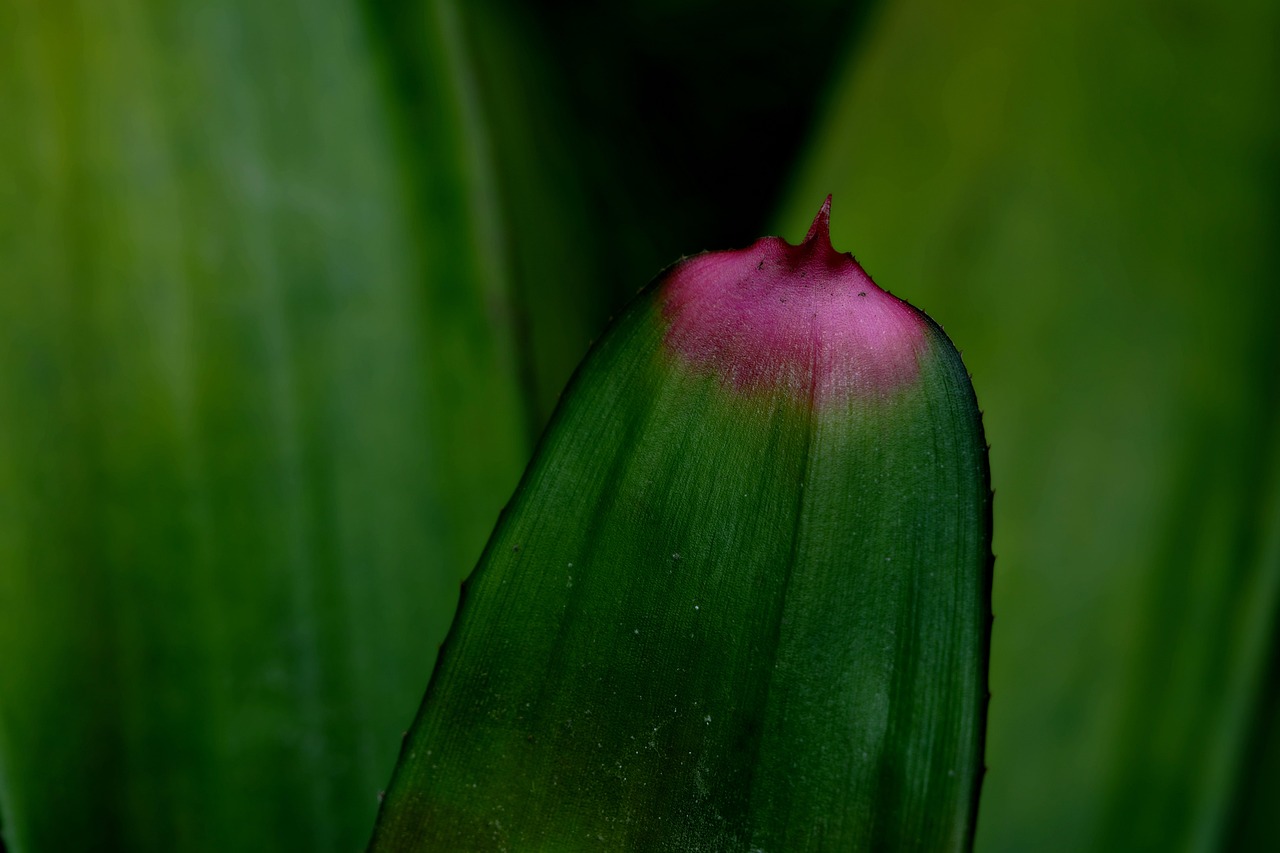
Climate Characteristics of Tropical Regions
The climate in tropical regions is unique and significantly influences what you can grow. Typically, these areas experience high temperatures and high humidity year-round. I’ve noticed that the average temperature often hovers between 70°F and 90°F, creating a perfect scenario for many plants. Rainfall patterns can vary, with some regions experiencing a wet and dry season, while others enjoy consistent rainfall throughout the year. Understanding these climate characteristics helps in selecting the right plants and planning your garden layout effectively.
Importance of Soil and Humidity
Soil in tropical regions tends to be quite different from what you might find in temperate climates. Often, the soil can be sandy or clay-heavy, with a low nutrient content. I’ve learned that amending the soil with organic matter is crucial for successful tropical gardening. This not only improves nutrient availability but also enhances water retention, which is especially important given the high humidity levels. Speaking of humidity, it plays a vital role in plant health. Most tropical plants thrive in high humidity, which can affect their growth, flowering, and fruiting. If you’re in a less humid area, you might want to consider misting your plants or using a humidity tray to create a more favorable environment.
Creating a healthy ecosystem in your tropical garden means being mindful of both soil and humidity. I remember the first time I adjusted my soil and added some compost; the difference was astounding. Plants that had been struggling began to flourish, and I felt a sense of pride seeing them thrive. Keeping the soil rich and the humidity levels high can lead to a stunning garden filled with life.
Essential Plants for Tropical Gardens
Tropical Flowers
When it comes to tropical flowers, the choices are endless. I’ve found that hibiscus and bougainvillea are two of the most stunning options, offering brilliant colors and a hearty growth pattern. The vibrant blooms of these plants can brighten up any corner of your garden. Additionally, orchids are another favorite of mine; they come in various shapes and colors and can add an exotic touch to your landscape. I learned that grouping flowers together not only enhances their beauty but also creates a more vibrant and inviting garden space.
Fruit Trees Suitable for Tropical Climates
Planting fruit trees can be incredibly rewarding. I remember the excitement of picking fresh mangoes and bananas right from my yard. Trees like papaya, guava, and coconut are not only delicious but also add to the tropical aesthetic. These trees tend to grow quickly and provide shade, which is an added benefit in hot climates. When choosing fruit trees, make sure to consider their size and space requirements, as some can grow quite large.
Foliage Plants and Palms
Foliage plants are fundamental in any tropical garden. The rich greens of plants like monstera and philodendron can create a lush backdrop for your colorful flowers. I’ve always loved the drama that palm trees add to a garden. Varieties like the areca and coconut palm can provide height and texture, making the garden feel more layered and inviting. Mixing different types of foliage plants creates depth and interest, which I find enhances the overall look of the garden.
Herbs and Vegetables for Tropical Gardening
Don’t forget about herbs and vegetables! I’ve had great success growing basil, cilantro, and lemongrass in my tropical garden. These herbs not only add flavor to my cooking but also thrive in the warm, humid conditions. Vegetables like eggplant and peppers are fantastic choices too, as they love the heat. The joy of harvesting fresh ingredients from your garden is unmatched, and it encourages a more sustainable lifestyle. I’ve found that a little effort in planting herbs and veggies pays off tremendously in flavor and satisfaction.
Soil Preparation and Fertility
Understanding Tropical Soil Types
When I first started my tropical garden, I quickly realized that not all soil is created equal, especially in tropical regions. The soil types can vary significantly, but many tropical soils tend to be acidic and low in nutrients. I’ve encountered sandy soils that drain quickly, as well as clay-heavy soils that retain water and can become compacted. It’s important to understand the specific type of soil you have because it directly impacts how well your plants will thrive. I always suggest testing your soil to determine its pH and nutrient levels. In my case, this knowledge helped me amend my garden effectively, leading to more vigorous growth.
Organic Matter and Composting Techniques
One of the best lessons I’ve learned in tropical gardening is the importance of enriching the soil with organic matter. Composting has become one of my favorite gardening practices. I remember gathering kitchen scraps, yard waste, and even coffee grounds to create my compost pile. The transformation of these materials into rich, dark compost was a rewarding experience. I’ve found that adding compost not only nourishes the soil but also improves its structure, promoting better drainage and aeration. In tropical gardening, where moisture can be abundant, good drainage is essential to prevent root rot. I recommend applying a layer of compost at the start of the growing season and periodically throughout the year to keep the soil healthy and nutrient-rich.
Fertilization Tips for Tropical Plants
Fertilizing is another crucial aspect of maintaining a vibrant tropical garden. I’ve learned that tropical plants often need more nutrients due to the warm temperatures that promote rapid growth. I usually opt for organic fertilizers, like fish emulsion or worm castings, which provide a balanced nutrient mix without the risk of chemical buildup. One tip I picked up along the way was to fertilize during the rainy season when plants can readily absorb the nutrients. I’ve noticed a significant difference in the health and vitality of my plants when I keep up with a regular fertilization schedule. Just remember, it’s important not to over-fertilize, as this can lead to nutrient burn and damage your plants.
Irrigation Techniques for Tropical Gardens
Watering Frequency and Methods
Living in a tropical climate, I’ve learned that proper irrigation is key to a flourishing garden. The frequency of watering will depend on your specific conditions; for instance, during the dry season, I find myself watering my garden more often. I usually check the soil moisture before watering—if the top inch feels dry, it’s time. I’ve experimented with different watering methods, and I’ve found drip irrigation to be both efficient and effective. It delivers water directly to the root zone, minimizing evaporation and runoff. I remember the first time I set up a drip system; it saved me so much time and effort while ensuring my plants received consistent moisture.
Importance of Drainage in Tropical Gardens
Drainage is another critical factor in tropical gardening that can’t be overlooked. Heavy rainfall is common, and without proper drainage, you risk waterlogging your plants. I’ve had my share of struggles with soggy soil, leading to unhappy plants. To combat this, I’ve learned to plant in raised beds and incorporate organic matter to improve drainage. Creating pathways for excess water and ensuring that my garden slopes away from my home has also made a significant difference. This little adjustment has turned my garden into a thriving oasis rather than a swamp!
Rainwater Harvesting Solutions
One of the best practices I’ve adopted is rainwater harvesting. With the amount of rainfall we get in tropical regions, it felt like a wasted opportunity not to collect that water. I installed rain barrels to capture runoff from my roof, which has been a game changer. Not only do I save on my water bill, but I also provide my plants with natural rainwater, which they seem to love. I recommend setting up a simple system; it doesn’t have to be expensive. I’ve found that using a simple barrel with a spigot makes it easy to water my plants during dry spells. Plus, it feels great to be conserving water and using it sustainably in my garden. Read Interesting article: Essential Water Conservation Tips for Tropical Gardening
Dealing with Tropical Weather Challenges
Managing Heavy Rainfall and Flooding
In my experience with tropical gardening, heavy rainfall can be both a blessing and a challenge. While it provides much-needed water, it can also lead to flooding, which can drown your plants if you’re not careful. I remember one particularly rainy season when I lost some beautiful plants because I hadn’t prepared adequately. Since then, I’ve learned various strategies to manage excess water. Creating swales—shallow ditches that help redirect water—is one technique I now prioritize. They naturally guide water away from plant roots and help prevent waterlogging. Additionally, I’ve found that amending my soil with organic matter improves drainage, allowing excess water to flow away more easily.
Protecting Plants from Strong Winds
Strong winds can be another issue, especially during stormy seasons. I’ve watched helplessly as my delicate seedlings were uprooted by sudden gusts. To protect my plants, I’ve started using windbreaks, like tall shrubs or fences, to shield them from harsh winds. Planting taller foliage around more delicate plants not only offers protection but also adds additional layers of beauty to my garden. I also make sure to stake any young trees or plants that are vulnerable to tipping over. Creating a supportive environment helps them grow strong and resilient against the elements.
Solar Exposure and Shade Management
Finding the perfect balance of sunlight and shade is vital for a thriving tropical garden. I’ve learned that not all tropical plants enjoy full sun; some prefer partial shade, especially during the hottest parts of the day. I remember when I planted some ferns and shade-loving flowers too close to a sunny spot, and they struggled to survive. Now, I pay close attention to the sun patterns in my garden throughout the day. I’ve taken to using taller plants or even garden structures to provide shade for those little ones that can’t handle the direct sun. Creating a layered garden not only protects my plants but also adds depth and visual interest.
Pest and Disease Management
Common Pests in Tropical Gardens
Pests can be a real headache in tropical gardening. I’ve encountered aphids, caterpillars, and whiteflies, each presenting its own set of challenges. It’s essential to stay vigilant and check my plants regularly for any signs of pest activity. I remember discovering a caterpillar feast on my beloved hibiscus—what a shock that was! Over time, I’ve realized that creating a healthy ecosystem is the best defense against pests. By planting a variety of species, I attract beneficial insects like ladybugs and lacewings, which help keep pest populations in check.
Organic Pest Control Methods
When I do face pest issues, I prefer organic methods to keep my plants safe. I’ve found that neem oil works wonders against many common pests. It’s derived from the seeds of the neem tree and disrupts the life cycle of insects without harming beneficial ones. I’ve also made my own garlic spray, which seems to deter a variety of pests. The key is to be proactive; I regularly inspect my plants and apply these treatments before pests can become a significant problem. Plus, I’ve learned that maintaining plant health through proper watering and fertilization can naturally reduce pest infestations.
Preventing Diseases in Tropical Plants
Disease can sneak up on you just as quickly as pests, especially in the humid conditions typical of tropical gardens. I’ve seen powdery mildew and root rot wreak havoc on my plants. To prevent these issues, I practice good air circulation by spacing my plants properly. I’ve also learned the importance of watering early in the day, allowing time for foliage to dry before evening. This simple change has made a big difference in reducing fungal diseases. Regularly cleaning up plant debris and fallen leaves is another practice I follow to minimize disease risks and keep my garden looking tidy.
Seasonal Gardening Tips
Best Times to Plant in Tropical Regions
Timing can make all the difference in tropical gardening. I’ve discovered that the best time to plant depends on the rainy season and dry spells in my area. Typically, I find that planting just before the rainy season ensures my plants get the moisture they need to establish roots. I’ve also learned to take advantage of the cooler months for sensitive plants, which can help them thrive when temperatures rise again. Each season offers unique opportunities; I keep a gardening calendar to track my planting and harvesting times. Read Interesting article: Master Seasonal Gardening Tips for Tropical Climates
Seasonal Maintenance Practices
Maintaining my tropical garden requires a bit of seasonal awareness. During the wet season, I focus on drainage solutions, while in the dry season, I prioritize irrigation and mulching to retain moisture. I remember the first year I didn’t mulch, and the soil dried out far too quickly! Now, I make a habit of adding a layer of organic mulch to my garden beds, which helps regulate soil temperature and moisture. Seasonal pruning is another practice I enjoy—it encourages new growth and keeps my garden looking tidy.
Adapting to Climate Variations
Climate variations can be quite pronounced, even within tropical regions. I’ve learned to adapt my gardening practices based on the specific conditions I face each year. For instance, if I know we’re in for a particularly dry spell, I’ll adjust my watering schedule accordingly. Keeping an eye on weather patterns and forecasting helps me prepare for any surprises. I also like to experiment with different plant varieties to see which ones thrive best under my local conditions. Adapting my gardening methods has been a journey, but it’s rewarding to see how resilient my garden has become.
Creating a Sustainable Tropical Garden
Companion Planting for Biodiversity
One of the most exciting discoveries I made in my tropical garden journey is the concept of companion planting. It’s amazing how certain plants can benefit one another, enhancing growth and even deterring pests. For instance, I love pairing marigolds with my vegetables; they not only brighten up the garden but also help repel aphids and other harmful insects. I’ve experimented with the classic combination of tomatoes and basil, which not only thrive together but also enhance each other’s flavor. This practice adds biodiversity to my garden and creates a more balanced ecosystem. I believe that by incorporating companion planting, we can naturally encourage a healthier environment for our plants.
Utilizing Native Plants
Embracing native plants has been a game-changer for my tropical garden. I’ve learned that these plants are well-adapted to our local climate, soil, and pests. They require less water and maintenance compared to non-native species. When I started adding native plants like the beautiful flowering ginger and ferns, I noticed not only a reduction in my watering needs but also an increase in local wildlife, such as butterflies and bees. By selecting plants that are naturally suited to my environment, I feel like I’m contributing to the local ecosystem while creating a vibrant and diverse garden. It’s a win-win situation that I wholeheartedly recommend.
Water Conservation Practices
Water conservation has become a priority in my tropical gardening practices. With the fluctuating weather patterns, being mindful of how I use water makes a significant difference. I’ve incorporated mulch around my plants to help retain soil moisture and reduce evaporation. This simple step has not only kept my plants hydrated but has also minimized the frequency of my watering sessions. Additionally, I’ve embraced drip irrigation systems that deliver water directly to the plant roots, ensuring that every drop counts. I remember feeling accomplished when I realized how much water I was saving while still providing my garden with the hydration it needed. It feels great to know that I’m nurturing my garden sustainably. Read Interesting article: Top Summer Care Tips for Vibrant Tropical Gardening
Resources for Tropical Gardening Enthusiasts
Books and Guides on Tropical Gardening
Finding the right resources has played a crucial role in my tropical gardening success. I’ve collected several books and guides that have become my go-to references. One of my favorites is “Tropical Gardening” by the authors who share insights on plant selection and garden design. These books provide valuable tips tailored to tropical climates, and I often find myself flipping through their pages for inspiration. If you’re just starting out or even if you’re experienced, I recommend seeking out literature that resonates with your gardening goals.
Online Communities and Forums
The online gardening community has been a treasure trove of support and knowledge. Joining forums and social media groups dedicated to tropical gardening has connected me with fellow enthusiasts who share their experiences. I’ve learned so much from others’ successes and challenges, and I often find new ideas to try in my own garden. These communities are fantastic for asking questions, sharing photos, and even trading plants. I encourage everyone to engage with these platforms; they can enrich your gardening journey in ways you might not expect!
Local Gardening Clubs and Workshops
Getting involved with local gardening clubs and workshops has also enhanced my knowledge and skills. I remember attending a tropical gardening workshop where experts shared techniques specifically for our climate. It was not only informative but also a great way to meet like-minded individuals who share the same passion. Many clubs often organize plant swaps, which is a fun way to diversify your garden without spending a lot of money. I’ve found that being part of a local gardening community fosters friendships and creates a sense of belonging, making the gardening journey all the more enjoyable.
Final Thoughts
Tropical gardening has become a fulfilling part of my life, filled with vibrant colors, fragrances, and ongoing learning. Whether you’re just starting or are a seasoned gardener, I believe everyone can find joy in cultivating their tropical paradise. With the right plants, techniques, and a little patience, your garden can thrive beautifully, becoming a personal oasis. I’ve shared my experiences, but I know each journey is unique. So, embrace the process, learn from challenges, and celebrate your successes—big or small. Happy gardening!
Frequently Asked Questions
What is tropical gardening?
Tropical gardening involves cultivating plants that thrive in warm, humid environments typical of tropical regions. It allows for year-round growth and blooming, providing a vibrant landscape filled with colors and fragrances.
What are the climate characteristics of tropical regions?
Tropical regions typically experience high temperatures and high humidity year-round, with average temperatures ranging from 70°F to 90°F. Rainfall patterns can vary, with some regions having wet and dry seasons while others enjoy consistent rainfall throughout the year.
How important is soil and humidity in tropical gardening?
Soil in tropical regions can be sandy or clay-heavy with low nutrient content. Amending the soil with organic matter is crucial for improving nutrient availability and water retention. High humidity is essential for the health of most tropical plants, and measures like misting or using humidity trays can help in less humid areas.
What are some essential plants for tropical gardens?
Essential plants for tropical gardens include vibrant flowers like hibiscus and bougainvillea, fruit trees such as papaya and coconut, and foliage plants like monstera and philodendron. Herbs and vegetables like basil and eggplant also thrive in tropical climates.
What is the best way to prepare tropical soil?
Understanding the specific type of soil you have is vital, as many tropical soils tend to be acidic and low in nutrients. Adding organic matter, such as compost, enhances soil structure and nutrient content, and regular fertilization is important to support rapid plant growth.
What irrigation techniques are recommended for tropical gardens?
Proper irrigation is key, with methods like drip irrigation being efficient as it delivers water directly to the roots. It’s also important to ensure proper drainage to prevent waterlogging, which can harm plants during heavy rainfall.
How can I manage heavy rainfall and flooding in my tropical garden?
To manage heavy rainfall, creating swales to redirect water and amending soil to improve drainage are effective strategies. This helps prevent waterlogging and protects plant roots from excess water.
What are some common pests in tropical gardens and how can they be managed?
Common pests in tropical gardens include aphids, caterpillars, and whiteflies. Regularly checking plants and creating a diverse ecosystem can help attract beneficial insects. Organic pest control methods like neem oil and homemade garlic sprays can also be effective.
When is the best time to plant in tropical regions?
The best times to plant depend on the local rainy and dry seasons. Planting just before the rainy season ensures adequate moisture for root establishment, while cooler months can benefit sensitive plants.
How can I create a sustainable tropical garden?
Creating a sustainable tropical garden involves practices like companion planting for biodiversity, utilizing native plants that require less water and maintenance, and implementing water conservation techniques such as mulching and drip irrigation.