
Watering your tropical container garden can be a delightful, yet challenging experience. With a little knowledge and care, you can keep your vibrant plants thriving even in the heat! Read Interesting article: How Automated Watering Enhances Tropical Gardening Success
Table of Contents
Understanding Tropical Container Gardens
What is a Tropical Container Garden?
Tropical container gardens are collections of plants that thrive in warm, humid conditions, all contained within pots or other types of containers. These gardens enable us to enjoy a lush variety of tropical plants, whether we live in a tropical climate or are simply trying to recreate that environment in our backyards or balconies. I remember the first time I decided to try my hand at container gardening. I was captivated by the idea of bringing a slice of paradise right to my home. The beauty of tropical plants like hibiscus, bird of paradise, and vibrant ferns is simply irresistible!
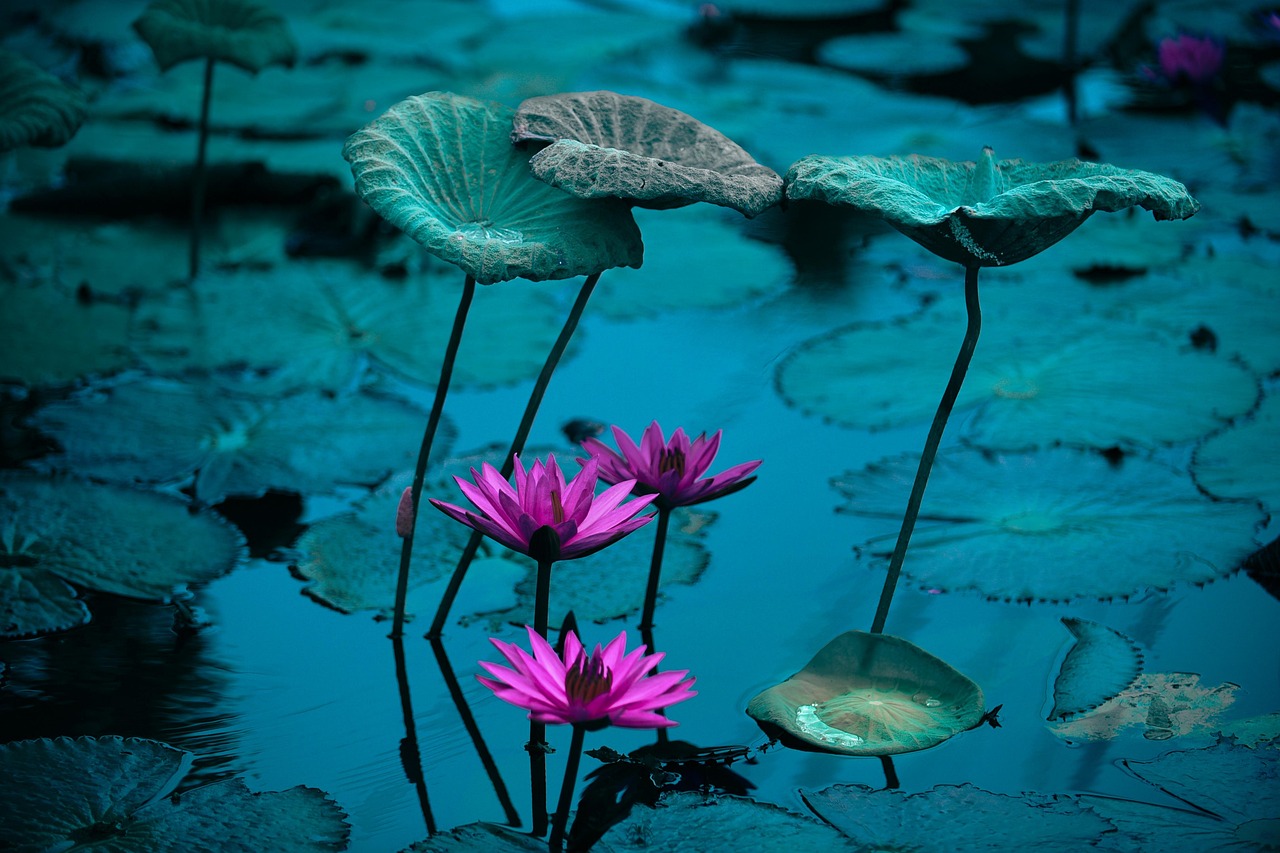
Benefits of Container Gardening in Tropical Climates
There are numerous benefits to gardening in containers, especially in tropical climates. For one, containers offer excellent drainage, which is crucial for tropical plants that can be sensitive to waterlogged soil. I’ve noticed that my plants thrive better when they’re not sitting in soggy dirt. Containers also allow for better mobility; I can easily relocate my plants to catch the best sunlight or protect them from harsh weather. Plus, they add a beautiful aesthetic touch to patios, balconies, and gardens. When I arranged my containers, I felt like I was creating my own little Eden, filled with color and life.
Common Tropical Plants for Container Gardens
When diving into the world of tropical container gardening, some plants stand out as favorites. Here are a few that I’ve found flourish in pots:
- Hibiscus: These gorgeous flowers bring a burst of color and are relatively easy to care for.
- Bird of Paradise: With its striking shape and bold colors, it truly feels like a piece of the tropics.
- Orchids: These elegant flowers add a touch of sophistication and can thrive in containers with the right care.
- Ferns: They provide lush greenery and are perfect for creating a tropical ambiance.
- Caladiums: With their stunning foliage, they are great for adding vibrant colors.
These plants not only beautify our spaces but also adapt wonderfully to container life. I’ve watched my hibiscus bloom continuously, and the sight never fails to lift my spirits!
Essential Watering Techniques
Deep Watering vs. Surface Watering
One of the first lessons I learned about watering my tropical plants is the difference between deep watering and surface watering. Surface watering is quick and easy; it’s what many of us instinctively do. However, I quickly realized that it often leaves the deeper roots thirsty. Deep watering, on the other hand, allows moisture to penetrate further into the soil, encouraging roots to grow deeper and stronger. I usually water slowly, allowing the soil to absorb the water before adding more, which ensures that my plants get the hydration they need. Read Interesting article: Watering Secrets for Lush Tropical Gardens Revealed!
How to Check Soil Moisture Levels
Checking soil moisture is an essential part of watering correctly. I often use my finger to poke about an inch into the soil. If it feels dry, I know it’s time to water. Alternatively, you can use a moisture meter, which I found particularly handy when I started gardening. It gives a quick reading of the soil’s moisture levels, so I can be sure I’m not over or under-watering my plants.
Watering Frequency: General Guidelines
In tropical regions, the heat can make plants thirsty quickly. I generally find that watering them once or twice a week is usually enough, but it really depends on your specific environment. Factors such as temperature, humidity, and wind can affect how often you need to water. I always recommend checking the soil moisture regularly, especially during the hotter months; this way, I can adjust my watering schedule accordingly. If you see your plants wilting, it’s a sign they need a drink.
Best Times to Water Your Tropical Plants
Timing can make all the difference when it comes to watering. Early mornings or late afternoons are the best times for me to water. During these cooler parts of the day, plants can absorb moisture more effectively, and there’s less evaporation. I’ve learned the hard way that watering during the hottest part of the day can lead to wasted water and stressed plants. So, I make it a routine to check on my garden in the mornings, which has become a delightful ritual for me.
Choosing the Right Watering Tools
Types of Watering Cans and Hoses
When it comes to watering my tropical container garden, I’ve learned that having the right tools can make a world of difference. I started with a simple watering can, and I quickly discovered how important its design is. A long spout helps me reach deep into my pots without splashing water everywhere, which can be a messy affair. I also appreciate using a can with a removable rose; it allows me to adjust the water flow. If I’m watering seedlings or delicate plants, a gentle shower is essential, while larger plants can handle a stronger stream.
For larger container gardens, I also use a garden hose. I went for a lightweight, kink-free hose that’s easy to maneuver around my patio. The convenience of a hose is truly invaluable when I need to water multiple pots quickly. I’ve found that having a hose with adjustable nozzles allows me to control the water pressure as well, which is especially useful for different types of plants. I recommend investing in tools that suit your gardening style and the specific needs of your plants; it really enhances the whole experience! Read Interesting article: Essential Watering Accessories for Thriving Tropical Gardens
Drip Irrigation Systems for Container Gardens
As my tropical garden grew, I realized that a drip irrigation system was a game changer for me. Initially, I thought they were only for larger gardens, but I found out they work beautifully for container gardens too! Setting up a drip system took a bit of research, but once I got the hang of it, it was worth every bit of effort. This system allows me to provide a consistent and efficient water supply directly to the roots of my plants, which is especially important in our hot, humid climate.
What I love most about drip irrigation is that it saves me time and reduces water waste. I can go about my day, knowing my plants are receiving the right amount of water without me constantly monitoring them. Plus, it helps prevent fungal issues caused by water splashing on the foliage. For anyone with a busy lifestyle or multiple containers, I highly recommend looking into drip irrigation; it’s a great investment that pays off with healthier plants and less hassle!
Benefits of Using a Soaker Hose
After experimenting with different watering methods, I discovered the joys of using a soaker hose. It’s a simple yet effective tool that slowly releases water directly into the soil, which I found to be particularly helpful in maintaining consistent moisture levels in my containers. I’ve used it during those hot summer days when the plants seem to dry out too quickly. Just laying the soaker hose on the soil surface allows me to water multiple pots at once while I sit back and relax.
A big advantage I noticed is that it reduces water evaporation, making it an eco-friendly option. I can run the soaker hose for an hour or two, and it deeply waters all my plants without the risk of over-saturation. It’s like giving my garden a gentle, soothing rain. If you haven’t tried a soaker hose yet, I highly recommend giving it a shot; it’s a low-maintenance solution that has added to my gardening success!
Water Quality and Temperature
Importance of Water Quality for Plant Health
I’ve come to understand that not all water is created equal when it comes to my tropical plants. The quality of water I use can significantly impact their health and growth. I remember in the beginning, I assumed tap water was perfectly fine. However, I noticed some of my plants seemed stressed over time. After a bit of research, I learned that certain chemicals in tap water, like chlorine and fluoride, can affect sensitive plants.
Now, I try to use rainwater whenever possible. It’s free, and I’ve noticed that my plants respond positively to it. I’ve set up a simple rain barrel to collect water, and it’s been a rewarding experience. Not only does it help me nurture my garden sustainably, but it also makes me feel more connected to nature. If you have the opportunity, consider testing your water quality and exploring ways to use better options for your plants!
Optimal Water Temperature for Tropical Plants
The temperature of the water I use has also become a consideration in my watering routine. I’ve learned that tropical plants prefer warm water, similar to the temperatures they’re used to in their natural environment. Water that’s too cold can shock the roots and hinder their ability to absorb moisture effectively. I often let my watering can or hose sit in the sun for a while before using it, so the water warms up a bit. This small adjustment has made a noticeable difference in how my plants respond after watering.
So, if you’re watering with cold water straight from the tap, you might want to rethink that approach. It’s a simple tweak, but ensuring that your water is at a comfortable temperature for your plants can lead to happier, healthier growth. I’ve found that my plants seem to perk up with this little bit of extra care!
Signs of Overwatering and Underwatering
Identifying Overwatered Plants
Overwatering can be one of the most common mistakes I’ve seen among tropical container gardeners, and I’ve definitely been guilty of it myself! When plants receive too much water, they can exhibit several signs of distress. One of the first indicators I noticed was wilting leaves, which sounds counterintuitive because you’d think they’d perk up with more water. Instead, overwatered plants often struggle to take in oxygen due to waterlogged soil.
Another sign is yellowing leaves. I remember seeing this on my bird of paradise and panicking, thinking it was a nutrient issue. After a bit of digging (not literally, of course!), I realized it was due to overwatering. If you ever find dark, mushy roots, or if the soil smells sour and feels soggy, it’s a clear sign to cut back on the watering. I made a mental note that letting my pots dry out slightly between waterings helped tremendously in avoiding these issues.
Signs Your Plants are Underwatered
On the flip side, underwatering can also sneak up on us, especially during those hot summer days. I’ve had my share of plants looking particularly droopy or crispy around the edges, which felt heartbreaking. One of the most noticeable signs is dry, curled leaves. It’s as if they’re begging for hydration! When I notice this, I know it’s time to give them a good drink.
Another thing I’ve learned to look out for is soil pulling away from the edges of the pot. This can happen when the soil dries out too much. It’s almost like a big warning sign that I need to step up my watering game. And of course, wilting can also occur with underwatered plants, but it’s important to differentiate it from overwatering. I often check the soil moisture first before jumping to conclusions; it’s a game-changer!
How to Revive Overwatered or Underwatered Plants
Reviving an overwatered plant can be a bit tricky but not impossible. The first step I take is to stop watering immediately. If the roots are mushy, I gently remove the plant from its pot and assess the damage. Sometimes, I need to trim away the rotten roots with clean scissors. Then, I repot it in fresh, dry soil, allowing it to breathe again. I’ve found that keeping it in a shady spot for a few days helps reduce stress before gradually reintroducing it to brighter light.
For underwatered plants, the process is a bit more straightforward. A thorough watering is often all it takes. I soak the pot until water drains from the bottom, ensuring that the entire root system gets hydrated. If the leaves have become crispy, I’ve learned to accept that not all of them will bounce back, but new growth often appears after a good drink. I also keep a close eye for the next few days, making sure not to let the soil dry out again too quickly.
Seasonal Watering Adjustments
How Weather Affects Watering Needs
The weather has a significant impact on how often I need to water my tropical container garden. I’ve noticed that during the rainy season, my plants require less frequent watering. Instead, I adjust my routine to monitor the weather closely. If it’s raining heavily, I skip watering altogether. But if we have dry spells, I find myself watering a little more often to compensate for the lack of rain.
On sunny, hot days with high humidity, my plants seem to drink up the water quickly. I’ve learned that paying attention to the weather patterns helps me keep my watering schedule in check. I usually check the forecast and adjust my watering accordingly, ensuring my plants remain healthy and vibrant.
Watering During the Rainy Season
During the rainy season, I’ve found it helpful to adjust my approach. Even though rain can be a blessing, it can also lead to overwatering if I’m not careful. I’ve learned to place pots in areas where they can still get some rain but not be completely drenched. For instance, I’ve moved some pots under eaves or overhangs to prevent constant waterlogging. I keep an eye on the soil moisture and only water if the soil feels dry to the touch after a rain.
It’s also a good idea to check drainage holes in the pots to ensure they aren’t clogged. I’ve had to clear a few out due to debris from heavy rains, which helped prevent water from pooling. This simple step can make a huge difference in keeping my plants thriving during the wetter months.
Adjusting Watering in Extreme Heat
Extreme heat can be a challenge for my tropical container garden, as plants can become dehydrated quickly. During heatwaves, I’ve found that watering more frequently, perhaps every couple of days, is necessary. I also tend to water in the early morning to help mitigate the intense heat of the day. This allows my plants to absorb moisture before the sun gets too hot.
Additionally, I sometimes use mulch around my pots to help retain moisture in the soil. I’ve seen how a layer of organic material can help reduce evaporation, which is particularly helpful when the temperatures skyrocket. Keeping an eye on my plants and adjusting my watering routine accordingly has definitely made a positive impact on their health and overall appearance.
Frequently Asked Questions
What is a Tropical Container Garden?
A Tropical Container Garden is a collection of plants that thrive in warm, humid conditions, all contained within pots or other types of containers. This allows for the enjoyment of tropical plants, even in non-tropical climates.
What are some common plants used in Tropical Container Gardens?
Some popular plants for tropical container gardens include hibiscus, bird of paradise, orchids, ferns, and caladiums. These plants adapt well to container life and add vibrant colors to the garden.
What is the difference between deep watering and surface watering?
Deep watering allows moisture to penetrate further into the soil, encouraging roots to grow deeper and stronger, while surface watering is quicker but may leave deeper roots thirsty.
How can I check soil moisture levels in my container garden?
You can check soil moisture by poking your finger about an inch into the soil. If it feels dry, it’s time to water. Alternatively, a moisture meter can provide a quick reading of soil moisture levels.
What is the best frequency for watering tropical plants?
In tropical regions, watering once or twice a week is usually sufficient, but it depends on factors like temperature, humidity, and wind. Regularly check soil moisture, especially during hotter months.
When is the best time to water tropical plants?
Early mornings or late afternoons are the best times to water, as plants can absorb moisture more effectively during these cooler parts of the day with less evaporation.
What tools are recommended for watering tropical container gardens?
Using a watering can with a long spout and removable rose is helpful for targeted watering. For larger gardens, a lightweight, kink-free garden hose with adjustable nozzles is also recommended.
What are the benefits of using a drip irrigation system for container gardens?
A drip irrigation system provides a consistent and efficient water supply directly to the roots of plants, saves time, reduces water waste, and helps prevent fungal issues caused by water splashing on foliage.
How can I identify if my plants are overwatered or underwatered?
Overwatered plants may show signs like wilting leaves, yellowing leaves, and dark, mushy roots, while underwatered plants often have dry, curled leaves and soil pulling away from the pot edges.
What adjustments should I make to watering during extreme heat?
During extreme heat, it’s important to water more frequently, possibly every couple of days, and to water early in the morning. Using mulch around pots can also help retain moisture in the soil.