
Foaming in a hot tub can disrupt your relaxation and indicate underlying issues. Common causes include surfactants from personal care products and imbalanced water chemistry. Understanding these factors is crucial for maintaining a clear, inviting hot tub experience.
Understand What Causes Foaming in a Hot Tub
Foaming in your hot tub can be annoying. It often comes from a mix of surfactants, contaminants, and water chemistry issues. Let’s dive into what causes this troublesome foam.

Common Surfactants That Cause Foaming
Surfactants are compounds that lower the surface tension of water. They make it easier for bubbles to form. Here are some common sources:
- Lotions and Oils: Body lotions, deodorants, and even sunscreen can introduce surfactants.
- Soaps and Detergents: Any soaps from swimsuits or spills can create foam.
- Food and Drinks: Sugary drinks, especially if spilled, can contribute to foaming and even attract bacteria.
Understanding these sources can help you take preventative measures.
How Contaminants Affect Surface Tension
When contaminants enter your hot tub, they can disrupt the balance of water chemistry. This leads to lower surface tension, making foam more likely. Here are some contaminants to watch for:
Table of Contents
- Organic Matter: Leaves, dirt, and even hair can act as surfactants.
- Total Dissolved Solids (TDS): High levels of TDS can also lead to foaming. Regularly check your TDS levels to keep things in check.
The Impact of Low Calcium Levels
Water hardness plays a crucial role in preventing foam. Low calcium levels can make your water too soft. This can lead to instability, increasing the chance of foaming. Here’s what to consider:
- Calcium Hardness: Aim for a calcium hardness level between 150-250 ppm. This helps maintain balance.
- Testing: Regularly test your water to ensure calcium levels are within the ideal range.
If you find yourself dealing with excessive foam, a quick fix is to use a hot tub defoamer. Products like Hot Tub Defoamer by Leisure Time can help reduce foam quickly while you address the underlying issues.
Identify Water Chemistry Imbalances

Maintaining balanced water chemistry is key to preventing foam in your hot tub. Here’s what you need to keep an eye on.
Essential Water Chemistry Parameters to Monitor
To keep your hot tub in tip-top shape, focus on these essential parameters:
- pH Level: Aim for a pH between 7.2 and 7.8. This range helps your sanitizer work effectively.
- Alkalinity: Keep total alkalinity between 80-120 ppm. This stabilizes your pH levels.
- Calcium Hardness: Ideally, calcium hardness should be between 150-250 ppm. This prevents water from becoming too aggressive or too soft.
How to Test Your Hot Tub Water Effectively
Testing your hot tub water is straightforward. Here’s a simple step-by-step guide:
1. Gather Supplies: Get a test kit or test strips designed for hot tubs.
2. Collect a Sample: Dip the test strip into the hot tub water or follow the kit’s instructions.
3. Read the Results: Compare the color on the strip or the kit to the provided chart.
4. Record Values: Write down your results to track changes over time.
Adjusting Chemical Levels for Balance
Once you’ve tested your water, you might need to make adjustments:
- For pH: If it’s too high, add a pH decreaser. If too low, use a pH increaser.
- For Alkalinity: Use an alkalinity increaser if it’s low. If too high, you may need to partially drain the tub and refill it.
- For Calcium Hardness: Add calcium chloride to raise levels if they’re low. If too high, again, a partial drain and refill may be necessary.
Regularly checking and adjusting these levels can help you avoid foam and keep your hot tub experience enjoyable.
Implement Effective Foam Management Techniques
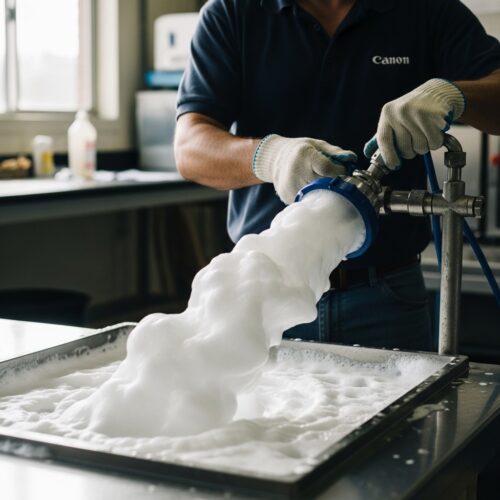
Foam in your hot tub can be a pesky problem, but there are effective ways to tackle it head-on. Let’s dive into some quick fixes and long-term strategies to keep that foam at bay.
Using a Hot Tub Defoamer Effectively
If foam is already swirling around in your hot tub, a defoamer can be your best friend. Here’s how to use it effectively:
1. Choose the Right Product: Look for a silicone-based defoamer, like Hot Tub Defoamer by Leisure Time. It works quickly to break down foam.
2. Apply While Jets Are Running: Turn on your hot tub jets before application. This helps distribute the defoamer evenly.
3. Follow the Instructions: Check the product label for the recommended dosage. Too little won’t work, and too much might not be necessary.
Keep in mind, while defoamers provide immediate relief, they don’t solve the underlying issue.
Cleaning Your Hot Tub Filter
A dirty filter can contribute to foaming by allowing contaminants to circulate. Regular cleaning is key. Here’s a simple routine:
- Remove the Filter: Take it out according to your hot tub’s manual.
- Rinse Thoroughly: Use a garden hose to remove debris and buildup.
- Soak in Cleaner: If necessary, soak your filter in a filter cleaner for a deeper clean. Follow the instructions on the cleaner.
- Rinse Again: After soaking, rinse the filter until no cleaner residue remains.
- Reinstall: Once dry, put the filter back in place.
A clean filter helps maintain water balance and reduces foaming.
When to Drain and Refill Your Hot Tub
Sometimes, the best solution is a fresh start. If foam persists after using a defoamer and cleaning your filter, it might be time to drain and refill your hot tub. Here’s a quick checklist to help:
- Check Water Chemistry: If your water chemistry is consistently off, draining may be necessary.
- Look for Buildup: High levels of total dissolved solids (TDS) can lead to foam. If TDS is over 1500 ppm, consider draining.
- Frequency of Use: If you’ve had many guests or heavy use, it might be time for a refresh.
Draining and refilling your hot tub allows you to start fresh with clean water, making it easier to manage foam in the future.
Use Preventative Maintenance Strategies

Keeping your hot tub clean and balanced is key to preventing foam. A consistent maintenance routine will help you enjoy clear water and a relaxing experience.
Creating a Cleaning Schedule
Establish a regular cleaning routine. This keeps your hot tub in top shape and reduces foam. Here’s a simple checklist:
- Weekly:
- Test water chemistry using test strips.
- Shock the water to break down oils and contaminants.
- Clean the filter to remove debris and buildup.
- Monthly:
- Deep clean the hot tub surfaces.
- Check and balance pH, alkalinity, and calcium hardness.
- Inspect and clean jets and plumbing for any buildup.
- Every 3-4 Months:
- Replace water to refresh the hot tub.
- Inspect and replace any worn-out filter cartridges.
Best Practices for Bathers Before Entering
What you do before hopping in matters too! Here are effective practices to minimize foam:
- Shower First: Rinse off any lotions, soaps, or sweat. This simple step can keep contaminants out of your hot tub.
- Choose Swimwear Wisely: Avoid suits that have been washed with fabric softeners or detergents. These can leave behind surfactants.
How to Avoid Introducing Contaminants
Preventing contaminants is crucial for maintaining water quality. Here are some tips:
- Limit the Use of Personal Care Products: Try to avoid heavy lotions, oils, and perfumes before using the hot tub.
- Use a Defoamer: If foam does form, a defoamer can quickly reduce the bubbles. It’s a quick fix but remember, prevention is better!
- Educate Bathers: Make sure everyone using the hot tub knows the importance of cleanliness. Share your cleaning schedule and best practices to keep everyone on board.
By following these preventative maintenance strategies, you reduce the chances of foam forming in your hot tub. Keeping an eye on cleanliness and water chemistry is essential for a relaxing soak!
Address External Contaminants and Their Impact
Foam in your hot tub can often be traced back to external contaminants. Understanding these sources helps you keep your soak relaxing and bubble-free. Let’s dive into some common culprits and how to minimize their impact.
Common Personal Care Products That Cause Foam
Many personal care items introduce surfactants into your hot tub water. These surfactants lower the surface tension of water, making it easier for bubbles to form. Here’s a list of common offenders:
- Body Lotions: Oils and moisturizers can linger on your skin and end up in the hot tub.
- Sunscreens: Many contain oily ingredients that contribute to foaming.
- Hair Products: Conditioners and styling gels can wash off and create foam.
- Deodorants: Some contain waxy substances that can also foam up in hot water.
How to Rinse Off Before Using the Hot Tub
A quick rinse can save you from a foamy disaster. Here’s how to do it effectively:
1. Use Plain Water: Rinse your body without soap. This removes lotions, oils, and other foaming agents.
2. Swimwear Prep: Designate a swimsuit just for hot tub use. Rinse it with water only; avoid detergent and fabric softeners.
3. Shower Before Soaking: A thorough shower helps wash away any remnants of personal care products.
Understanding the Role of Beverages and Food
Believe it or not, what you consume can also contribute to hot tub foam. Here’s how:
- Food Residue: Eating before a soak might leave crumbs or oily residues in the water.
- Beverages: Drinks can spill, introducing sugars and other contaminants that contribute to foaming.
By being mindful of these external contaminants, you can significantly reduce the chances of foam forming in your hot tub. Keep your water clean and your soak enjoyable!
Troubleshoot Common Foam Issues
Foaming in your hot tub can be a nuisance, but don’t worry! Here are some common foam-related problems and effective troubleshooting steps to tackle them.
Identifying Signs of Foam Issues
Foam can appear for various reasons. Here are some signs that foam might be a problem in your hot tub:
- Excessive Bubbles: Notice more bubbles than usual? This is a clear sign.
- Persistent Foam: Does the foam stick around even when the jets are off? That’s a red flag.
- Foam Color: If the foam has a strange color or odor, it could mean contaminants are at play.
Step-by-Step Troubleshooting Guide
1. Test Water Chemistry: Use a test kit to check pH, alkalinity, and sanitizer levels. Aim for:
- pH: 7.2 – 7.8
- Alkalinity: 80 – 120 ppm
- Sanitizer: 3 – 5 ppm for chlorine
2. Drain and Refill: If your TDS (Total Dissolved Solids) is high, draining and refilling the hot tub can help. Consider doing this every 3-4 months.
3. Shock the Water: Use a chlorine-free shock weekly to break down oils and lotions. This will help keep foam at bay.
4. Clean the Filters: Clogged filters can trap debris, leading to foam. Clean or replace filters regularly.
5. Check for Contaminants: Look for personal care products or food residues that might have made their way into the water. A quick shower before entering can help minimize this.
6. Use Defoamer: If you’re in a pinch, a defoamer can provide a temporary fix. Just remember, it doesn’t solve the root cause.
When to Seek Professional Help
If you’ve tried everything and foam persists, it might be time to call in the pros. Here are some signs that professional help is needed:
- Persistent Foam: Foam continues to return despite regular maintenance.
- Unusual Water Color or Odor: Strange colors or smells could indicate a serious issue.
- Water Chemistry Problems: If balancing your water chemistry feels like a losing battle, a professional can help.
By following these troubleshooting steps, you can effectively manage and prevent foaming in your hot tub. Happy soaking!
Explore Alternative Solutions and Treatments
If you’re looking for ways to tackle foaming in your hot tub without relying solely on chemicals, you’re in the right place. Let’s dive into some natural remedies and compare them to chemical treatments.
Natural Remedies for Reducing Foam
There are several natural methods you can try to reduce foam in your hot tub. Here are a few:
- Epsom Salt: Adding Epsom salt can help balance water chemistry and reduce foam. It helps with magnesium levels and can improve overall water quality.
- Baking Soda: This household staple can help stabilize pH levels. A balanced pH can minimize foam production caused by surfactants.
- Vinegar: A small amount of vinegar can act as a natural clarifier. It can help break down oils and other contaminants that contribute to foaming.
Comparing Chemical Treatments vs. Natural Alternatives
Both chemical treatments and natural remedies have their pros and cons. Here’s a quick comparison:
| Method | Pros | Cons |
|---|---|---|
| Chemical Treatments | Fast-acting; targeted solutions | May have side effects; can be harsh on water |
| Natural Remedies | Gentle on water; safer for users | May take longer to see results; less effective for heavy foaming |
It’s important to consider what works best for your hot tub and your comfort level with various treatments.
Pros and Cons of Each Method
Understanding the benefits and drawbacks of your options can help you make the best decision.
- Chemical Treatments:
- Pros: Quick results, effective against heavy foam, easy to apply.
- Cons: Could lead to chemical buildup, might require additional balancing of water chemistry.
- Natural Remedies:
- Pros: Non-toxic, often cheaper, can support overall water quality.
- Cons: May be less effective for severe foaming issues, results can vary.
Next time you’re faced with foaming, you now have a toolbox of alternative solutions to consider!
Final Tips for a Foam-Free Hot Tub Experience
Keeping your hot tub foam-free is all about regular maintenance and understanding your water chemistry. Here are some key strategies to ensure a clean and enjoyable soak.
Summary of Key Foam Prevention Strategies
1. Regular Water Testing: Test your water chemistry weekly. Look for pH, alkalinity, calcium hardness, and total dissolved solids (TDS). Keeping these levels balanced helps prevent foam.
2. Drain and Refill: Every 3-4 months, drain your hot tub and refill it with fresh water. This reduces contaminants and surfactants that can cause foaming.
3. Use Quality Chemicals: Invest in good sanitizers and shock treatments to keep your water clean. Avoid personal care products that can introduce unwanted surfactants.
4. Clean Filters Regularly: Maintain your hot tub filters. A clogged filter can contribute to foam. Clean or replace them as needed.
Long-Term Maintenance Tips
- Weekly Maintenance: Dedicate a few minutes each week to check and adjust chemical levels. Keeping a schedule ensures you won’t forget.
- Deep Clean Monthly: Use a hot tub cleaning kit monthly. This includes a line flush and filter cleanse to keep your system in top shape.
- Monitor Usage: If you have frequent guests or parties, increase your maintenance routine temporarily. More users mean more contaminants.
Common Pitfalls to Avoid
- Neglecting Water Chemistry: Don’t assume your water is fine just because it looks clear. Regular testing is essential.
- Overusing Foam Removers: While foam removers can offer quick relief, they don’t fix the underlying problem. Use them sparingly and focus on prevention.
- Ignoring Signs of Imbalance: Watch for signs like cloudy water or excessive foam. These indicate issues with your water chemistry that need addressing.
By following these tips, you’ll be well on your way to enjoying a foam-free hot tub experience!
Frequently Asked Questions
These quick answers cover the most common questions about this topic, including key details, practical tips, and common concerns.
How to get rid of foam in your hot tub?
Use a hot tub-specific defoamer product, such as silicone-based solutions, and apply it while jets are running. This provides quick relief by breaking down existing foam. For persistent foam, clean or replace your filter and check water chemistry levels. Draining and refilling the hot tub can also remove accumulated contaminants causing foam.
Why put tennis balls in a hot tub?
Some people place tennis balls in the hot tub to absorb oils, lotions, and other surfactants that contribute to foaming. The soft material helps trap oils before they circulate, reducing foam formation. However, this is a temporary measure; regular cleaning and water chemistry balance are more effective long-term.
Is it bad if your hot tub is foaming?
Foaming isn’t inherently dangerous, but it indicates water chemistry imbalance or contamination. Excessive foam can reduce sanitizer effectiveness and lead to cloudy water or skin irritation. Addressing the root cause, like balancing water chemistry and removing contaminants, is essential for safe, enjoyable hot tub use.
Will shocking a hot tub get rid of foam?
Shocking your hot tub with a non-chlorine or chlorine shock helps break down oils, lotions, and organic matter that cause foam. Regular shocking (about once a week) can prevent foam buildup and improve overall water quality. It’s an effective step in maintenance routines to keep foam at bay.
How often should I test my hot tub water?
Test your hot tub water at least once a week. Regular testing ensures proper pH, alkalinity, calcium hardness, and sanitizer levels. Maintaining balanced water chemistry prevents foam, cloudiness, and other issues. More frequent testing is recommended after heavy use or if problems arise.
Can I use regular soap in a hot tub?
No, regular soap or body wash should never be used in a hot tub. These products contain surfactants that cause excessive foaming and can damage your hot tub’s equipment. Always use products specifically designed for hot tubs or spa water maintenance.
What should I do if my hot tub water smells bad?
A foul odor often indicates bacterial growth, organic contamination, or chemical imbalance. Shock the water with a sanitizer, clean the filter, and test water chemistry. Regular maintenance and proper sanitation prevent bad smells and ensure a fresh, inviting hot tub.
What are the best ways to prevent foam in a hot tub?
Maintain proper water chemistry by regularly testing and balancing pH, alkalinity, and calcium hardness. Shower before use to remove lotions and oils. Clean filters frequently and drain/refill every 3-4 months. Using a defoamer as needed and avoiding personal care products in the hot tub also help prevent foam.