
If you’re dealing with tree sprouts in your yard, you’re not alone. These unwanted growths can quickly take over your lawn, but removing them is achievable with the right techniques. This guide outlines ten effective methods to eliminate tree sprouts and maintain a healthy yard.
Understanding Tree Sprouts and Their Origins
Tree sprouts can be a bit of a headache for homeowners. These little shoots appear in lawns and can quickly become a nuisance. Let’s break down what tree sprouts are and where they come from.
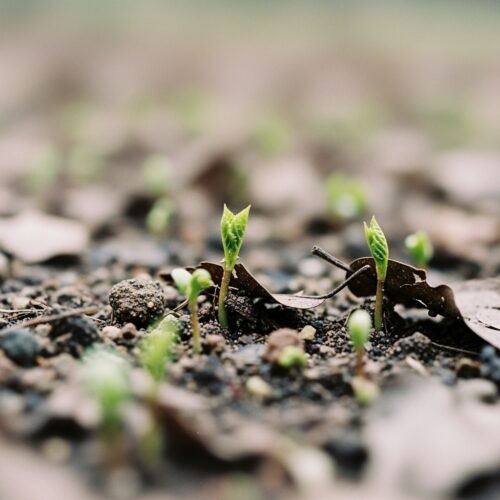
Defining Tree Sprouts, Seedlings, and Root Sprouts
Tree sprouts, also known as suckers, are small shoots that grow from the roots or trunks of trees. They often emerge when a tree is stressed or damaged, as a survival tactic. Here’s a quick rundown of the different types:
- Tree Sprouts: General term for unwanted shoots from trees.
- Seedlings: Young plants that grow from seeds. They sprout up if seeds fall from nearby trees.
- Root Sprouts: These come from the tree’s root system and can pop up away from the parent tree.
Knowing the difference can help you manage them better.
Common Tree Species That Produce Sprouts
Certain trees are notorious for sprouting. Here are a few to watch out for:
Table of Contents
- Willows: Known for their aggressive growth habits.
- Poplars: They can quickly spread through root systems.
- Cottonwoods: These trees often produce many sprouts around their base.
If you have any of these trees nearby, expect to see more sprouts in your yard.
Environmental Factors Contributing to Sprouting
Several factors can lead to the appearance of tree sprouts:
- Tree Health: A stressed tree may produce more sprouts as a way to survive.
- Soil Conditions: Poor soil health can trigger sprouting.
- Weather Patterns: Unusual weather can stress trees, leading to more shoots.
By understanding these factors, you can better manage your yard and keep those pesky sprouts at bay.
Manual Removal Techniques for Tree Sprouts
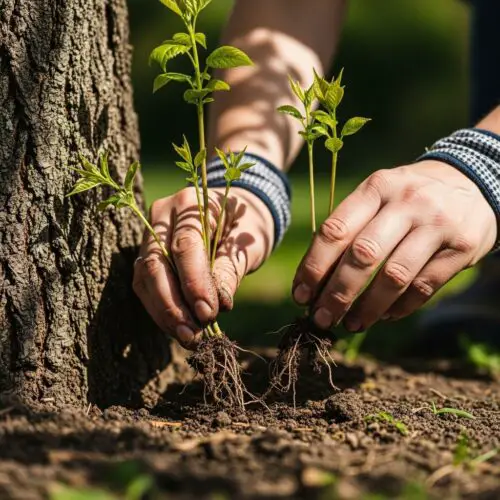
Getting rid of tree sprouts can be a breeze with the right manual removal techniques. Hand-pulling and digging them out can be effective, especially if done at the right time.
Step-by-step guide to hand-pulling tree sprouts
1. Identify the Sprouts: Look for small, green shoots emerging from the ground. Make sure they are tree sprouts and not just weeds.
2. Moisten the Soil: Water the area a day before removal. This softens the soil and makes pulling easier.
3. Grab the Base: Use your fingers to grasp the sprout close to the ground.
4. Pull Gently but Firmly: Pull straight up while applying steady pressure. If it resists, wiggle it slightly to loosen the roots.
5. Check for Roots: After pulling, check to see if any roots remain. If you see any, you may need to dig them out.
Using tools for digging out deeper roots
Sometimes, tree sprouts have deeper roots that hand-pulling just can’t tackle. Here’s how to use tools effectively:
- Choose the Right Tools: Use a trowel or a garden fork for digging. A shovel can work for larger sprouts.
- Loosen the Soil: Dig around the base of the sprout to loosen the soil. Make sure to dig a few inches deep.
- Remove the Sprout: Once the soil is loose, grab the sprout and pull it upward. Make sure to get as much of the root as possible.
- Fill the Hole: After removal, fill the hole with soil to prevent other plants from taking root.
Timing and conditions for manual removal
The timing of your removal efforts can make a huge difference. Here’s what to keep in mind:
- Best Time: Spring or early summer is ideal when sprouts are young and the soil is moist.
- Soil Conditions: Aim for a day after rain or after watering your lawn. Soft soil helps in pulling out roots more effectively.
- Weather Considerations: Choose a cloudy day or early morning to avoid the heat of the sun. This keeps both you and the soil cooler.
Checklist for effective manual removal
- [ ] Identify tree sprouts.
- [ ] Water the area a day before.
- [ ] Gather necessary tools (trowel, fork, gloves).
- [ ] Remove sprouts during optimal weather.
- [ ] Check for remaining roots after removal.
Using these manual removal techniques, you can keep your yard free from those pesky tree sprouts!
Chemical Solutions to Eliminate Tree Sprouts

If you’re looking for a more hands-off approach to tackle tree sprouts, chemical solutions can be a great option. Systemic herbicides, in particular, can effectively target those pesky sprouts and prevent them from coming back.
Types of Herbicides Suitable for Tree Sprouts
There are two main types of herbicides you can consider:
- Selective Herbicides: These target specific plants without harming your grass. They’re ideal for small areas with tree sprouts.
- Non-Selective Herbicides: These kill all plants they touch. Use them with caution, as they can damage your lawn.
For tree sprouts, systemic herbicides are often the most effective. They penetrate the plant and travel down to the roots, killing the entire sprout. Common options include glyphosate and triclopyr.
Application Techniques for Maximum Effectiveness
To get the most out of your herbicide, follow these guidelines:
1. Timing: Apply during the growing season, preferably when sprouts are young and actively growing.
2. Direct Application: Use a brush or sponge to apply herbicide directly onto the leaves and stems of the sprouts. This minimizes the impact on surrounding plants.
3. Weather Conditions: Choose a calm day to prevent drift. Ideally, apply during overcast conditions to avoid evaporation.
4. Follow Instructions: Always read the label for specific application rates and safety precautions.
Risks and Precautions When Using Chemicals
Using herbicides comes with some risks that you should keep in mind:
- Harm to Desired Plants: Non-selective herbicides can damage your lawn or nearby garden plants, so be cautious with your application.
- Environmental Impact: Consider using eco-friendly options when possible. Natural herbicides can be effective without the harsh chemicals.
- Personal Safety: Wear gloves and a mask when handling chemicals. Protect yourself from potential skin or respiratory irritation.
Checklist for Using Herbicides
- [ ] Identify the type of tree sprout.
- [ ] Choose the right herbicide (selective vs. non-selective).
- [ ] Apply during the appropriate season.
- [ ] Use direct application techniques.
- [ ] Follow safety instructions and precautions.
By using these chemical solutions wisely, you can keep your yard free from tree sprouts without too much hassle!
Natural Remedies for Controlling Tree Sprouts
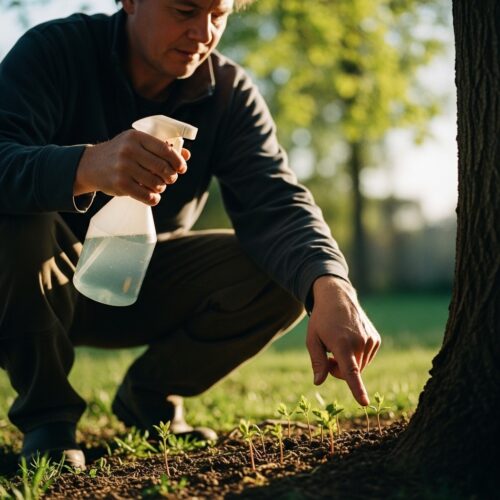
If you want to tackle tree sprouts without the chemicals, there are plenty of eco-friendly options! These natural remedies can help you keep your yard looking tidy while being gentle on the environment.
Common Natural Products That Inhibit Sprout Growth
1. Vinegar: It’s not just for salads! Vinegar is a strong acid that can kill sprouts on contact. Spray undiluted vinegar directly onto the leaves for best results.
2. Salt: A saltwater solution can effectively dry out tree sprouts. Mix salt with water in a spray bottle and apply it directly to the sprouts. Just be cautious, as too much salt can harm the soil.
3. Lemon Juice: The acidity in lemon juice works similarly to vinegar. Spray it on the sprouts to stop them in their tracks.
4. Boiling Water: This is a simple yet effective method. Pouring boiling water over tree sprouts will cook them right away!
DIY Solutions for Homeowners
- Mulching: Covering the area with mulch can smother young sprouts and prevent them from getting enough sunlight. It’s also great for your soil!
- Hand Pulling: For smaller sprouts, simply pulling them out by the roots can be effective. Make sure to get as much of the root as possible to prevent regrowth.
- Cover Crops: Planting cover crops can outcompete tree sprouts for nutrients and space. They help keep your yard healthy while keeping those pesky sprouts at bay.
Effectiveness of Natural Methods Compared to Chemicals
Natural methods can be slower to show results compared to chemical herbicides. However, they are safer for your family, pets, and the environment.
- Pros of Natural Methods:
- Safe for pets and kids
- Environmentally friendly
- Often cost-effective
- Cons of Natural Methods:
- May require repeated applications
- Effectiveness can vary based on conditions
Using natural remedies can be a great way to maintain a healthy yard while keeping it free from tree sprouts. Just remember, consistency is key!
Preventive Measures to Avoid Tree Sprout Growth
Preventing tree sprouts from invading your yard is all about being proactive. A little care can go a long way in keeping those unwanted saplings at bay. Here are some effective strategies to help you maintain a healthy lawn.
Importance of Proper Lawn Care
A well-maintained lawn is your first line of defense against tree sprouts. Here’s how you can keep your grass thick and healthy:
- Regular Mowing: Keep your grass mowed at the right height. This helps shade out tree seeds that might want to germinate.
- Fertilization: Use a balanced fertilizer to promote strong grass growth. Healthy grass can outcompete tree sprouts for water and nutrients.
- Watering: Ensure your lawn gets enough water, but avoid overwatering. A robust root system will help your grass thrive.
Regular Tree Pruning to Reduce Sprouts
If you have trees nearby, regular pruning is key. Trim back branches that hang over your lawn. This reduces the number of seeds that can fall and sprout.
- Timing: Late winter or early spring is ideal for pruning. This way, you minimize the risk of saplings appearing in the growing season.
- Focus on Problematic Trees: Some species, like willows or cottonwoods, tend to sprout more. Keep an eye on these and prune them more frequently.
Improving Soil Health to Discourage Sprouting
Healthy soil can discourage tree sprout growth. Here’s what you can do:
- Aeration: Aerate your lawn to improve air and nutrient flow to the roots. This encourages a dense grass cover, which can shade out tree seeds.
- Organic Matter: Add compost or organic mulch to enrich the soil. This not only improves health but also helps retain moisture.
- pH Levels: Test your soil pH. Most grasses thrive in a pH between 6.0 and 7.0. Adjusting the pH can lead to better grass growth.
Quick Lawn Maintenance Checklist
- Mow regularly: Keep grass at the proper height.
- Fertilize: Use a balanced fertilizer seasonally.
- Water adequately: Maintain soil moisture without overwatering.
- Prune trees: Trim back branches regularly.
- Aerate soil: Do this at least once a year.
- Add organic matter: Use compost to enrich soil.
- Test soil pH: Adjust as necessary for optimal growth.
By following these preventive measures, you can significantly reduce the likelihood of tree sprouts appearing in your yard. Consistent lawn care not only enhances your yard’s beauty but also keeps those pesky saplings in check.
Identifying Common Mistakes in Tree Sprout Management
Managing tree sprouts can be tricky. Homeowners often make mistakes that can lead to more sprouting. Let’s break down some common errors and how to avoid them.
Over-cutting Sprouts and Encouraging Regrowth
One common mistake is over-cutting tree sprouts. When you cut them too short, you can actually stimulate growth. The sprout responds by pushing out more shoots. Instead, aim to cut them at the base, just above the ground. This method weakens the root system and makes it harder for them to regrow.
Ignoring the Root System When Removing Sprouts
Another frequent error is neglecting the root system. If you only remove the visible part of the sprout, you’re setting yourself up for failure. The roots can regenerate the sprout quickly. Always dig deep to remove as much of the root as possible. This increases your chances of a successful removal.
Improper Timing in Removal Methods
Timing matters when it comes to getting rid of tree sprouts. Many homeowners wait too long to act. The best time to remove sprouts is early in the growing season, before they establish a strong root system. If you’re using herbicides, apply them during the active growing season for the best results.
Checklist of Common Mistakes
- Cutting too short: Avoid cutting sprouts low to the ground.
- Ignoring roots: Remove the entire root system, not just the visible sprout.
- Timing errors: Remove sprouts early in the growing season.
- Using incorrect methods: Choose the right technique for your specific situation, whether manual removal or herbicides.
By avoiding these mistakes, you can effectively manage tree sprouts and keep your yard looking its best.
When to Seek Professional Help for Tree Sprouts
Sometimes, dealing with tree sprouts can feel overwhelming. If you notice a significant sprouting issue or if the sprouts are from a particular tree species, it might be time to call in the pros. Here are some scenarios where a professional assessment can be beneficial.
Signs that tree sprouts are overwhelming your lawn
1. Extensive Growth: If you see clusters of sprouts taking over large areas, it may indicate a deeper issue with the tree or soil.
2. Multiple Species: Different types of tree sprouts can indicate various problems. Professionals can help identify and address these.
3. Root Damage Concerns: If you’re unsure how to remove sprouts without harming the parent tree, it’s best to seek expert advice.
Benefits of professional assessment and treatment
- Expert Diagnosis: Professionals can accurately assess the health of your trees and determine if the sprouts are a sign of a larger problem, like disease.
- Tailored Strategies: They can provide specific removal techniques and suggest preventive measures tailored to your yard.
- Safety: If you’re dealing with toxic or invasive species, professionals can handle them safely.
Cost considerations for professional services
- Initial Consultation: Expect to pay for an initial assessment. Costs can vary based on location and tree type.
- Ongoing Care: If the problem is widespread, you might need ongoing maintenance, which can add to costs.
- DIY vs. Professional: Weigh the cost of hiring a professional against potential damage to your lawn. Sometimes, the investment is worth it!
Here’s a quick decision framework to help you decide:
| Scenario | Action |
|---|---|
| Sprouts are multiplying rapidly | Hire a professional |
| Unsure how to remove without harm | Consult an expert |
| Just a few isolated sprouts | Try DIY methods first |
By considering these factors, you can make an informed decision about whether to tackle tree sprouts on your own or call in the experts.
The Role of Tree Species in Sprouting Behavior
Different tree species have unique sprouting behaviors. Some are notorious for producing sprouts, while others are less prolific. Understanding these differences helps you manage tree sprouts effectively in your yard.
Tree Species Known for Prolific Sprouting
Certain tree species are famous for their sprouting habits. Here are a few that you might encounter:
- Willows: Known for their rapid growth, willows can produce numerous sprouts, especially if they are stressed or damaged.
- Poplars: These trees often sprout from their roots, making them a challenge to control.
- Cottonwoods: Similar to poplars, cottonwoods can generate many sprouts in a short time.
Comparison of Sprouting Tendencies Among Species
Not all trees sprout at the same rate. Here’s a quick comparison:
| Tree Species | Sprouting Frequency | Notes |
|---|---|---|
| Willows | High | Sprouts rapidly in moist conditions |
| Poplars | Moderate to High | Root sprouts can be aggressive |
| Oaks | Low | Generally less prone to sprouting |
| Maples | Moderate | Can sprout from cut stumps |
Long-Term Impacts of Specific Species on Lawn Health
Different species can affect your lawn’s health in various ways. For example:
- Willows and Cottonwoods: Their extensive root systems can compete for nutrients, leading to a less healthy lawn.
- Oaks: While they sprout less often, their deep roots can help improve soil structure.
Understanding these impacts allows you to make informed decisions about managing tree sprouts in your yard. If you notice excessive sprouting, consider the tree species involved. This knowledge can guide your removal strategies and help maintain a healthy lawn.
Effective Timing for Sprout Removal and Treatment
Timing is everything when it comes to tackling tree sprouts. Knowing when to act ensures you get the best results with your removal methods. Here’s a guide to help you manage those pesky sprouts effectively throughout the year.
Optimal Seasons for Manual Removal
Manual removal is most effective during the spring and fall. Here’s why:
- Spring: As the weather warms up, sprouts are just starting to emerge. This is the perfect time to dig them up before they establish stronger roots.
- Fall: Before the first frost, you can target those sprouts that have grown over the summer. The roots are often weaker, making them easier to pull out.
Tip: Always remove sprouts when the soil is moist, as this makes digging easier.
Best Timing for Herbicide Application
Using herbicides can be a powerful tool against tree sprouts. The timing for this method is crucial:
- Early Spring: Apply a pre-emergent herbicide before sprouts begin to grow. This prevents new ones from appearing.
- Late Summer to Early Fall: If you notice sprouts later in the season, use a systemic herbicide. It’s most effective when the sap is flowing down to the roots, which happens as trees prepare for winter.
Checklist for Herbicide Use:
- Choose a calm day to prevent drift.
- Follow the manufacturer’s instructions carefully.
- Avoid applying before rain, which can wash away the treatment.
Monitoring Sprouts Throughout the Year
Keep an eye on your yard year-round. Regular monitoring can save you time and effort:
- Early Spring: Check for new sprouts as they start to emerge.
- Mid-Summer: Look for any regrowth or new sprouts throughout the season.
- Fall: Assess your lawn for any late-season sprouts before winter hits.
By staying vigilant, you can catch tree sprouts early and manage them before they become a bigger problem. This proactive approach will help keep your lawn healthy and attractive.
Conclusion: Maintaining a Healthy Lawn Free of Tree Sprouts
Keeping your yard free of tree sprouts is essential for a healthy lawn. It requires a mix of proactive measures and regular monitoring. Let’s recap what you need to know.
Key Takeaways on Tree Sprout Management
- Identify Sprouts Early: Recognize tree sprouts by their thick stems and distinct leaves. Catching them early makes removal easier.
- Removal Techniques: You can manually pull out sprouts, use herbicides carefully, or apply natural methods like vinegar. Each method has its pros and cons.
- Prevention is Key: Maintain a dense, healthy lawn. Regular mowing, fertilization, and watering can prevent tree seeds from germinating.
- Avoid Common Mistakes: Don’t ignore small sprouts thinking they’ll go away. They can quickly become a bigger issue.
Practical Tips for Ongoing Management
- Monitor Year-Round: Keep an eye on your lawn in early spring for new growth. Check again in summer and fall for any late-season sprouts.
- Create a Maintenance Checklist:
- Regular mowing and watering schedule.
- Check for nearby trees that might be producing seeds.
- Apply pre-emergent herbicides as needed in early spring.
- Know When to Seek Help: If tree sprouts persist or if they indicate a problem with the parent tree, consider consulting a professional. An arborist can provide tailored advice for your situation.
By staying proactive and informed, you can keep your yard looking great and free of unwanted tree sprouts!
Frequently Asked Questions
These quick answers cover the most common questions about this topic, including key details, practical tips, and common concerns.
What month do trees sprout?
Tree sprouting typically occurs in early spring, around March to May, depending on your climate and tree species. Warm temperatures and increased moisture stimulate growth. Some species, like willows and poplars, may sprout earlier, while others wait until later in spring.
What kills tree saplings naturally?
Natural methods include applying vinegar, saltwater solutions, or boiling water directly onto the sprouts. Mulching around the area can also suppress germination. Regular hand-pulling of young saplings is effective if done early. These approaches are eco-friendly and safe for your lawn.
What kills a tree stump quickly?
To kill a stump quickly, use a systemic herbicide like glyphosate or triclopyr. Apply it directly to freshly cut or exposed wood, preferably during the growing season. Alternatively, physical methods like grinding or burning can remove stumps faster but may require professional help and safety precautions.
How to stop tree sprouts naturally?
You can stop tree sprouts naturally by removing them manually, applying vinegar or lemon juice directly to the shoots, or covering the area with mulch to block sunlight. Regular maintenance, such as pruning and healthy lawn care, also discourages sprouting over time.
Can tree sprouts harm my lawn?
Yes, tree sprouts can compete with your grass for nutrients and water, leading to thinning or patchy lawns. They may also introduce invasive root systems that damage your yard’s structure. Removing them helps maintain a healthy, lush lawn.
How often should I check for tree sprouts?
Check your yard every 4 to 6 weeks during the growing season, especially in spring and early summer. Regular inspections allow you to catch and remove new sprouts early, preventing them from establishing strong roots.
What are the best practices for lawn maintenance to prevent tree sprouts?
Maintain a thick, healthy lawn through proper mowing, fertilization, and watering. Prune nearby trees regularly to reduce seed drop and sprout production. Aerate and enrich soil to promote strong grass growth, which outcompetes unwanted shoots.
Is it safe to use herbicides around pets?
Many herbicides contain chemicals that can be harmful to pets. Always read the label and follow safety instructions. Consider using natural remedies like vinegar or manual removal if you have pets, and keep pets away during chemical application.
What should I know about environmental factors affecting sprouting?
Soil health, moisture levels, and weather patterns influence sprouting. Poor soil or stressed trees tend to produce more sprouts. Moist, warm conditions encourage growth, while drought or soil compaction can suppress it. Understanding these factors helps in planning effective control strategies.
What should I know about detailed identification guides with images?
Visual aids, such as pictures of tree sprouts, help distinguish them from weeds or other plants. Look for characteristics like thick stems, specific leaf shapes, and growth patterns. Proper identification ensures you use the right removal method and avoid damaging desirable plants.