
Creating a tropical garden in containers is an exciting way to bring vibrant greenery into your space. However, keeping pests at bay can be a real challenge. Let’s explore how to protect your precious plants from these pesky invaders.
Table of Contents
Understanding Common Pests in Tropical Gardens
As I dived into the world of container tropical gardening, I quickly learned that pests can be a gardener’s worst nightmare. Understanding what you’re up against is the first step in protecting your plants. Tropical gardens, especially those in containers, can attract a variety of pests that thrive in warm, humid environments. Knowing which pests are common can save you a lot of heartache down the line.
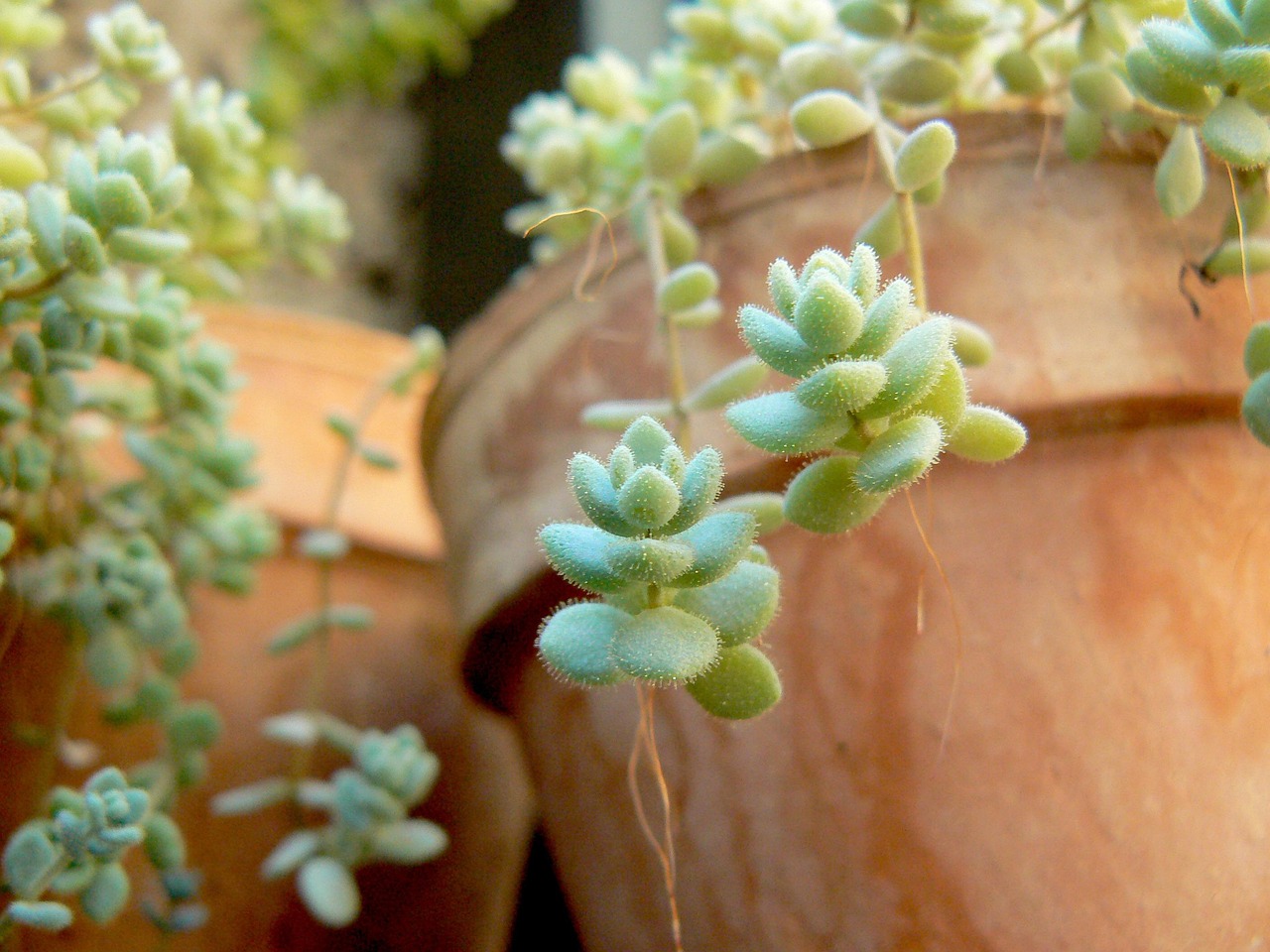
Types of Pests Affecting Container Gardens
There are several types of pests that often target tropical container gardens. I remember the first time I spotted aphids on my beloved hibiscus. These tiny, green insects can multiply rapidly and siphon off nutrients from the plant, leading to stunted growth. Other common culprits include:
- Spider Mites: These almost invisible pests can be a real problem, especially when the air is dry. They create fine webbing on the plants and can cause yellowing leaves.
- Whiteflies: Similar to aphids, these small, white pests can quickly infest your plants, leading to sticky leaves and a decline in plant health.
- Mealybugs: With their white, cottony appearance, mealybugs can be hard to miss. They feed on plant sap and can cause leaves to yellow and drop.
- Scale Insects: These pests resemble small bumps on plant stems and leaves. They can be tough to remove and often require physical scraping or treatment.
Each of these pests has its own unique habits and threats to your plants. By staying informed about what might invade your garden, you can take proactive measures to combat them.
Signs of Pest Infestation
Spotting the signs of a pest infestation early can mean the difference between saving your plants or watching them decline. When I first started gardening, I would often miss the subtle hints that something was wrong. Now, I know to look for:
- Discoloration: Yellowing leaves or unexpected browning can indicate a pest problem.
- Leaf Damage: Holes or chewed edges are often the work of caterpillars or beetles.
- Sticky Residue: A sticky substance on your leaves might mean aphids or whiteflies are present.
- Webbing: Fine webs, especially on the undersides of leaves, can indicate spider mites.
- Visible Pests: Sometimes, the pests themselves are visible, so getting up close and personal with your plants is essential!
Regular inspections have become a part of my gardening routine. I find that spending a few minutes each week checking for these signs helps me catch problems before they spiral out of control. Early detection really is key in maintaining a healthy garden.
Preventative Measures for Pest Control
Now that we’ve covered the pests to watch out for and how to spot them, let’s focus on how to prevent these unwelcome visitors from taking up residence in our gardens. I’ve found that a proactive approach makes all the difference.
Choosing the Right Container
The first step in pest prevention is selecting the right containers for your tropical plants. I used to think any pot would do, but I quickly learned that some materials are better than others. Terracotta pots, for example, allow for good airflow and drainage, which can help reduce the risk of root rot and create an environment less favorable for pests. I also recommend avoiding overly decorative pots that may trap moisture or create hiding spots for pests.
Soil Selection and Preparation
Another vital aspect of pest control is the soil. Healthy soil leads to healthy plants, which are better equipped to fend off pests. I remember the first time I tried using a high-quality potting mix designed for tropical plants. The difference was astonishing! Not only did my plants thrive, but they also seemed more resilient to pests. Researching DIY soil mix recipes can also help boost soil health and encourage beneficial microbes.
Plant Selection: Pest-Resistant Varieties
Choosing pest-resistant plant varieties can save you a lot of trouble. I’ve started opting for plants known to be less appealing to pests. For example, marigolds are a favorite of mine because they naturally repel nematodes and other pests. Researching which plants are native to your area can also point you toward varieties that are better adapted and less susceptible to infestations.
Location and Environmental Considerations
Finally, where you place your containers can significantly impact pest attraction. I try to keep my garden in a breezy spot, as many pests prefer still air. Additionally, ensuring your plants receive the right amount of sunlight and water can help keep them healthy. I’ve found that overwatering is a common mistake, leading to weakened plants that attract pests. A little attention to their environment goes a long way!
Read Interesting article: Essential Tips for Watering Your Tropical Container Garden
By understanding the common pests, recognizing the signs of infestation, and taking preventative measures, we can create a thriving tropical container garden. With every step, I feel more empowered as a gardener, and I hope you do too!
Natural Pest Deterrents
As I continued my journey in container gardening, I realized that sometimes, prevention is about using nature itself to our advantage. Natural pest deterrents have become a crucial part of my gardening toolkit. They allow me to protect my plants without resorting to harsh chemicals. Let’s dive into some of the most effective methods I’ve discovered.
Companion Planting Strategies
Companion planting has been a game-changer for me. It’s fascinating how certain plants can benefit each other when grown together. For instance, I’ve learned that planting basil next to my tomatoes helps deter pests like aphids and whiteflies. The strong scent of basil seems to confuse these little invaders, making it a wonderful ally in my garden. Other combinations I’ve found useful include:
- Marigolds: These vibrant flowers not only add color but also repel nematodes and other unwanted pests.
- Garlic: Planting garlic among my tropical plants has helped reduce the number of pests significantly due to its pungent aroma.
- Nasturtiums: I’ve used these as a trap crop. They attract aphids away from my more delicate plants.
By experimenting with companion planting, I’ve not only created a more diverse garden but also a healthier one. It’s amazing how these relationships can enhance our gardening experience!
Using Essential Oils and Natural Sprays
Essential oils have become my go-to for natural pest control. I remember the first time I tried using peppermint oil to deter pests. The strong scent not only smells delightful but also effectively keeps many insects at bay. Here’s how I typically use essential oils in my garden:
- Mixing Solutions: I combine a few drops of essential oils like neem, tea tree, or eucalyptus with water in a spray bottle. A little bit goes a long way!
- Application: I spray this mixture on the leaves of my plants every couple of weeks, especially during peak pest season.
- Targeted Sprays: For specific pests, I’ve found that adding a bit of dish soap to the mixture can help the solution stick better to the leaves and be more effective.
Using these natural sprays has not only been effective but has also made me feel good about the methods I’m using. Knowing that I’m not harming the environment or my plants with harsh chemicals is a huge plus.
Homemade Pest Repellents
I’ve had a lot of fun experimenting with homemade pest repellents. One recipe that I swear by is a simple garlic and chili spray. It sounds a bit odd, but trust me, it works wonders! Here’s how I make it:
- Chop a few cloves of garlic and a couple of small chili peppers.
- Combine them with water and let the mixture steep overnight.
- Strain the mixture and pour it into a spray bottle.
- Spray it on the affected areas of the plants, particularly on the undersides of leaves.
This spray not only keeps pests away but also adds a little bit of protection to my plants, as it can deter larger herbivores as well. And the best part? I know exactly what’s going on my plants, which gives me peace of mind.
Biological Control Methods
As I continued to explore natural methods, I stumbled upon biological control methods, which have truly transformed my approach to pest management. Rather than just deterring pests, this approach involves introducing natural predators into the garden. It felt like inviting little allies into my space!
Introducing Beneficial Insects
Beneficial insects have become my secret weapon against pests. I love the idea of having a tiny army of helpers buzzing around my tropical garden. Ladybugs, for instance, are not just adorable; they are voracious eaters of aphids! I remember the first time I released ladybugs in my garden. It was like watching a mini-movie unfold—within hours, they were feasting on the aphids I’d been battling.
Another beneficial insect I’ve embraced is the lacewing. Their larvae, often referred to as “aphid lions,” can consume hundreds of aphids in a single week. I’ve started to look for places where I can purchase these beneficial insects and release them into my garden. It’s an organic solution that feels both exciting and effective!
Using Nematodes and Other Biological Agents
Nematodes have been another fascinating discovery for me. These microscopic worms target soil-dwelling pests like grubs and root weevils. When I first heard about using nematodes, I was skeptical, but I decided to give them a go. I bought a package online and followed the instructions to introduce them into my garden. To my surprise, they worked wonders!
By simply mixing them with water and drenching the soil, I created an environment that was hostile to harmful pests but safe for my plants. Watching my plants thrive while knowing I wasn’t using harmful chemicals felt incredibly rewarding.
Cultural Practices for Healthy Plants
As I dove deeper into gardening, I realized that cultural practices play a huge role in maintaining the health of my tropical container garden. These practices not only strengthen my plants but also make them less susceptible to pests. I’ve learned that a few simple adjustments can lead to a big difference in my gardening success.
Watering Techniques to Minimize Pests
Watering is one of the first things I focused on when it came to pest prevention. I used to water my plants daily, thinking they needed constant moisture. However, I quickly learned that overwatering can create a breeding ground for pests like fungus gnats and root rot. Now, I pay close attention to the soil moisture level. I often stick my finger into the soil about an inch deep. If it feels dry, it’s time to water; if it’s still damp, I hold off. This approach not only keeps my plants healthy but also helps prevent pests.
Additionally, I’ve found that watering in the morning rather than the evening reduces humidity around the plants, which can deter pests. Early watering allows the leaves to dry out during the day, keeping them less inviting for unwanted insects. This small change has significantly improved my garden’s health!
Pruning and Maintenance Tips
Regular pruning is another practice I can’t recommend enough. I remember neglecting my plants for a bit too long, and when I finally got around to checking on them, they were overgrown and a magnet for pests. Now, I make it a point to trim back dead or yellowing leaves and any leggy growth regularly. This not only enhances airflow around the plants but also encourages healthier growth. I’ve noticed that by keeping my plants tidy, I reduce the places where pests can hide.
Cleaning up fallen leaves and debris around my containers is also essential. I discovered that these decaying materials can harbor pests and diseases, so I try to clear them out frequently. It’s a small task, but it makes a significant difference in keeping my garden healthy and thriving.
Crop Rotation and Plant Diversity
While crop rotation is often a practice associated with larger gardens or farms, I’ve found that incorporating a bit of diversity into my container garden has its perks as well. When I experiment with different types of plants in my containers from season to season, I create an environment that confuses pests. They thrive on familiarity, so changing up my plant selections can disrupt their lifecycle.
For example, I’ve learned to alternate between flowering plants and leafy greens. Mixing in herbs, like basil and cilantro, has not only added variety to my garden but has also attracted beneficial insects while making it less appealing to pests. The diversity keeps my garden vibrant and healthy, and I love the visual appeal that different plants bring together!
By adopting these cultural practices, I’ve noticed a reduction in pest issues and an overall improvement in my plants’ health. It’s rewarding to see my efforts pay off, and I believe that these small adjustments can lead to a thriving tropical container garden for anyone willing to put in the work.
Chemical Pest Control Options
While I prefer natural methods for pest control, I understand that there may be times when chemical solutions might be necessary. Learning about the various options available has been an eye-opening experience. I’ve explored both organic and conventional pesticides, and I want to share what I’ve learned.
Organic Pesticides: What to Use
When it comes to organic pesticides, I’ve found several options that work effectively while being safer for the environment. Neem oil has become a staple in my pest control toolkit. Extracted from the seeds of the neem tree, this oil disrupts the life cycle of pests without harming beneficial insects when used correctly. I typically mix neem oil with water and a few drops of dish soap to create a spray that I apply to the affected plants.
Another organic option I’ve used is insecticidal soap. It’s made from plant oils and fats, and I appreciate how it targets soft-bodied insects like aphids and spider mites effectively. I’ve noticed that a quick spray can significantly reduce pest populations, all while being gentle on my plants.
Conventional Pesticides: Safety and Application
If I find myself in a situation where pests are overwhelming my plants and natural solutions aren’t cutting it, I consider conventional pesticides. However, I always do my research before purchasing. Understanding the specific pests I’m dealing with helps me choose the right formulation. I remember my first experience with conventional pesticides; it was nerve-wracking! I made sure to read labels carefully, paying special attention to safety precautions for both myself and my plants.
It’s crucial to follow the application instructions precisely, as misuse can lead to harm rather than help. I’ve learned that applying in the early morning or late evening reduces the risk of harming beneficial insects and also minimizes evaporation. These timing strategies have made my experiences with pesticides much more successful and less stressful.
Understanding Pesticide Labels and Instructions
Understanding pesticide labels is vital. I’ve come to realize that they contain a wealth of information, from active ingredients to application rates and safety guidelines. It’s essential to familiarize myself with the terminology used on the labels, so I know what to expect and how to use the products safely. I often take a moment to read through the label a couple of times before application, ensuring I fully grasp what I’m doing.
By combining my knowledge of organic and conventional options, I feel more equipped to tackle any pest challenges that arise. It’s all about finding balance and making informed decisions to protect my tropical container garden. With the right strategies, I’m confident in my ability to manage pests effectively while keeping my garden thriving.
Frequently Asked Questions
What are some common pests found in tropical container gardens?
Common pests that target tropical container gardens include aphids, spider mites, whiteflies, mealybugs, and scale insects. Each of these pests has unique habits and can significantly threaten plant health.
How can I identify signs of a pest infestation?
Signs of pest infestation include discoloration of leaves (yellowing or browning), leaf damage (holes or chewed edges), sticky residues on leaves, fine webbing on leaves, and visible pests themselves. Regular inspections can help catch these signs early.
What preventive measures can be taken to protect tropical plants from pests?
Preventive measures include choosing the right container (like terracotta pots for airflow), using high-quality soil, selecting pest-resistant plant varieties, and placing plants in breezy locations while ensuring proper sunlight and watering.
What is companion planting and how can it help with pest control?
Companion planting involves growing certain plants together that can benefit each other. For example, basil can deter pests like aphids and whiteflies when planted alongside tomatoes. Other beneficial combinations include marigolds and garlic.
How can essential oils be used for pest control in a garden?
Essential oils such as neem, tea tree, or eucalyptus can be mixed with water and sprayed on plants to deter pests. Adding a little dish soap can help the solution stick better to the leaves for increased effectiveness.
What are some homemade pest repellent recipes?
A popular homemade pest repellent is a garlic and chili spray. This is made by chopping garlic and chili peppers, steeping them in water overnight, straining the mixture, and then spraying it on the affected areas of plants.
What are beneficial insects and how do they help with pest control?
Beneficial insects, like ladybugs and lacewings, are natural predators that help control pest populations in the garden. For instance, ladybugs consume large numbers of aphids, while lacewing larvae can eat hundreds of aphids in a week.
What is the role of nematodes in pest management?
Nematodes are microscopic worms that target soil-dwelling pests such as grubs and root weevils. They can be introduced into the garden to create an environment hostile to harmful pests while being safe for plants.
What organic pesticides can be used for pest control?
Organic pesticides such as neem oil and insecticidal soap are effective options. Neem oil disrupts pest life cycles without harming beneficial insects, while insecticidal soap targets soft-bodied insects like aphids and spider mites.
How should I safely use conventional pesticides when necessary?
When using conventional pesticides, it’s essential to research the specific pests and read labels carefully for safety precautions. Applying in the early morning or late evening can reduce harm to beneficial insects and minimize evaporation.