
Propagating Bleeding Heart Vines can be achieved through various methods including seeds, cuttings, and division. Each method has specific timing and care requirements to ensure successful growth. This guide provides essential tips and techniques to help you propagate these beautiful plants effectively.
Choosing the Right Method of Propagation
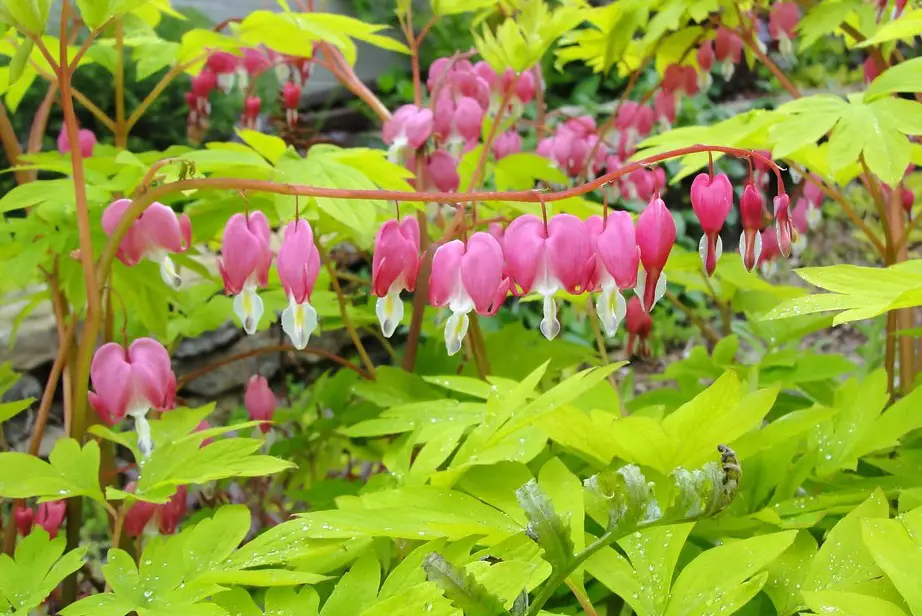
When it comes to propagating Bleeding Heart Vines, there are three primary methods to consider: seeds, cuttings, and division. Each method has its own success rates and ease of use, allowing you to choose the best option based on your gardening experience and preferences.
Seeds
Propagating Bleeding Heart Vines from seeds can be a rewarding challenge. However, this method tends to be the slowest and has a variable success rate. The seeds require a period of cold exposure to break dormancy, which can be tricky. Here’s how to do it:
- Timing: Plant seeds in late summer or prepare to store them in your freezer for 6 weeks before germinating indoors.
- Soil Preparation: Use a well-draining potting mix rich in peat and vermiculite.
- Planting Depth: Sow seeds half as deep as their width and cover lightly with soil.
Cuttings
Taking cuttings is another popular method for propagating Bleeding Heart Vines. This approach is generally easier and offers a higher success rate compared to seeds. Here’s what you need to know:
- Timing: The best time for cuttings is late spring to early summer, after the plant has flowered.
- Technique: Cut young stems, ideally those that are not woody, and place them in a suitable potting mix. To boost your success rate, consider using a rooting hormone powder for cuttings. This can help stimulate root growth and improve your chances of propagation. Check Price on Amazon.
- Care: Keep the soil moderately moist and provide indirect sunlight until roots develop.
Division
Division is often considered the most effective and straightforward method for propagating Bleeding Heart Vines. It allows you to rejuvenate older plants while producing new ones. Here’s how to do it:
- Timing: Division can be done in early spring, just before new growth begins, or in the fall after the foliage has died back.
- Process: Carefully dig up the plant and use a sharp tool to divide the root mass into sections. Each division should have a good amount of roots and foliage for the best chance of survival.
- Success Rate: This method has a high success rate, as it transfers established roots directly into new soil.
When to Propagate Bleeding Heart Vines
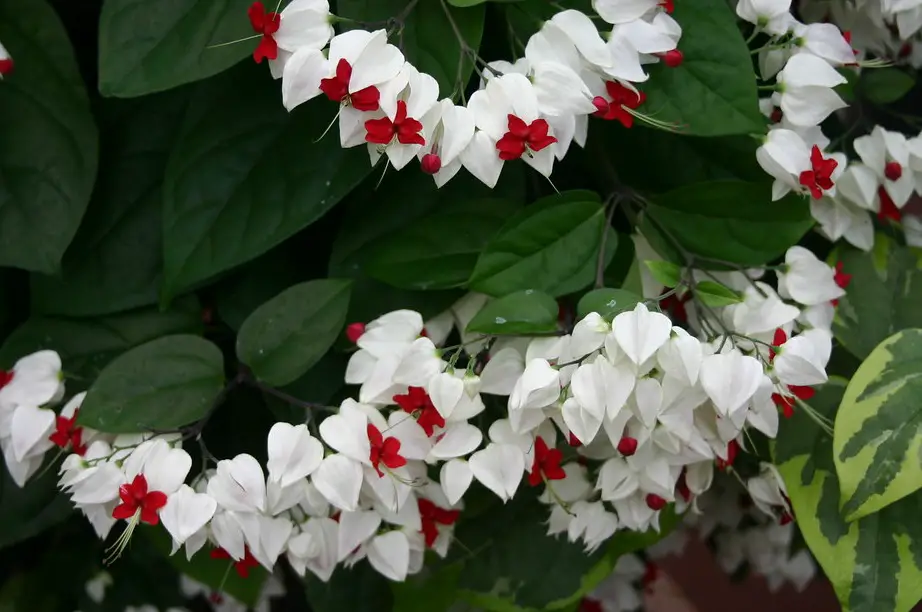
Timing is crucial for successful Bleeding Heart Vine propagation. Understanding when to propagate can significantly enhance your success rate, whether you choose to use division, cuttings, or seeds.
Division
The best time to divide your Bleeding Heart Vines is either in early spring or late fall.
- Early Spring: Propagate a few weeks before the last frost. This timing allows the plant to recover and thrive as it begins its growing season.
- Late Fall: Wait until the foliage has died back. By this time, the plant has entered dormancy, making it safer and less stressful to disturb the roots.
Both methods enable you to separate the root mass effectively while ensuring each section has enough roots and foliage for a successful transplant.
Cuttings
For propagating through cuttings, aim for late spring to early summer. This period is ideal since the plant is actively growing, providing you with vibrant stems that root more easily.
- Late Summer: You can also take cuttings after the flowers have faded, but the success rate may be lower. The plant is beginning to enter dormancy, which can affect root development.
Using a rooting hormone can greatly improve your chances of success. Consider using Check Price on Amazon for your cuttings to encourage strong root growth.
Seeds
If you prefer propagating Bleeding Heart Vines from seeds, timing is a bit more involved due to the dormancy requirements of the seeds.
- Late Summer: Collect seeds and plant them in a prepared garden bed or pots. The seeds need a cold exposure period to break dormancy, which is essential for germination.
- Indoor Preparation: You can also store seeds in the freezer for up to six weeks before planting them in a warm location. This method prepares the seeds for germination, which typically occurs in about a month.
Be patient, as seed propagation is slower and can yield variable results compared to division or cuttings.
By adhering to these seasonal guidelines, you’ll increase your success in propagating Bleeding Heart Vines, ensuring that your garden continues to bloom beautifully year after year.
Preparing for Propagation
Preparing for the propagation of your Bleeding Heart Vines is crucial for success. Whether you are using cuttings, division, or seeds, setting the stage properly can make all the difference in ensuring healthy growth.
Soil Types
Start with the right soil. Bleeding Heart Vines prefer a well-draining potting mix that retains some moisture. A blend of peat, vermiculite, and compost works well. This mixture provides essential nutrients while allowing excess water to drain, preventing root rot. If you’re propagating seeds, ensure the soil is lightly pre-moistened to support germination.
Potting Techniques
When potting cuttings or seeds, choose containers that allow for good drainage. Small pots or seed trays are ideal for cuttings, while larger pots can be used for seeds. Make sure to fill the containers with your chosen potting mix and gently press it down to eliminate air pockets. For cuttings, create holes in the soil with your finger or a pencil to avoid damaging the stems.
Tools Needed
Gather your tools before you start propagating. You will need:
- Sharp Shears: Use clean, sharp scissors or garden shears to take cuttings. This helps make clean cuts that minimize damage to the plant.
- Rooting Hormone: When taking cuttings, consider using a rooting hormone powder to encourage root development. This can significantly increase your chances of successful growth. Check Price on Amazon for a suitable option.
- Labels: If you’re propagating different varieties or batches, label your pots to keep track of each one easily.
Plant Health
Before you begin propagating, ensure the parent plant is healthy. Look for vibrant leaves and strong stems, as a healthy plant will produce stronger cuttings or divisions. If the parent plant is stressed or diseased, its offspring may struggle to thrive. Wait until the plant shows signs of robust growth, ideally in the active growing season.
Creating a solid foundation for your Bleeding Heart Vine propagation will set you up for success, ensuring that your garden remains filled with beautiful blooms for years to come.
Step-by-Step Guide to Propagating by Division
Propagating your Bleeding Heart Vine through division is a straightforward and effective way to multiply these beautiful plants. Here’s how to do it step-by-step:
- Choose the Right Time: The best times to propagate by division are in early spring or fall. In spring, divide a few weeks before the last frost for optimal growth. In fall, wait until the foliage has died back to avoid stressing the plant.
- Prepare Your Tools: Gather a sharp spade or garden fork, a clean knife or soil saw, and a trowel. Having these tools ready will make the process smoother.
- Water the Parent Plant: A day before dividing, give your Bleeding Heart Vine a good watering. This will soften the soil, making it easier to work with and reducing stress on the plant.
- Dig Up the Plant: Carefully dig around the base of the Bleeding Heart Vine, keeping the root mass intact. Aim for a radius of at least 12 inches to avoid damaging the roots. Lift the plant gently from the soil.
- Examine the Root Mass: Once out of the ground, inspect the root system. You should see a dense network of roots. Healthy roots are white or light tan, while unhealthy roots might appear black or mushy.
- Divide the Root Mass: Using your clean knife or soil saw, slice the root mass into sections. Each section should have at least a few stems and a healthy portion of roots. Aim for divisions that are about the size of a small pot.
- Replant Immediately: Place the new divisions into prepared garden beds or pots filled with well-draining potting mix. Ensure the roots are spread out and the plant is at the same soil level as it was previously.
- Water Thoroughly: After planting, water the newly divided plants well. This helps settle the soil around the roots and provides much-needed moisture. Keep the soil moderately moist but not soggy.
- Provide Shade: Since Bleeding Heart Vines thrive in partial to full shade, ensure the new plants are protected from direct sunlight until they establish.
- Monitor Growth: Over the next few weeks, keep an eye on your divisions for signs of new growth. Healthy plants will start to show signs of recovery and growth within several weeks.
Step-by-Step Guide to Propagating by Cuttings
Propagating Bleeding Heart Vines through cuttings is a rewarding method that allows you to grow new plants without the wait associated with seeds. Here’s how to do it effectively:
Timing is Key
The best time to take cuttings from a Bleeding Heart Vine is in late spring to early summer. During this period, the plant is actively growing, which increases your chances of successful rooting. Avoid taking cuttings after the flowers have faded, as the plant will be focusing its energy on dormancy.
Selecting the Right Cuttings
- Choose Healthy Stems: Look for young, green stems that are firm and free from any signs of disease or pests. Stems that are about 4 to 6 inches long are ideal.
- Make the Cut: Use clean, sharp scissors or pruning shears to cut just below a leaf node. This is where roots are most likely to develop.
Preparing the Cuttings
- Remove Lower Leaves: Strip off the lower leaves, leaving just one or two pairs at the top. This helps direct the plant’s energy toward root development rather than maintaining unnecessary foliage.
- Optional – Use Rooting Hormone: Dip the cut end of the stem in rooting hormone to encourage faster root growth. This step is optional but can significantly increase your success rate.
Creating the Ideal Environment
- Choose a Container: Use small pots or trays filled with a well-draining potting mix. A mix containing peat moss and perlite works well for Bleeding Heart cuttings.
- Water the Soil: Lightly moisten the soil before inserting the cuttings. The soil should be damp but not soggy to avoid rot.
- Plant the Cuttings: Insert the cut end of each cutting into the soil, burying it about an inch deep. Firm the soil around the base to ensure good contact.
Cover for Humidity
- Create a Humid Environment: Cover the pots with a plastic dome or a clear plastic bag to retain moisture. This helps create a mini-greenhouse effect, which is essential for successful rooting.
- Location: Place the containers in a bright, indirect light location. Direct sunlight can be too harsh and may scorch the cuttings.
Care for Your Cuttings
- Monitor Moisture Levels: Check the soil regularly to ensure it remains moist but not waterlogged. Remove the cover for a few hours each day to allow air circulation.
- Watch for Roots: After about 4 to 6 weeks, gently tug on the cuttings. If you feel resistance, roots are forming!
Step-by-Step Guide to Propagating by Seed
Propagating Bleeding Heart Vines from seeds can be a rewarding yet challenging process. One of the main hurdles is seed dormancy. The seeds of the Bleeding Heart require a period of cold stratification to break dormancy and encourage germination. This means you need to mimic winter conditions so the seeds know it’s time to sprout.
Cold Stratification Process
- Gather Seeds: Collect seeds from a mature Bleeding Heart plant. Ensure they are fully developed for the best chance of germination.
- Prepare for Cold Treatment: Place the seeds in a moist paper towel or a small container with a bit of moist potting mix.
- Refrigerate: Seal the container in a plastic bag and place it in the refrigerator for 4 to 6 weeks. This cold treatment is crucial for the seeds to break dormancy.
Planting Seeds
After the cold stratification period, you can start planting:
- Choose Your Medium: Use a well-draining potting mix that includes peat and vermiculite for moisture retention.
- Sow Seeds: Plant the seeds about half an inch deep in the soil. If you’re using pots, ensure they have drainage holes.
- Water Gently: Moisten the soil lightly, but avoid overwatering. Too much moisture can lead to rot.
Germination Tips
- Warm Environment: Once planted, move the pots to a warm location (around 65-70°F) to encourage germination.
- Humidity: Cover the pots with plastic wrap to maintain humidity, removing it for a few hours daily to prevent mold.
- Watch for Growth: Germination can take several weeks, so be patient. Keep the soil consistently moist but not soggy.
Seedling Care
Once your seeds germinate and seedlings appear, it’s time to give them extra attention:
- Lighting: Provide bright, indirect sunlight for the seedlings. Too much direct sunlight can scorch young plants.
- Thinning: If multiple seedlings appear in one pot, thin them out to ensure each plant has enough space to grow.
- Transplanting: When seedlings have at least two sets of true leaves, they can be carefully transplanted into larger pots or directly into the garden.
Common Mistakes to Avoid During Propagation
When propagating Bleeding Heart Vines, it’s easy to make some common mistakes that can hinder your success. Here are the key pitfalls to watch out for, along with practical solutions to ensure your propagation efforts thrive.
1. Improper Timing
One of the biggest mistakes is not timing your propagation correctly. Bleeding Heart Vines should be propagated during specific seasons for the best results.
- Timing for Division: The ideal times for division are early spring, a few weeks before the last frost, or in the fall after the foliage has died back. Dividing at the wrong time can stress the plant and delay its growth.
- Cutting Timing: If you’re using cuttings, aim for late spring to early summer when the plant is actively growing. Avoid taking cuttings too late in the season, as the plant may not have enough energy to support new growth.
2. Inadequate Care
After taking cuttings or dividing roots, providing proper care is essential for successful propagation.
- Moisture Levels: New cuttings require consistent moisture but not soggy soil. Overwatering can lead to rot, while underwatering can dry them out. Aim for a balanced approach to keep the soil lightly moist.
- Humidity: Bleeding Heart Vine cuttings thrive in high humidity. Consider using a plastic bag or a humidity dome to maintain moisture levels around the cuttings.
3. Neglecting Environmental Conditions
The environment plays a crucial role in the success of your propagation efforts.
- Light Levels: While Bleeding Heart Vines prefer shade, too little light can stunt growth. Provide bright, indirect light for cuttings to promote healthy development.
- Temperature Fluctuations: Sudden temperature changes can shock new plants. Maintain a stable, warm environment, especially for seeds, to encourage germination and growth.
4. Ignoring Dormancy Needs for Seeds
If you’re propagating from seeds, understanding their dormancy requirements is essential.
- Cold Stratification: Many Bleeding Heart seeds need a cold period to break dormancy. If you skip this step, you might end up with no germination at all. Store seeds in the freezer for a few weeks before planting to ensure they wake up properly.
5. Overcrowding Seedlings
If you’re starting seeds indoors, avoid overcrowding them in one pot.
- Spacing: As seedlings grow, they need room to develop strong root systems. Thin out seedlings when they have two sets of true leaves to prevent competition for nutrients and space.
Aftercare for Newly Propagated Plants
After propagating your Bleeding Heart Vines through cuttings or division, providing the right aftercare is crucial for their success. These delicate plants thrive in specific conditions, so let’s dive into the essential steps to ensure healthy growth.
Watering
Watering is a vital part of the aftercare process. Newly propagated Bleeding Heart Vines need consistent moisture but not soggy soil. Here’s how to manage it:
- Keep Soil Moist: Ensure the soil remains damp but not waterlogged. Overwatering can lead to root rot, especially in young plants.
- Check Regularly: Use your finger to feel the soil about an inch down. If it feels dry, it’s time to water.
- Watering Frequency: During the first few weeks, you may need to water every few days. As the plants establish their roots, reduce the frequency.
Light Requirements
Bleeding Heart Vines prefer partial to full shade. Here’s how to manage their light exposure:
- Initial Light: Right after propagation, keep the plants in a location that receives indirect light. Direct sunlight can stress them, especially if they’re newly rooted.
- Gradual Transition: After a few weeks, you can gradually introduce them to more light. Start with a few hours of morning sun and increase exposure slowly.
- Permanent Location: Once established, ensure your Bleeding Heart Vines are in a spot that mimics their natural habitat—shady areas with dappled light.
Transitioning to Permanent Locations
Once your Bleeding Heart Vines have rooted well, it’s time to move them to their permanent spots. Follow these steps for a smooth transition:
- Timing: The best time to transplant is in early spring or early fall. This allows the plant to adjust before extreme temperatures.
- Prepare the New Site: Ensure the new planting area has well-draining soil enriched with organic matter. This will help retain moisture while providing nutrients.
- Planting Depth: When transplanting, dig a hole that is slightly larger than the root mass of your Bleeding Heart. Place the plant in the hole and backfill gently, ensuring the crown of the plant is level with the soil surface.
- Water After Planting: After transplanting, water the plants thoroughly to settle the soil and eliminate air pockets.