
Pond frogs have a varied diet that plays a crucial role in their ecosystem. Understanding what these amphibians eat can help you maintain a healthy pond environment while managing their impact on fish and other species.
Understanding the Diet of Pond Frogs
Pond frogs have quite an appetite! Their diet changes as they grow, and it plays a vital role in their ecosystem. Let’s dive into what these hungry hoppers eat at different life stages.
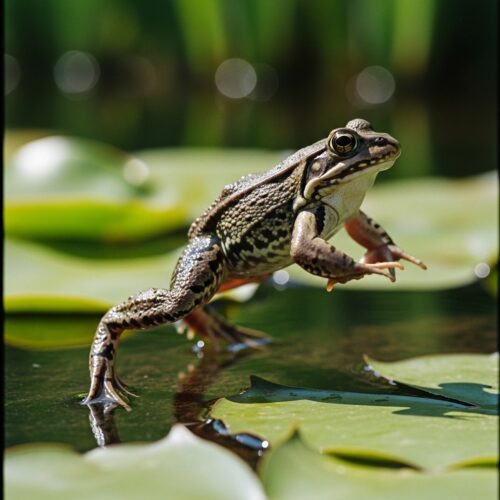
The Varied Diets of Tadpoles
Tadpoles start their lives munching on algae and small aquatic plants. They are mostly herbivores, feasting on:
- Algae
- Decaying plant matter
- Tiny microorganisms
As they grow, tadpoles shift slightly. They begin to nibble on small invertebrates like mosquito larvae and water fleas. This transition helps prepare them for their upcoming carnivorous lifestyle.
Adult Frogs: Carnivorous Predators
Once tadpoles metamorphose into adult frogs, their diet takes a turn. Adult pond frogs become strict insectivores. They hunt down a variety of insects:
Table of Contents
- Flies
- Mosquitoes
- Crickets
- Worms
These frogs are opportunistic feeders. They’ll eat whatever they can catch, including smaller frogs if they’re feeling adventurous! Their hunting strategy is fascinating. They often sit and wait, using their keen eyesight to spot movement. When prey gets close enough, they strike with lightning speed.
Dietary Variations by Species
Different species of pond frogs have unique dietary habits. For example:
- Bullfrogs: These big guys will eat almost anything, including small fish and even other frogs.
- Green Frogs: They primarily feast on insects and worms but will also munch on smaller invertebrates.
- Leopard Frogs: Known for their agility, they enjoy a mix of insects and small crustaceans.
Creating a frog-friendly habitat can support their varied diets. Include plenty of aquatic plants and a mix of environments to attract insects. Just remember, a healthy pond ecosystem benefits both frogs and their surroundings!
Role of Pond Frogs in Ecosystem Health
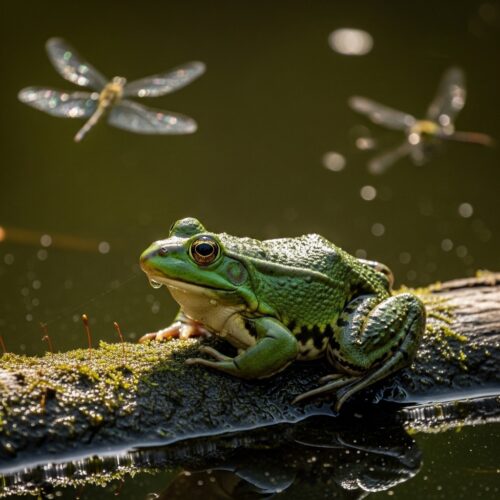
Pond frogs are not just cute little hoppers; they play a big role in keeping our ecosystems balanced. They help control pests, boost biodiversity, and interact with other species in meaningful ways.
Natural Pest Control Mechanisms
Pond frogs are nature’s pest controllers. They feast on a variety of insects, including:
- Mosquitoes
- Flies
- Crickets
- Moths
By keeping these populations in check, frogs help reduce the spread of pests that can harm plants and even transmit diseases. For instance, a single bullfrog can eat over 100 insects in a night! This natural pest control is vital for maintaining a healthy garden or pond environment.
Enhancing Biodiversity
Frogs are key players in promoting biodiversity. Their presence indicates a healthy ecosystem. When frogs thrive, it usually means there’s a balance of plants, insects, and other wildlife.
Here’s how frogs enhance biodiversity:
- Food Source: Frogs serve as a meal for larger predators like birds and snakes. This creates a food web that supports various species.
- Habitat: Frogs require different habitats for breeding and feeding. This variety encourages a rich ecosystem with diverse plant and animal life.
Interactions with Other Species
Pond frogs interact with various species, contributing to the ecosystem’s health. Their diet changes as they grow, influencing what they eat and who they affect.
- Tadpoles: Young frogs eat algae and small plants, which helps keep the water clean and oxygenated.
- Adults: As adults, they switch to insects, controlling populations that could otherwise explode and disrupt the ecosystem.
Frogs also share their habitat with other creatures. They coexist with fish and aquatic plants, creating a balanced environment. However, it’s essential to manage frog populations so they don’t overeat fish, especially in smaller ponds.
Creating a frog-friendly habitat is key. Provide plenty of plants, shallow areas for breeding, and a diverse food supply. This will help maintain the delicate balance that benefits both frogs and the entire ecosystem.
Creating a Frog-Friendly Habitat
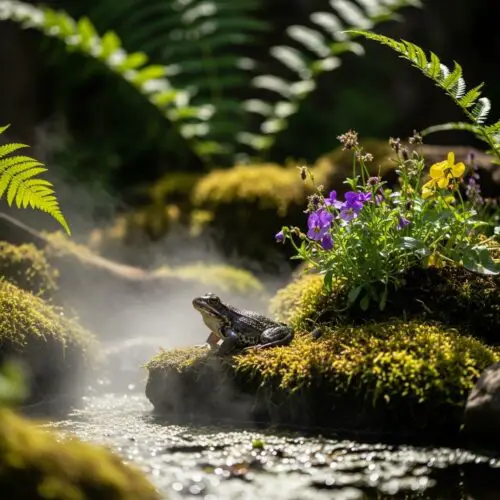
To keep your pond frogs happy and healthy, you need a balanced environment. This means providing the right plants, clean water, and safe spaces. Let’s dive into some practical tips to create that perfect habitat!
Planting Native Aquatic Vegetation
Adding the right plants is crucial. Native plants attract insects, which are a primary food source for frogs. Here are some great options:
- Water Lilies: These provide shade and cover for frogs.
- Cattails: Great for attracting insects and offering shelter.
- Duckweed: A tiny plant that provides food for tadpoles.
- Hornwort: This submerged plant helps oxygenate the water.
By planting these, you create a buffet for frogs while enhancing the pond’s ecosystem.
Ensuring Clean Water and Food Sources
Frogs thrive in clean water. Here’s how to maintain it:
- Avoid Chemicals: Pesticides can harm frogs and their food sources.
- Regular Maintenance: Clean the pond to prevent algae blooms that can suffocate frogs and fish.
- Aerate the Water: Use a pond aerator to keep oxygen levels high. This supports both frogs and fish.
With a clean environment, frogs can hunt insects and stay healthy.
Creating Safe Spaces for Fish
You want frogs and fish to coexist peacefully. Here are some strategies to keep both safe:
- Separate Zones: Designate areas in the pond for frogs and fish to minimize predation. Use rocks or plants to create barriers.
- Size Matters: Be mindful of the frog species. Large frogs like bullfrogs may eat smaller fish. Choose fish that are too big for them to swallow.
- Provide Hiding Spots: Use plants and structures to give fish places to hide from hungry hoppers.
By balancing these aspects, you create a thriving habitat where frogs can feast on insects while fish swim safely.
Addressing Issues with Frog and Fish Interactions
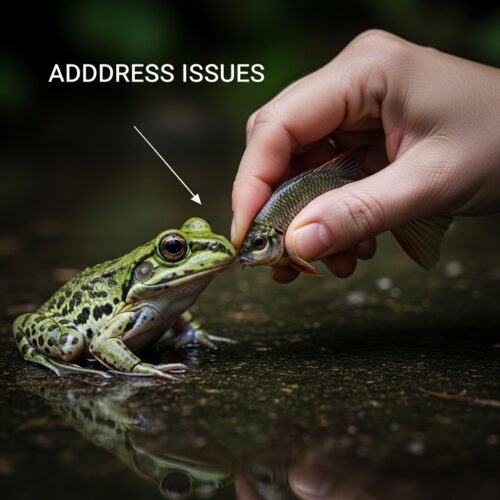
Frog and fish interactions can raise some eyebrows, especially if you’re worried about your fish becoming a meal. Let’s dive into the common issues and how to manage them.
Understanding Frog Predation on Fish
Frogs are opportunistic eaters. They will munch on whatever they can catch. This includes fish, especially smaller ones. Here are a few key points about frog predation:
- Size Matters: Larger frog species, like bullfrogs, are more likely to target small fish. If you have these giants in your pond, keep an eye on their dinner choices.
- Diet Variability: Frogs primarily feed on insects, but they won’t hesitate to snag a small fish if the opportunity arises. This is especially true when their preferred food is scarce.
Strategies to Protect Your Fish
Keeping your fish safe from hungry hoppers is crucial for a balanced pond ecosystem. Here are some effective strategies:
- Create Hiding Spots: Incorporate plenty of plants and structures. Fish love to hide, and this makes it harder for frogs to catch them.
- Install Barriers: Use netting or rocks to create zones. Frogs can hop, but they can also be deterred by obstacles.
- Choose Fish Wisely: Opt for fish species that are larger than what your frogs can eat. This reduces the risk of predation.
Balancing Frog and Fish Populations
Maintaining the right balance is key. Here are some insights to consider:
- Diverse Diets: Ensure your frogs have access to various insects. This keeps them satisfied and less likely to target your fish.
- Monitor Populations: Keep an eye on both frog and fish numbers. A sudden increase in frogs may signal they’re running low on their usual food sources.
- Environmental Conditions: Changes in water quality or temperature can affect frog diets. Make sure your pond remains healthy to support both species.
By understanding these dynamics, you can maintain a thriving ecosystem where both frogs and fish coexist peacefully.
Conclusion: The Importance of Pond Frogs
Pond frogs are more than just charming pond companions. They play a crucial role in keeping your backyard ecosystem healthy. Understanding what they eat helps us appreciate their impact on the environment.
How Do Pond Frogs Contribute to Ecosystem Balance?
Pond frogs help maintain balance in their aquatic home. They control insect populations, which can otherwise explode in numbers. Here’s how they contribute:
- Insect Control: Adult frogs consume insects like mosquitoes, flies, and crickets. This keeps these pests in check.
- Food Source: Frogs also serve as prey for larger animals, including birds and snakes. This creates a food web that supports various species.
- Natural Indicators: Frogs are sensitive to changes in their environment. A decline in their population can signal issues like pollution or habitat loss.
What Do Tadpoles and Adult Frogs Eat?
The diet of pond frogs evolves dramatically from tadpole to adult. Here’s a quick breakdown:
- Tadpoles: They primarily munch on algae and aquatic plants. This helps keep the pond clean and promotes healthy water quality.
- Adult Frogs: They are opportunistic feeders. Their diet may include insects, worms, and even smaller frogs if food is scarce.
Creating a Frog-Friendly Habitat
To support these essential creatures, creating a welcoming habitat is vital. Here are some tips:
- Provide Shelter: Use rocks, plants, and logs to give frogs places to hide and rest.
- Maintain Water Quality: Ensure the water is clean and free from harmful chemicals. This supports their diet and overall health.
- Create Biodiversity: Encourage a variety of insects and plants in your pond. The more diverse the habitat, the happier your frogs will be.
By promoting a healthy environment for pond frogs, you not only help them thrive but also maintain an ecological balance that benefits your entire garden.
Frequently Asked Questions
These quick answers cover the most common questions about this topic, including key details, practical tips, and common concerns.
What do pond frogs eat?
Pond frogs primarily eat insects such as flies, mosquitoes, crickets, and worms. As they grow from tadpoles to adults, their diet shifts from algae and aquatic plants to these carnivorous prey. They are opportunistic feeders and will catch whatever is available in their environment.
What did Mark Twain say about eating a frog?
Mark Twain famously said, “Eat a live frog first thing in the morning, and nothing worse will happen to you the rest of the day.” This metaphor encourages tackling your biggest challenge early. It’s unrelated to actual frogs’ diets but is often referenced in motivational contexts.
Can frogs hear you talk?
Frogs have sensitive hearing and can detect sounds through their tympanic membranes (eardrums). They respond to vocal calls from other frogs, especially during mating season. However, they do not recognize human speech or understand language.
Why do frogs cry at night?
Frogs produce sounds at night mainly for mating and territory defense. These calls are often mistaken for crying. The croaking helps attract mates and establish dominance among males, especially during breeding seasons.
Do frogs eat fish?
Yes, some larger frog species, like bullfrogs, will eat small fish if they can catch them. Fish are part of their diet when available, especially in habitats where other prey might be scarce. Smaller frogs tend to focus more on insects and invertebrates.
How can I attract frogs to my pond?
Create a frog-friendly habitat by including native aquatic plants, shallow areas for breeding, and clean water free of chemicals. Providing hiding spots like rocks and logs encourages frogs to settle and breed. Avoid pesticides and maintain a diverse insect population to support their diet.
Why are frogs important for pest control?
Frogs help control pest populations by feeding on insects like mosquitoes, flies, and moths. A single frog can eat hundreds of insects in a night, reducing the need for chemical pest control and supporting a healthy ecosystem.
What are the different diets of tadpoles and adult frogs?
Tadpoles mainly eat algae, decaying plant matter, and microorganisms, which help keep the pond clean. Adult frogs switch to a carnivorous diet, feeding on insects, worms, and sometimes small fish or other frogs, depending on the species.
How do I keep frogs from eating my fish?
To protect fish, create zones with plants or structures that provide hiding spots for fish. Choose larger fish species that frogs can’t swallow. Installing barriers or netting can also prevent frogs from accessing fish in vulnerable areas.
What is the role of frogs in a pond ecosystem?
Frogs maintain ecological balance by controlling insect populations, serving as prey for larger predators, and indicating water quality health. Their presence supports biodiversity and helps keep the pond environment balanced and healthy.